1 free read left. Create a free account for unlimited reading + AI research.
Create free accountArticle GameMakers
1 free read left. Create a free account for unlimited reading + AI research.
Create free accountArticleGameMakers
The industry is experiencing a fundamental structural transformation rather than a temporary cyclical downturn. Traditional competitive advantages are collapsing and shifting.
The gaming industry is currently undergoing a fundamental structural transformation rather than a temporary cyclical downturn. By analyzing data from the GDC 2026 State of the Industry report, which surveyed over 2,300 industry professionals, it becomes clear that the traditional competitive advantages—or moats—that once defined the sector are collapsing and shifting. This transition is characterized by the erosion of historical barriers related to capital, labor, and proprietary technology.
The financial landscape has shifted significantly, as traditional funding sources like venture capital and publisher advances have largely dried up. Currently, 35% of developers rely on self-funding, a figure that rises to 86% for solo developers. As the cost of development decreases, the primary financial challenge has moved from production to distribution and discoverability, with 78% of developers identifying audience reach as their most critical platform requirement. Simultaneously, the labor market is experiencing a severe contraction; 33% of U.S. game professionals have faced layoffs in the past two years, and nearly half of those affected remain unemployed. The industry is moving toward smaller, more agile teams, as the necessity for large-scale staffing to produce competitive titles diminishes.
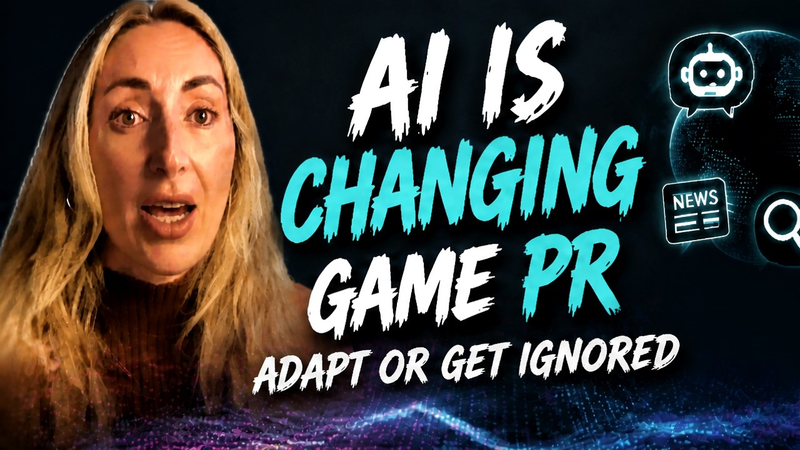
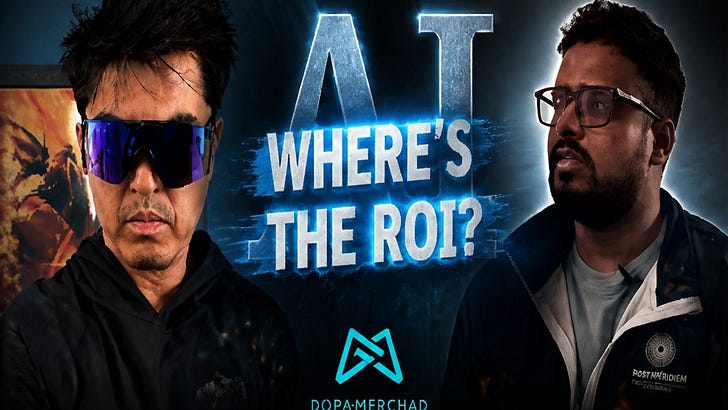
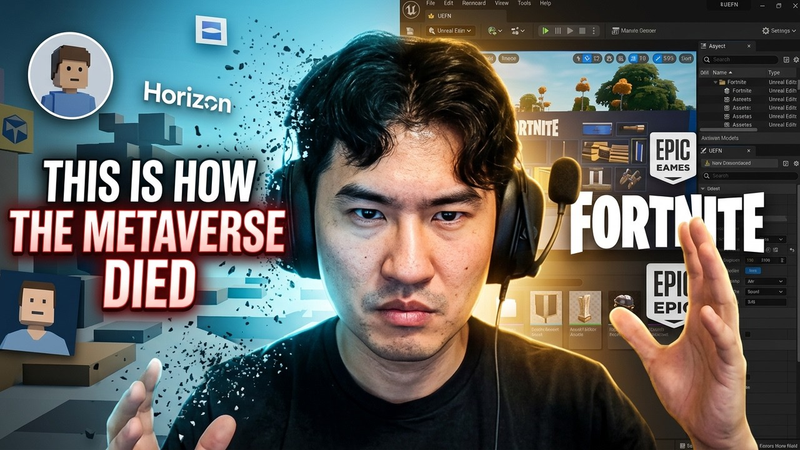
Technological barriers are also dissolving, as proprietary engines lose ground to accessible alternatives like Unreal Engine and Godot. Furthermore, the industry faces an identity crisis regarding artificial intelligence, which is widely viewed with skepticism by developers yet adopted out of necessity to remain employable. Ultimately, the industry is not in a decline but a restructuring. Success now depends on new advantages—specifically taste, speed, community engagement, and distribution—rather than the legacy models of heavy capital investment and large-scale, proprietary-driven development.
GameMakers · 2026
GameMakers · 2026
GameMakers · 2026

GameMakers · 2026

GameMakers · 2026

GameMakers · 2026
GameMakers · 2026
GameMakers · 2026
GameMakers · 2026

GameMakers · 2026
GameMakers · 2026
GameMakers · 2026
Naavik · 2026