ArticleGame Studio Unlocked
Poor Performance Is Not a Game Engine Problem
15 May 20261 pages~7 min full read
The prevailing industry narrative that game engines are responsible for poor performance in modern titles is a fundamental misdiagnosis. Game engines serve as tools rather than determinants of output quality; consequently, frame rate and stability are almost exclusively outcomes of the development process and team management. When high-fidelity games suffer from stuttering, memory leaks, or poor frame pacing, the root cause is typically a failure to implement rigorous optimization strategies throughout the production lifecycle.
Common development pitfalls contributing to these issues include an over-reliance on visual features without adequate performance budgeting, a lack of consistent profiling, and the failure to perform hardware compatibility passes on consoles. Many studios exacerbate these problems by prioritizing high-end hardware during development and delaying optimization until the final stages of production. This late-stage approach often leaves teams without the time or resources to address critical bottlenecks, forcing an over-reliance on upscaling technologies to achieve playable frame rates.
The focus on Unreal Engine in recent years stems from its status as the primary tool for graphically demanding, high-fidelity projects. Because these complex titles are inherently prone to performance challenges, the engine is frequently scapegoated for issues that are actually the result of poor asset management, ineffective culling, or aggressive minimum specification targets. To mitigate these risks, studios must integrate performance, memory, and streaming management into their workflows from preproduction through to the live environment. Ultimately, successful performance is a product of disciplined engineering and proactive management rather than the inherent capabilities of the chosen development engine.
Game Studio Unlocked · 2026

Game Studio Unlocked · 2026

Game Studio Unlocked · 2026

Game Studio Unlocked · 2026
Game Studio Unlocked · 2026
Game Studio Unlocked · 2026
Game Studio Unlocked · 2026
Game Studio Unlocked · 2026
Game Studio Unlocked · 2026
Game Studio Unlocked · 2026

Game Studio Unlocked · 2026
Game Studio Unlocked · 2026
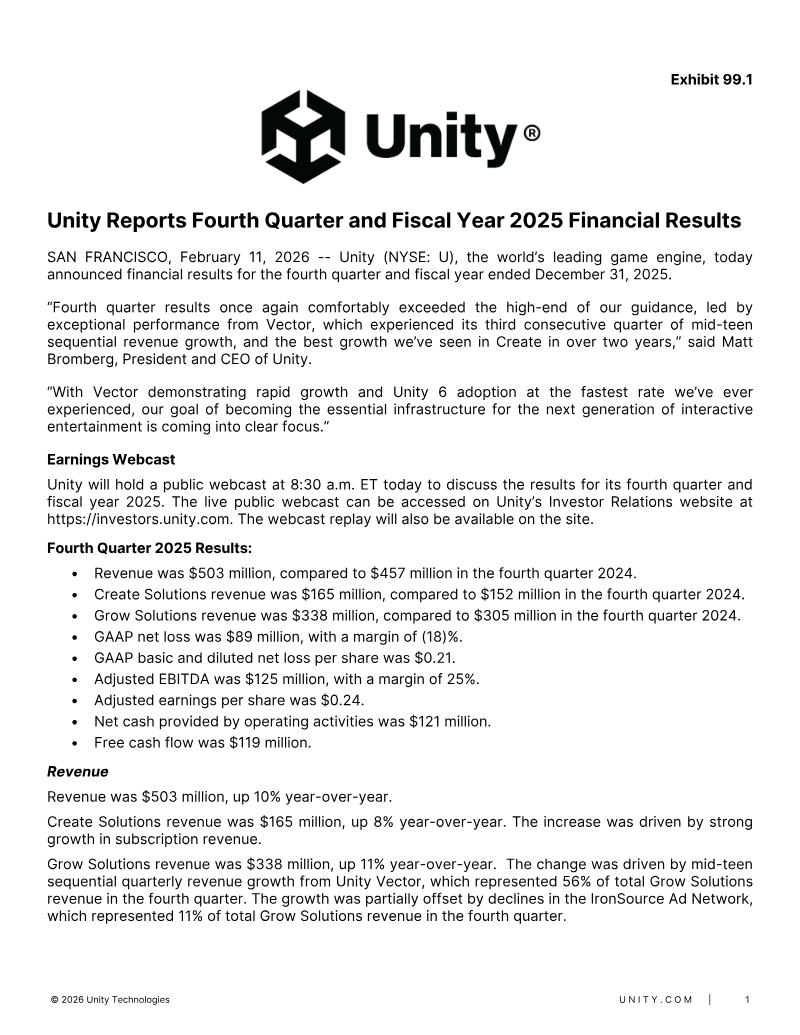
Unity · 2026
modl.ai · 2025
Konvoy · 2025
Video Game Insights · 2025
VG Insights · 2025

Perforce · 2024
Perforce · 2024
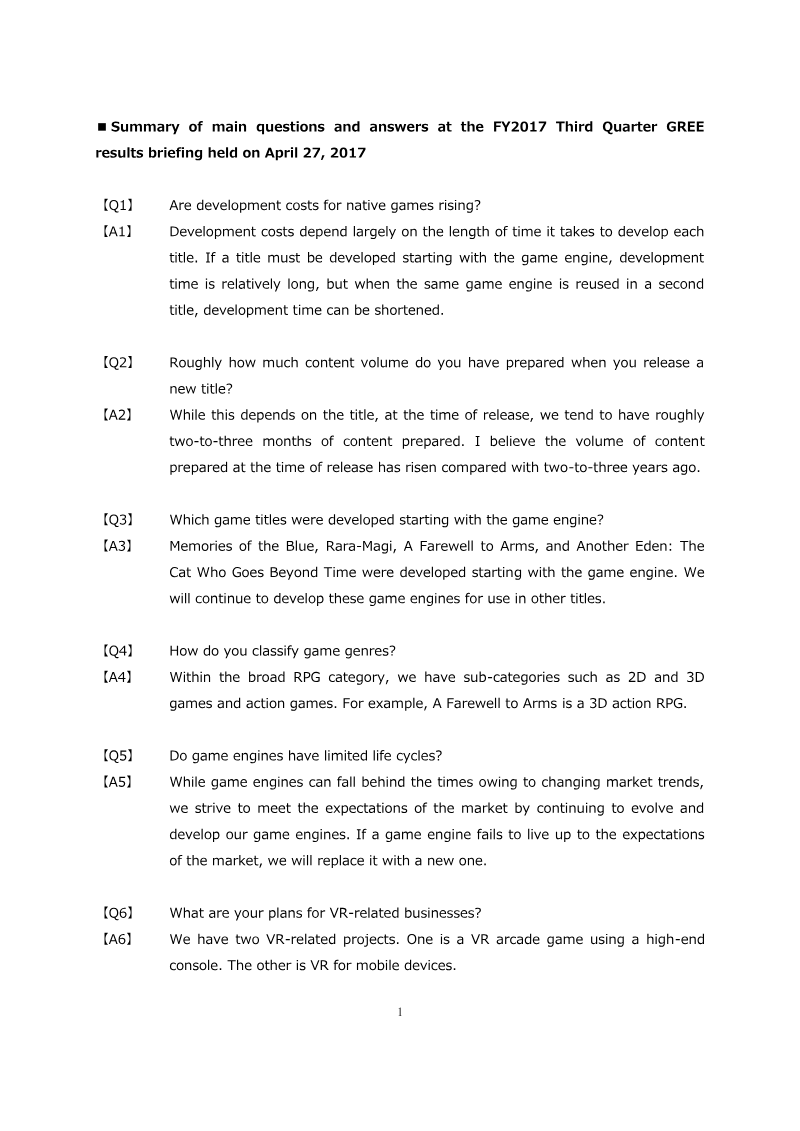
GREE · 2017

GameAnalytics
Poki · 2026
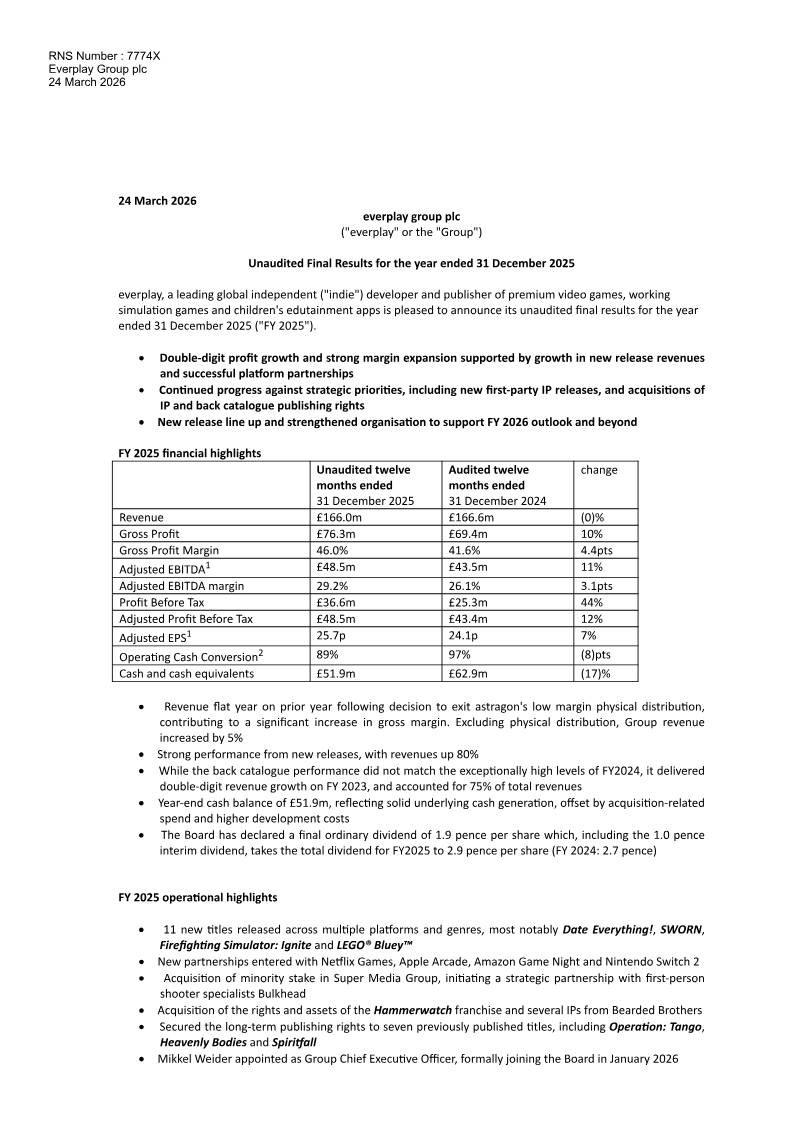
Everplay Group · 2026
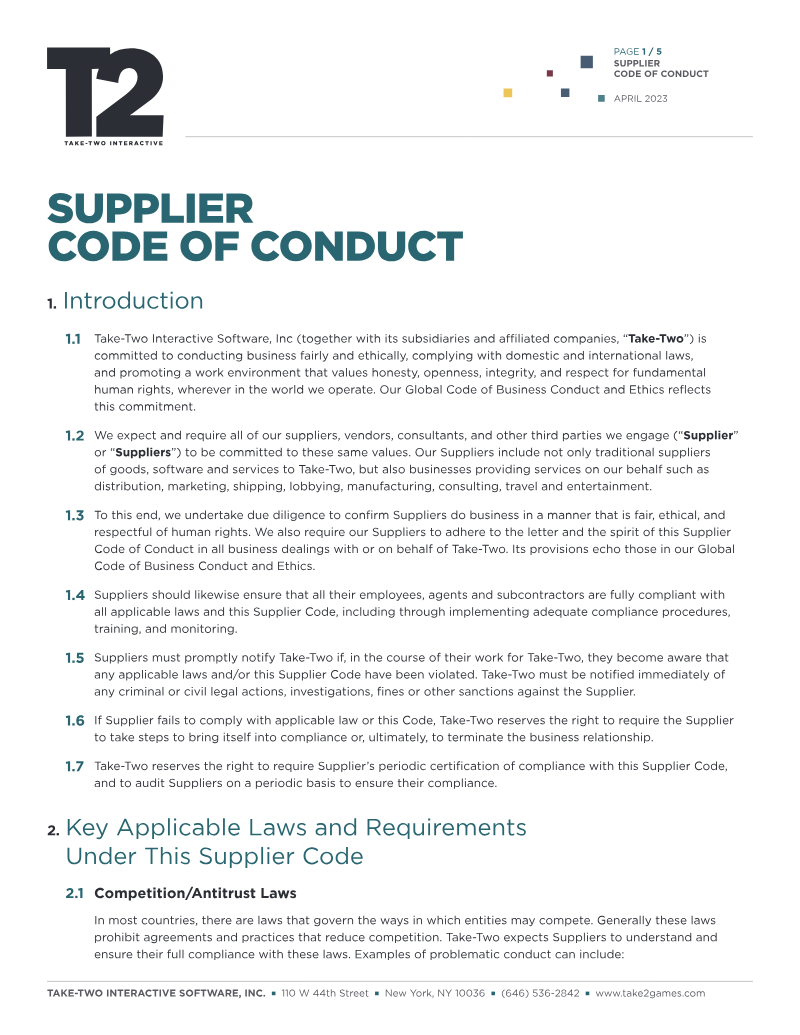
Take-Two Interactive · 2026