
ArticleGameDev Reports
Weekly Gaming Reports Recap: February 16 - February 20 (2026)
21 Feb 20261 pages~16 min full read
The global gaming industry in early 2026 is defined by a period of profound structural instability and technological transition. Widespread workforce reductions remain a defining characteristic of the current landscape, with over half of industry professionals reporting layoffs at their organizations and a significant portion experiencing personal job displacement. Despite this volatility, development efforts remain heavily concentrated on PC as the primary platform, supported by the continued dominance of Unreal Engine for large-scale projects and a growing developer interest in portable hardware like the Steam Deck and the anticipated Nintendo Switch 2.
Technological integration, particularly regarding generative AI, reflects a deep-seated tension between operational efficiency and creative integrity. While adoption rates for tools like ChatGPT are rising, a majority of the workforce expresses skepticism toward these technologies, citing concerns over long-term job security and the potential erosion of creative standards. This cautious approach extends to monetization strategies, where developers continue to favor traditional buy-to-play models over speculative blockchain implementations, while simultaneously prioritizing the integration of accessibility features to broaden market reach.
Geographically, the industry is shifting its focus toward emerging high-growth regions, with the Gulf gaming market identified as a critical area for expansion due to its high average revenue per user. This global outlook is tempered by the lingering effects of the 2025 market cycle, where the absence of major tentpole releases like Grand Theft Auto VI necessitated a strategic pivot in content delivery. As the industry navigates these labor challenges and evolving regional opportunities, the focus remains on stabilizing production pipelines and adapting to a more fragmented, platform-diverse consumer environment.
GameDev Reports · 2026

GameDev Reports · 2026
GameDev Reports · 2026
GameDev Reports · 2026
GameDev Reports · 2026
GameDev Reports · 2026

GameDev Reports · 2026
GameDev Reports · 2026
GameDev Reports · 2026
GameDev Reports · 2026
GameDev Reports · 2026
GameDev Reports · 2026
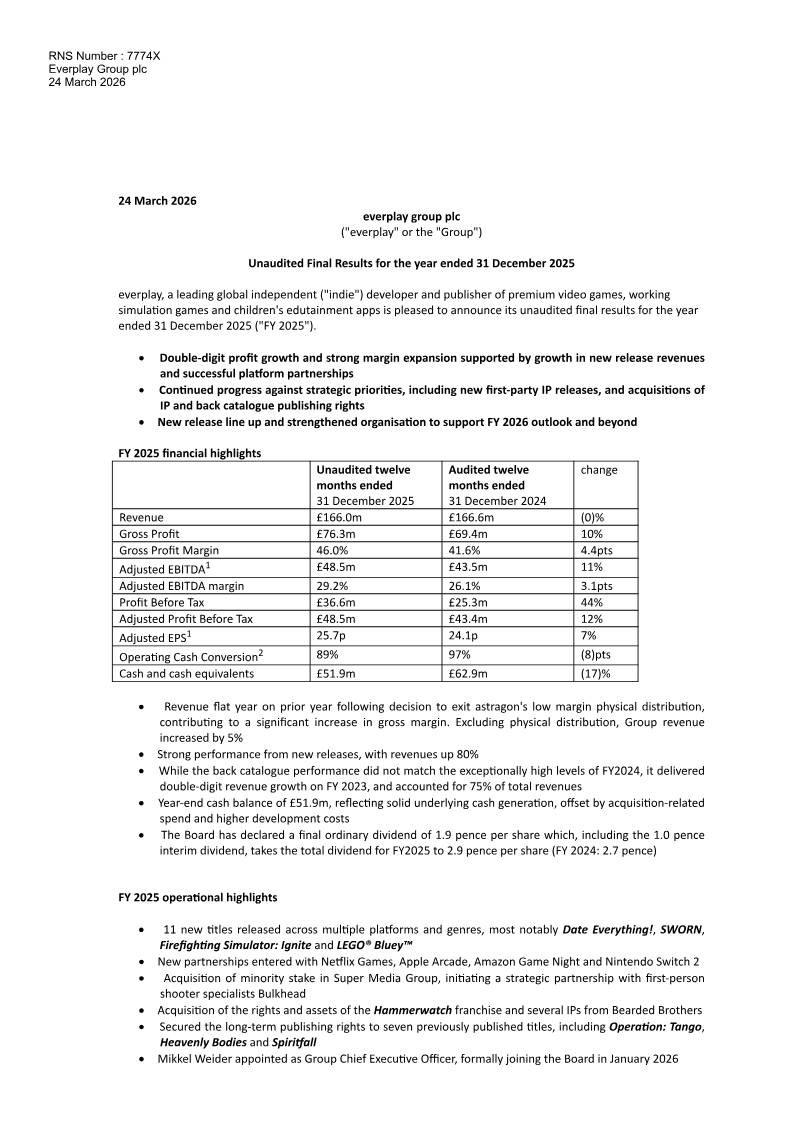
Everplay Group · 2026

InvestGame
GungHo Online Entertainment
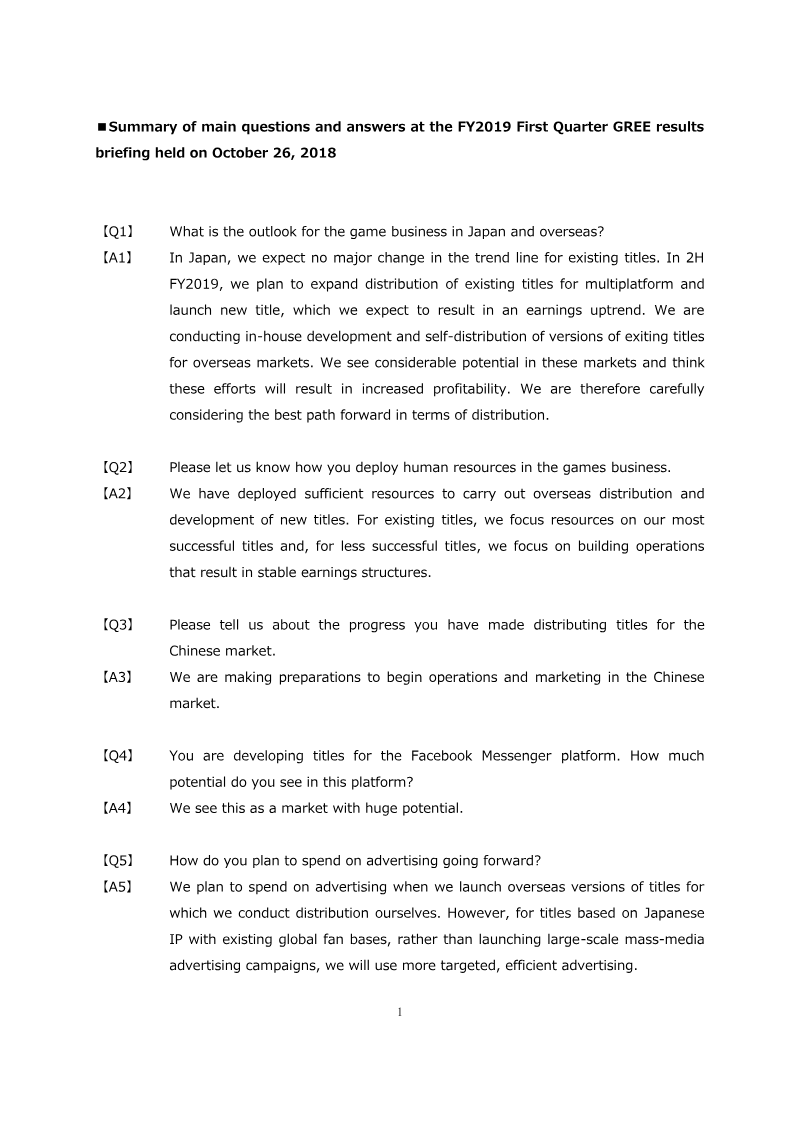
GREE

Frontier Developments
Frontier Developments
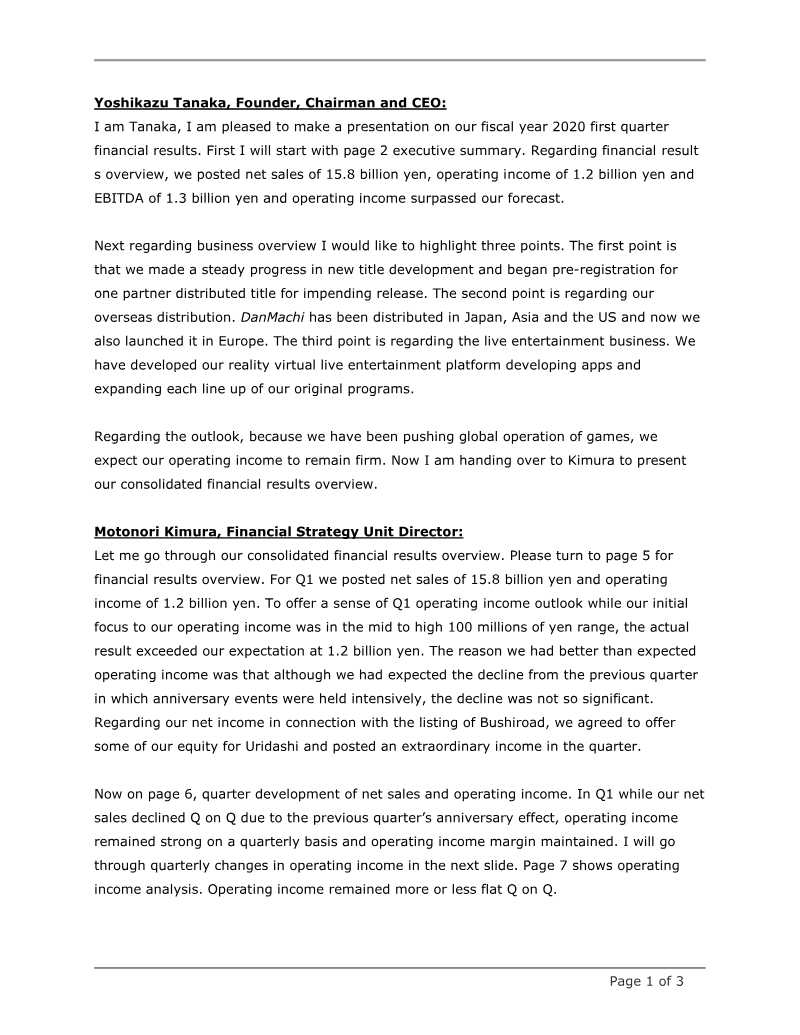
GREE

IGN Entertainment · 2026
Poki · 2026
Capcom · 2026

Square Enix · 2026

Take-Two Interactive · 2026