The Game
Game
Documents about The Game
Save Scumming - The Game Design of Save Systems - Extra Credits
Save scumming—the practice of repeatedly saving and reloading a game to manipulate outcomes or uncover hidden information—is a common player behavior that can significantly impact game pacing and engagement.
- Save scumming is a byproduct of specific design choices, occurring when games combine high-stakes incentives for perfection with generous, manual save systems.
- Developers can mitigate the friction of manual save-and-reload loops by implementing invisible, frequent restore points that automate player recovery.
- Restricting save points to prevent save scumming risks frustrating players if checkpoints are spaced too far apart, leading to excessive repetition.
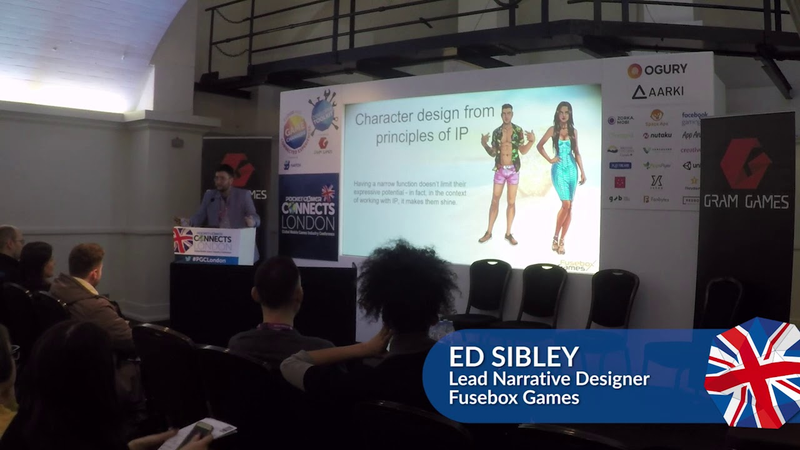
Lessons from Fusebox's Love Island: The Game
The development of Love Island: The Game serves as a case study for successfully adapting popular intellectual property (IP) into mobile, choice-based narrative games.
- Fusebox Games achieved top-grossing status on iOS and Android in summer 2018 by prioritizing a deep understanding of the source material's core appeal during the adaptation of Love Island: The Game.
- Developers should identify the 'brain, heart, and soul' of an IP and map these elements to specific narrative functions to ensure character authenticity while maintaining manageable production scope.
- Rigorous project management, including detailed state-tracking and modular episode outlines, enabled the team to cut 15 episodes of content late in development without compromising the integrity of the remaining plot.
Are You A Fake? (The Imposter Syndrome In The Game Industry)
Imposter syndrome is a pervasive challenge within the independent game development industry, often manifesting as a persistent feeling of inadequacy or a lack of direction despite professional success.
- Projecting confidence is a professional necessity for effective leadership, as maintaining a facade of certainty is required to keep contractors and collaborators committed to a project's vision.
- Public self-deprecation, such as sharing memes about financial failure or lack of expertise, is counterproductive and undermines the perceived authority of a developer.
- Imposter syndrome is often a luxury afforded to those in developed nations who have moved beyond basic survival needs, allowing for a shift in perspective toward gratitude for the privilege of creative work.

Game a Week: Teaching Students to Prototype
The Game a Week pedagogical model serves as a transformative framework for game design education, prioritizing rapid iteration over the perfectionism that often leads to creative stagnation.
- The 'Game a Week' pedagogical model mandates the development of a new game prototype every seven days to prioritize rapid iteration over perfectionism.
- Institutions including NYU and RMIT utilize this high-pressure framework to force students to abandon over-commitment to singular projects and embrace a cycle of experimentation.
- The curriculum uses strict deadlines and thematic constraints to teach students the essential industry skill of scoping projects to fit limited timeframes.
The Game Outcomes Project: How Teamwork, Leadership and Culture Drive Results
The Game Outcomes Project establishes a statistical framework for understanding the drivers of success in game development by analyzing 273 projects across the global industry.
- Internal team dynamics, leadership quality, and intentional culture design account for over 85% of the variance between high-performing and low-performing game projects.
- Traditional production methodologies, such as Agile or Waterfall, and standard financial incentives show no statistically significant correlation with project success.
- Mandatory overtime, or crunch, is not a driver of quality and is strongly associated with poor project results, often acting as a reactive symptom of failure.

Top 5 Game Design Channels You Should Know
Educational resources for game design and development are increasingly accessible through specialized YouTube channels that offer professional insights, technical analysis, and industry perspectives.
- The Game Developers Conference (GDC) channel serves as the primary industry resource, hosting an extensive repository of expert-led lectures on technology, animation, and design.
- Mark Brown’s 'Game Maker’s Toolkit' provides structured, high-production analysis focused on the evolution of game mechanics and design theory.
- Extra Credits offers a human-centric perspective on game development, emphasizing the broader social impact and societal implications of the medium.

Game Music Collective concert at Pocket Gamer Connects Helsinki 2017
The Game Music Collective serves as Europe’s first professional orchestra dedicated exclusively to the performance and production of video game scores.
- The Game Music Collective is Europe’s first professional orchestra dedicated exclusively to the production and performance of video game scores.
- The ensemble provides a full-service production chain for game developers, including composition, arrangement, recording, and mixing services.
- The collective bridges traditional orchestral arrangements with modern electronic production to create bespoke musical assets for interactive media.
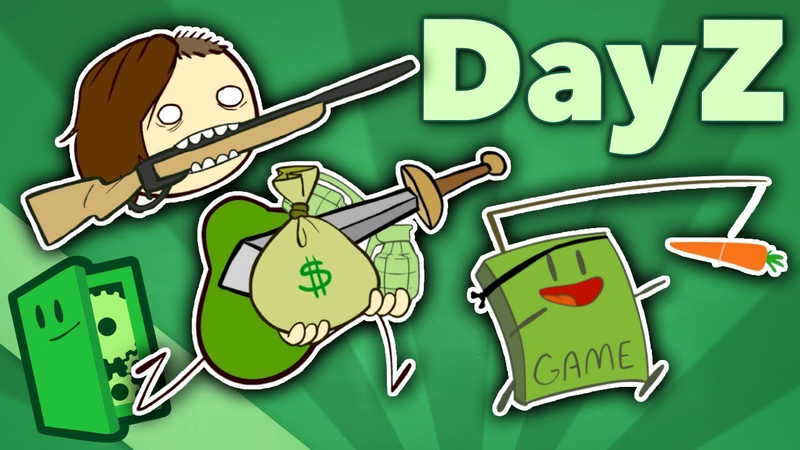
DayZ - Tragedy of the Commons: The Game - Extra Credits
The tragedy of the commons serves as a foundational economic and ecological theory, illustrating how individual self-interest often leads to the depletion of shared resources, ultimately harming the collective and the individual alike.
- The 'tragedy of the commons' occurs in multiplayer survival games like DayZ when individual mistrust and fear of scarcity lead players to hoard resources and attack others, ultimately destroying the collective environment.
- Multiplayer environments disrupt the long-term strategic resource management typically found in single-player games because players assume bad faith from others, triggering a self-fulfilling cycle of competition and waste.
- Traditional solutions to resource depletion, such as privatizing assets or implementing punitive enforcement, often fail to solve the problem efficiently due to high overhead costs and reduced system utility.
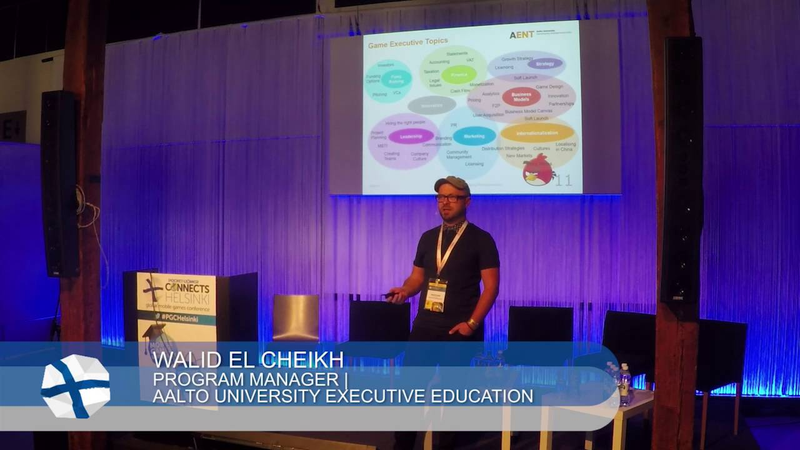
The importance of leadership and business know-how when creating a successful games company
The Game Executive program at Aalto University Executive Education aims to bridge the gap between creative game development and commercial success by providing leadership and business training to industry professionals.
- The Game Executive program at Aalto University Executive Education focuses exclusively on business and leadership training for mid-to-senior level game industry professionals, intentionally excluding technical design or programming instruction.
- Since its inception in 2014, the program has trained over 70 participants through cohorts of 20 to 25 executives, utilizing a network of more than 20 professors and 60 industry experts.
- The curriculum centers on five core business pillars: strategic planning, monetization models, financial decision-making, leadership development, and operational processes.

The Game Bakers' Emeric Thoa on its social beat-'em up Combo Crew
Combo Crew represents a strategic effort by the French indie studio The Game Bakers to adapt the traditional beat-'em-up genre for mobile devices.
- The Game Bakers developed Combo Crew to adapt traditional arcade beat-'em-up mechanics for mobile by replacing complex button inputs with a simplified four-directional swipe system.
- The game utilizes an asynchronous multiplayer model that allows players to join friends' sessions to clear levels and restore health, mimicking the cooperative experience of classic couch co-op titles.
- Core gameplay progression is driven by tactical customization, where players select specific move sets to balance between high-speed, multi-hit combos and slower, high-damage strikes.