South Park
Game
21 documents in the library are about South Park, from writers such as Deconstructor of Fun, Game Production Alchemist and Ubisoft. Each has a summary and key insights with the page they come from.
- Articles
- 13
Connections
Each row is a game or company named alongside South Park, each column a document, oldest first. A mark means that document names it. Select a row to see those documents.
South Park sales and key figures
The European Top Ten unit sales chart was heavily influenced by the Steam Autumn Sale, resulting in significant spikes for older titles like South Park: The Fractured But Whole (+13,256%) and Doom Eternal (+8,610%).
The Game Business, 2025 · Ghost of Yotei Delivers Strong Opening: Europe
Ubisoft lowered its full-year sales target to between €1,455 million and €1,495 million due to the delayed release of South Park: The Fractured But Whole and soft Watch_Dogs 2 sales.
Ubisoft, 2017 · Ubisoft Reports Third-Quarter 2016-17 Sales, p. 1
Documents about South Park
Why Big Game Companies Don't Make Small Games
Large game publishers frequently face criticism for prioritizing massive, high-budget projects over smaller, experimental titles.
- Publicly traded publishers prioritize established franchises like Call of Duty and World of Warcraft because they offer the predictable, scalable revenue required to satisfy corporate mandates for high ROI.
- Large companies view smaller, experimental projects as inefficient uses of resources because they lack the potential to become billion-dollar franchises that justify massive marketing and technical infrastructure investments.
- The industry’s shift toward 'engagement-first' design metrics, such as daily active users, penalizes shorter or experimental games that cannot sustain the long-term retention levels of live-service models.
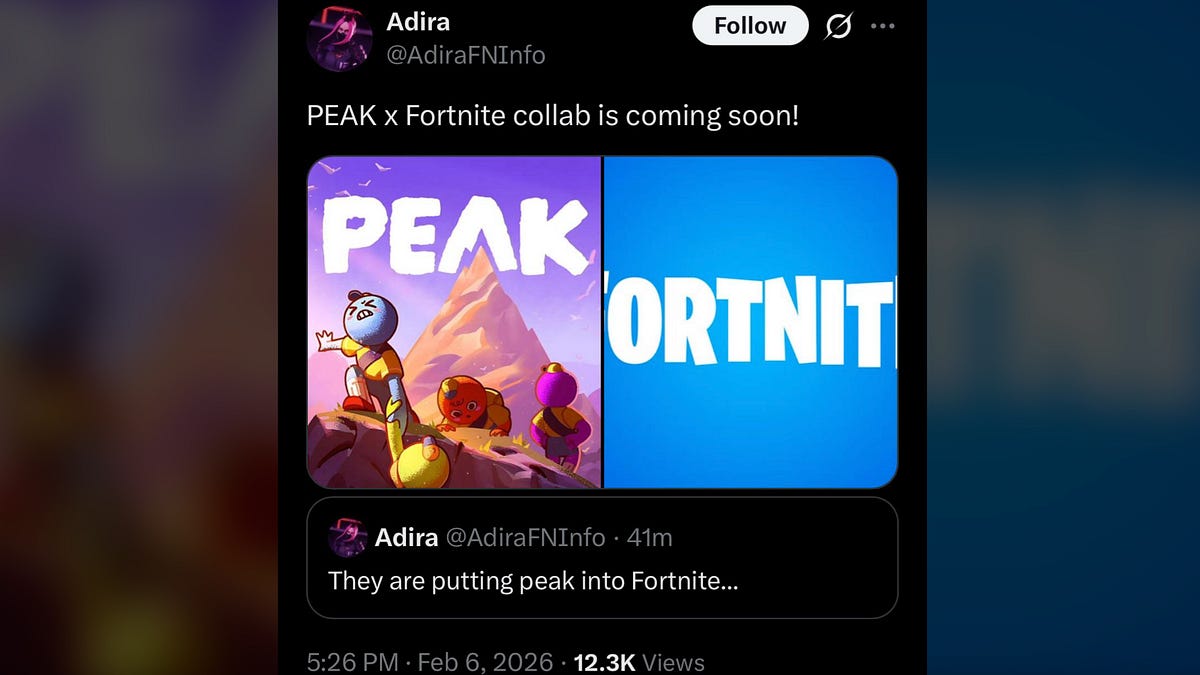
Epic Settles Lawsuit Against Alleged Fortnite Leaker
Epic Games and former contractor Hayden Cohen have agreed to settle a federal lawsuit in North Carolina that accused Cohen of repeatedly leaking confidential Fortnite information, including unreleased collaborations with Minecraft, Peak, South Park and others.
- Epic Games settled a lawsuit with former contractor Hayden Cohen, who was accused of leaking confidential Fortnite collaborations with brands like Minecraft, Peak, and South Park.
- The settlement includes a judgment against Cohen and an injunction preventing him from disclosing Epic's confidential information, but it does not specify monetary damages.
- Sony announced it will cease producing physical discs for new PlayStation games starting January 2028, a decision that has been met with public dissatisfaction.
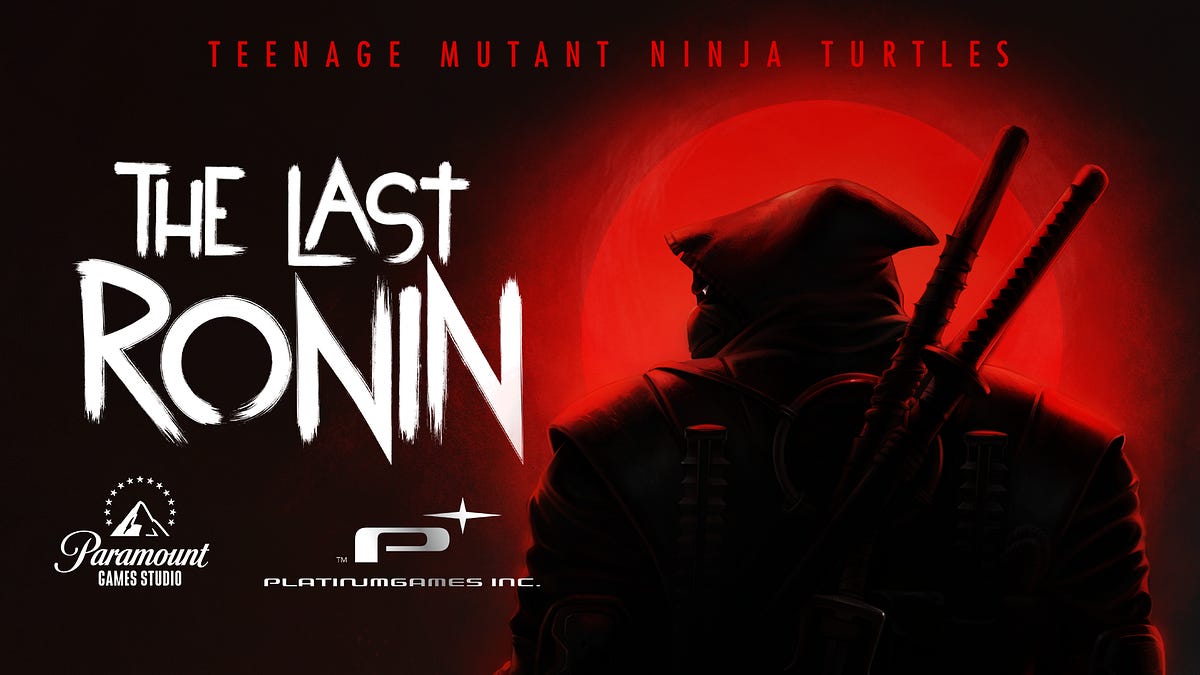
Inside Paramount's New Gaming Division
Paramount has formed a dedicated games division, Paramount Games Group, following the 2025 merger of Skydance Media and Paramount.
- Paramount has established a new Games Group following its 2025 merger with Skydance Media, elevating gaming to a core content pillar alongside film and television.
- The division is prioritizing a conservative growth strategy that focuses on high-potential intellectual properties like Teenage Mutant Ninja Turtles, SpongeBob Squarepants, Star Trek, and Avatar: The Last Airbender rather than rapid studio expansion.
- PlatinumGames is developing 'TMNT: The Last Ronin,' a third-person action-adventure title overseen by former Tekken producer Yohei Shimbori.

Drink Responsibly, Play Responsibly: Why the Games Industry Borrowed the Alcohol Playbook
Rob Sandberg, a game production writer, argues that the games industry has adopted the alcohol and tobacco industries' self-regulation playbook to fend off oversight of monetization practices such as loot boxes, and that regulators are now moving past voluntary measures.
- The gaming industry has adopted a self-regulation strategy mirroring the alcohol and tobacco sectors, which focuses on individual responsibility to preempt and block systemic, population-level regulation.
- Voluntary self-regulation has proven ineffective, as evidenced by a 2025 study showing less than 10% compliance with UK industry rules regarding loot box disclosure in social media advertisements.
- Global regulatory pressure is intensifying, with Belgium and the Netherlands banning certain loot boxes, Brazil prohibiting their sale to minors, and the EU drafting continent-wide legislation expected in late 2026.

Satan Was Right About Dopamine
Rob Sandberg argues that the dopamine-driven critique of freemium games, delivered by Satan in a 2014 South Park episode and dismissed at the time as pop psychology, is now supported by neuroscience, revenue data, and regulatory action.
- Mobile gaming revenue is projected to exceed $104 billion by 2026, driven primarily by variable reinforcement mechanics that trigger dopamine responses similar to those seen in substance addiction.
- The freemium business model is highly concentrated, with 1–5% of players (whales) generating 50–70% of total in-app purchase revenue.
- Unity’s 2025 Gaming Report indicates that 72% of players spend nothing, while the top 5% of spenders average approximately $66 per day.
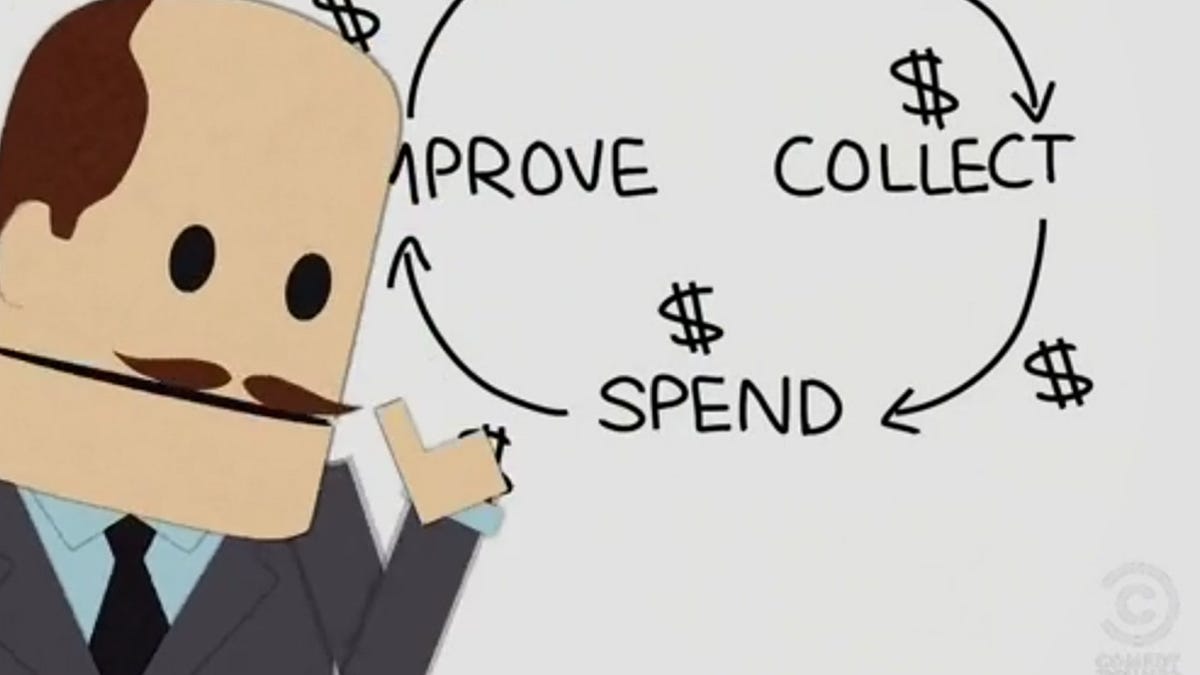
South Park Was Right: How a Cartoon Predicted the FTC’s Enforcement Agenda
Rob Sandberg, a former free-to-play producer, argues that South Park's November 2014 episode "Freemium Isn't Free" anticipated nearly every major regulatory and academic critique of mobile monetisation that has emerged since.
- The 2014 South Park episode 'Freemium Isn't Free' accurately predicted six core criticisms of the free-to-play model that are now the subject of global regulatory enforcement and legislation.
- Industry data confirms that the free-to-play model is heavily dependent on a small minority of users, with 5% of players generating 65% of all in-app purchase revenue while 72% of players spend nothing.
- Regulators are aggressively targeting 'dark patterns' in game design, evidenced by a $520 million settlement involving Epic Games and a $2.5 billion settlement involving Amazon regarding deceptive user flows.
TWIG #360 The Story of Two Steam Games, Where Winds Meet & The 4X Shake-Up
The modern gaming landscape is defined by a widening gap between vanity metrics and sustainable revenue, as developers struggle to balance high user acquisition costs with long-term retention.
- The 4X strategy genre currently generates approximately $700 million in monthly revenue, with growth driven by gender-neutral themes and casualized art styles rather than traditional hardcore aesthetics.
- The gaming industry is shifting away from complex, gear-heavy progression systems toward accessible, cross-platform experiences that utilize seasonal resets to improve retention.
- Rising user acquisition costs and high install prices are forcing studios to abandon traditional squad RPG models in favor of high-fidelity, broad-appeal titles.

Ghost of Yotei Delivers Strong Opening: Europe
The document analyzes European video game sales for the week ending October 5, 2025, focusing on new releases and their performance against established titles.
- Ghost of Yotei debuted at No. 2 in the European GSD charts, with opening sales matching the performance of its 2020 predecessor, Ghost of Tsushima.
- EA Sports FC 26 maintained the No. 1 position in Europe for the third consecutive week, despite a 62% week-on-week decline in unit sales.
- Ghost of Yotei represents the strongest first-party PlayStation launch since Spider-Man 2 in October 2023.
Call of Duty Movie Is Finally Happening!
The announcement of a live-action Call of Duty film, developed in partnership with Paramount, has sparked significant debate regarding the viability of transmedia strategies for mature, multiplayer-focused gaming franchises.
- Paramount is developing a live-action Call of Duty film, a move critics view as a reactive attempt to address the franchise's declining market share and internal studio instability.
- The project faces significant skepticism because the Call of Duty brand lacks the character-driven narrative depth and consistent identity found in successful adaptations like Super Mario or Sonic the Hedgehog.
- Industry analysts argue that the franchise's core appeal is rooted in competitive multiplayer mechanics and a 'military action hero' fantasy, which does not translate well to cinematic storytelling.
Infection Free Zone Comes in 'Hot' to Steam Next Week
This analysis provides an overview of upcoming and recently released game performance across various platforms, with a particular focus on Steam.
- The upcoming city-builder Infection Free Zone is projected to reach 5,000 to 10,000 concurrent users (CCU) at launch, supported by 93,700 Steam followers and a successful prologue that previously hit 5,000 CCU.
- Content Warning demonstrated the efficacy of a 24-hour free-to-own 'stealth launch' strategy, resulting in 205,000 CCU and 6.2 million owners before shifting to a paid model.
- High follower counts do not guarantee commercial success, as evidenced by Monsters Domain, which failed to convert its audience into active players due to technical issues and poor polish.

Outpost: Infinity Siege Blends Genres Like a Champ
This document provides an analysis of recent game releases and market trends across various platforms, with a particular focus on Steam.
- Dragon’s Dogma 2 and Helldivers 2 currently dominate global top-grossing charts, with Dragon’s Dogma 2 leading recent paid downloads on both PlayStation and Xbox in the United States.
- Genre-hybridization is a successful market strategy, evidenced by Outpost: Infinity Siege achieving over 13,000 concurrent users (CCU) by blending tower defense, extraction shooter, and roguelite mechanics.
- The Chinese market is a significant driver of engagement for new releases, as seen in the high volume of Simplified Chinese reviews for titles like Outpost: Infinity Siege and Ender Magnolia: Bloom in the Mist.
Two & a Half Gamers Session #25: Does Ubisoft Give a F! About Mobile Games?
Episode #25 of the "two & a half gamers" podcast, published July 2022, continues a new recurring segment called the Mobile Gaming Company Happy Hour, which examines a single mobile publisher through three lenses: game design, user acquisition (UA), and ad monetisation.
- Ubisoft’s mobile strategy is hindered by an operational disconnect between its traditional console/PC-focused corporate structure and its mobile-first subsidiaries.
- The company’s mobile portfolio relies on specialized subsidiaries including Kolibri Games, Greenpanda Games, and 1492 Studio to manage game design and monetization.
- Ubisoft utilizes a multi-channel user acquisition (UA) strategy, primarily leveraging creative assets across advertising platforms like Facebook and Google.