Games and companies in this document





Connections
Each row is a game or company this document names, each column a document, oldest first. A mark means that document names it. Select a row to see those documents.
1 free read left. Create a free account for unlimited reading + AI research.
Create free accountArticleGame Production Alchemist
This strategy mirrors the alcohol and tobacco sectors, focusing on individual responsibility to preempt systemic regulation.
Rob Sandberg, a game production writer, argues that the games industry has adopted the alcohol and tobacco industries' self-regulation playbook to fend off oversight of monetization practices such as loot boxes, and that regulators are now moving past voluntary measures. The piece is the third in a four-part series on the free-to-play trap and uses a South Park episode satirizing "drink responsibly" campaigns as its framing device. It cites a 2023 European Journal of Public Health study finding that alcohol and gambling industries use identical consultation strategies: stressing that harm affects only a minority, presenting themselves as socially responsible, and promoting voluntary codes to block population-level rules.
The author describes a three-step playbook: frame harm as individual rather than systemic, fund visible self-regulation, then cite that self-regulation as proof legislation is unnecessary. He notes alcohol firms reportedly spend under 1.25% of advertising budgets on responsibility messaging, and draws on his own experience of meetings where the answer was to "add a disclaimer" rather than change the underlying system.
The UK serves as the test case. A 2020 call for evidence drew over 32,000 responses, and the government's 2022 response acknowledged a link between loot boxes and problem gambling but opted for industry self-regulation via Ukie. A 2025 study by Leon Y. Xiao found fewer than 10% of social media ads for loot box games disclosed them as required, and reported non-compliant games faced no enforcement. The government has not yet acted.
Enforcement elsewhere is escalating. The FTC settled with Cognosphere (Genshin Impact) in January 2025, Epic Games for $520 million (with $126 million in refunds distributed to Fortnite players in June 2025), and Amazon for $2.5 billion over Prime cancellation flows. A 2024 sweep of 1,010 sites and apps found 76% used at least one dark pattern. Belgium and the Netherlands banned certain loot boxes in 2018, Brazil bans sales to minors from March 2026, Australia rates chance-based purchases 15+, Germany is pushing for 18+ ratings, and the EU's Digital Fairness Act, expected Q4 2026, will likely address loot boxes in a market estimated at $15 billion annually.
Each row is a game or company this document names, each column a document, oldest first. A mark means that document names it. Select a row to see those documents.
Game Production Alchemist · 2026

Mobile Dev Memo · 2026
DiGRA · 2026
Mobile Dev Memo · 2026
Deconstructor of Fun · 2026
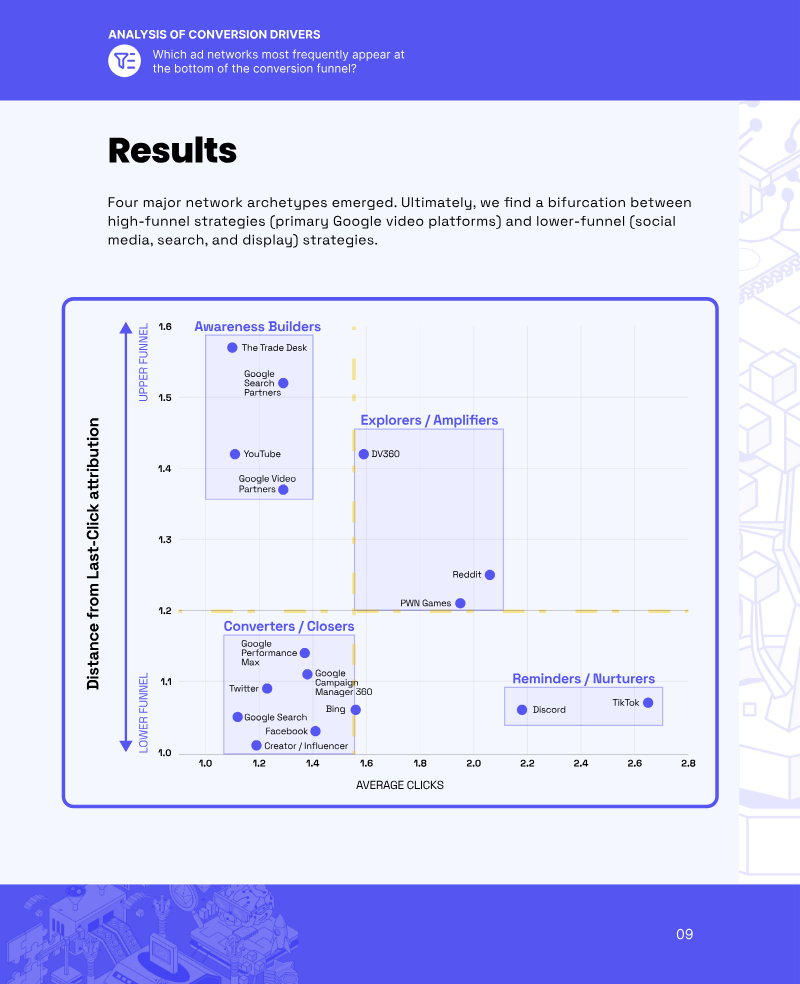
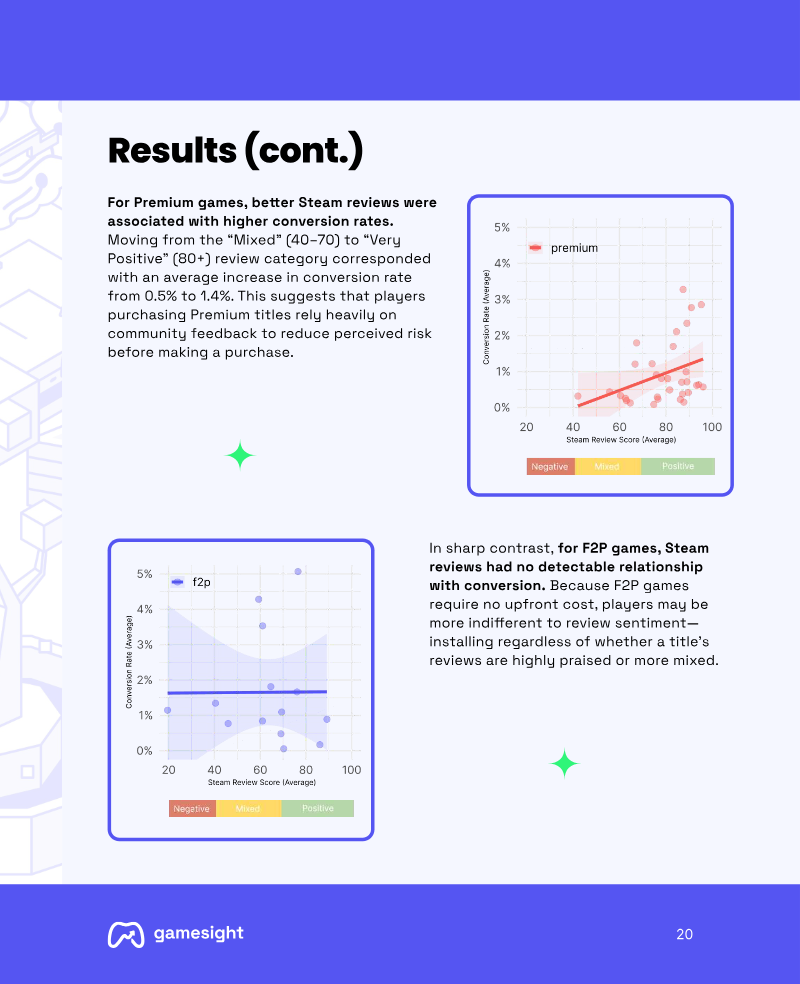
Gamesight · 2026

Mobile Dev Memo · 2026
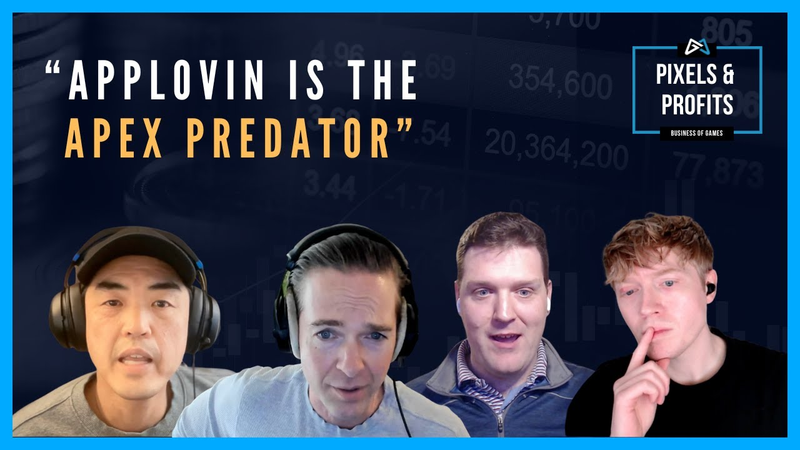
GameMakers · 2025
Two & a Half Gamers · 2024
Two & a Half Gamers · 2024
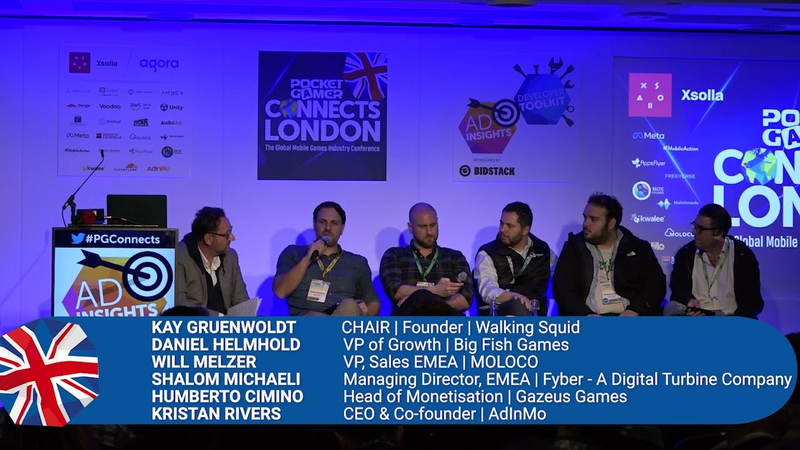
PocketGamer.biz · 2022
Tenjin · 2022

AudioMob · 2021