Magic: The Gathering
Game
Documents about Magic: The Gathering
Sony’s Good News, Discord’s Supervillain Arc, and No Hogwarts at Wizards | Games For Breakfast
The contemporary gaming industry is currently defined by a strategic tension between the successful revitalization of legacy intellectual property and the volatile challenges of maintaining live-service ecosystems.
- Sony’s recent State of Play event received positive reception, contrasting with the current industry trend of negative sentiment toward major publishers like Blizzard.
- Discord is facing significant user backlash regarding recent platform changes, leading to widespread cancellations of Nitro subscriptions and the disabling of their feedback site.
- Wizards of the Coast has officially confirmed there are no plans for Harry Potter-themed Magic: The Gathering cards, opting instead to focus on their existing intellectual property.
Fortnite’s Kid-Safe Kill Bill, Rising RAM Prices, and Weighing Pokemon Packs | Games For Breakfast
The current landscape of the gaming industry is defined by a tension between aggressive commercialization and the preservation of artistic integrity.
- Rising demand for AI-focused data centers is driving a surge in RAM prices, creating significant hardware accessibility barriers for PC enthusiasts and potentially shifting the market toward pre-built systems.
- The integration of mature intellectual properties like 'Kill Bill' into Fortnite is being criticized as a failure of transmedia strategy that prioritizes commercial skin sales over the thematic integrity of the source material.
- Embracer Group is currently divesting assets to resolve liquidity crises, while other developers like the Hypixel team are reclaiming creative control over long-term projects such as Hytale.
$55,000,000,000 Buyout , Bowser’s Nintendo Retirement, & Game Showcase Roundup | Games For Breakfast
The gaming industry is currently navigating a period of profound structural and strategic transformation, characterized by aggressive corporate consolidation and the rapid expansion of intellectual property crossovers.
- A consortium led by the Saudi Public Investment Fund and Silver Lake has proposed a $55 billion acquisition to take Electronic Arts private, raising concerns regarding debt-driven management and the potential degradation of creative output.
- Wizards of the Coast is aggressively expanding Magic: The Gathering by integrating high-profile intellectual properties like Marvel and Star Trek, a strategy aimed at growth that risks brand dilution and player fatigue.
- Nintendo of America president Doug Bowser is set to retire, marking a significant leadership transition for the hardware manufacturer.
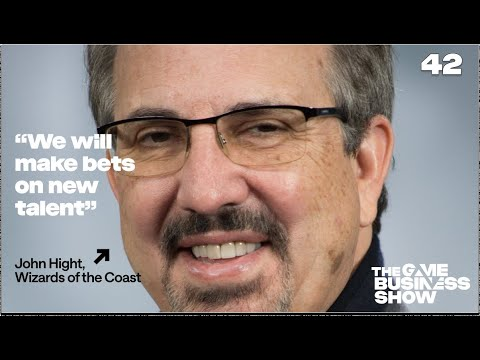
Wizards of the Coast will bet on new talent for future D&D and Magic video games
Wizards of the Coast is strategically pivoting toward becoming a major publisher of premium video games by leveraging its core intellectual properties, Dungeons & Dragons and Magic: The Gathering.
- Wizards of the Coast is pivoting to become a major publisher of premium video games by leveraging its Dungeons & Dragons and Magic: The Gathering intellectual properties.
- The company has partnered with the newly formed studio Giant Skull, led by industry veteran Stig Asmussen, to develop a new Dungeons & Dragons title.
- Wizards of the Coast is establishing a centralized content creation team to support studios with fantasy-focused art and world-building for projects developed in Unreal Engine 5.
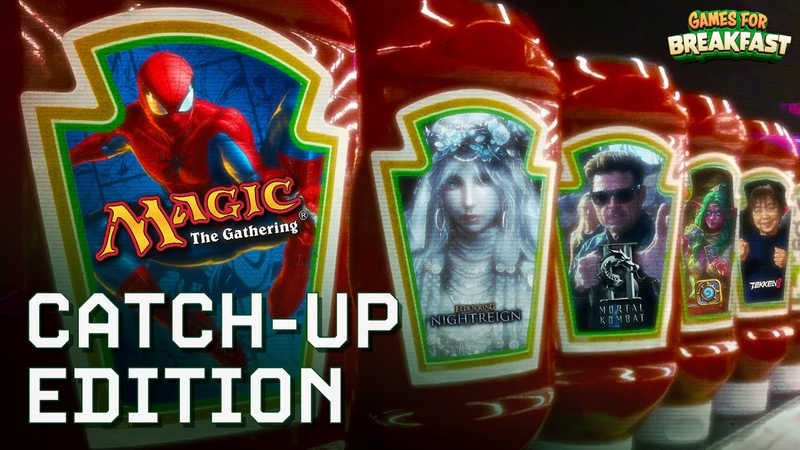
Magic is the New Fortnite, Xbox Backs Down on Prices and Nightreign gets Duos! | Games For Breakfast
The gaming industry is currently defined by a tension between aggressive intellectual property exploitation and a volatile shift toward AI-driven infrastructure.
- Wizards of the Coast is successfully leveraging 'Universes Beyond' crossovers to drive revenue, with the Final Fantasy set for Magic: The Gathering generating $200 million in a single day.
- Major gaming corporations are prioritizing AI integration and short-term profit optimization, leading to workforce instability and significant layoffs despite record profitability.
- Xbox has retracted plans for $80 price points on upcoming titles, signaling a strategic shift toward prioritizing brand ubiquity over aggressive hardware-based monetization.
Is AI about to transform video game tie-ins with movies and TV shows?
The modern entertainment landscape is undergoing a fundamental shift as intellectual property holders move away from treating video games as mere marketing appendages for film and television.
- Entertainment IP holders are shifting from using video games as marketing appendages to prioritizing high-quality, authentic gameplay that functions as a cohesive extension of a broader narrative universe.
- Studios are increasingly developing games and screen projects simultaneously by using shared creative teams and unified technological pipelines to ensure narrative consistency.
- The use of tools like Unreal Engine for both pre-visualization and final production is becoming the industry standard for maintaining emotional resonance across film, television, and gaming mediums.
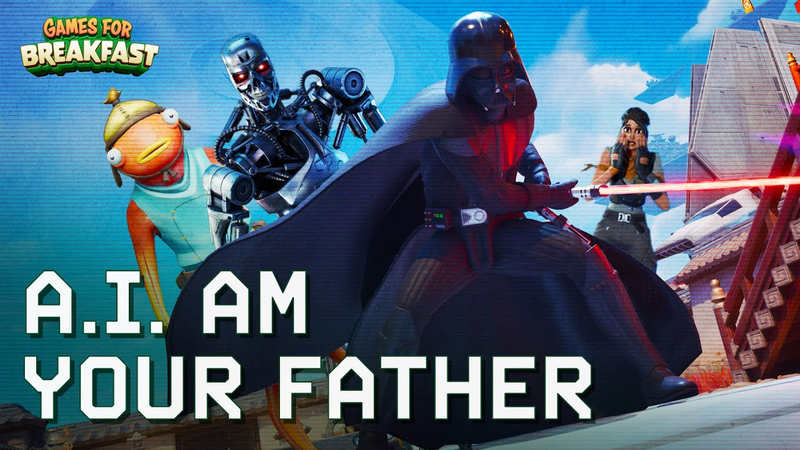
Fortnite Fumbles Darth Vader, Nic Cage as Madden & HBO drops MAX | Gaming News | Games For Breakfast
The gaming industry is currently navigating a period of significant transition, characterized by a tension between aggressive monetization strategies and the need for authentic creative integrity.
- The gaming industry is facing a critical tension between aggressive monetization and creative integrity, exemplified by premium pricing models in high-profile crossovers like Magic: The Gathering and Final Fantasy.
- The premature implementation of generative AI for voice acting in Fortnite has created significant reputational risks, highlighting that novelty cannot replace the immersion provided by professional human performance.
- Labor standards are shifting as workers at companies like Blizzard (Overwatch 2) and VFX departments successfully unionize, signaling a move toward improved labor relations despite ongoing industry-wide monetization pressures.
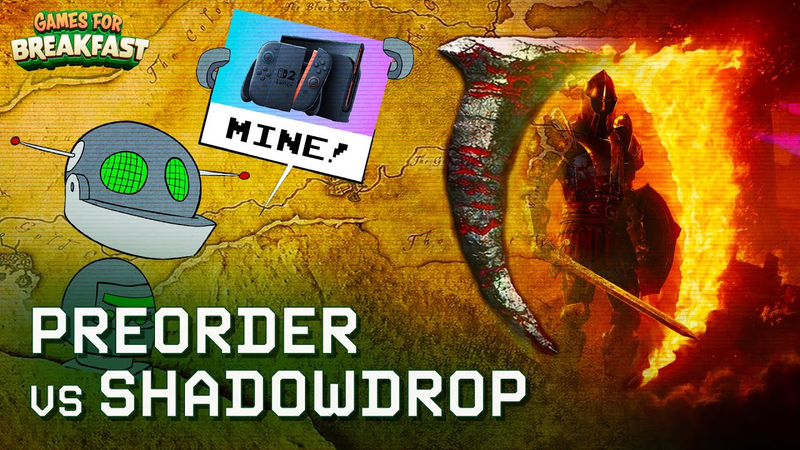
Oblivion’s Big Day, Switching 2 Better Preorders, and Healers On Strike! | Games For Breakfast
The gaming industry is currently navigating a period of significant structural and cultural transition, characterized by evolving monetization strategies, the complexities of intellectual property integration, and the persistent challenges of community management.
- Hardware manufacturers are implementing restrictive pre-order protocols, such as requiring long-term subscription histories, to mitigate the impact of automated scalping and retail infrastructure failures.
- The success of shadow-dropped remasters like Oblivion indicates that players currently prioritize nostalgic fidelity over significant mechanical overhauls.
- Integrating major external intellectual properties into established games like Magic: The Gathering creates a tension between attracting new demographics and risking the alienation of long-term players through lore dilution.
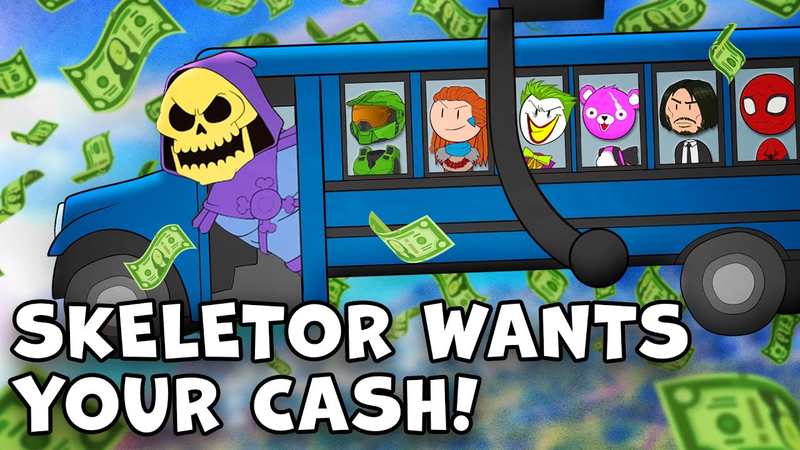
How Fortnite Crossovers Corrupted the Industry - Extra Credits Gaming
The modern gaming industry is increasingly prioritizing brand recognition and nostalgia-driven crossovers over the creation of immersive, holistic game worlds.
- The gaming industry is shifting focus from creating immersive, cohesive game worlds to prioritizing brand recognition and nostalgia-driven crossovers for short-term revenue.
- Fortnite’s business model has popularized the use of unthemed environments where disparate intellectual properties are integrated, effectively turning games into vehicles for advertising.
- The prioritization of business development over artistic integrity has led to the dilution of established franchises, as seen with the inclusion of Skeletor in Call of Duty and Marvel sets in Magic: The Gathering.
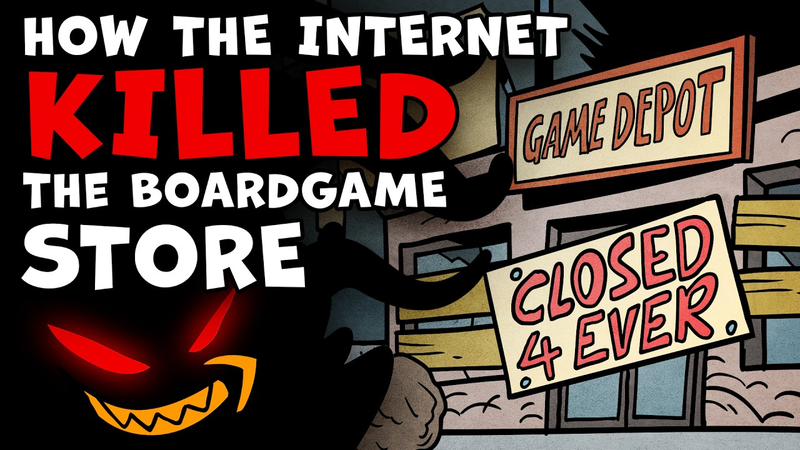
Internet Killed the Board Game Store - Extra Credits Gaming
The tabletop gaming industry has undergone a significant transformation since 2012, shifting from a model centered on independent hobby shops to one dominated by digital platforms, big-box retailers, and specialized cafes.
- The tabletop industry has experienced massive product saturation, with new annual game releases surging from 880 in 1990 and 1,265 in 2000 to 4,677 by 2019.
- Traditional Friendly Local Game Stores (FLGS) are struggling to compete with large online retailers that utilize superior bulk-buying power and exclusive distribution deals to undercut local pricing.
- Digital platforms like Magic: The Gathering Arena have contributed to the decline of physical retail by migrating significant segments of the player base away from in-person play.
Blizzard Lays Off Hearthstone Team Staff Amid Revenue Decline in China
Blizzard Entertainment recently implemented organizational changes resulting in the layoff of approximately 10 staff members from the Hearthstone team.
- Blizzard Entertainment laid off approximately 10 Hearthstone staff members following a broader trend of workforce reductions, including 50 esports division employees earlier in 2023.
- Hearthstone’s mobile revenue plummeted 57% between January and September 2023 compared to the same period in 2022.
- The revenue decline is primarily driven by the loss of the Chinese market following the termination of a 14-year licensing partnership with NetEase in January 2023.
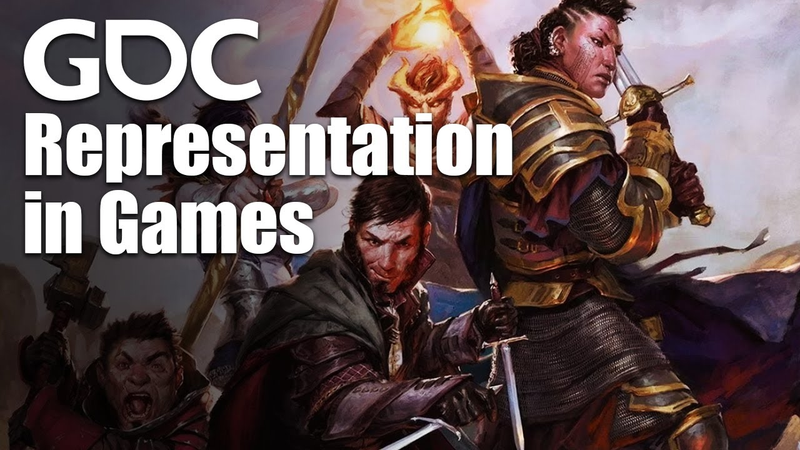
Building a Well-Rounded Party Fireside Chat: Wizards' Everyday Commitment to Representation in Games
Wizards of the Coast is actively reshaping its corporate strategy to prioritize inclusivity and accessibility as foundational pillars for the long-term health of the Magic: The Gathering and Dungeons & Dragons franchises.
- Wizards of the Coast has transitioned to a model of radical transparency, notably placing core system documents into Creative Commons to lower barriers for independent creators following the Open Game License controversy.
- The company’s focus on authentic cultural representation and inclusive storytelling has contributed to record-breaking financial performance, including a billion-dollar revenue year for the Magic: The Gathering franchise.
- Wizards of the Coast has achieved an even gender split within its global player base, a demographic shift that informs the company's ongoing product development and corporate strategy.
Companies behind it

As the documents state it.