
Dota 2
GameBy Valve · Released Jul 9, 2013
Reports and documents about Dota 2

Valve VP of Marketing Doug Lombardi Leaves Company After 22 Years
Doug Lombardi, the long-standing vice president of marketing at Valve, departed the company in February 2022 after a 22-year tenure.
- Doug Lombardi, Valve’s longtime VP of Marketing, departed the company in February 2022 after a 22-year tenure.
- Kaci Aitchison, who joined Valve full-time in 2019 after hosting various Dota 2 events, has succeeded Lombardi as the primary press contact.
- Valve is transitioning the Steam 'Discounts and Events' section from a manually curated calendar to an algorithmic, personalized feed, with a full rollout planned for early 2027.
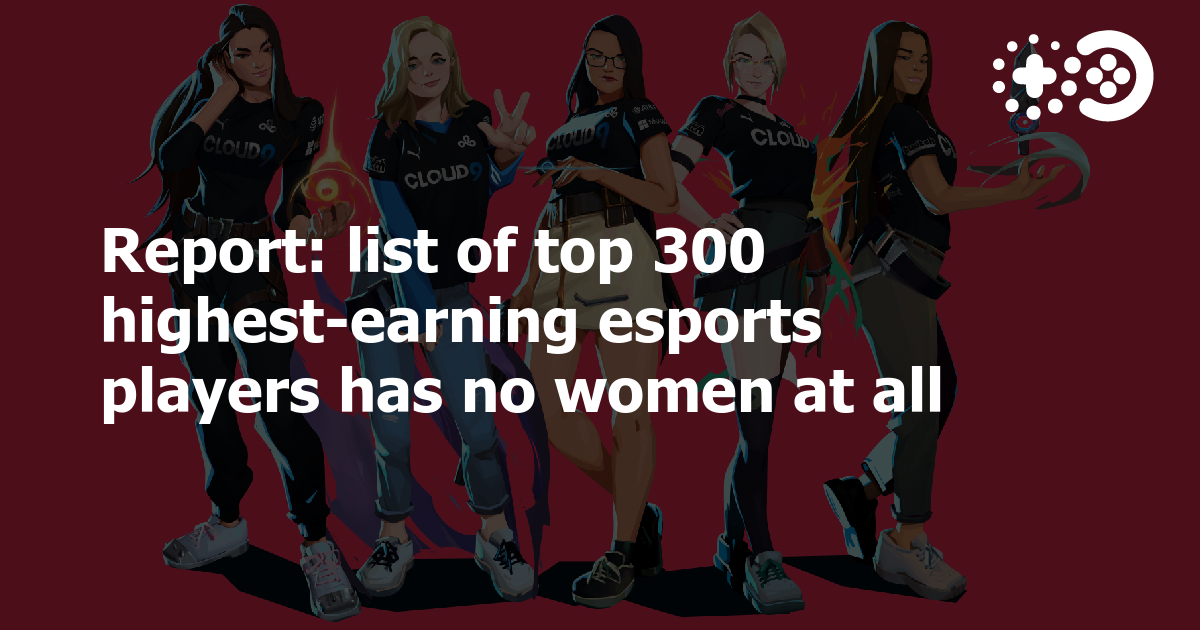
List of Top 300 Highest-Earning Esports Players Has No Women at All
The esports industry faces a significant gender disparity regarding professional earnings and representation at the highest levels of competition.
- No women are represented in the top 300 highest-earning esports players, with the first female player appearing at 338th place with $401,941 in career earnings.
- Women have earned only 0.002% of the $235 million awarded to professional Dota 2 players to date.
- China’s National Press and Publication Administration approved 15 foreign video games on June 5, 2024, including the mobile version of Riot Games' Valorant, titled 'Operation Primal'.

Twitch Kills Game Sales... but not equally! - Extra Credits
The impact of video game streaming on industry sales is a complex, multifaceted issue that presents both significant opportunities and distinct risks for developers.
- Streaming acts as both a discovery tool and a consumption substitute, with 40% of U.S. consumers purchasing a game after watching it, while 39% forgo a purchase because watching the stream provided sufficient satisfaction.
- Narrative-heavy, linear games are at the highest risk of lost sales, as viewers often feel they have experienced the core content without needing to play the game themselves.
- Competitive, puzzle, and creative-building games benefit from streaming, as these genres foster long-term community engagement and increased player spending, as evidenced by data from titles like League of Legends and Dota 2.

The New Face of Industry Events
This analysis explores the shifting landscape of the video game industry as it adapts to a post-pandemic environment, specifically focusing on the transition of major events like E3 and BlizzCon to virtual formats.
- Major publishers are seeing record digital growth, with Sony reporting $7.9 billion in quarterly earnings—64% of which came from digital content—and Ubisoft achieving its strongest quarter ever with over €1 billion in bookings.
- The shift from physical to virtual industry events has increased logistical efficiency and global reach, though it has removed traditional physical cues used to measure publisher strategic priorities.
- Game companies are increasingly leveraging transmedia storytelling to build player engagement, exemplified by Netflix’s adaptation of Valve’s Dota 2 and a broader industry focus on deep lore.
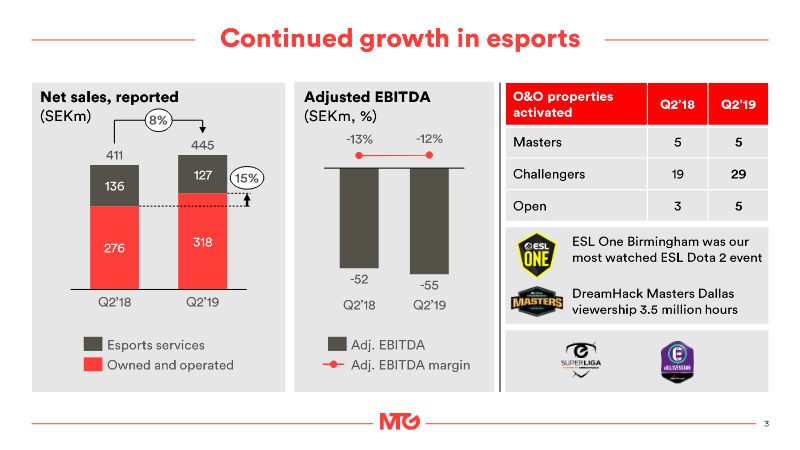
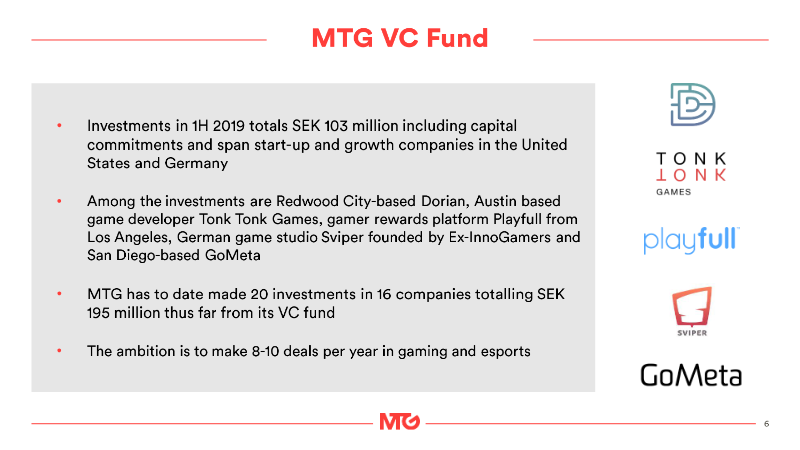

Modern Times Group Q2 2019 Financial Results
Modern Times Group demonstrated strong operational momentum during the second quarter of 2019, characterized by an 11 percent increase in reported sales and a significant improvement in profitability.
- Modern Times Group reported an 11% increase in total sales for Q2 2019, with its core esports and gaming verticals achieving a combined 14% growth.
- The gaming division grew sales by 19% with an adjusted EBITDA margin of 29%, driven largely by mobile gaming and the title Forge of Empires, which surpassed EUR 500 million in lifetime revenue.
- The divestment of Nova in April generated SEK 1.8 billion in cash, bringing the company's total cash balance to SEK 2.1 billion to fund future strategic acquisitions.

How to win in eSports! | Evil Geniuses eSports Head Coach Aaron "Gotcha" Chung
Evil Geniuses, a premier professional esports organization founded in 1999, maintains a long-standing reputation for competitive excellence across titles such as Dota 2, Call of Duty, Rainbow Six Siege, and Rocket League.
- Evil Geniuses maintains competitive excellence through a rigorous regimen of 35 to 40 hours of weekly team practice, scrimmages, and systematic gameplay analysis.
- Professional esports success is increasingly tied to holistic player development, emphasizing rest, nutrition, and physical well-being to sustain cognitive performance.
- The esports industry is experiencing significant financial growth, with major tournament prize pools for titles like Dota 2 reaching as high as $20 million.
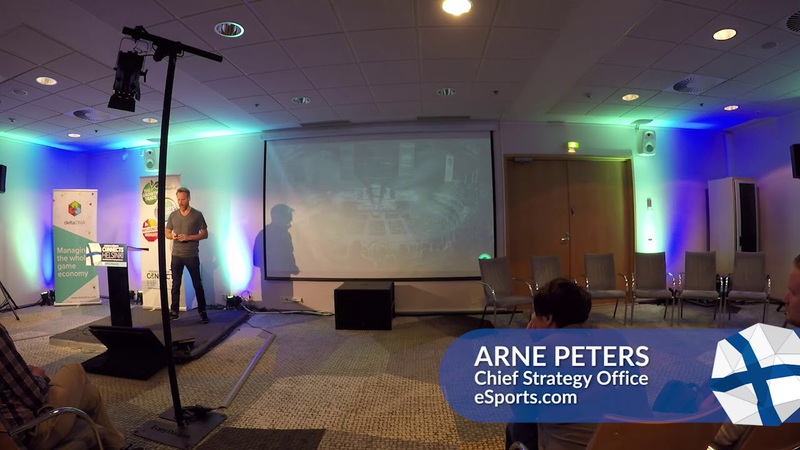
The evolution of esports
The evolution of esports reflects a transition from decentralized, grassroots LAN parties to a highly professionalized global entertainment industry.
- Esports has transitioned from decentralized, grassroots LAN parties into a professionalized global industry characterized by team structures, media rights monetization, and non-endemic brand investment.
- Long-term industry sustainability requires the development of amateur and collegiate tiers, which serve as the foundational club structures necessary to mirror traditional athletic models.
- Developers cannot artificially force a game into the esports category; a title must first achieve commercial success and organic community engagement to be considered a viable spectator sport.

Steam: What Sells - What Steam's Player Numbers Tell Us About Game Genres - Extra Credits
This analysis examines Steam player engagement data to identify trends across various game genres and titles.
- Multiplayer shooters are the most dominant genre on Steam, occupying nine of the top eleven spots in terms of lifetime player counts.
- Pricing strategies under $20 are highly effective for driving player acquisition, even though free-to-play models do not exclusively dominate the top tier.
- Survival games benefit from a cross-pollinating player base, indicating that fans of this genre are willing to experiment with multiple titles rather than sticking to one ecosystem.


An Overview of Esports in Europe: December 2017
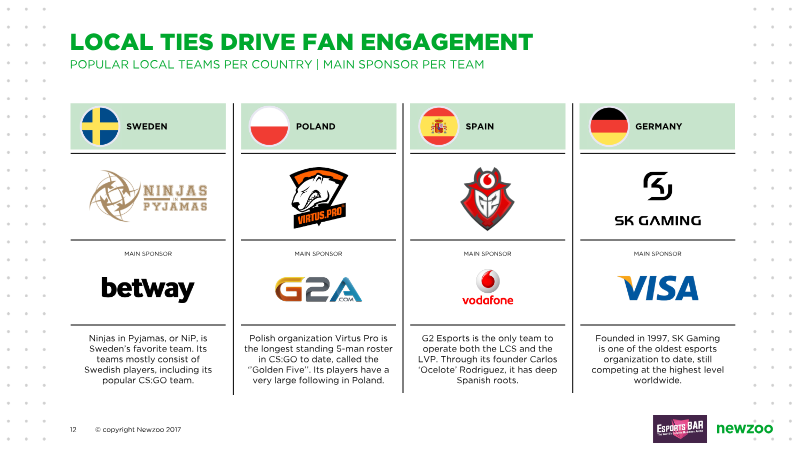
The European esports market is currently transitioning from an adolescent phase toward a mature, multi-billion-dollar industry.
- Europe is a major global esports hub, accounting for 32% of total global esports revenues and hosting over 70 million viewers in 2017.
- The European esports economy is growing rapidly, with total revenues projected to reach $403 million in 2017 and a CAGR of 32.3% expected between 2015 and 2020.
- Media rights revenue in Europe is a primary growth driver, forecasted to increase by more than 500% between 2016 and 2020.
The key trends and regions driving mobile eSports
The mobile eSports landscape is experiencing rapid growth, driven by a shift toward accessible, spectator-friendly titles and increasing investment from major brands.
- The mobile eSports industry is valued at approximately $696 million, with nearly $500 million generated through brand sponsorships, advertising, and media rights.
- Professional organizations including Fnatic and Immortals are entering mobile leagues, indicating a maturation of the sector beyond traditional PC-dominated titles like League of Legends and Dota 2.
- Mobile eSports viewership is increasingly spectator-focused, with 40% of enthusiasts watching competitive games they do not personally play.

Humane Design - Games Must Be Good to Their Players - Extra Credits
Game design carries a profound responsibility to treat players as human beings rather than mere revenue-generating engines.
- Game design should prioritize intrinsic player enjoyment over exploitative, habit-forming mechanics like Skinner boxes that treat users as revenue-generating engines.
- Successful titles such as Minecraft and Dota 2 demonstrate that long-term profitability and player loyalty are better achieved through genuine engagement rather than addictive loops.
- Designers should intentionally incorporate exit points and avoid punishing players for attending to real-world responsibilities to foster a healthier relationship with the audience.



NEXON Q3 2013 Earnings Call
Nexon achieved significant financial growth during the third quarter of 2013, reporting revenues of ¥39.9 billion and operating income of ¥16.2 billion.
- Nexon reported Q3 2013 revenue of ¥39.9 billion and operating income of ¥16.2 billion, marking year-over-year growth of 64% and 53% respectively.
- Financial performance was driven by strong monetization in core titles like MapleStory and Dungeon&Fighter, alongside favorable foreign exchange tailwinds from a weakening Japanese yen.
- The company is undergoing a strategic transition toward the mobile sector, which currently operates at lower margins than its established PC business.