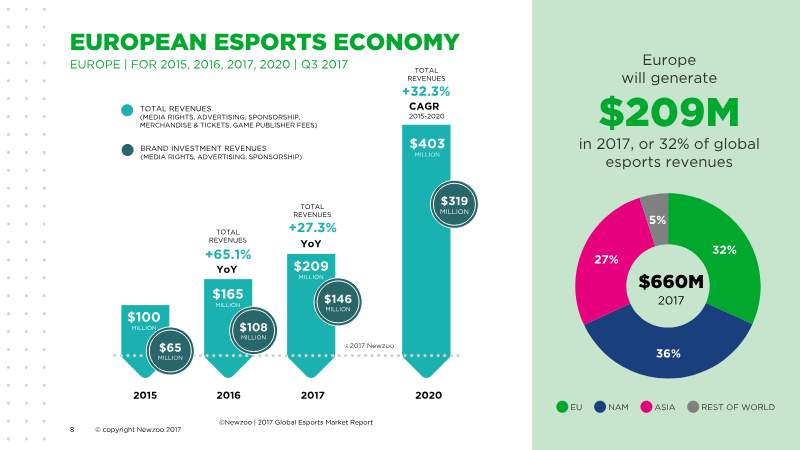
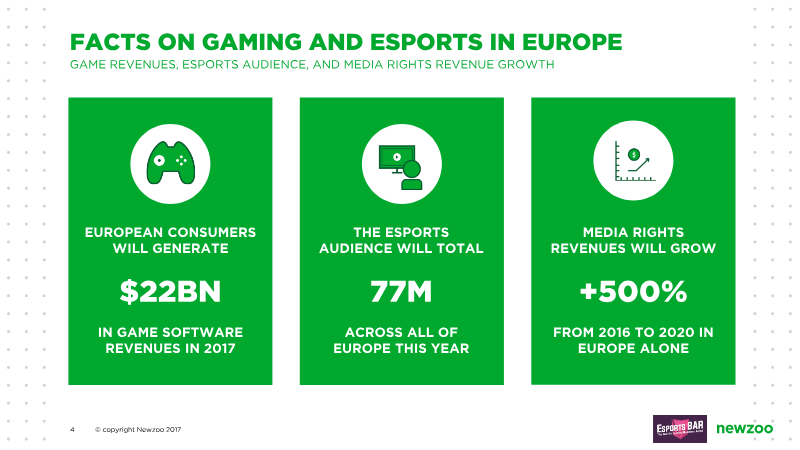
The region accounts for 32% of total global esports revenues. It also hosts over 70 million viewers in 2017.
Total revenues are projected to reach $403 million in 2017. A CAGR of 32.3% is expected between 2015 and 2020.
This revenue stream is forecasted to increase by more than 500% between 2016 and 2020.
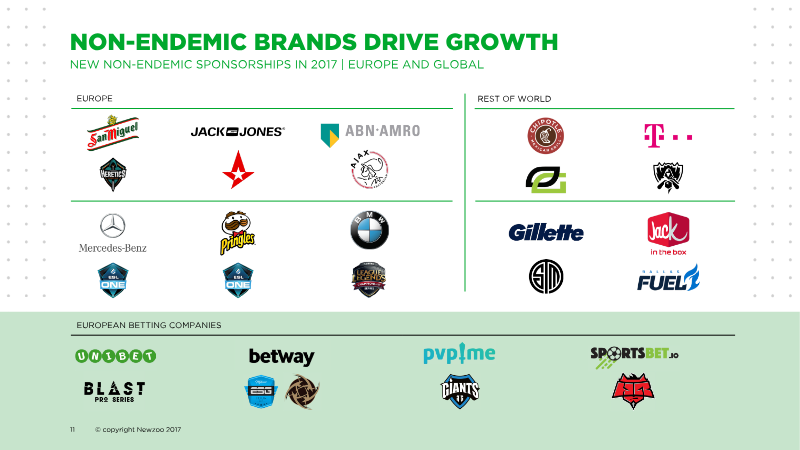
Brands like Mercedes-Benz, Gillette, and various betting companies are driving sponsorship growth.
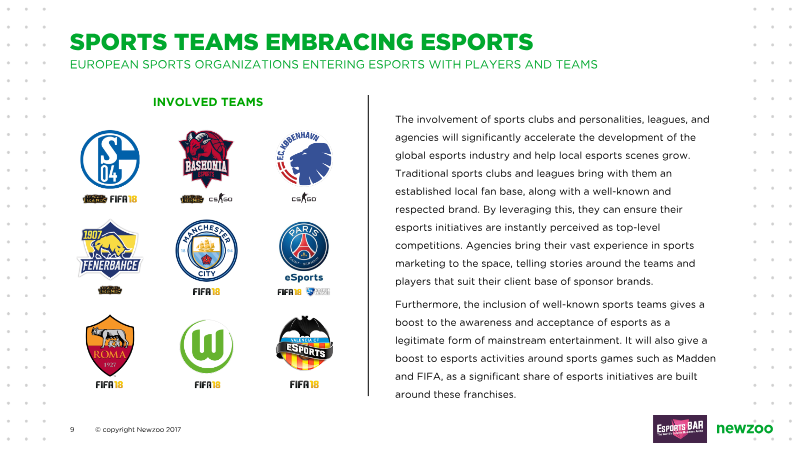
Clubs like FC Schalke 04, Fenerbahçe, and AS Roma leverage established fan bases. This boosts the legitimacy of the industry.
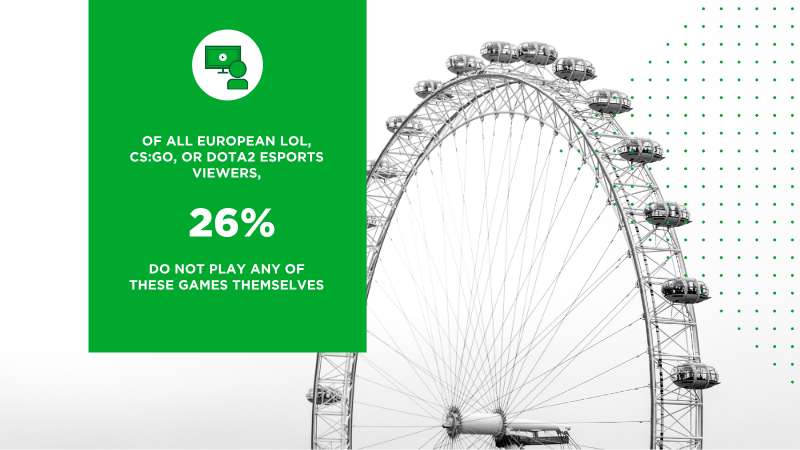
26% of all European LoL, CS:GO, and Dota 2 esports viewers do not play these games themselves.
It's like watching a professional sport without playing it yourself.
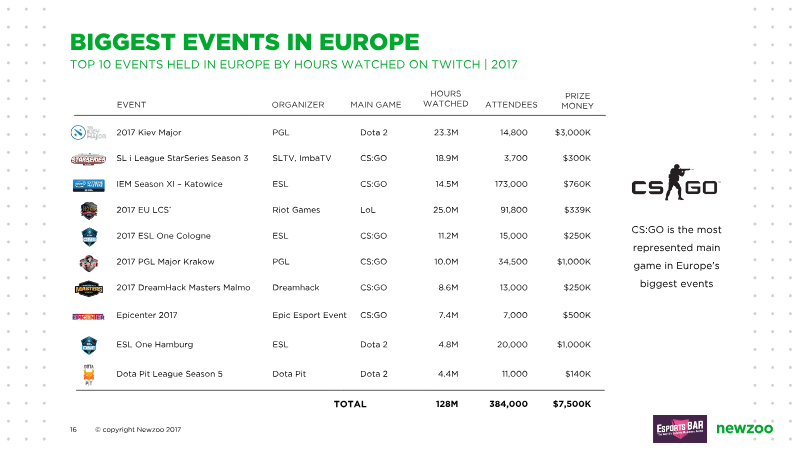
It represents the majority of the top 10 events by hours watched on Twitch in 2017.
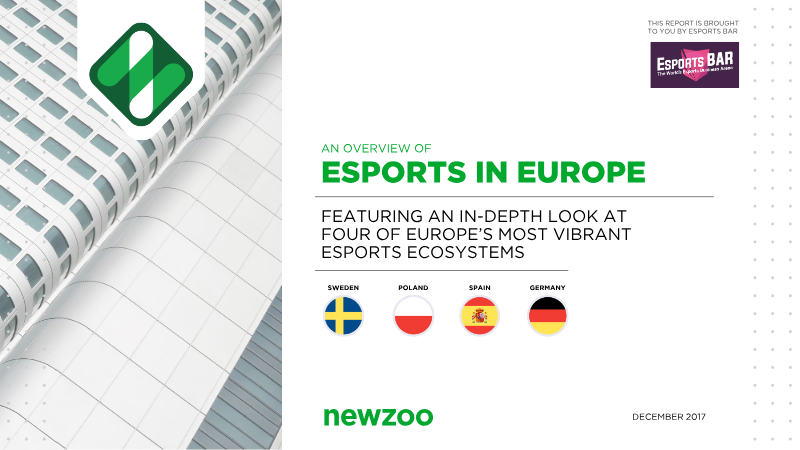
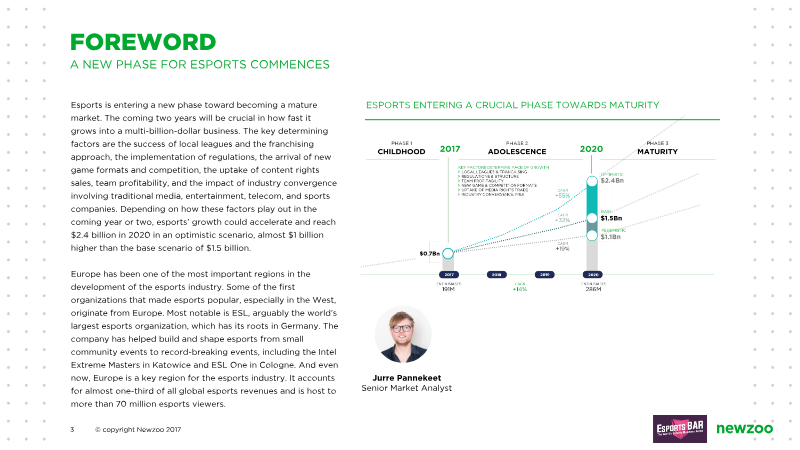
The European esports market is currently transitioning from an adolescent phase toward a mature, multi-billion-dollar industry. As of late 2017, Europe serves as a foundational region for the global sector, accounting for approximately one-third of total global esports revenues and hosting an audience of over 70 million viewers. The industry’s trajectory is heavily influenced by the implementation of local leagues, franchising models, and increasing convergence with traditional media, entertainment, and telecommunications sectors. Projections suggest that European esports revenues could reach $403 million by the end of 2017, with a compound annual growth rate of 32% expected through 2020.
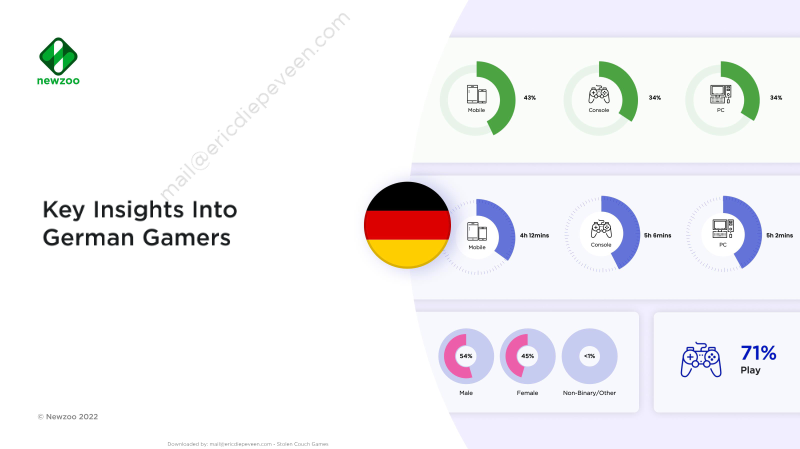
The analysis focuses on four key European ecosystems—Germany, Poland, Spain, and Sweden—each characterized by a strong PC gaming legacy and distinct cultural nuances that dictate fan engagement. These markets demonstrate the importance of local heroes and professional teams in driving viewership and sponsorship interest. Notably, the integration of traditional sports organizations into the esports space has accelerated mainstream acceptance, while non-endemic brands, such as Mercedes-Benz and various betting companies, are increasingly driving revenue growth through new sponsorship deals.
Methodologically, the findings rely on market data and consumer insights to profile the European esports landscape. The data highlights that 26% of European viewers for major titles like League of Legends, CS:GO, and Dota 2 do not actively play these games, indicating a shift toward esports as a standalone form of entertainment. Major events, such as the Intel Extreme Masters in Katowice and ESL One in Cologne, serve as critical hubs for fan engagement and brand exposure. Ultimately, the industry’s future growth depends on the successful monetization of content rights and the ability of stakeholders to leverage granular consumer data to reach diverse, localized audiences across the continent.