Saudi Arabia reports and market data
24 game industry reports, presentations and talks about saudi arabia from writers such as PocketGamer.biz, Naavik and Deconstructor of Fun, newest from 2026. Every document has a summary and key insights with the page they come from, and 140 charts and tables are extracted as data.
Key figures
Savvy Games Group ranks as the eighth-largest global gaming company by net revenue and serves as the primary vehicle for Saudi Arabia’s goal to contribute $13.3 billion to GDP and create 39,000 jobs by 2030.
Savvy Games Group, 2025 · Annual Report 2024: Savvy Games Group, p. 31
Saudi Arabia captured 51% of all MENA Web3 venture capital funding in Q1 2024, totaling $429 million across 163 deals.
Adaverse, 2024 · State of Web3 in Saudi Arabia, p. 14
Documents

Gaming in 2027 Just Got Worse, EA Now A Foreign Asset & FFXIV Gets Classy | Games For Breakfast
The global gaming industry is currently navigating a period of significant structural instability, characterized by severe hardware supply constraints, shifting corporate ownership models, and evolving regulatory challenges.
- Electronic Arts (EA) has been sold to Saudi Arabian interests, a move analysts predict will lead to long-term cultural decline and financial instability for the company.
- The gaming industry is experiencing significant labor instability, with current estimates suggesting a 50% reduction in workforce volume across the sector.
- A new financial support fund, the United Video Game Workers fund, has been established to assist developers impacted by industry layoffs, though it is currently restricted to North American residents in the US and Canada.
EA sells to Saudi, GTA games on mobile, plus Palworld Online, Roblox, Apple, Claude, data and more
The mobile games industry is currently navigating a period of significant structural and technological transition, marked by major acquisitions, shifting market dynamics, and the integration of generative AI.
- Electronic Arts has been acquired by a Saudi-led consortium, primarily the Public Investment Fund (93.4%), in a deal valued at $5.5 billion that closed on August 4, 2026.
- Roblox shares fell 27-30% following Q2 2026 results where revenue grew 36% to $1.5 billion, but bookings growth slowed to 8% and the company faced market skepticism over its shifting monetization strategy.
- GTA titles on mobile have generated $109.9 million in lifetime revenue across iOS and Android, while competitors like Chillbase's 'One State RP' have captured significant market share with over $75 million in revenue since April 2022.
Retailer warns of GTA console stock shock. Plus, why is Russian propaganda still on Steam?
The global gaming industry is currently navigating a period of significant structural transition, characterized by supply chain volatility and a fundamental shift in investment philosophy.
- Retailers anticipate severe hardware shortages during the launch of Grand Theft Auto 6, reflecting a broader industry shift toward digital-only distribution and premium pricing models.
- State actors including Russia, China, and Saudi Arabia are increasingly using gaming ecosystems as geopolitical tools to exert soft power and influence international narratives.
- Russia is actively utilizing the limited moderation policies on platforms like Steam to disseminate state-backed propaganda to vulnerable user demographics.
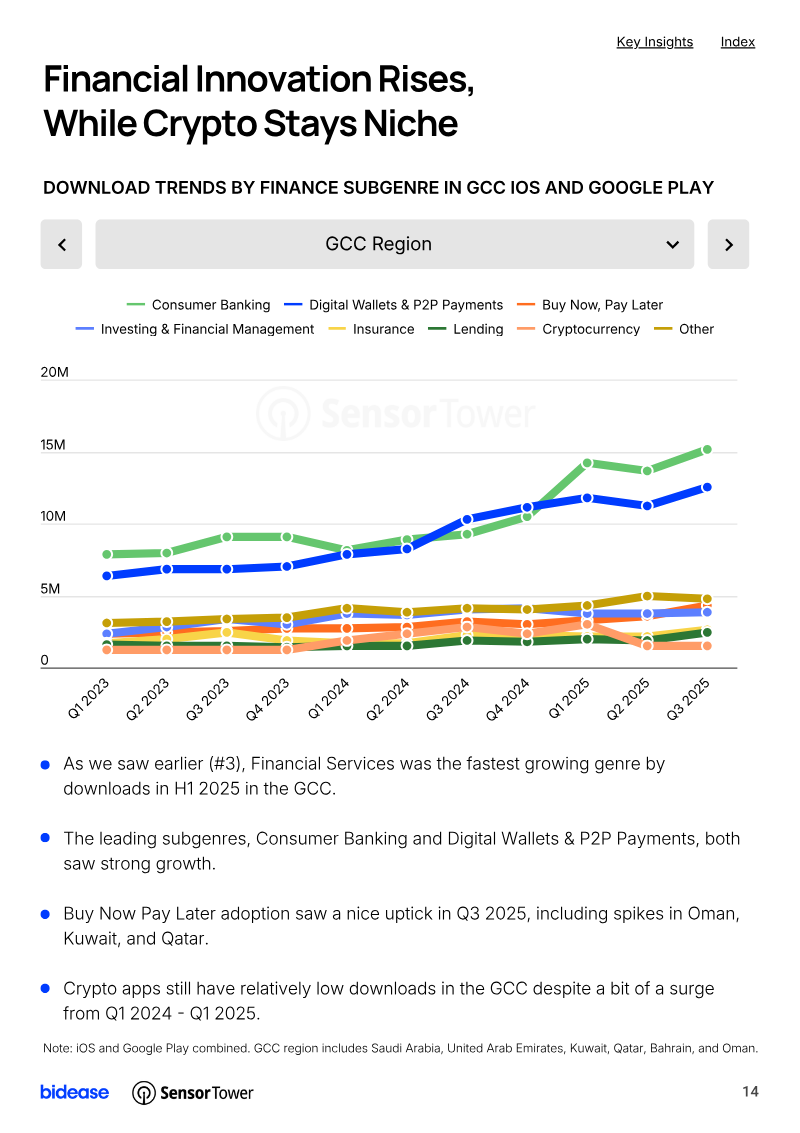
The 2025 Middle East App Growth Report
The Middle East mobile application market is currently outpacing global benchmarks, characterized by a 2.6 percent year-over-year increase in downloads and in-app purchase revenues surpassing 700 million dollars as of the second quarter of 2025.
- The Middle East mobile app market shows strong growth with a 2.6% year-over-year increase in downloads and Q2 2025 in-app purchase revenues exceeding $700 million.
- AI-powered software applications are a primary growth driver, recording a 77% surge in revenue.
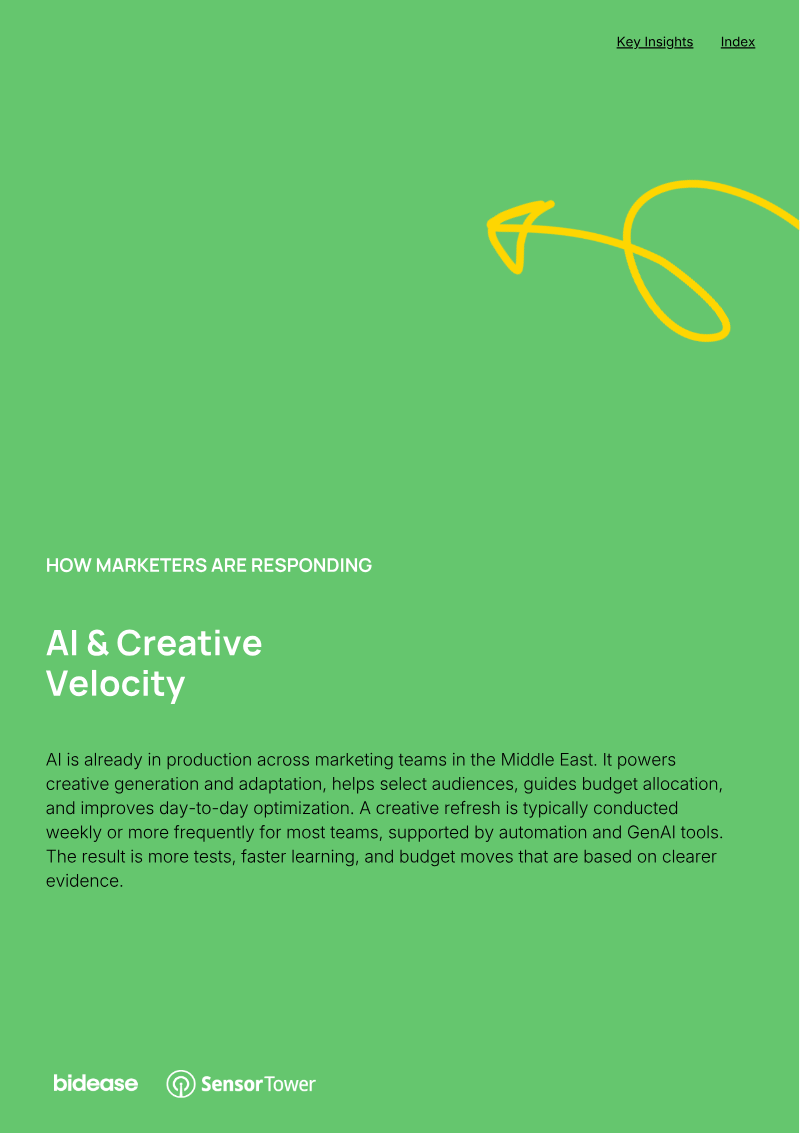
- Over one-third of mobile marketing professionals in the region now utilize AI tools to optimize performance and accelerate creative production.

Pokémon Poop & All the Gaming Stories Z-A Blocked Up | Games For Breakfast
The contemporary gaming landscape is defined by a tension between established franchises, platform-level mismanagement, and the aggressive monetization of player behavior.
- Major franchises like Pokémon are experiencing development stagnation, prioritizing iterative quality-of-life updates over innovation due to a lack of competitive pressure.
- The gaming industry is facing increased regulatory scrutiny, particularly from the European Union, regarding predatory monetization models like loot boxes and multi-currency systems.
- Twitch is struggling with systemic operational failures, including inadequate event security and a lack of substantive platform feature updates.
Why Did EA Really Sell for $55B? The Truth Wall Street Missed (ft. Zynga's Former M&A Chief)
The acquisition of Electronic Arts by Saudi Arabia’s Public Investment Fund for $55 billion represents a strategic shift toward private ownership, designed to insulate the publisher from the volatility and short-term performance pressures of public markets.
- Saudi Arabia’s Public Investment Fund (PIF) acquired Electronic Arts for $55 billion to transition the company into a private entity, insulating it from the short-term performance pressures of public markets.
- The acquisition is a long-term strategic investment rather than a leveraged buyout, prioritizing transmedia expansion of EA’s sports intellectual property and growth in Asian markets over immediate operational restructuring.
- The deal aims to provide the capital stability necessary for long-term innovation and riskier development cycles that are typically stifled by quarterly earnings expectations.
EA Goes Private and Playstation State of Play Review | Roundtable News | 369
The gaming industry is undergoing a fundamental structural transformation characterized by a shift toward private equity ownership and a retreat from experimental development.
- The potential acquisition of EA by a consortium including Saudi Arabia's Public Investment Fund, Silver Lake, and Affinity Partners is valued at approximately $55 billion.
- The gaming industry is experiencing a significant shift in development talent and cost efficiency, with Asian developers increasingly producing high-quality, competitive titles that challenge the dominance of Western studios.
- Major publishers like EA are facing intense scrutiny regarding their lack of recent hit titles and the ongoing impact of widespread industry layoffs on their workforce stability.

Week in Mobile Games E67 - The $55bn EA acquisition unpacked
The acquisition of Electronic Arts by Saudi Arabia’s Public Investment Fund, in partnership with Silver Lake and Affinity Partners, marks a transformative $55 billion shift in the gaming landscape.
- Electronic Arts is set to be acquired by an investor consortium led by Saudi Arabia's Public Investment Fund, Silver Lake, and Affinity Partners in an all-cash deal valued at $55 billion, with closure expected in the 2027 financial year.
- EA's mobile division has seen revenue decline for two consecutive years, with recent performance falling below pandemic-era highs despite the company having launched over 50 mobile titles in the last decade.
- Genshin Impact's mobile revenue has declined annually since its launch, with year five generating approximately $500 million, which is half of the revenue recorded in year four.
TWIG #351 EA Acquisition Analysis That Will Shock You...
Microsoft’s gaming division is currently navigating a period of significant strategic recalibration, marked by rising hardware costs, diminished retail presence, and a fundamental retreat from its aggressive subscription-led growth model.
- A consortium led by Saudi Arabia’s Public Investment Fund, Silver Lake, and Affinity Partners has acquired Electronic Arts in a $55 billion leveraged buyout, the largest transaction in gaming industry history.
- The EA acquisition is structured with $19 billion in debt, but is considered sustainable due to EA’s high profitability and the PIF’s capital reserves, signaling a long-term strategy to establish Riyadh as a global gaming hub.
- Microsoft is pivoting away from its 'growth-at-all-costs' subscription model by increasing Game Pass pricing and restricting day-one releases, reflecting the unsustainability of its previous strategy amid hardware stagnation.

Annual Report 2024: Savvy Games Group
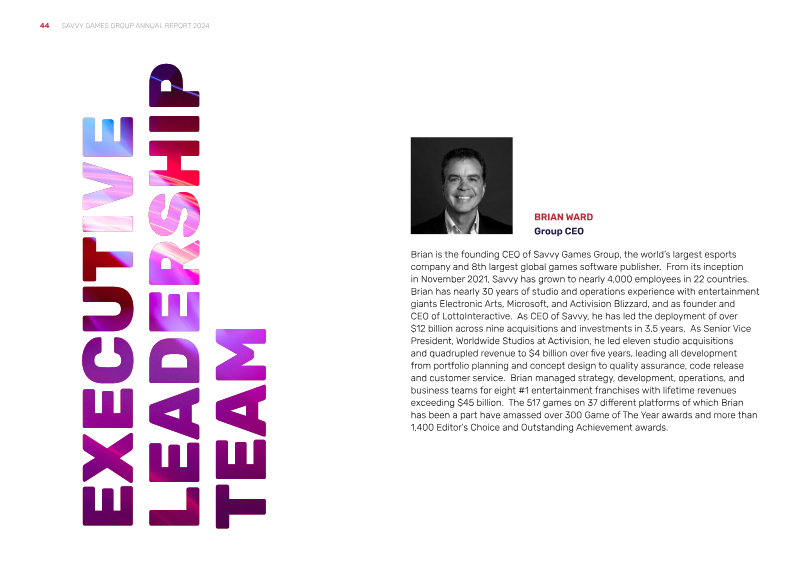
Savvy Games Group has established itself as a premier global force in interactive entertainment, currently ranking eighth worldwide by net revenue.
- Savvy Games Group ranks as the eighth-largest global gaming company by net revenue and serves as the primary vehicle for Saudi Arabia’s goal to contribute $13.3 billion to GDP and create 39,000 jobs by 2030.
- The organization has deployed over $12 billion in capital across nine major acquisitions since 2021 to scale its operations to nearly 4,000 employees across 22 countries.
- The ESL FACEIT Group holds a 40% share of the global esports market and engages more than 225 million users through platforms like the Esports World Cup.

Week in Mobile Games E63 - The Esports World Cup unpacked and lightning strikes twice for Supercell
The global mobile gaming landscape is currently defined by a strategic shift toward long-term player retention and the professionalization of esports.
- AppLovin maintains a dominant market position in mobile monetization, reporting a 77% year-over-year revenue increase as it competes with Unity’s new Vector AI ad platform.
- The Saudi Arabian gaming market is projected to reach $6.8 billion in consumption by 2030, driven by government-backed initiatives and the professionalization of mobile esports.
- Supercell’s Clash Royale achieved its most lucrative month in nearly eight years, highlighting the continued revenue potential of revitalizing established intellectual property.
Exploring the $70M Esports World Cup
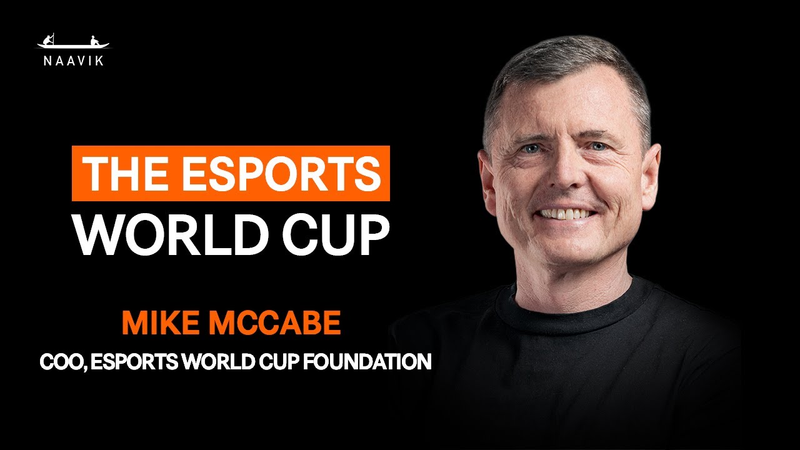
The Esports World Cup serves as a central pillar of Saudi Arabia’s Vision 2030, functioning as a non-profit initiative designed to catalyze the global gaming industry’s transition into a mainstream, sustainable entertainment sector.
- The Esports World Cup features a record-breaking $70 million prize pool across 25 tournaments, serving as a primary initiative within Saudi Arabia’s Vision 2030.
- The event utilizes a club-based competitive model involving over 200 clubs to move the industry toward a more sustainable, professionalized infrastructure.
- A dedicated club support program currently provides direct assistance to 40 participating teams to ensure long-term ecosystem health.