This analysis explores the shifting landscape of the video game industry as it adapts to a post-pandemic environment, specifically focusing on the transition of major events like E3 and BlizzCon to virtual formats. The central thesis suggests that while digital events offer logistical efficiencies for business transactions and announcements, they lack the physical "marketing spend" cues—such as booth size and placement—that analysts traditionally use to gauge a publisher’s strategic priorities. Despite the loss of in-person networking, the virtualization of the industry has streamlined demos and global reach, though it presents new challenges for production quality and audience engagement.
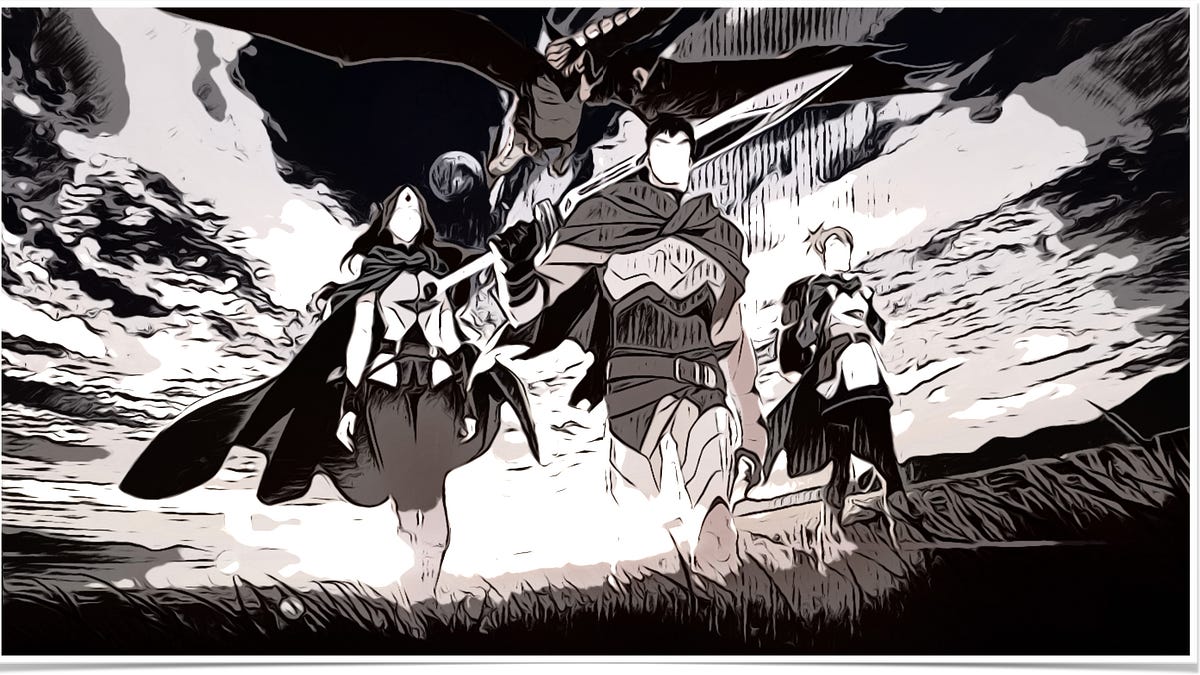
The scope of the commentary is global, covering major industry players in North America, Europe, and Asia during the early 2021 period. Key findings highlight a thriving Polish development scene, evidenced by the success of titles like The Medium and the economic growth of the region. Additionally, the industry is seeing a convergence with traditional media, as evidenced by Netflix’s adaptation of Valve’s Dota 2 and the success of adult-oriented animation. This trend reflects a strategic move by game companies to cultivate deep lore and emotional connections with players through transmedia storytelling.
Financial data from the 2020 earnings season underscores a period of significant growth and digital transformation. Sony reported $7.9 billion in quarterly earnings, with digital content accounting for 64% of revenue, while Ubisoft achieved its strongest quarter ever with over €1 billion in bookings. The rise of user-generated content is highlighted by Roblox’s impending IPO and its potential to diversify industry revenue models. Conversely, the analysis notes corporate instability at GameStop and legal friction between Apple and Valve, suggesting that while the industry is expanding, it faces ongoing tensions regarding data transparency and corporate governance.
SuperJoost · 2026

SuperJoost · 2026
SuperJoost · 2026
SuperJoost · 2026

SuperJoost · 2026

SuperJoost · 2026
SuperJoost · 2026

SuperJoost · 2026

SuperJoost · 2026
SuperJoost · 2026

SuperJoost · 2026
SuperJoost · 2026

AAA Agency · 2025
Sensor Tower · 2025
Video Game Insights · 2025

Sensor Tower · 2025
Ubisoft · 2026

Almedia · 2026
GameAnalytics · 2026

Gamesight · 2026

SocialPeta · 2026
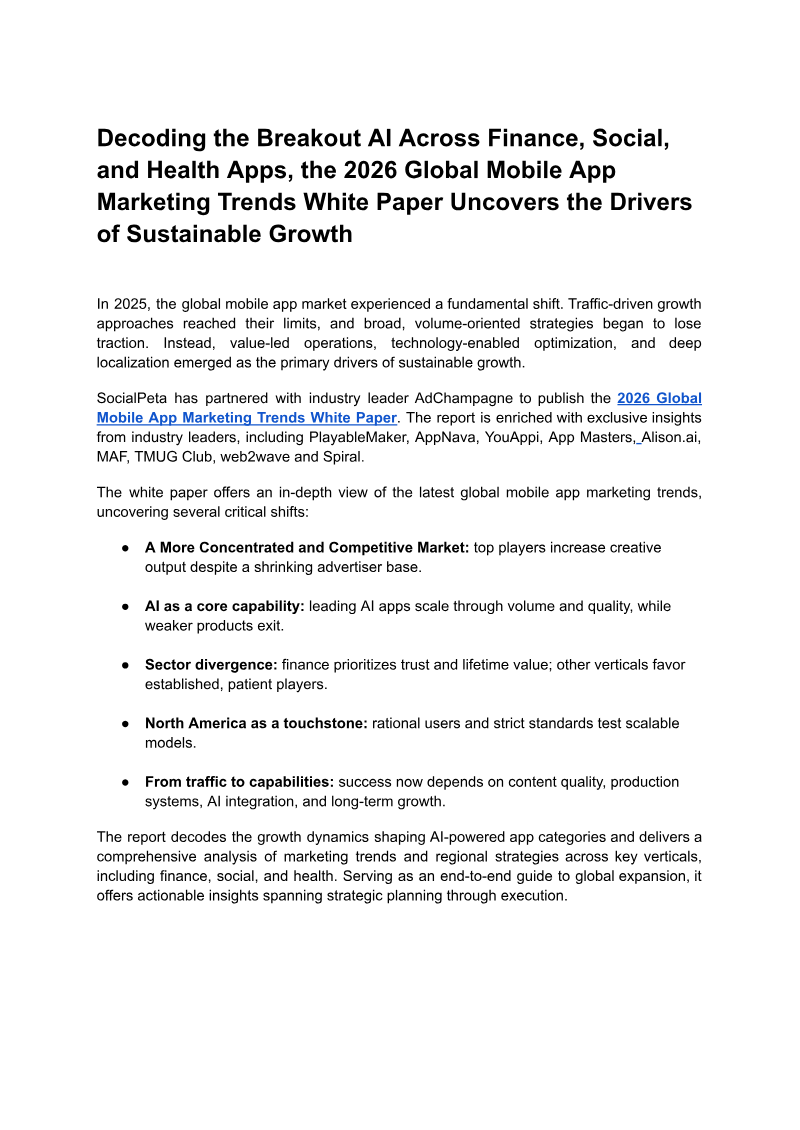
SocialPeta · 2026
Anzu · 2026
Newzoo · 2026