Donkey Kong
Game
Documents about Donkey Kong

What's behind the success of Japan's big video game companies?
The global video game industry is currently undergoing a significant period of rationalization, shifting away from aggressive, broad-market expansion toward operational efficiency and disciplined resource allocation.
- Japanese industry leaders like Capcom and Konami are achieving record-high share prices and robust financial performance by prioritizing existing intellectual property over chasing fleeting industry trends.
- The global gaming industry is shifting from aggressive, broad-market expansion toward operational efficiency and disciplined resource allocation to combat market volatility.
- Success is increasingly driven by a strategy of scarcity and high-quality, fan-centric content rather than inflating production budgets or over-extending project scales.
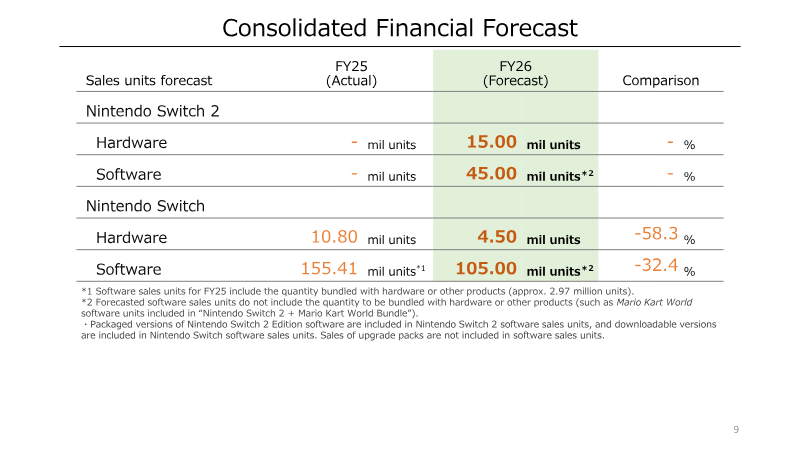
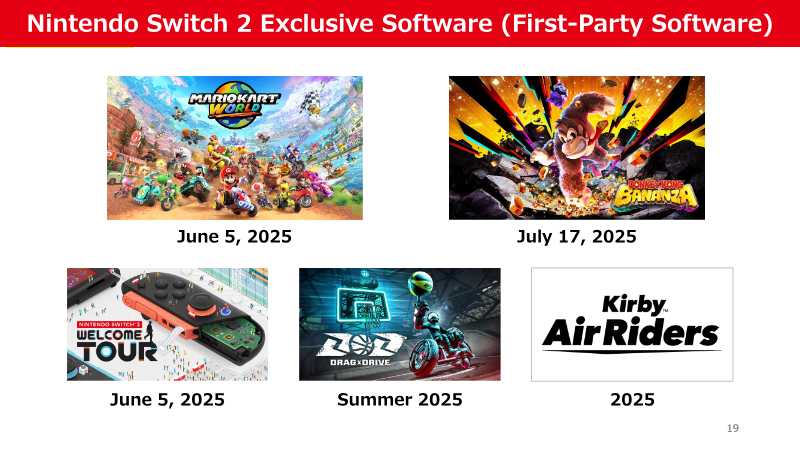
Financial Results Explanatory Material Fiscal Year Ended March 2025
Nintendo's results for the fiscal year ended March 2025 (April 2024 to March 2025) show a sharp decline in a late-lifecycle year for the Switch, ahead of the Switch 2 launch on June 5, 2025.
- Nintendo projects a fiscal recovery for the year ending March 2026, forecasting 1,900.0 billion yen in net sales and 320.0 billion yen in operating profit.
- The company will launch the Nintendo Switch 2 hardware on June 5, 2025, to revitalize its core dedicated video game platform segment.
- Fiscal year 2025 performance saw significant contraction, with net sales falling 30.3% to 1,164.9 billion yen and operating profit dropping 46.6% to 282.5 billion yen.

Is Nintendo Switch 2 a legitimate rival to Xbox and PlayStation this time? | Here’s The Dring
The Nintendo Switch 2 represents a significant shift in Nintendo’s market positioning, moving from a peripheral, family-focused console toward a more direct competitor with the PlayStation and Xbox ecosystems.
- The Nintendo Switch 2 is shifting strategy to compete directly with Xbox and PlayStation by supporting high-fidelity third-party titles like Call of Duty, Madden, and Elden Ring.
- Nintendo is targeting the 'time-poor' adult demographic, aiming to establish the Switch 2 as an essential secondary console for core gamers who prioritize portability and flexibility.
- Nintendo has successfully evolved its core franchises—including Mario, Zelda, and Animal Crossing—into diversified entertainment pillars that span movies, merchandise, and theme parks.
Week in Mobile Games E48 - Nintendo Switch 2 release date reaction & Tencent's bizarre Ubisoft deal
The Nintendo Switch 2 is positioned to redefine the console market upon its June 5th launch, carrying a base price of $450.
- The Nintendo Switch 2 is scheduled for a June 5th launch with a $450 base price, featuring 4K output, 120fps support, 256GB storage, magnetic Joy-Cons, and face-tracking cameras.
- Tencent has increased its strategic influence over Ubisoft through a $1.25 billion investment structure, reflecting a broader industry trend of consolidation.
- Market analysts project the Nintendo Switch 2 platform will generate $7 to $8 billion in total content potential.
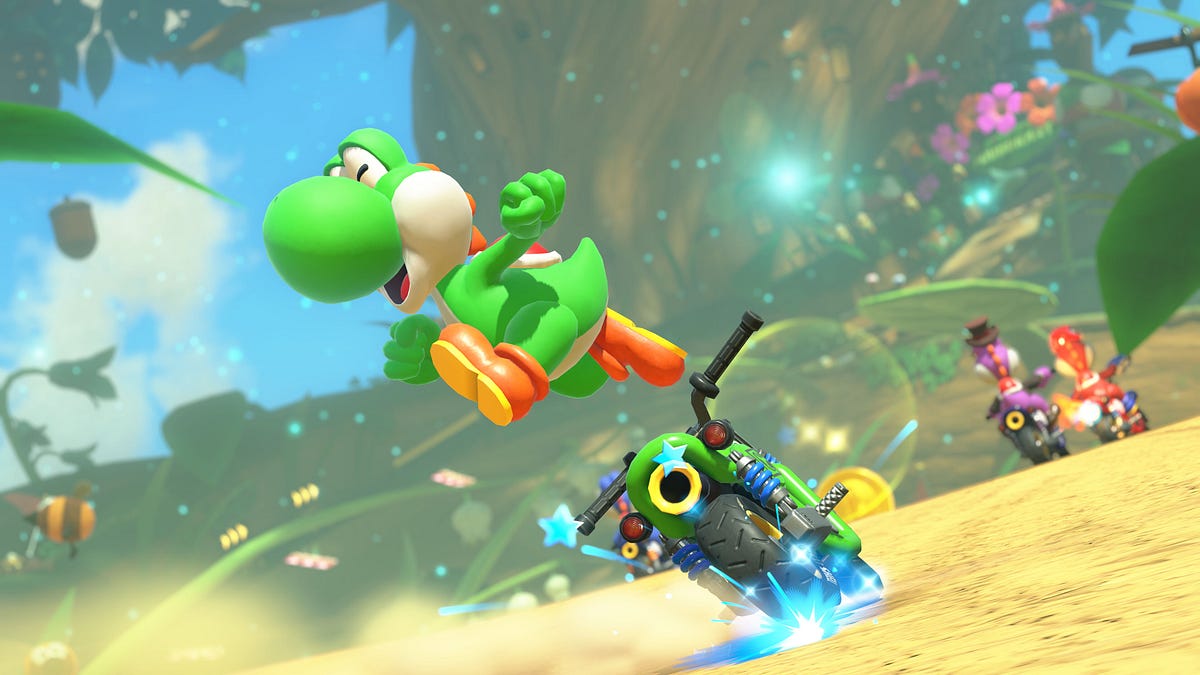
Switched On: April 3, 2025
The official unveiling of the Nintendo Switch 2 serves as the primary focus of this industry analysis, which evaluates the console’s potential to revitalize a stagnant gaming market.
- The Nintendo Switch 2 launches at a base price of $449, with a $499 bundle option, creating a potential barrier to adoption for the brand's traditionally family-oriented consumer base.
- Hardware specifications include a 7.9-inch 1080p display, magnetic Joy-Con 2 controllers with mouse-like functionality, and 4K docked performance, supported by a new Discord-integrated GameChat service.
- The software launch strategy features first-party titles like a new 3D Donkey Kong and Mario Kart World, alongside third-party support including Cyberpunk 2077, Street Fighter 6, and the exclusive From Software title The Duskbloods.


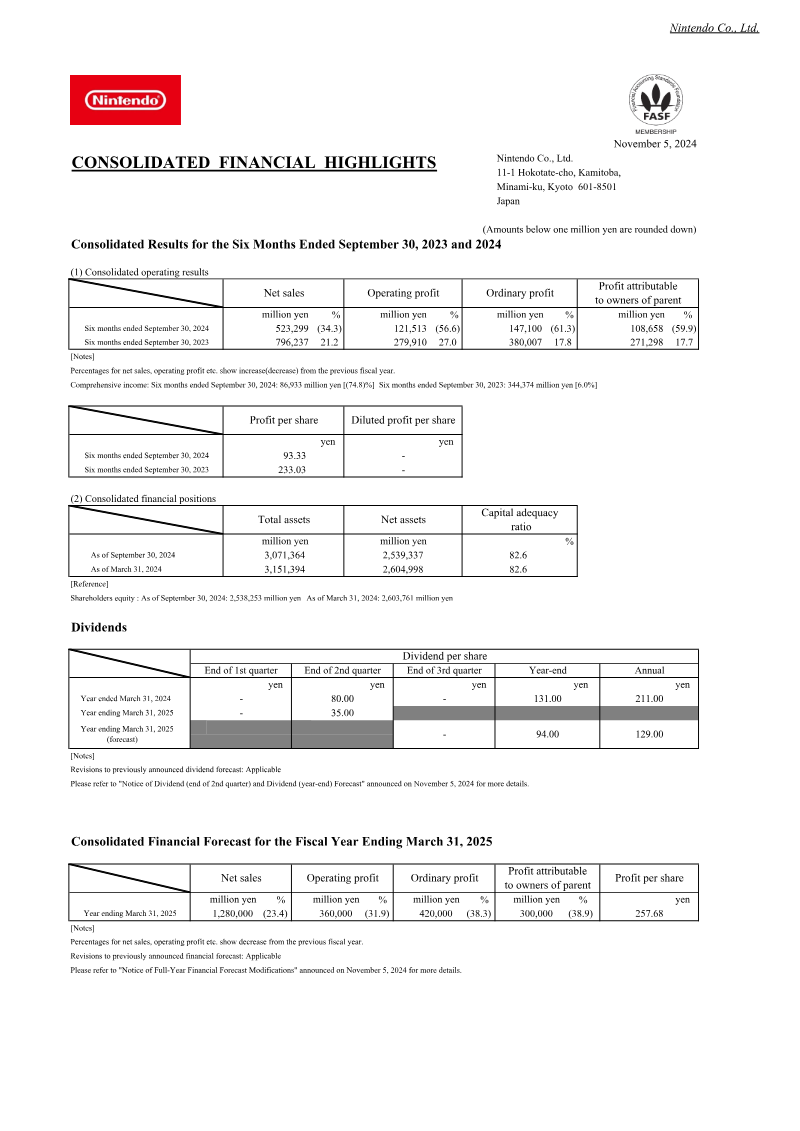
Consolidated Financial Highlights: Six Months Ended September 30, 2024
Nintendo's consolidated results for the six months ended September 30, 2024 show a sharp year-on-year decline, driven largely by a tough comparison with the prior-year period, which was lifted by The Legend of Zelda: Tears of the Kingdom and The Super Mario Bros.
- Nintendo reported a significant downturn for the first half of the fiscal year ending September 30, 2024, with net sales falling 34.3% to 523.2 billion yen and operating profit dropping 56.6% to 121.5 billion yen.
- Management has revised its full-year outlook downward, now projecting annual net sales of 1.28 trillion yen and an operating profit of 360 billion yen, representing year-on-year declines of 23.4% and 31.9% respectively.
- The Nintendo Switch hardware sales declined 31% to 4.72 million units, while software sales fell 27.6% to 70.28 million units as the platform enters its eighth year.

GDC Summer Concert - insaneintherain
This performance, presented as part of the GDC Summer virtual event, showcases the work of multi-instrumentalist and content creator Carlos Eiene, known professionally as insaneintherainmusic.
- Video game music is evolving into a modern equivalent of the traditional jazz songbook, establishing itself as a legitimate genre for serious musical arrangement and academic exploration.
- Multi-instrumentalist Carlos Eiene (insaneintherainmusic) demonstrates that game soundtracks can be successfully reinterpreted through complex stylistic lenses like Latin jazz and contemporary fusion.
- The performance highlights the versatility of game music by arranging tracks from diverse titles including Deltarune, Donkey Kong Country, Hollow Knight, Pokémon Diamond and Pearl, Sonic Mania, and Xenoblade Chronicles 2.

PGC 2020 Sessions @ PGC LONDON - Oscar Clark
The evolution of the video game industry is framed through the metaphorical lens of cake, representing the addictive and pervasive nature of interactive entertainment.
- The gaming industry has evolved from a niche hobby into a multi-billion dollar global sector that now competes directly with traditional media industries like film and music.
- Technological milestones, specifically the introduction of Java-based mobile gaming and the 2008 launch of smartphone-based distribution, were the primary catalysts for democratizing access to digital entertainment.
- The industry’s growth model has shifted toward a cycle of consumption driven by social gaming, microtransactions, and deep brand integration.

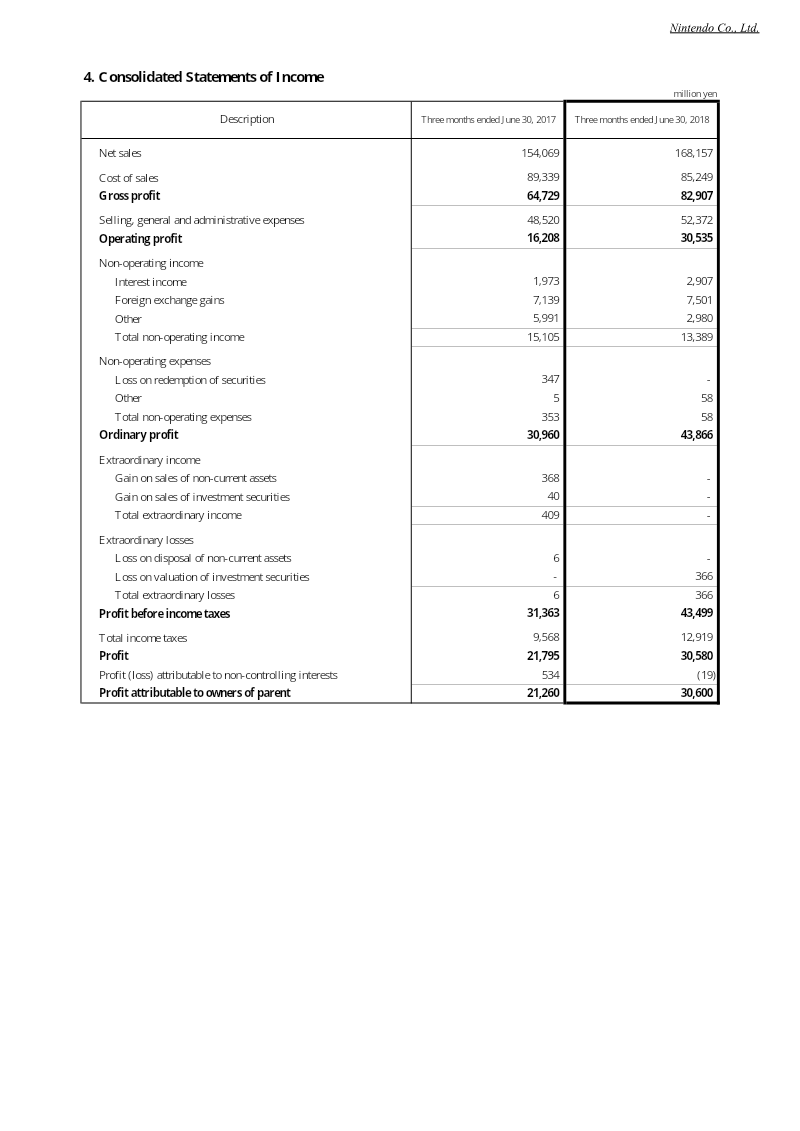
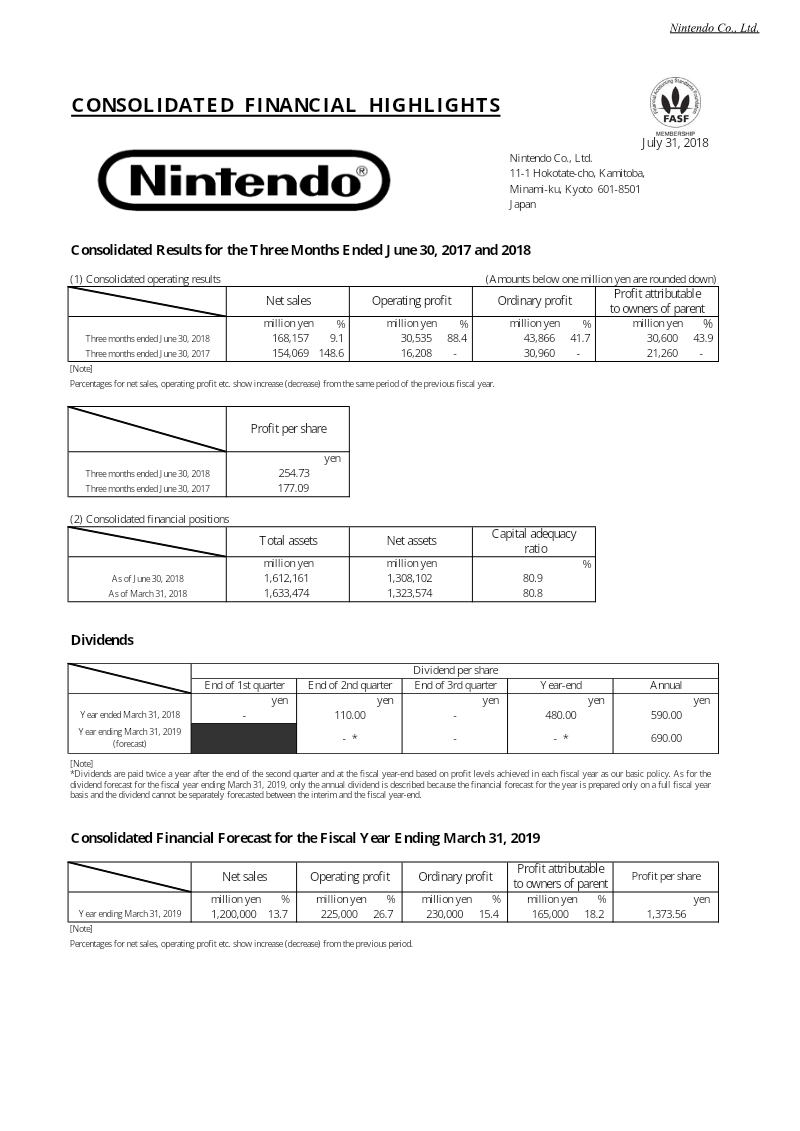
Nintendo Consolidated Financial Highlights: Three Months Ended June 30, 2018
Nintendo’s consolidated financial results for the first quarter of the fiscal year ending March 31, 2019, demonstrate strong growth driven by the continued momentum of the Nintendo Switch platform.
- Nintendo's net sales for the quarter ended June 30, 2018 rose 9.1% year-on-year to 168.1 billion yen, while operating profit jumped 88.4% to 30.5 billion yen.
- Profit attributable to owners of the parent reached 30.6 billion yen, up 43.9% year-on-year, indicating strong bottom-line growth.
- Nintendo Switch software sales hit 17.96 million units, a 120.8% increase over the prior year, making the Switch the primary growth driver.

Will Nintendo be successful making mobile games?
Nintendo’s March 2015 decision to enter the mobile gaming market through a partnership with DeNA marks a significant strategic shift for the company.
- In March 2015, Nintendo shifted its long-standing policy of exclusive hardware development to enter the mobile gaming market through a strategic partnership with DeNA.
- The move was prompted by the declining performance of the Wii U and 3DS consoles, which led to Nintendo’s first period of financial losses in decades.
- Nintendo aims to leverage its iconic intellectual property, such as Mario, Donkey Kong, and Pokémon, to reverse its financial trajectory on smart devices.

Designing the Designer
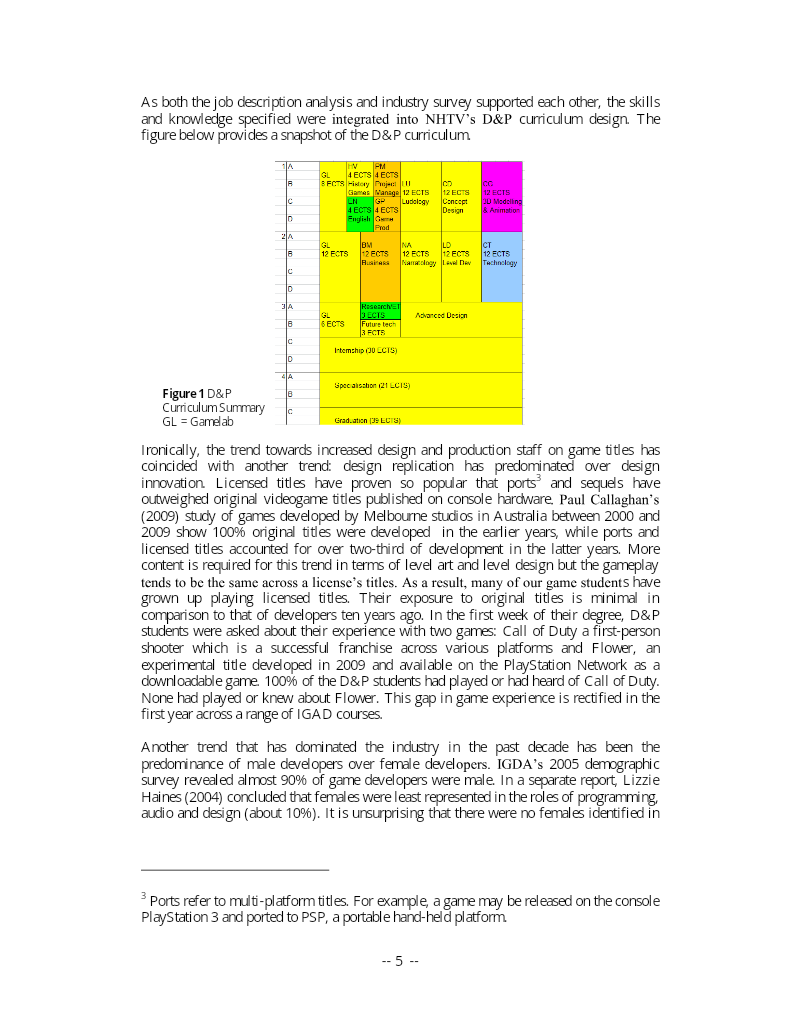
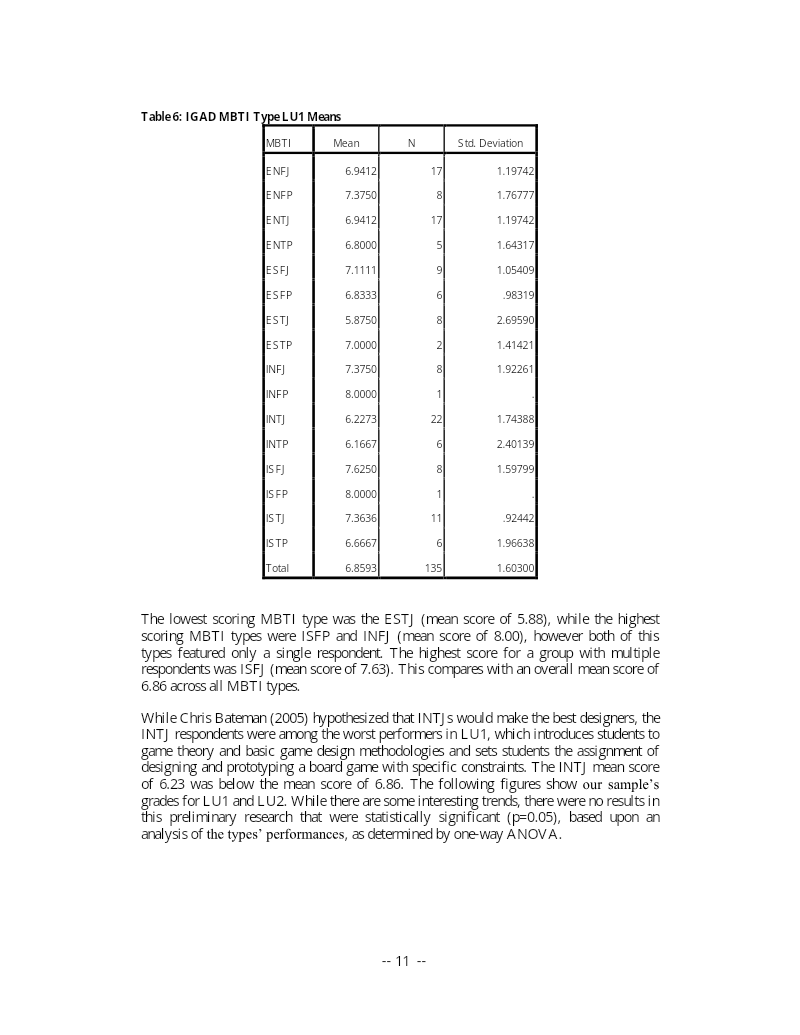
"Designing the Designer" examines whether the personality profiles and player preferences of game design and production students and professionals reveal meaningful patterns about who becomes a designer and how those tendencies shape the games they make.
Around Sigeru Miyamoto: Enactment of "Creator" on Computer Games
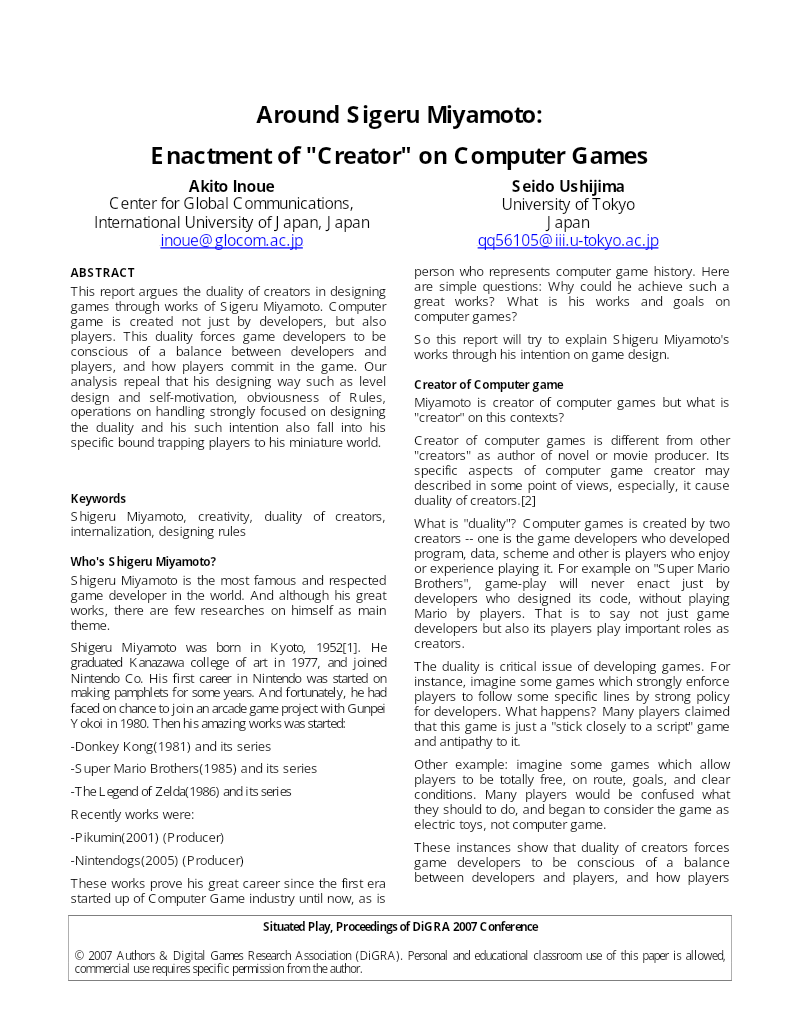
This paper examines the work of Shigeru Miyamoto through the lens of the "duality of creators," the idea that computer games are authored jointly by developers, who build the program and rules, and by players, whose engagement completes the work.
- Miyamoto's design rests on a 'duality of creators': developers build the program and rules, while players complete the work through their engagement, and his designs aimed to make players feel creative while subtly shaping how they play.
- Miyamoto introduced challenges in staged progression (remembering, then practicing, then applying a mechanic) and favored rules players could absorb without conscious effort rather than treating player freedom as unqualified good.
- Miyamoto's stated preference for 'golf-type' games with clear, immediately understood goals over 'baseball-type' games with complex rule sets is presented as a deliberate choice that shapes how play becomes internalized.
Companies behind it

As the documents state it.