Key insights
6 slides
Key number
The Nintendo Switch 2 launches at a base price of $449.
A $499 bundle option is also available. This pricing creates a potential barrier to adoption for the brand's traditionally family-oriented consumer base.
What changed
The hardware introduces a 7.9-inch 1080p display and magnetic Joy-Con 2 controllers.
The controllers feature mouse-like functionality. The console also supports 4K docked performance and a new Discord-integrated GameChat service.
Launch lineup
The software strategy features first-party titles alongside significant third-party support.
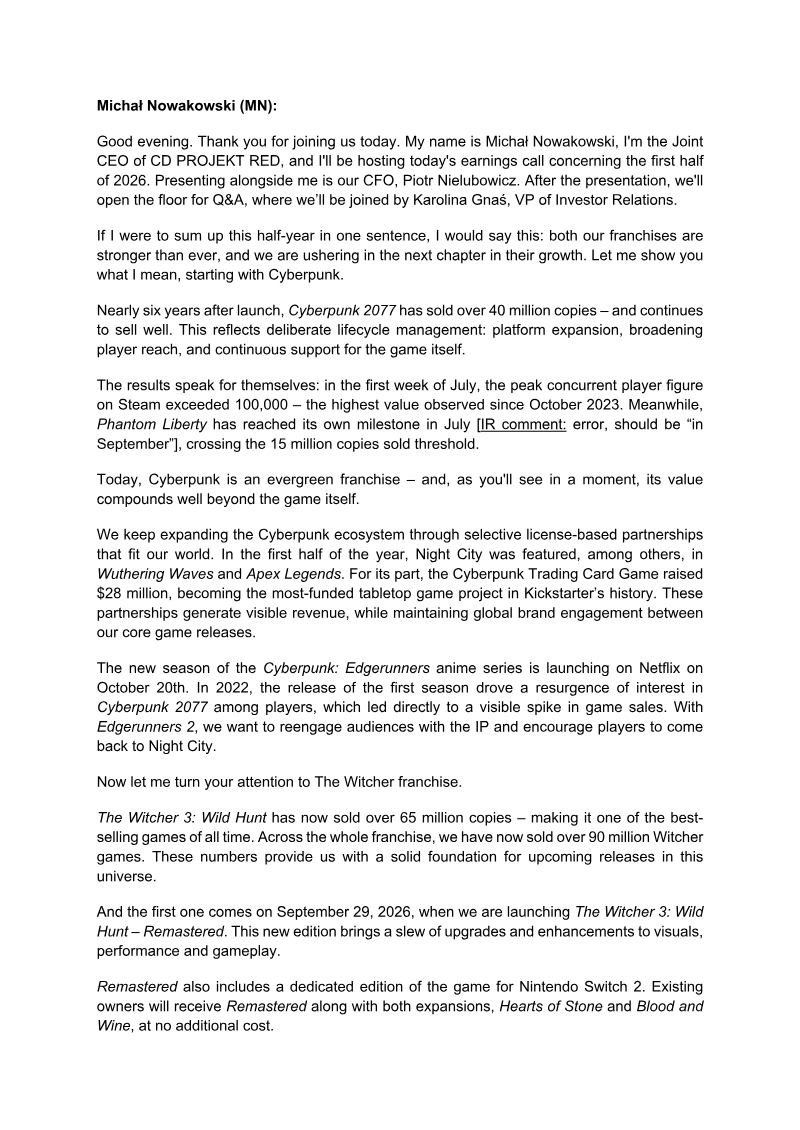
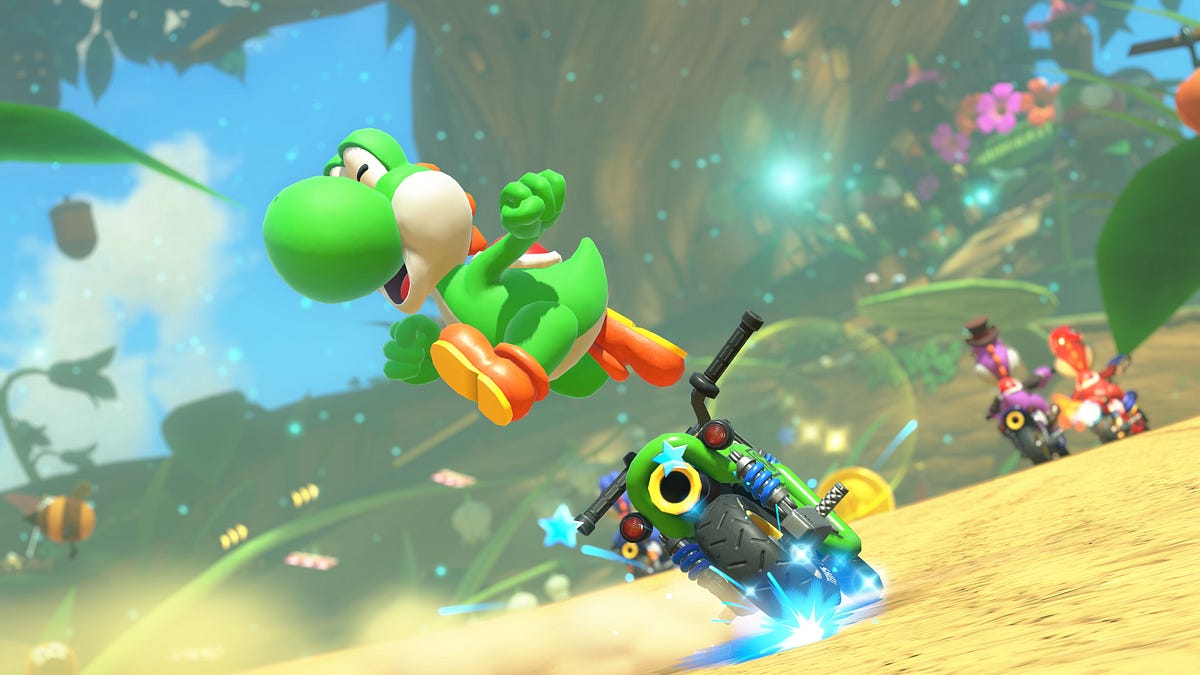
First-party titles include a new 3D Donkey Kong and Mario Kart World. Third-party support includes Cyberpunk 2077, Street Fighter 6, and the exclusive From Software title The Duskbloods.
Economic pressure
Nintendo faces potential supply chain disruptions due to new tariffs.
The tariffs affect manufacturing hubs located in Vietnam and Cambodia.
Spending data
Average monthly in-game expenditures among children fell to €31 in 2024.
Market data from 2024 shows a decline in consumer spending.
Industry landscape
Discord is exploring an initial public offering.
This move is part of the broader shifting economic landscape within the gaming industry.
1 / 6
Ask AI about this report