Axie Infinity
Game
Documents about Axie Infinity

Yearly NFT Market Report 2021: How NFTs Affect the World
The 2021 NFT market underwent a period of explosive maturation, characterized by a surge in trading volume to over $17.6 billion and a 3,000% increase in active wallets.
- The 2021 NFT market experienced explosive growth, reaching over $17.6 billion in trading volume and a 3,000% increase in active wallets.
- Gaming and the metaverse emerged as primary economic engines, with projects like Axie Infinity and The Sandbox pioneering models focused on user-generated content and digital asset ownership.
- While blockchain gaming currently occupies a small portion of the $173.7 billion global gaming industry, the adoption of play-to-earn mechanics signals a shift toward decentralized, community-driven economies.

Putin's Single Player Narrative: Surviving War Is a Multi-player Effort
The global games industry has responded to the invasion of Ukraine with a unified effort to provide humanitarian aid and impose economic sanctions on Russia.
- The gaming industry has mounted a unified response to the invasion of Ukraine, impacting a regional sector that encompasses approximately 30,000 employees across 400 organizations.
- Major entities including CD Projekt Red, EA, and Apple have halted sales or removed Russian-themed content, while Ukrainian officials have successfully pressured tech firms to withdraw from the Russian market.
- Netflix is aggressively internalizing development capabilities to leverage existing IP, evidenced by its $72 million acquisition of Next Games.
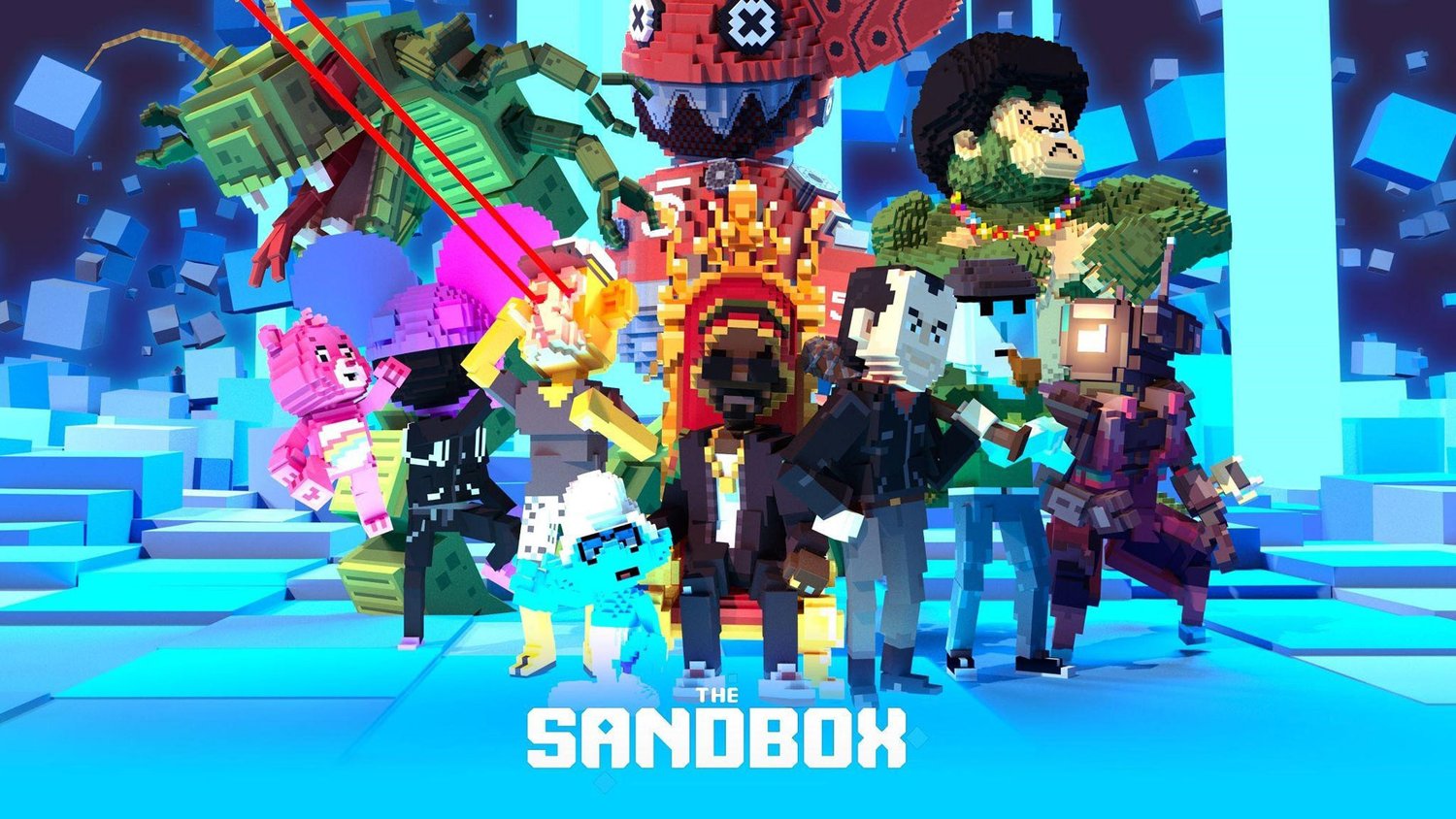
The Sandbox: Where Digital Land and UGC Collide
The Sandbox functions as a voxel-based, user-generated content (UGC) platform that integrates blockchain technology to facilitate the ownership and trade of virtual land and digital assets.
- The Sandbox is currently valued at a fully diluted market cap of $13.8 billion, despite having only 30,000 monthly active users (MAUs) and approximately 15,000 users playing more than one hour per day.
- The platform's valuation-to-MAU ratio is significantly higher than industry peers, sitting nearly 20 times higher than Decentraland and over 400 times higher than Rec Room.
- The Sandbox lags behind competitors in content density, with a capital-to-experience ratio of $24,017 per user-generated experience, compared to $36 per experience for Roblox.
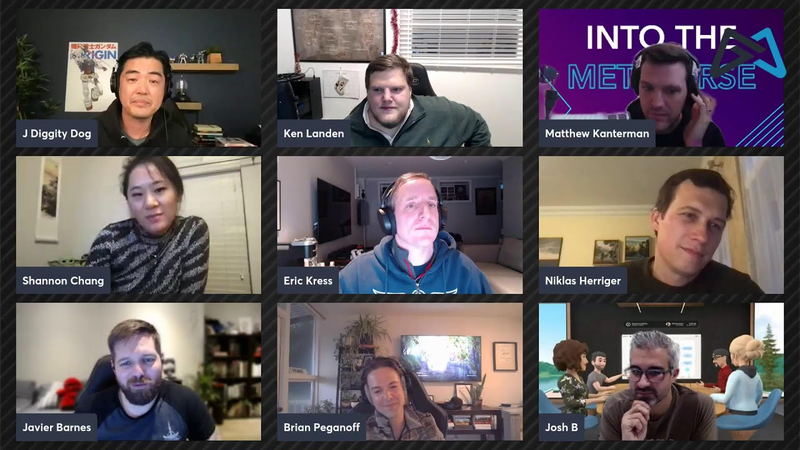
GameMakers 2021 Drunk Awards Show
The year 2021 served as a transformative period for the global gaming industry, characterized by a stark divide between companies successfully navigating the metaverse and subscription-based models and those struggling with internal cultural crises and product execution. miHoYo emerged as a dominant force, with Genshin Impact…
- The legal battle between Apple and Epic Games emerged as the industry's most consequential event, signaling a long-term shift in the operational model of app store marketplaces.
- The deprecation of Apple’s IDFA forced a fundamental industry-wide pivot in user acquisition strategies, disrupting traditional mobile marketing models.
- miHoYo’s Genshin Impact established a new benchmark for revenue efficiency and global engagement, while Roblox solidified its metaverse leadership through strong stock performance and brand integration.
The Metaverse, Blockchain Gaming, and NFTs: Navigating the Internet’s Uncharted Waters 2022
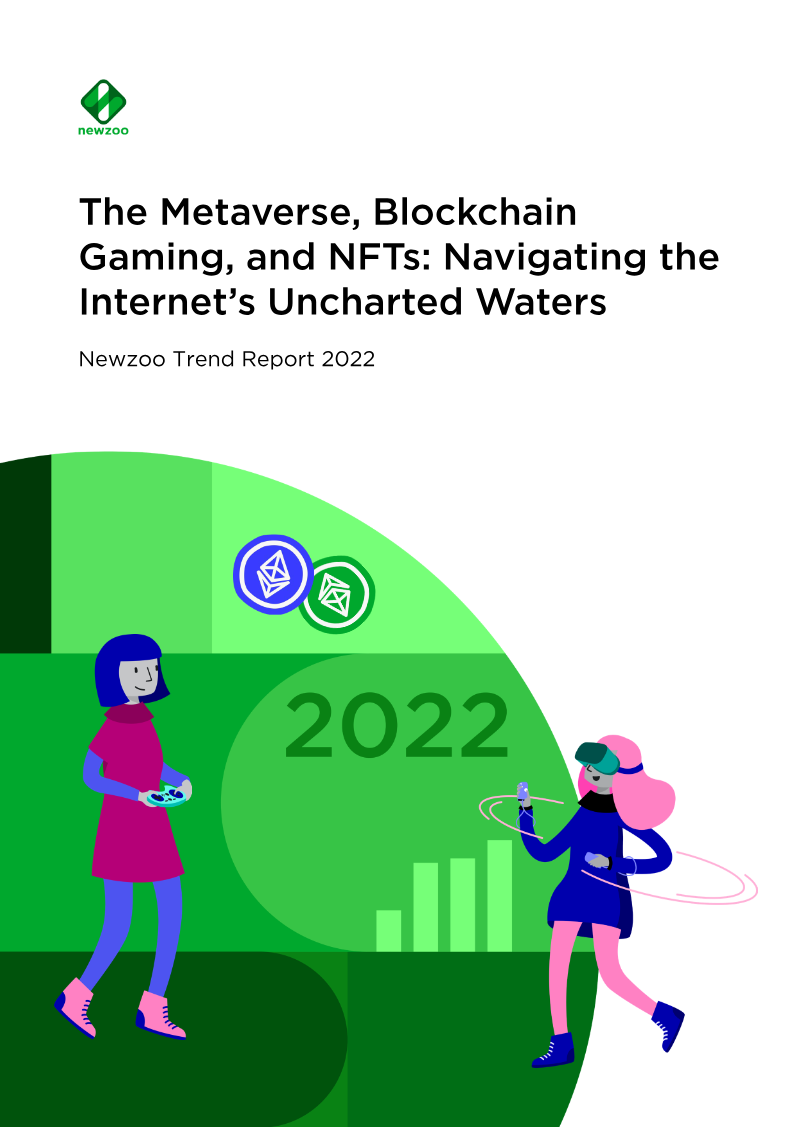
The analysis demonstrates that the metaverse, blockchain gaming, and NFTs have transitioned from niche curiosities to mainstream commercial forces, reshaping consumer engagement across entertainment, fashion, and gaming.
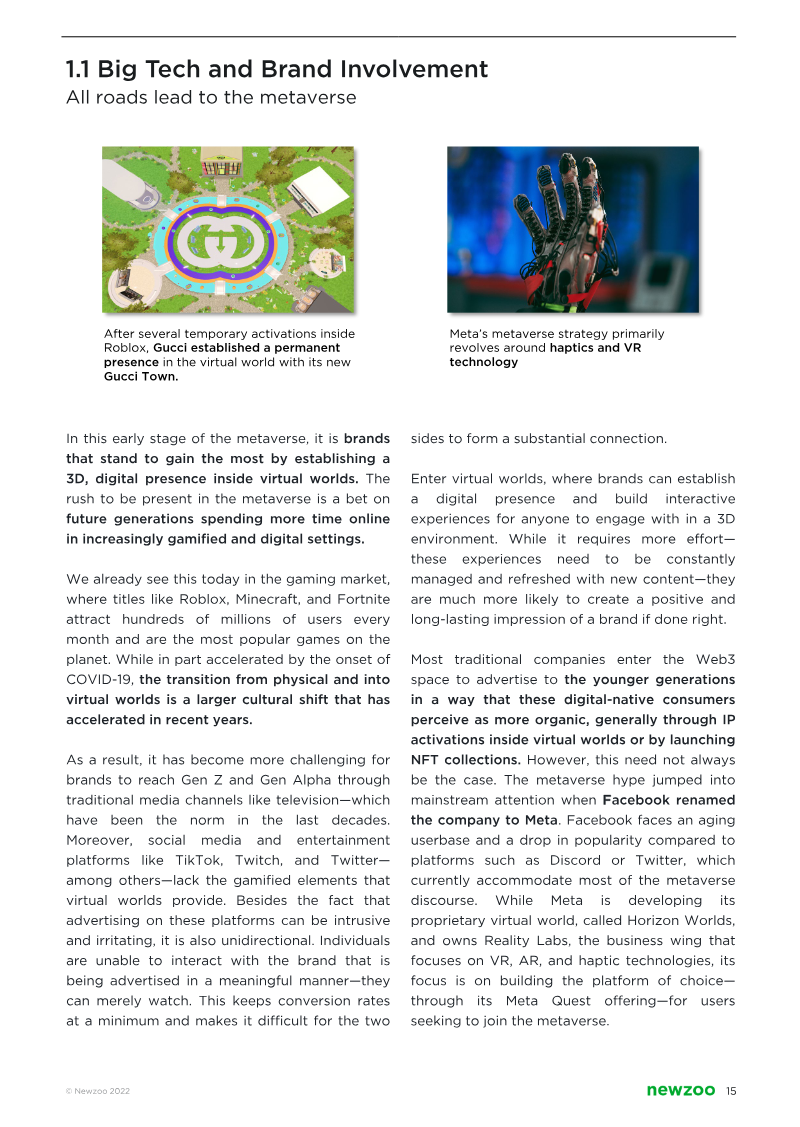
- The metaverse and blockchain gaming have evolved into mainstream commercial forces, with major brands like Nike, Gucci, Samsung, and Louis Vuitton investing in virtual storefronts and digital real estate.
- Virtual events are demonstrating massive scale, as evidenced by Ariana Grande’s Rift Tour and Justin Bieber’s Wave performance attracting millions of concurrent viewers.
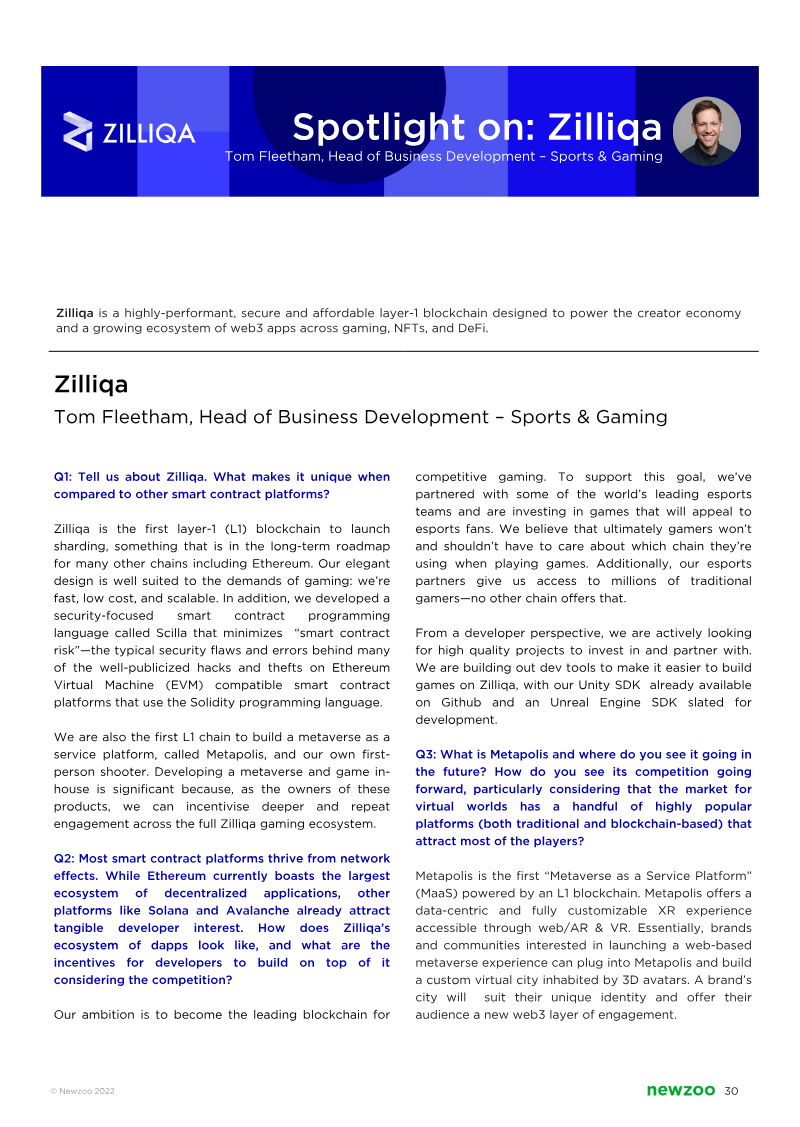
- Blockchain gaming is expanding through play-to-earn models, highlighted by Axie Infinity’s 3 billion gamers and Illuvium’s $72 million in funding, though long-term viability depends on engagement beyond speculative gains.


Southeast Asia’s Games Market
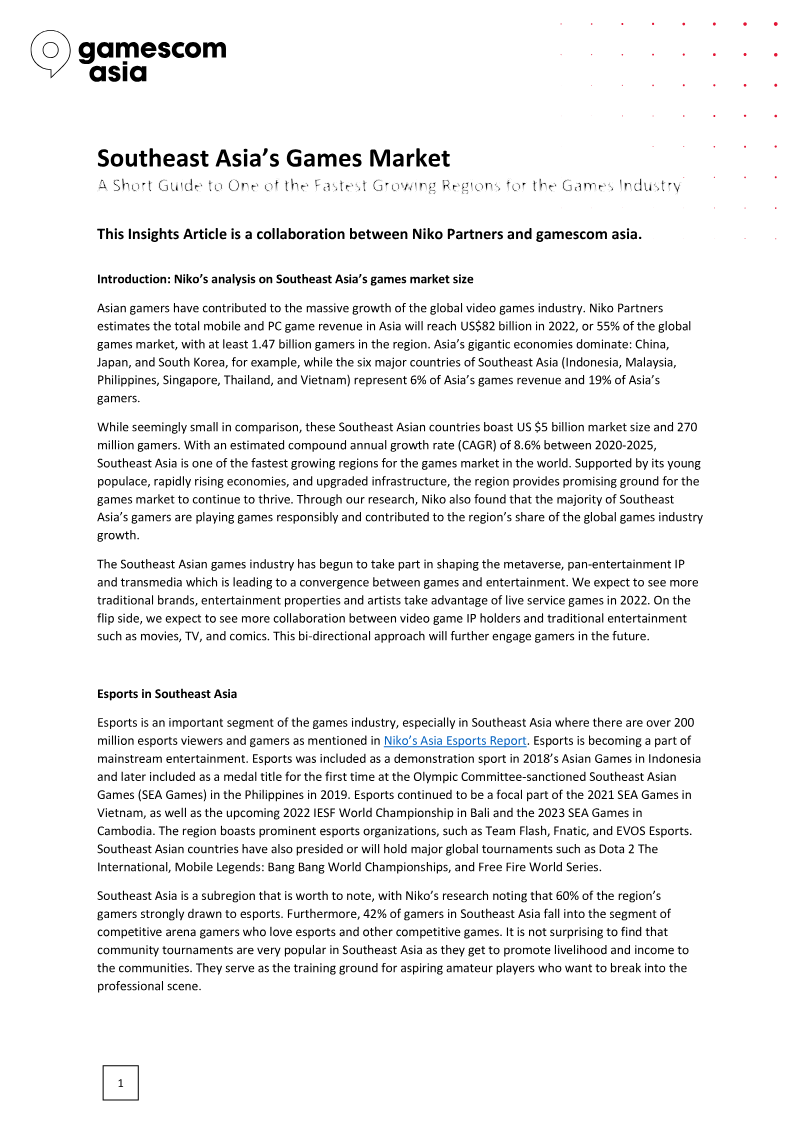
Southeast Asia represents one of the world’s fastest-growing video game markets, characterized by a young population, improving infrastructure, and a rapidly expanding digital economy.
- The Southeast Asian games market across six major countries generates approximately $5 billion in revenue from 270 million gamers and is projected to grow at a compound annual rate of 8.6% through 2025.
- Esports is a primary market driver, with over 200 million viewers and 60% of the regional gaming population expressing a strong interest in competitive play.
- Female gamers represent 40% of the total gaming population, with growth in this demographic outpacing the general market and reaching nearly 50% in Indonesia and Singapore.
Axie Infinity: Infinite Opportunity or Infinite Peril?
Axie Infinity stands as a pivotal case study in the evolution of play-to-earn gaming, demonstrating both the potential for rapid ecosystem expansion and the inherent fragility of token-based economies.
- Axie Infinity's economic stability is severely compromised by a 2.5 mint-to-burn ratio for the Smooth Love Potion (SLP) token, leading to persistent inflationary pressure.
- The platform's valuation has deteriorated significantly, with the price-to-sales ratio surging from 0.64 to 8.32 over a three-month period.
- The ecosystem suffers from a structural oversupply of Axies, which has diminished the demand for breeding and undermined the primary mechanism intended to sink tokens and generate treasury revenue.
To Axie Infinity & Beyond: Infinite Optimism for Sustainability
The provided content examines the rapid growth and long-term economic viability of the blockchain-based game Axie Infinity and its developer, Sky Mavis.
- As of December 2021, Axie Infinity established itself as the market leader in blockchain gaming, ranking first in total sales volume and second in unique active wallets.
- The rapid growth of Axie Infinity has served as a primary catalyst for the surge in venture capital investment directed toward crypto-based gaming opportunities.
- Sky Mavis, the developer behind Axie Infinity, has publicly acknowledged that long-term economic sustainability is a critical challenge for the platform.
How To Fix Axie Infinity | Sustainability & Future of Sky Mavis
Axie Infinity serves as a critical case study for the challenges inherent in early play-to-earn blockchain gaming models.
- Axie Infinity’s initial economic model failed due to a reliance on continuous user growth to fund token payouts, which created unsustainable inflation and a lack of sufficient asset sinks.
- Sky Mavis is pivoting from a single-game economy to a platform-based ecosystem by leveraging the Ronin sidechain and Mavis Hub to capture transaction fees and foster network effects.
- The developer is transitioning from a 'play-to-earn' model to a 'play-and-earn' framework that prioritizes gameplay quality and user-generated content over speculative financial incentives.
What is an NFT Games Metaverse?
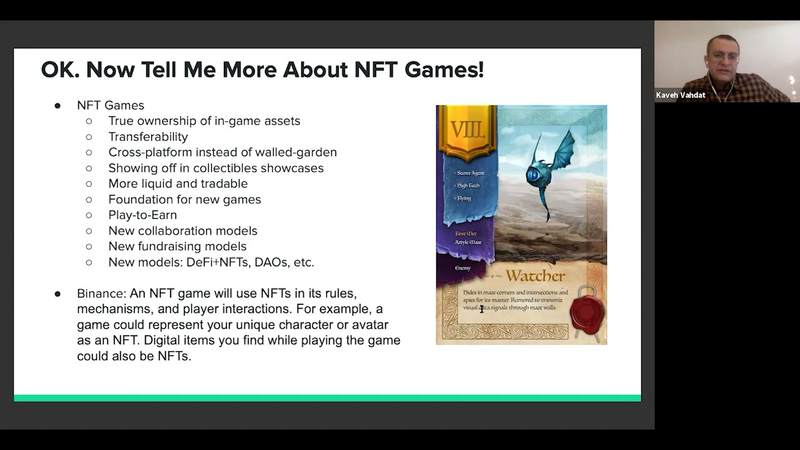
The NFT games metaverse represents a fundamental shift in digital entertainment, characterized by interconnected virtual environments where blockchain technology facilitates true ownership of in-game assets.
- NFT gaming metaverses utilize blockchain technology to shift digital entertainment from walled-garden models to systems where players maintain true ownership and cross-platform utility of in-game assets.
- The industry is transitioning toward play-to-earn economic structures that enable a verifiable and portable digital economy for virtual items.
- Current development efforts are focused on overcoming technical barriers and user-interface friction to move blockchain gaming from niche experiments to mainstream accessibility.

Crypto Games Culture War
This analysis examines the polarized reception of blockchain technology within the video game industry during late 2021, framing the conflict as a "culture war" between crypto-evangelists and traditionalist skeptics.
- Blockchain technology in gaming is currently in a nascent, experimental phase that may follow the historical integration path of previous disruptions like digital distribution and free-to-play models.
- While critics label blockchain games like Axie Infinity as Ponzi schemes due to high entry costs of approximately $1,000, traditional mobile gaming already utilizes similar 'whale-hunting' economic models.
- Environmental criticisms of crypto-gaming are contextualized by data showing that the U.S. gaming industry already consumes energy equivalent to 85 million refrigerators annually.
Superstar Session: The State of Play: Blockchain Gaming in 2021
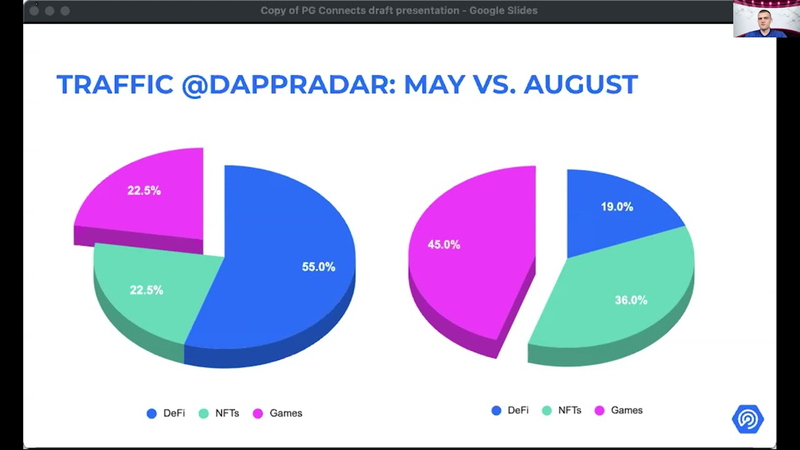
The blockchain gaming sector underwent a transformative expansion throughout 2021, characterized by a 4,300% year-on-year increase in daily active wallets interacting with gaming smart contracts by August.
- Blockchain gaming experienced massive growth in 2021, marked by a 4,300% year-on-year increase in daily active wallets interacting with gaming smart contracts by August.
- The play-to-earn model, driven largely by the economic impact of Axie Infinity in emerging markets, propelled blockchain games to surpass decentralized finance applications in total traffic.
- The industry is currently transitioning toward a decentralized virtual layer, utilizing in-game NFTs, virtual land, and brand partnerships to establish gaming as a pillar of the decentralized economy.