ArticleSuperJoost
Putin's Single Player Narrative: Surviving War Is a Multi-player Effort
3 Mar 2022~8 min full read
The global games industry has responded to the invasion of Ukraine with a unified effort to provide humanitarian aid and impose economic sanctions on Russia. Major entities including CD Projekt Red, EA, and Apple have halted sales or removed Russian-themed content, while studios like 11 Bit Studios and developers such as John Romero have launched fundraising initiatives for the Red Cross and UN. This collective action highlights the industry's significant footprint in Ukraine, which hosts approximately 30,000 employees across 400 organizations. The conflict has also seen high-level digital diplomacy, with Ukrainian officials successfully leveraging Silicon Valley relationships to pressure tech and gaming firms to withdraw from the Russian market.
Beyond the geopolitical crisis, the sector is experiencing significant corporate shifts and strategic realignments. Netflix’s $72 million acquisition of Next Games illustrates a growing trend of major entertainment firms internalizing development capabilities to leverage existing intellectual property. Conversely, Twitch faces internal instability and executive departures, struggling to monetize its dominant market position while competitors like YouTube and Facebook Gaming gain ground. In the blockchain space, Sky Mavis has increased transaction fees for Axie Infinity by 24%, a move criticized for prioritizing revenue over gameplay improvements during a period of declining user engagement.
The industry also marks the end of an era with the passing of Nexon founder Kim Jung-ju, whose innovations in free-to-play models reshaped global monetization strategies. This loss is expected to reignite discussions regarding a potential multi-billion dollar sale of the South Korean giant. These developments reflect a broader tension between traditional design philosophies focused on pure gameplay and modern business models driven by aggressive monetization and platform expansion.
SuperJoost · 2026

SuperJoost · 2026
SuperJoost · 2026
SuperJoost · 2026
SuperJoost · 2026
SuperJoost · 2026
SuperJoost · 2026

SuperJoost · 2026
SuperJoost · 2026
SuperJoost · 2026
SuperJoost · 2026
SuperJoost · 2026
Drake Star Partners · 2022
Aream & Co · 2026
Drake Star Partners · 2026
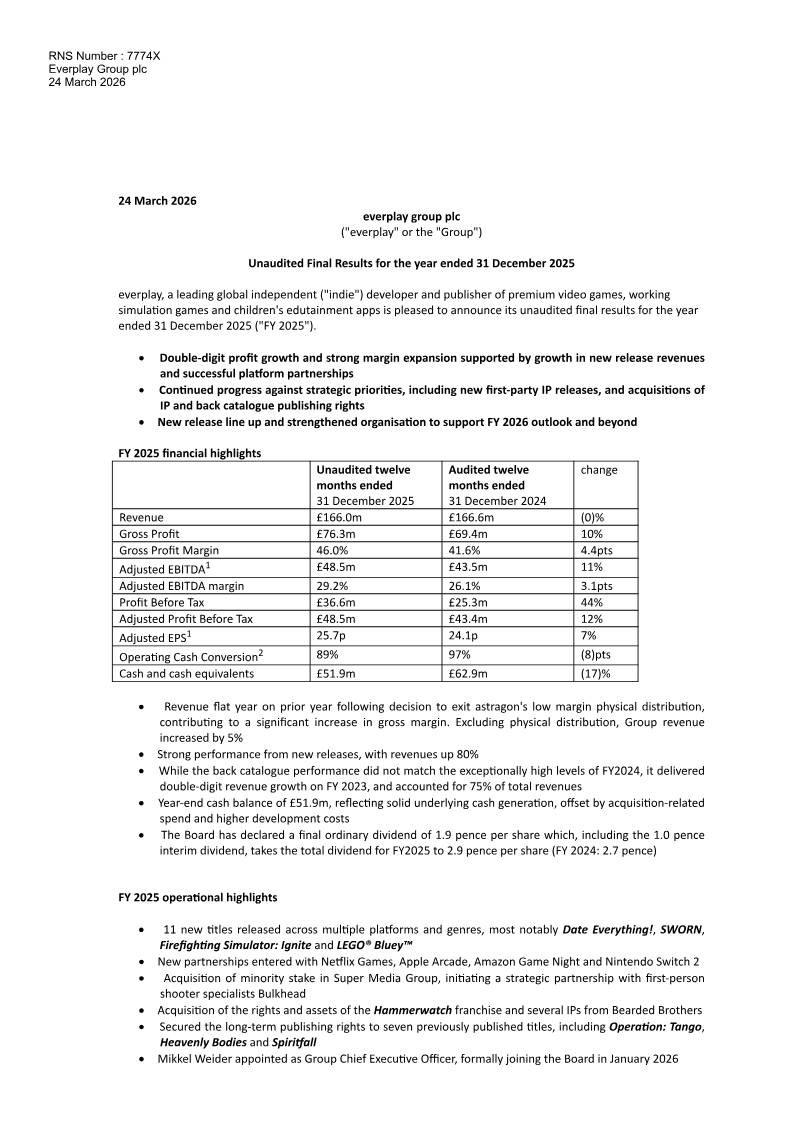
Everplay Group · 2026

Modern Times Group · 2026
Drake Star Partners · 2025
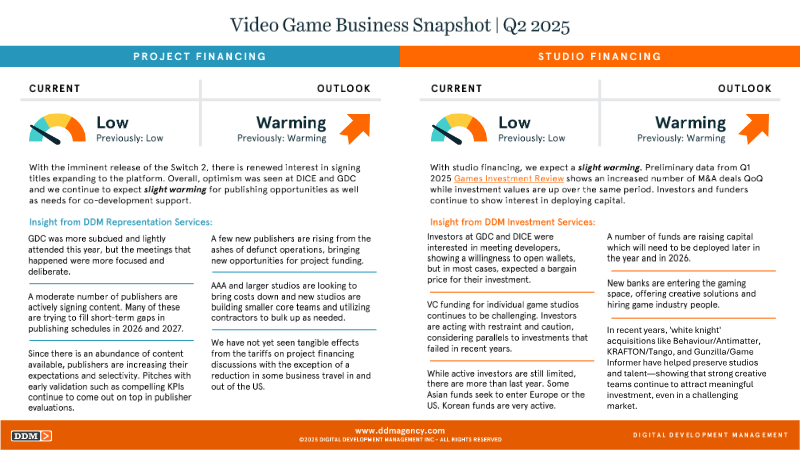
DDM · 2025
Drake Star Partners · 2025
Drake Star Partners · 2025
DDM · 2025
Thunderful · 2025
Digital Development Management · 2025