Axie Infinity
Game
Documents about Axie Infinity
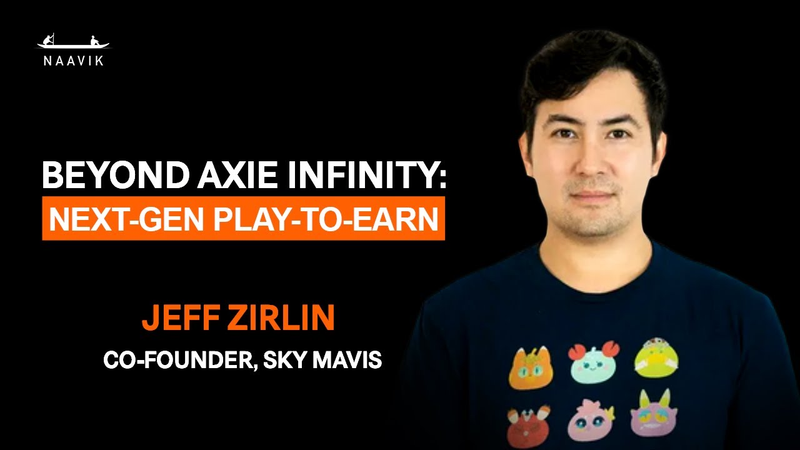
Web3 Gaming: Insights from the Ronin Ecosystem
The Ronin blockchain serves as a specialized infrastructure designed to overcome the scaling and transaction cost limitations inherent in the Ethereum network.
- The Ronin blockchain is transitioning from a curated, permissioned model to a permissionless ecosystem, allowing any developer to build on the network while maintaining Sky Mavis's role in providing strategic publishing support and grants.
- The 'Ronin effect'—the ability to drive significant user acquisition and liquidity for new projects—was validated by the game Pixels, which grew from 5,000 to millions of users in a few months and reached a multi-billion dollar market valuation.
- Sky Mavis has launched the Ronin Developer Console, a suite of tools designed to lower barriers to entry by providing features such as sponsored transactions, marketplace integration, and access to core network APIs.

two & a half gamers session #12 - Metacore 65M loss, Niantic 1 hit wonder, Industry conference guide
The mobile gaming industry currently faces significant challenges regarding user acquisition strategies, the sustainability of metaverse platforms, and the evolving utility of professional conferences.
- High-budget celebrity-led television advertising, such as Metacore’s $20 million campaign, is failing to deliver measurable returns compared to traditional digital user acquisition channels, leading to significant financial losses.
- The mobile gaming industry is struggling to replicate the success of foundational hits like Pokémon GO without the leverage of established intellectual property, highlighting the risks of relying on single-hit titles.
- Professional industry conferences like GDC and Gamescom have shifted in value from formal, lecture-based education to informal, face-to-face networking, which senior practitioners now view as the primary benefit of attendance.

two & a half gamers session #7 - Is Axie infinity dead? LTV in crypto gaming & web3 UA/marketing
The gaming industry is undergoing a fundamental transition from speculative play-to-earn models toward sustainable play-and-own frameworks.
- The 'Play-to-Earn' model is proving unsustainable due to economic inflation, leading the industry to pivot toward 'Play-and-Earn' or 'Play-to-Own' frameworks that prioritize fun and engagement over financial returns.
- Axie Infinity's economy has faced significant depreciation, forcing a shift in narrative from a platform for earning a living to a traditional gaming experience where earning is a secondary feature.
- Blockchain gaming introduces a native economic value transfer layer that allows for the enforcement of scarcity and value exchange, which was previously difficult to manage in digital environments.
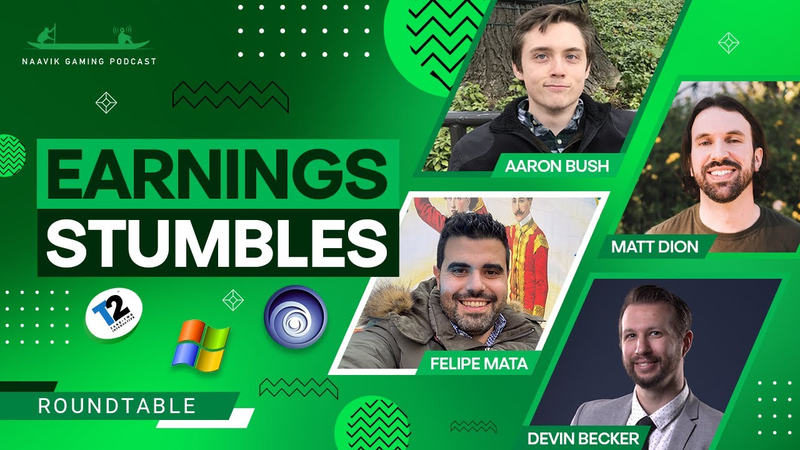
Embracer’s Deal Collapse / Take-Two & Ubisoft Earnings / Mortal Kombat 1
The global gaming industry is currently navigating a period of significant structural realignment, characterized by the failure of aggressive acquisition-led growth strategies and a pivot toward rigorous capital discipline.
- Embracer Group’s failed $2 billion partnership deal and debt-fueled strategy have triggered a 45% decline in its stock price and a 30% reduction in earnings guidance.
- Major publishers are pivoting from aggressive acquisition-led growth to capital discipline, with Take-Two Interactive pruning its development pipeline to prioritize high-impact releases like the next Grand Theft Auto title in fiscal 2025.
- The fighting game genre, led by Mortal Kombat 1, Street Fighter 6, and Tekken 8, is shifting toward live-service monetization models that utilize $70 price points, recurring DLC, and cross-IP collaborations.
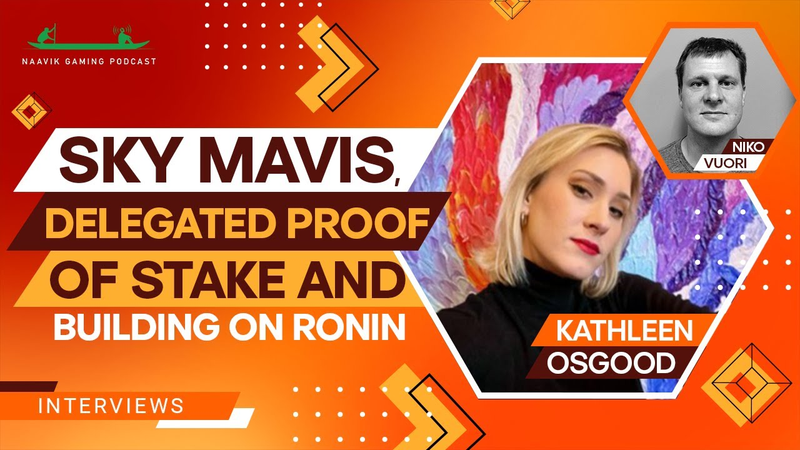
Sky Mavis, Delegated Proof of Stake and Building on Ronin
Sky Mavis is undergoing a strategic evolution, transitioning from a singular developer of Axie Infinity into a comprehensive B2B publisher and infrastructure provider for the broader web3 gaming sector.
- Sky Mavis is transitioning from a single-game developer to a B2B publisher and infrastructure provider for the web3 gaming sector.
- The Ronin blockchain has migrated to a Delegated Proof of Stake (DPoS) model to improve decentralization and security following the 2022 bridge hack.
- The DPoS architecture allows RON token holders to participate in validator selection, creating a more resilient network for third-party titles.

Is Diablo Immortal Fun for Mortal Wallets? - The Metacast by Naavik
The gaming industry is currently navigating a critical transition as major franchises attempt to adapt their core experiences for mobile platforms and broader ecosystem expansion.
- Aggressive monetization in mobile titles like Diablo Immortal, where character upgrades can cost hundreds of thousands of dollars, risks alienating core fanbases and inviting increased global regulatory scrutiny.
- Successful mobile adaptation of major franchises requires bespoke development rather than simple ports, as evidenced by the performance of Apex Legends Mobile.
- Long-term mobile viability is increasingly dependent on sophisticated live-ops, personalized player segmentation, and strategic partnerships with experienced developers like Tencent.
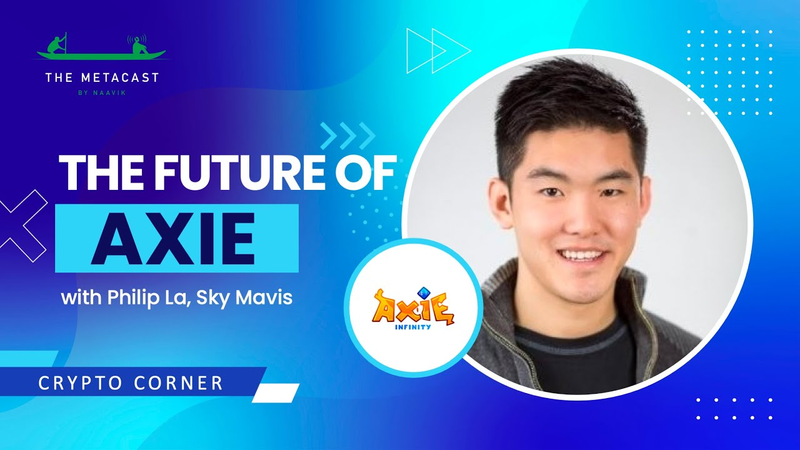
The Future of Axie Infinity with Philip La, Game Lead at Sky Mavis - The Metacast by Naavik
The future of Axie Infinity centers on a strategic pivot from speculative, earnings-driven mechanics toward a sustainable, fun-first gaming experience.
- Axie Infinity is pivoting from speculative, earnings-driven mechanics to a fun-first model that prioritizes high-quality gameplay, improved graphics, and intuitive progression.
- The platform has adopted a freemium model to lower barriers to entry, allowing players to access the 3v3 battle loop and PvE content without an initial financial investment.
- Economic stability is being managed through a balanced system of token sinks and sources designed to discourage pure extraction and promote long-term sustainability.

Blockchain Gaming with the Web3 OG, Shahaf Bar Geffen
The blockchain gaming sector is undergoing a critical transition from speculative, finance-driven models toward a sustainable paradigm centered on entertainment and digital ownership.
- The blockchain gaming industry is shifting from speculative, finance-driven models toward a sustainable paradigm that prioritizes high-quality entertainment and digital ownership.
- Blockchain technology should function as invisible infrastructure that enables a read-write-own model rather than serving as the primary marketing hook for users.
- Developers are moving away from the volatile boom-and-bust cycles seen in early projects like Axie Infinity by focusing on long-term player retention and engagement.

two & a half gamers session #12 - Metacore 65M loss, Niantic 1 hit wonder, Industry conference guide
The gaming industry currently faces significant challenges regarding marketing efficiency, platform monetization, and the long-term viability of major titles.
- High-budget TV advertising is not a guaranteed path to profitability, as evidenced by Metacore incurring a $65 million loss despite significant revenue growth.
- CD Projekt Red experienced a 63% year-over-year revenue decline, highlighting the difficulty of maintaining long-term financial momentum following a troubled product launch.
- Security vulnerabilities remain a critical industry risk, exemplified by the $600 million Axie Infinity crypto heist attributed to state-sponsored actors.
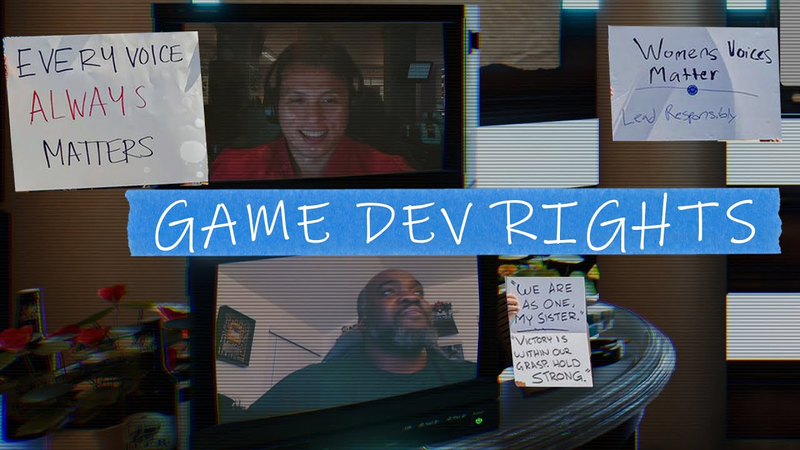
LIVE | Worker's Right in the Game Industry
The global game industry is currently navigating a period of profound instability, defined by the intersection of speculative financial technologies and a fundamental restructuring of labor relations.
- The game industry is experiencing a fundamental restructuring of labor relations, marked by widespread unionization and walkouts at major firms like Activision Blizzard to combat crunch and toxic management.
- A generational divide has emerged between younger workers prioritizing workplace culture and flexibility and industry veterans concerned that eroding traditional hierarchies may undermine mentorship and project stability.
- Blockchain-based gaming remains highly vulnerable to security risks, exemplified by the $600 million theft from Axie Infinity, where human error and social engineering often bypass technical safeguards.
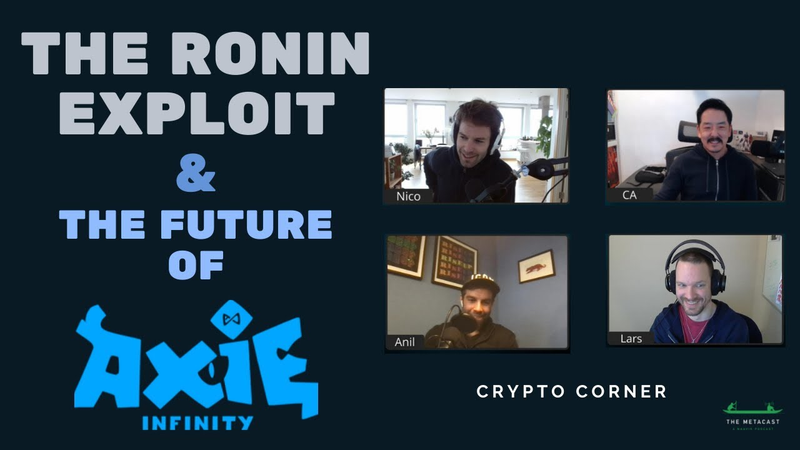
The Ronin Exploit & The Future of Axie Infinity - The Metacast by Naavik
The $625 million exploit of the Ronin network serves as a critical case study in the vulnerabilities inherent to blockchain bridge architecture and operational security.
- The $625 million Ronin network exploit, involving the theft of 170,000 ETH and 25 million USDC, was caused by a compromise of five out of nine validator nodes.
- The breach highlights a critical failure in IT security and internal monitoring rather than a fundamental flaw in blockchain technology, emphasizing the risks of centralized infrastructure in decentralized gaming.
- Axie Infinity is pivoting its business model away from speculative, growth-based revenue toward a 'fun-first' approach focused on long-term engagement and entertainment value.

PlayStation Subscriptions: The Good, the Bad and the Strategy - The Metacast by Naavik
The Web3 gaming sector faces a critical inflection point following the $620 million Ronin network hack.
- The $620 million Ronin network hack highlights a critical need for Web3 developers to prioritize decentralized infrastructure and rigorous security audits over rapid development cycles.
- Sony’s PlayStation Plus strategy focuses on user retention through a curated library of legacy content, deliberately avoiding day-one access to new exclusives to protect the traditional console model.
- Microsoft’s Game Pass strategy pursues a platform-agnostic, Netflix-style model that prioritizes cross-device accessibility and immediate release value over traditional console exclusivity.