
This analysis examines the polarized reception of blockchain technology within the video game industry during late 2021, framing the conflict as a "culture war" between crypto-evangelists and traditionalist skeptics. The central thesis argues that both camps are currently overreacting: proponents overestimate their immediate disruptive power, while critics rely on flawed or hypocritical arguments regarding environmental impact, monetization, and fraud. By situating blockchain within the historical context of previous "disruptions" like free-to-play models and digital distribution, the text suggests that the technology is in a nascent, experimental phase that may eventually follow the same path toward industry-wide integration.
Key findings highlight the financial and operational state of major industry players. Devolver Digital’s $950 million IPO demonstrates the success of a diversified, risk-mitigating portfolio, while Roblox’s three-day outage underscores the vulnerabilities of proprietary infrastructure. In the blockchain sector, the high barrier to entry for titles like Axie Infinity—requiring approximately $1,000—supports the "Ponzi scheme" criticism, yet the analysis counters that traditional mobile gaming already relies on similar "whale-hunting" economics and high-cost hardware. Furthermore, the environmental critique of crypto is balanced against data showing that U.S. gaming already consumes energy equivalent to 85 million refrigerators annually.
The scope of the report covers global industry trends during the Q3 2021 earnings season, with specific focus on North American, European, and Asian markets. It details financial performance for major entities including Sony, Microsoft, Ubisoft, Activision Blizzard, and EA. Methodology relies on a synthesis of corporate earnings reports, market valuation data, and industry news. The analysis concludes that while current crypto-gaming valuations are often disconnected from active user engagement, the underlying technology offers genuine potential for digital ownership and decentralized governance that the industry should not dismiss prematurely.

SuperJoost · 2026

SuperJoost · 2026
SuperJoost · 2026
SuperJoost · 2026
SuperJoost · 2026

SuperJoost · 2026
SuperJoost · 2026

SuperJoost · 2026

SuperJoost · 2026
SuperJoost · 2026

SuperJoost · 2026
SuperJoost · 2026

Almedia · 2026

Gamesight · 2026
Sensor Tower · 2026

Sensor Tower · 2026

AppLovin · 2026

Sensor Tower · 2026
Newzoo · 2026
Modern Times Group · 2026
InvestGame · 2026
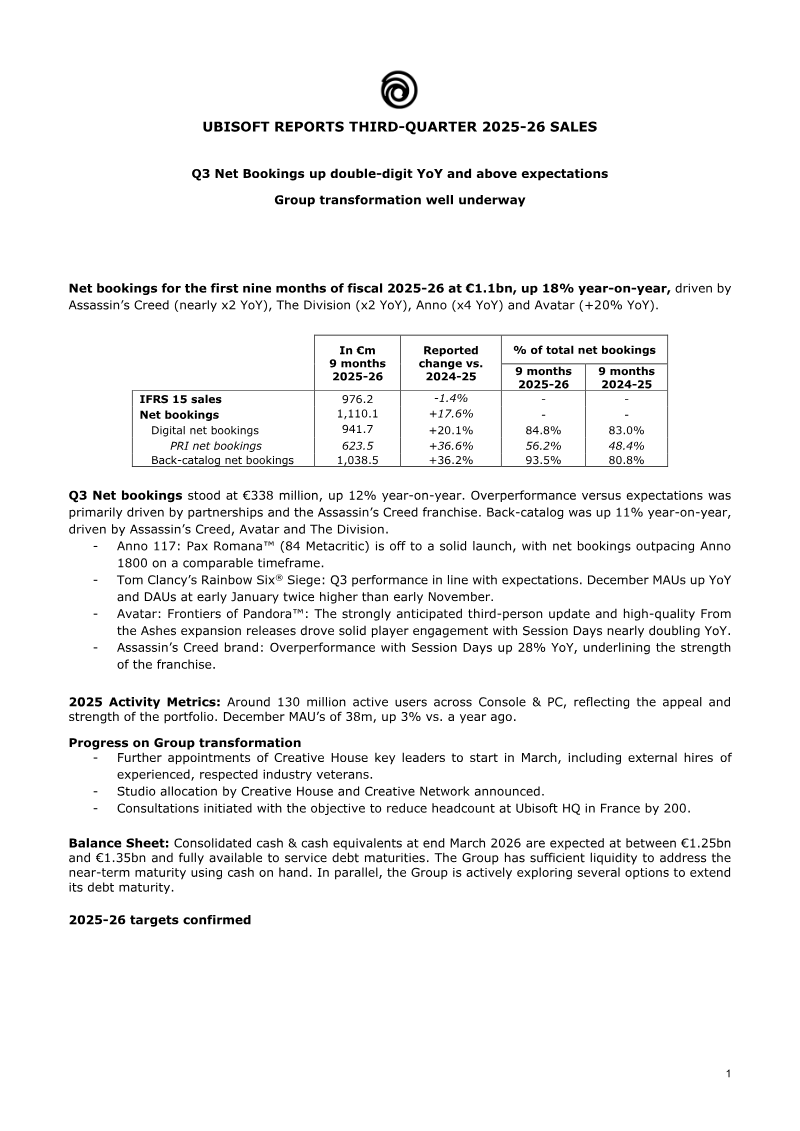
Ubisoft · 2026
AppMagic · 2026

InvestGame · 2026