
Hit Points
Independent games industry analysis and commentary by Nathan Brown (ex-Edge).
Documents
Vibe Shift
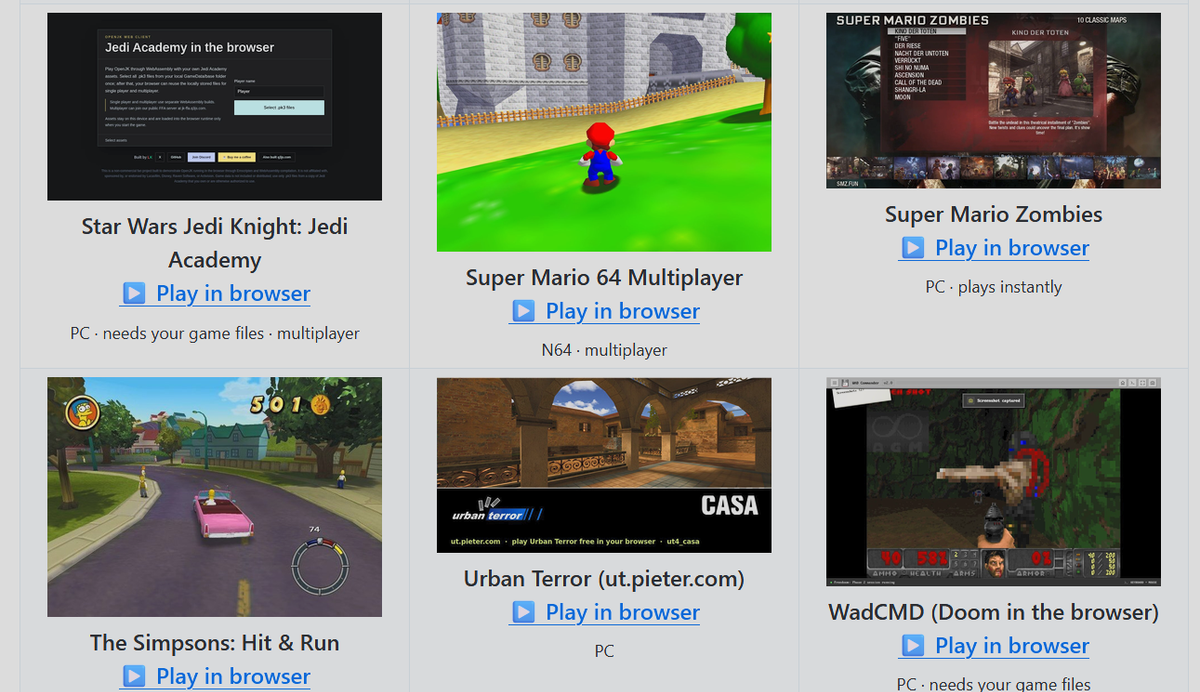
The video game industry is currently experiencing a significant shift in the discourse surrounding generative AI, moving from theoretical discussions of potential to aggressive, practical implementation.
- Epic Games has indefinitely delayed its upcoming online shooter featuring Marvel and Star Wars characters to pivot to an 'AI-first' development model, mandating the use of Claude for programming and AI-generated assets.
- The release of the Claude Opus 5.5 update has enabled a surge in 'vibe coding,' allowing hobbyists to rapidly decompile and recompile game source code, leading to a wave of unauthorized projects and subsequent DMCA takedowns.
- Epic Games CEO Tim Sweeney has officially moved the company toward 'maximum AI acceleration,' recently launching an AI-coded update to the Epic Games Launcher that aimed to outperform Steam in boot speeds.
Graveyard Shift
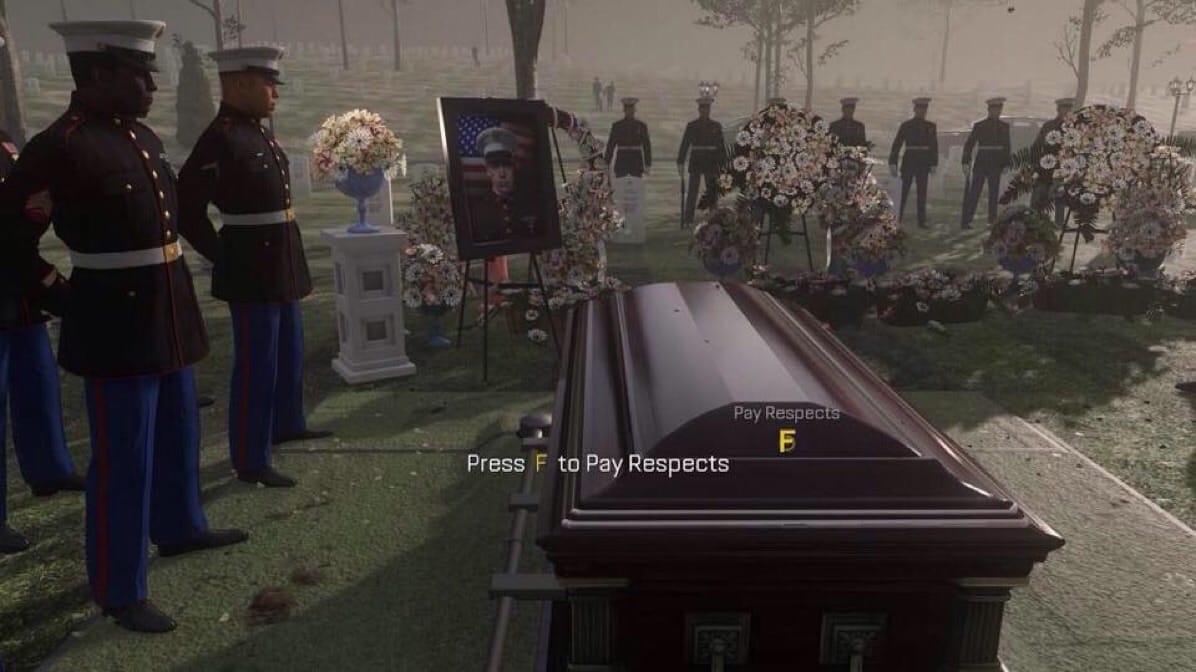
The Western triple-A game industry is currently facing an existential crisis characterized by unsustainable production costs, ballooning team sizes, and a rigid focus on photorealistic graphical fidelity.
- Western triple-A development is facing a structural crisis driven by unsustainable budget inflation, ballooning team sizes, and a fixation on photorealism that necessitates massive sales to achieve profitability.
- Major platform holders are struggling to innovate, with recent attempts to pivot toward live-service models or subscription-based industry dominance failing to resonate with players.
- The next generation of consoles, potentially arriving in 2028, faces significant market skepticism as hardware costs rise and the industry struggles to justify the need for further processing power increases.

Deckchairs on the Titanic
The September 2026 analysis examines the latest organizational restructuring within Microsoft’s Xbox division, characterizing the move as a futile attempt to address systemic failures through administrative consolidation.
- Microsoft has initiated a major restructuring of its Xbox division, resulting in 268 additional layoffs and the consolidation of several business units under Activision.
- The company aims to reach a total of 3,200 layoffs for the current fiscal year, with approximately 800 more job cuts expected to follow the 1,600 positions eliminated in July.
- Key organizational changes include folding Halo Studios, Rare, and World’s Edge into Activision, merging Turn10 with Playground Games, and placing Obsidian under Bethesda’s management.
Noxious Fumes
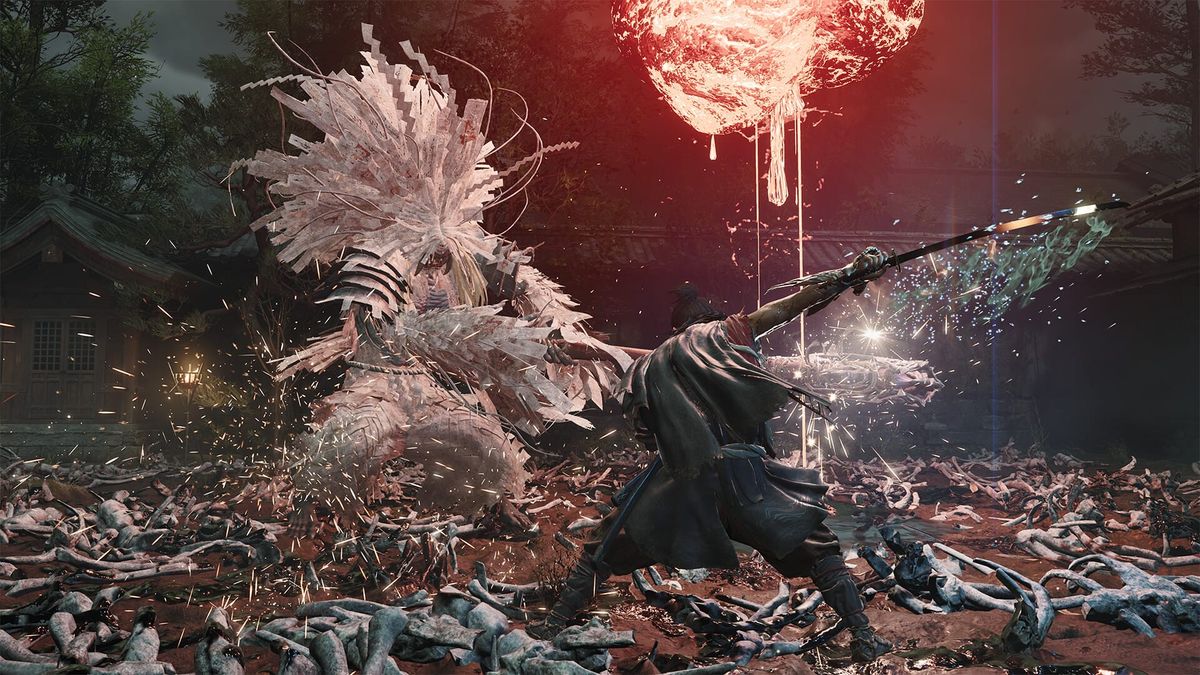
The global video game industry, particularly the Western triple-A sector, is currently facing a profound existential crisis characterized by unsustainable development costs and a lack of strategic direction.
- The Western triple-A game industry is facing an existential crisis driven by unsustainable development costs, prompting calls for a shift toward the financially disciplined model used by Japanese developers like Capcom.
- Capcom maintains profitability by keeping budgets in check, retaining long-term staff, and avoiding decade-long development cycles for tentpole franchises like Resident Evil and Monster Hunter.
- The industry is increasingly reliant on 'Myhrvold’s Law,' where software expands to fill available computing power, leading to bloated development that many industry experts argue must be reined in.
Tag Team
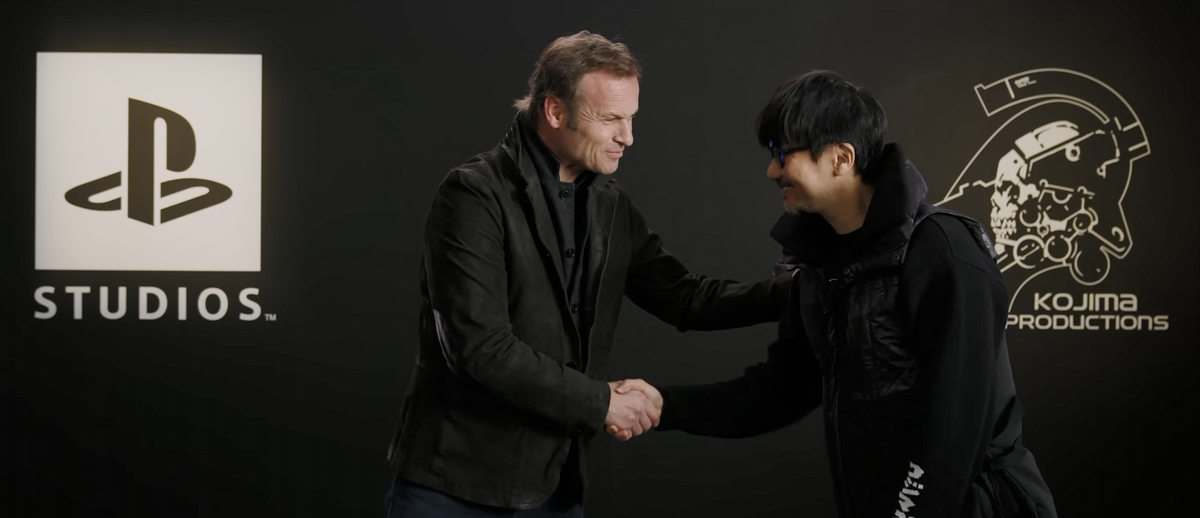
The gaming industry is currently undergoing a period of profound instability, characterized by a shift toward extreme risk aversion among major platform holders.
- Sony has cancelled its publishing deal for Hideo Kojima’s upcoming stealth-action game, Physint, leading Microsoft to pick up the project as an Xbox exclusive.
- Sony’s decision to drop the project follows the modest performance of Death Stranding 2, which reached 2 million copies sold by June 2026, compared to the original game's 5 million sales in its first 18 months.
- Microsoft attempted to implement monthly playtime caps on cloud-streamed games via Game Pass, but was forced to walk back the policy for existing subscribers in certain regions due to local legislation.

Reunion Tour
The rhythm game genre, characterized by plastic instrument peripherals, is attempting a commercial revival with the announcement of Stage Tour.
- RedOctane is attempting to revive the 'five-fret' plastic-instrument music game genre with a new title, Stage Tour, featuring support for guitars, vocals, and drums.
- Stage Tour will be available on current consoles and PC with a licensed setlist of over 90 songs and support for both legacy hardware and new peripheral bundles ranging from $150 to $470.
- The plastic-instrument market remains active through a dedicated hobbyist community that utilizes open-source projects like YARG and the RhythmVerse platform, which hosts nearly 100,000 custom song charts created by over 9,000 users.

Saber Rattling
The controversy surrounding Saber Interactive’s upcoming title, Rideshare Stimulator, serves as a case study in the growing friction between game industry leadership and creative labor regarding the integration of generative AI.
- Saber Interactive CEO Matthew Karch publicly confirmed the use of generative AI in the upcoming title 'Rideshare Stimulator' while admitting the company failed to disclose this usage on Steam as required by platform policy.
- Former lead writer Stella Sacco alleged that she was replaced by ChatGPT during development, a claim Saber Interactive denied by stating its writing staff has tripled since 2023 and that the game's script was written by humans.
- Karch issued a controversial statement regarding the dispute, in which he disparaged the former employee, admitted to using AI for game features, and suggested he would have preferred to replace the writer with AI from the start.

Nothing Else Matters
The industry analysis examines Microsoft’s strategic efforts to revitalize the Xbox brand through the upcoming Project Helix console, specifically focusing on a new backwards compatibility initiative.
- Microsoft is planning a new backwards compatibility program for its next-gen 'Project Helix' console, allowing users to play original Xbox and 360 games via digital store purchases or by verifying physical discs to receive digital licenses.
- Microsoft has implemented significant price increases for its current Xbox Series consoles, with some markets seeing suggested retail prices rise by up to 50%.
- EA has completed a $55 billion acquisition by a private group including the Saudi Public Investment Fund, with plans to cut costs by $700 million through upcoming layoffs.
Stay on Target: 2026
The provided material serves as a commemorative milestone for the Hit Points newsletter, marking its five-year anniversary as of August 2026.
- The full content of report #389, titled "Stay on target," published on August 3, 2026, is restricted to paying subscribers.
- Hit Points, a newsletter by Nathan Brown about video games and the game industry, is celebrating its fifth anniversary.
- Nathan Brown, a writer, consultant, and former Edge editor, is the author of the Hit Points newsletter.

List Feature
The recent update to Steam’s wishlist functionality serves as a focal point for analyzing the evolving standards of digital storefronts within the gaming industry.
- Valve has introduced significant improvements to Steam's wishlist functionality, including better organization, filtering, and the ability to gift wishlisted games, addressing a critical tool for game discoverability and funding, especially for indie developers.
- Sony's PlayStation Store is criticized for its poor functionality, particularly its wishlist feature which lacks essential notifications for sales or releases, and its overall inability to categorize games effectively, raising concerns as Sony plans to fully transition to digital-only game sales within 18 months.
- Xbox's VP of Engineering, Jared Palmer, left after three months to join an AI company, while Xbox also announced a 'Backwards Compatibility' initiative bringing four original Xbox games to PC, with plans for more over time.
Tink to the Past
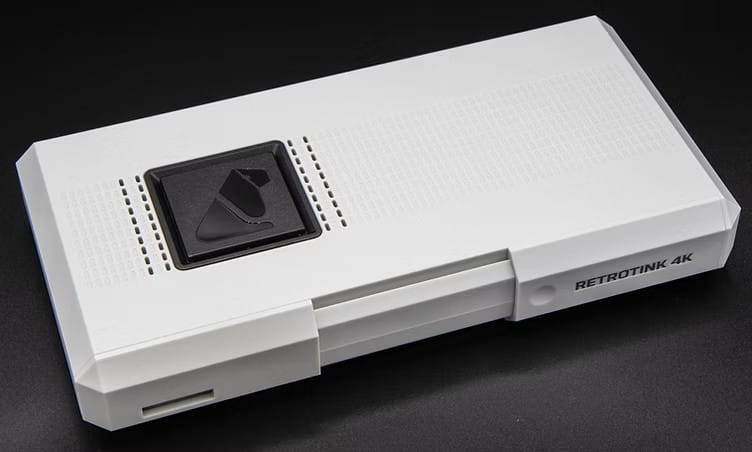
The primary focus of this analysis is the resurgence of interest in retro gaming hardware and the technological solutions that facilitate playing legacy consoles on modern display equipment.
- The Retrotink 4K CE is a device that converts analog signals from older gaming consoles (Scart, Component, Composite, RF) to HDMI, scaling them to higher resolutions (up to 4K) with zero latency for modern TVs.
- A key feature of the Retrotink 4K is its ability to authentically replicate the original look of classic games, including CRT TV effects like scanlines, and can mimic specific legendary CRT models such as the Sony KV-FV310 or Toshiba AF44.
- The device allows for extensive customization of video signals and settings can be saved as 'profiles,' with community-made profile bundles included on an SD card for various consoles and connection types.

The Playlist: June 2026
The June 2026 edition of the industry newsletter Hit Points serves as a critical commentary on the state of the video game sector, specifically focusing on the user experience of contemporary simulation titles and broader corporate trends.
- The report, titled "#386: Mow problems," was published on July 19, 2026, by Nathan Brown and focuses on the "Playlist, June '26."
- The main content of the report, specifically about "Lawn Mowing Simulator 2," is restricted to paying subscribers.
- Hit Points, the publisher of the report, is celebrating its fifth anniversary and is offering a 55% discount on annual subscriptions.