1 free read left. Create a free account for unlimited reading + AI research.
Create free accountReport NonFungible.com
1 free read left. Create a free account for unlimited reading + AI research.
Create free accountReportNonFungible.com
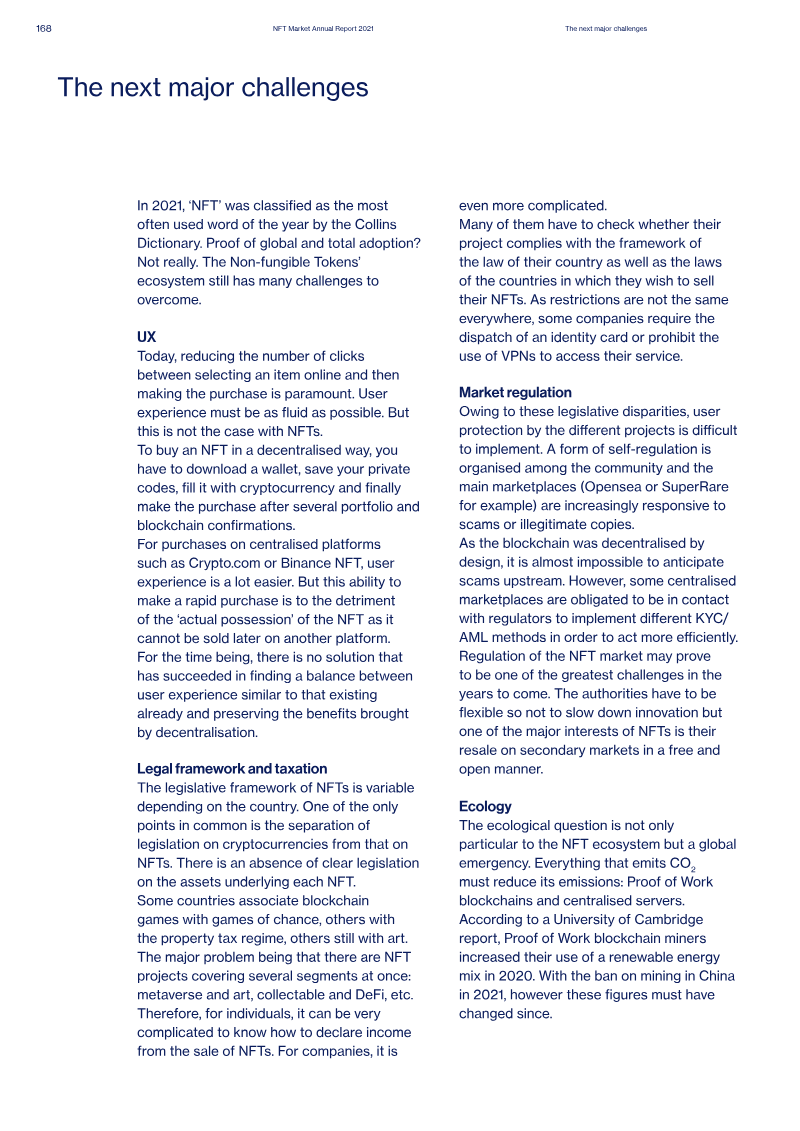
Trading volume reached over $17.6 billion, and active wallets increased by 3,000%. This global expansion was primarily centered on the Ethereum blockchain.
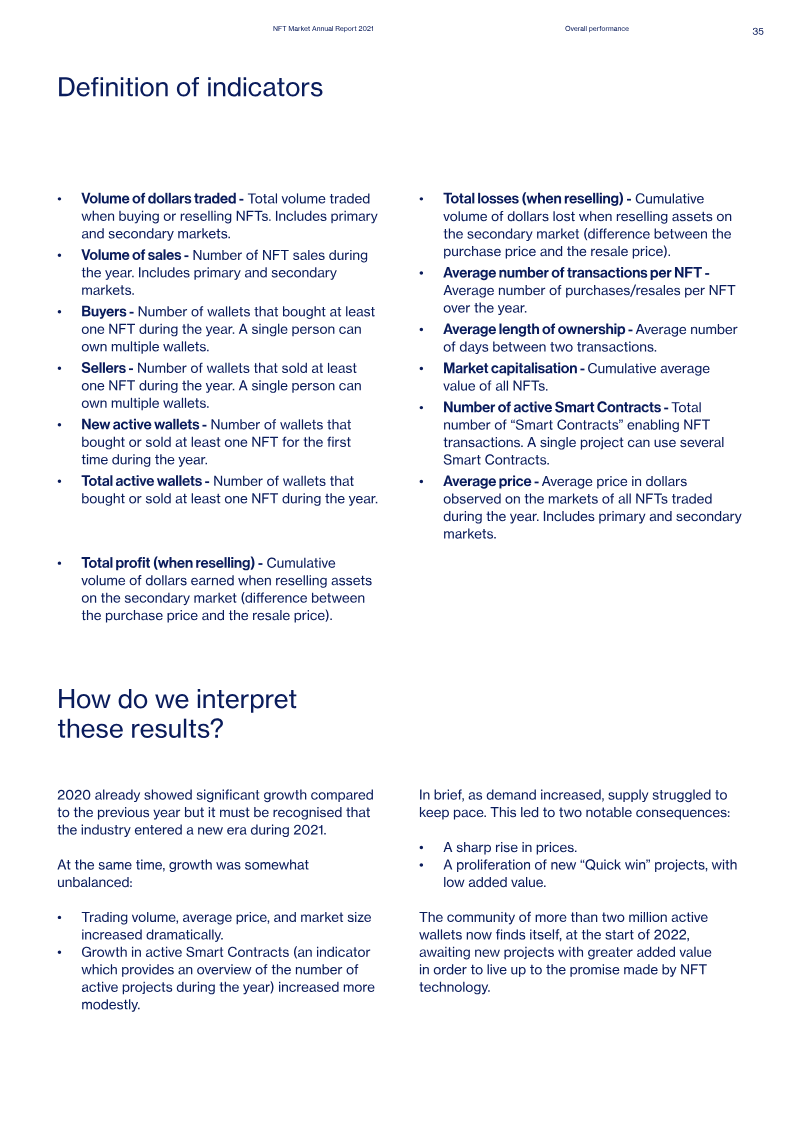
The 2021 NFT market underwent a period of explosive maturation, characterized by a surge in trading volume to over $17.6 billion and a 3,000% increase in active wallets. This global expansion, primarily centered on the Ethereum blockchain, saw the emergence of distinct sectors including collectibles, blockchain gaming, and the metaverse. While the industry reached a significant milestone by surpassing $10 billion in total value, the rapid growth also introduced substantial challenges, such as widespread market manipulation, wash trading, and a proliferation of low-value projects driven by short-term speculation.
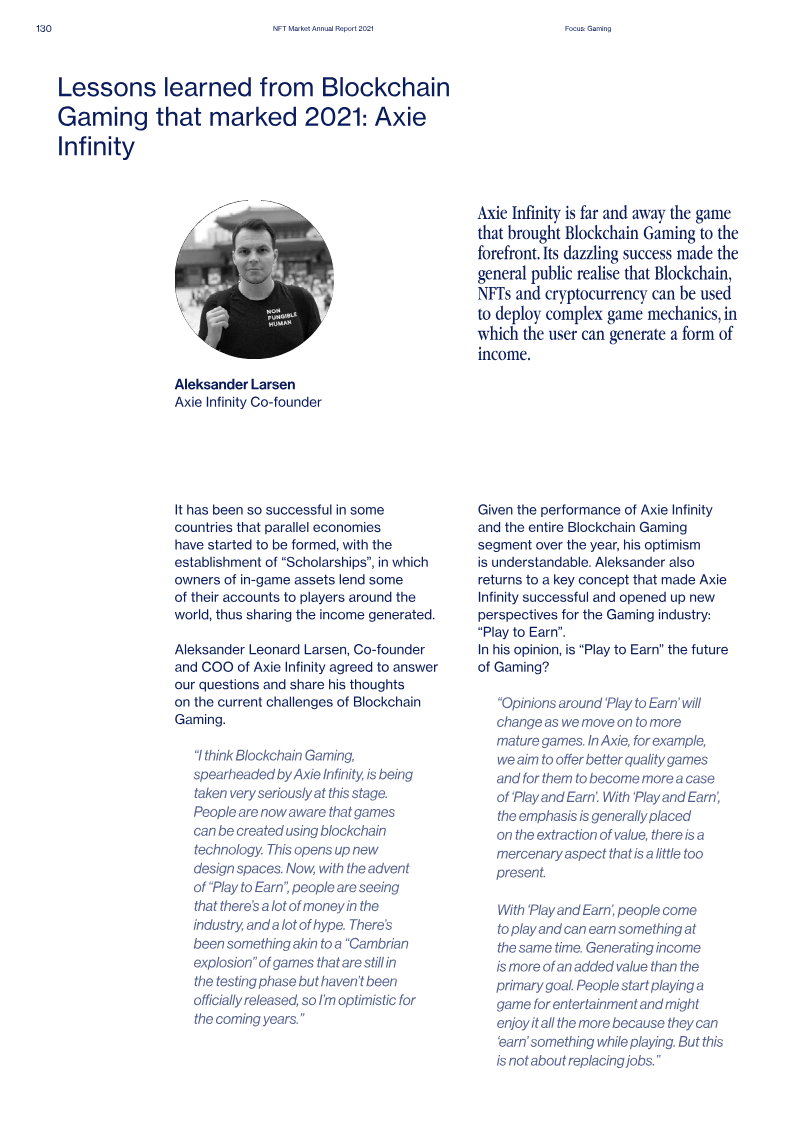
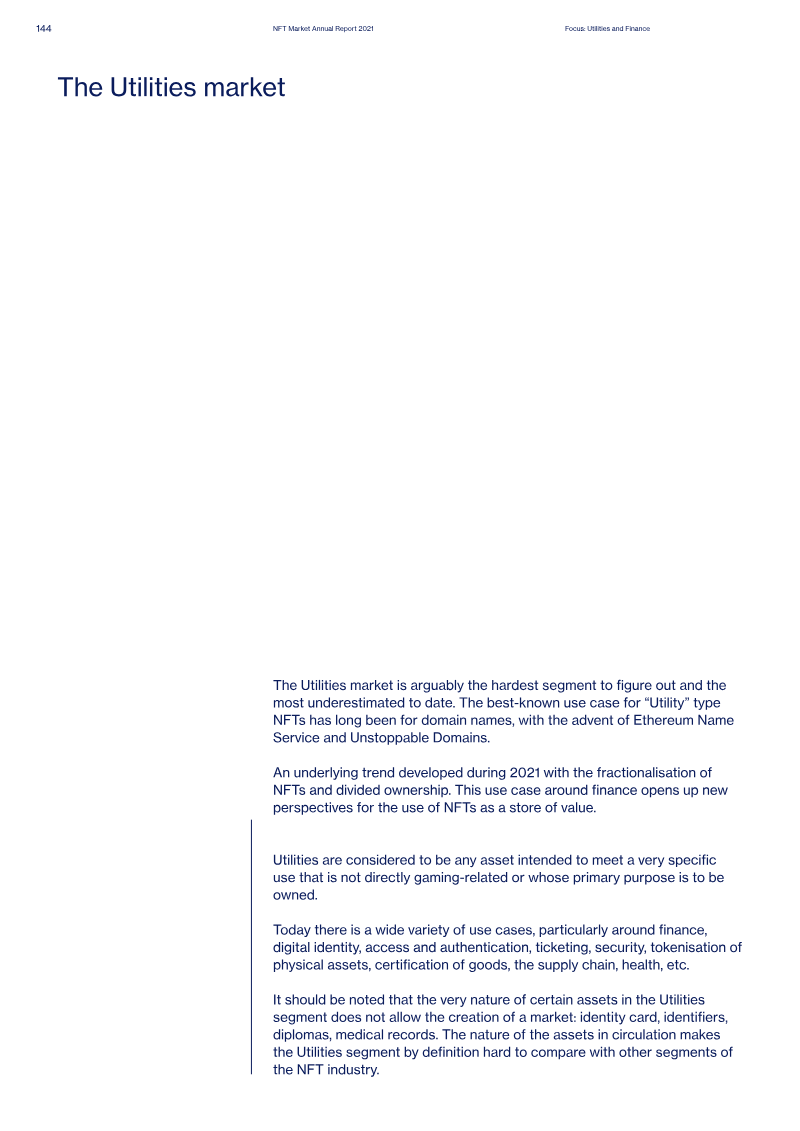
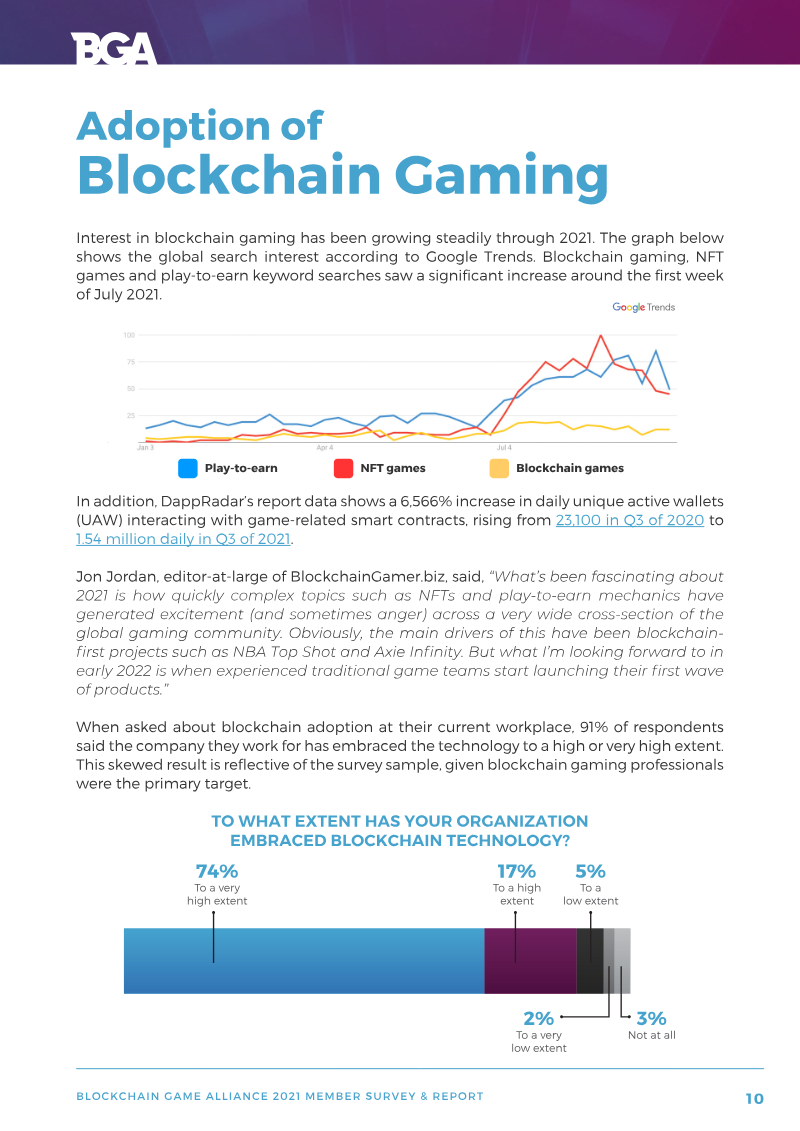
The gaming and metaverse segments emerged as primary economic engines, with projects like Axie Infinity and The Sandbox pioneering models that prioritize user-generated content and digital asset ownership. Although blockchain gaming currently represents a small fraction of the broader $173.7 billion gaming industry, its rapid adoption of play-to-earn mechanics suggests a significant shift toward decentralized, community-driven economies. Simultaneously, the utility segment, while smaller in volume, is laying the groundwork for future financial integration and digital identity management, signaling a transition from speculative assets to functional, revenue-generating tools.
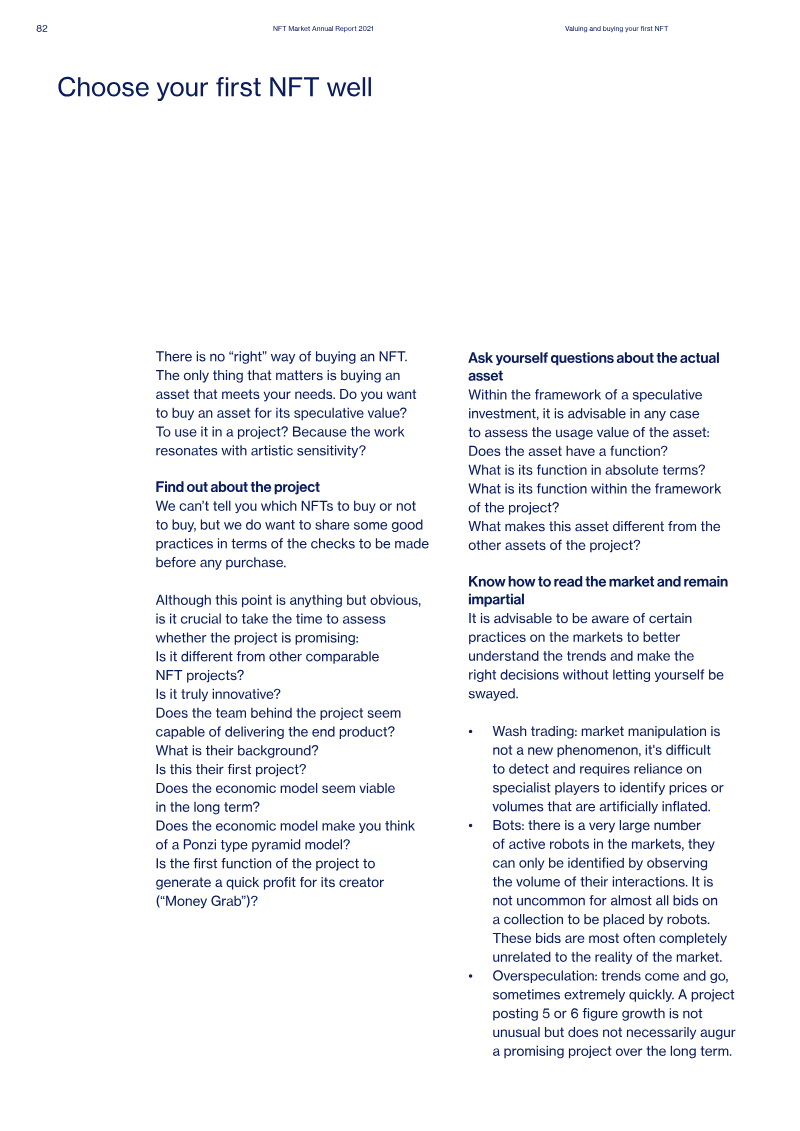
Despite this innovation, the ecosystem remains hindered by complex user experiences, fragmented regulatory frameworks, and environmental concerns. Industry pioneers emphasize that the current market paradox—defined by both irrational hype and genuine technological advancement—requires a shift toward rigorous due diligence and long-term utility. As the industry moves forward, the integration of NFTs into major global sectors will depend on balancing decentralization with sustainable practices, improved public education, and the maturation of infrastructure to support broader institutional and consumer adoption.
Blockchain Game Alliance · 2025
Two & a Half Gamers · 2024
Naavik · 2024
Naavik · 2023
Naavik · 2023
Naavik · 2023
Naavik · 2022
Naavik · 2022
Naavik · 2022
Naavik · 2022
Naavik · 2022


CMC Research · 2022