Transcript
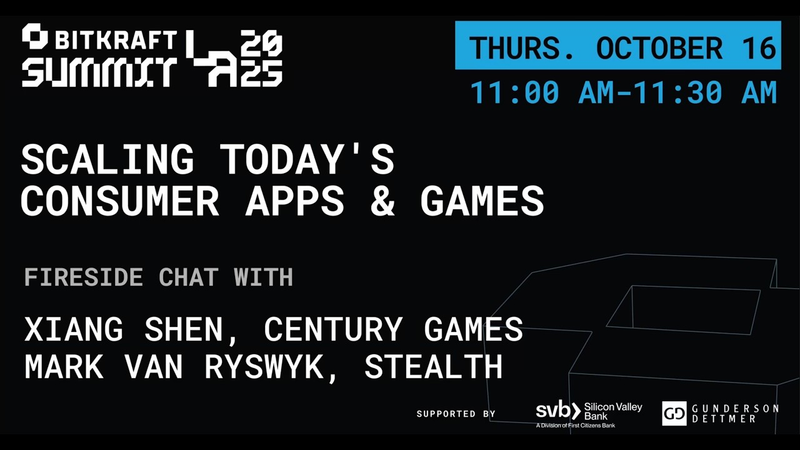
uh we don't have a lot of time today just 30 minutes uh so we love to get started ASAP we have like a pretty star started panel today cool um I'll give a quick introduction of myself and then I'll pass the time on to uh my fellow panelists uh my name is Jonathan I'm a principal at bigcraft I cover APAC um that's all you need to know uh over to you vessa yeah hi uh my name is vessa uh from Finland uh actually just recently moved to Singapore so uh enjoy my life there uh I'm leading the return return entertainment team uh based in Finland um bcrafty my background is in Mobile gaming I used to work for roio entertainment in Finland and um then I
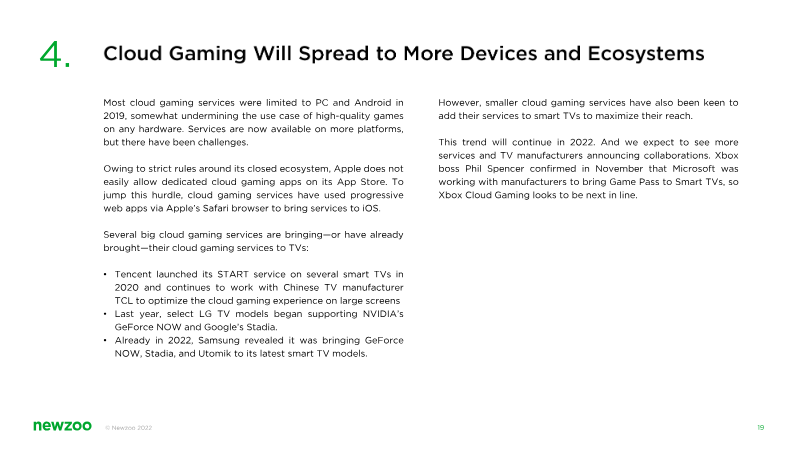
was a co-founder of a ro funded cloud gaming startup called hatch entertainment 10 years ago so I consider myself as a cloud gaming Pioneer and now focusing at return on bringing cloud gaming to Smart TVs and that's a massive massive opportunity we think it's kind of a blue ocean opportunity for video games if you think about the market size so there will be soon 1 billion Smart TVs on this planet and only a small fraction of of those TVs is currently used for gaming and uh the reason for that one is that the current solutions for TV gaming is either you get a game console which is super expensive for many people or you use one of the existing cloud gaming Services which actually have a lot of friction points uh to to hinder their penetration in the market so F first of all if you want to use Xbox cloud or if you want to use GeForce now you need a game controller you need a Ultra fast internet
connection and all these Services have a pay wall they are paid subscription services and and we we want to change this and basically bring cloud gaming to TV audiences in a very frictionless and easy fashion so basically we have developed a proprietary cloud gaming platform which is using your mobile phone as a controller so you just scan a code on the TV screen and you can play without any additional Hardware uh we have a proprietary streaming protocol which is really latency tolerant so uh you don't need to have any kind of fast speed broadband connection it works with any standard internet and lastly we are also betting on free-to-play model so we don't want to put pay walls between the users and the games but you can get into the games easily start having fun and then be monetize with in-game monetization elements and we are working very closely with Samsung in the US market at the moment we've been live since since May this year
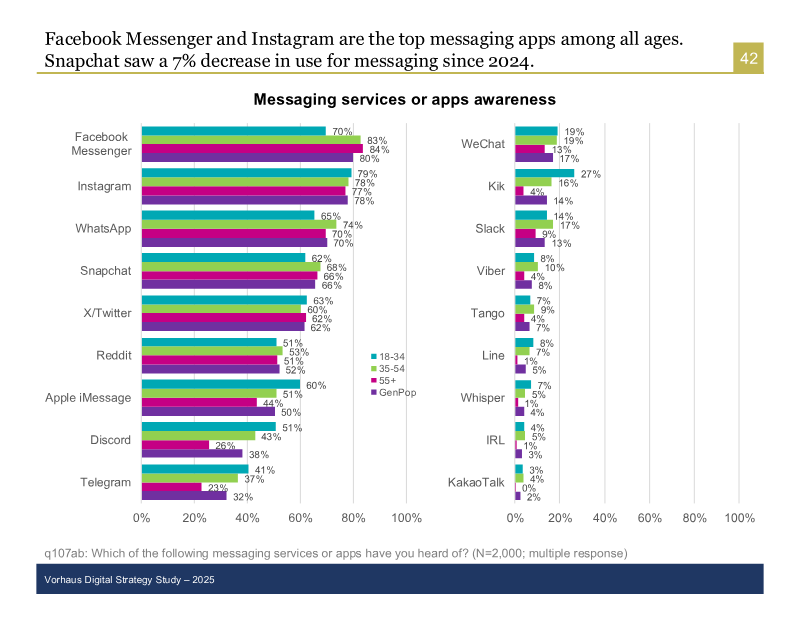
and uh it's a super unique position to be working with such a giant company to help us to validate this Market opportunity and and scale the business further going forward hi I'm Rosen with now.gg uh some of you may know us as blue Stacks so we've been in this business for almost uh since 2012 and uh we are now the third largest distribution platform for mobile games after Apple and Google and we basically offer two products for game developers so the first one is our SDK so you can integrate the now SDK and then you can publish your game to Cloud uh on PC with our blue stack store on Mac can also publish to all the alternate stores like Amazon you know Huawei xiaomi and so on and we have also launched um a store online a store on Telegram and in India
we will launch a store on WhatsApp so our distribution alone is about 100 million users right plus we get the distribution of all the other uh Partners right and uh we use cloud but from a developer perspective the cloud is transparent right so in our platform fee the cloud is included so the developer doesn't have to worry about whether user is using the cloud or not using the cloud and that's why we have seen a lot of Success With It on various platforms and if the user uses cloud and downloads you know all that stuff work seamlessly the second product we offer is uh you know now UA so of course all the mobile game developers want to uh not only publish their game but also promote the games across all these channels uh so that's also offered you know across our channels and our partners channels also I'm a David Cook and uh CEO of
radiant Arc uh what we do is uh provide a platform which is uh gpus that we put into Telco networks we have uh 78 different Telos around the world that we've uh closed deals with to roll those gpus out the aggregate reach of those uh Telos is about 2 and a half billion users uh that are in the process of moving over to 5G connections so what we do is we uh uh partner with uh Cloud Gam companies that want to be able to use their infrastructure to be able to reach those consumers the second part of what we do there is actually focus on helping with user acquisition so our observation is that if we can take the data from the Telos and merge that with other thirdparty data sets then we can really help to lower customer acquisition costs which we think has been one of the reasons that uh cloud gaming has maybe been a little slower on the uptake so being a to help with that user acquisition is a very important part of what we do thank you uh honor to be on
stage with three very accomplished and seasoned Founders um maybe let's start off with like something uh actually all my questions are deliberately provocative so I'm I'm just going to start with the first one right um a lot of people um okay from the bigcraft perspective we're always on the hunt from for the next platform shift right so when mobile happened um that was a big platform shift so we're always thinking about so what's going to happen next like where do we invest um and my gpn co-founder Scott is over there actually had a saying that I liked a lot like the future of uh the Nick platform is platform agnostic like it's going to be all in the cloud uh but something that we struggle with is that hey a lot of people tell us that cloud gaming has been the next big thing for a decade already and still hasn't here yet right um so what exactly uh is changing on the ground that you are seeing that allows you to think that you know cloud gaming could bring in like the next Paradigm in terms of consumer entertainment well if I start um I think
the one fundamental challenge with cloud gaming so far and as as Jonathan put it it's been kind of up and coming for many years but I think one of the key challenges has been that um cloud gaming has always been seen as just yet another delivery mechanism for the very same games what you already have targeting the very same audiences who already play video games and and it's of course always a compromised experience compared to running the games locally on a dedicated gaming rig and and that that's what I think people have been getting wrong that uh I think the same way like coming from the mobile gaming background if you think about the mobile gaming Revolution it wasn't just putting the same games from the PCS to mobile devices it was actually designing totally new types of games for that new medium and and what we think at at at written entertainment is that the same should happen now with cloud gaming as well and as we are focusing on smart TV audiences we believe that you should actually design the whole experience
from the ground up and the technology for that very medium for that very audience and it doesn't happen by trying to force fit the same AAA games down the throat of TV users who don't identify as Gamers but I think it calls for really kind of developing also totally new kinds of gameing experiences like in Mobile you know you created games around the touch screen which is a really different phenomenon uh in the same way we think that you know now when we talk about cloud model and and especially the TV as a kind of consumption um platform so it kind of needs needs for kind of a bit different approach as well and and I think we all know about Google stadia they G with kind of a huge promises and and and fanfares but I think that's where they got this wrong as well that they were trying to kind of focus on the very same games targeting the very same hardcore audiences with a compromised experience and and it didn't fly and at at least that's what we're trying to
kind of do differently now that uh kind of start from the start from your target audience and and and design the whole thing from the ground up for that that purpose so Jonathan I think your question is wrong so I think in the US when people say cloud gaming they automatically think Subscription Service where I'll be given content to play I think that business model is fundamentally broken and it's not going to fix itself because cloud inherently will have cost so you need a business model that scales with time right so user has to either spend more or play more having said so I think that model is just broken right the however if you look like netes in China so they Now launch a cloud version of the game packaged and a full version of the game simultaneously for all their games right so that is working very well genin gives you a cloud pass inside the game which
you have to buy that is working very well so to rephrase your question the business model where there will be a subscription service and somebody you know will pay for that subscription service and have content and you somebody can make that profitable I think that is very very limited set of content for which that can work I actually think that is not going to work for a long period of time however the more transparent you can the user doesn't care whether it's cloud or not right so the more transparent you can make the cloud the more it's going to work so this is already happening right but not in the form that people had imagined right so so I think the question if you rephrase the question is cloud being used in gaming to effectively deliver a good experience yes it's being used is there going to be a subscription service where you know you can pay monthly and play games I
think that business model is fundamentally broken and won't get fixed yeah look I think uh you know as a veteran of the music business and then Ott video business these things generally do take time right I mean I remember at the very beginning of the music business a president of one of the labels sting me down saying David mark my words you will never be able to get a track individually will only ever deliver albums well obviously that didn't stay for very long right and similarly I remember when we were first starting Ott video there was a technology executive who said streaming media over the Internet breaks the laws of physics it'll never happen right so you hear these kind of complaints or push backs uh quite frequently as relates to cloud gaming in terms of whether it's experience or whether it's business model or those kind of things but fundamentally as we look at it we see three different things one is you need content and I think that could be Cloud native content or content that's produced for the medium uh I think
secondly you need a great user experience and that great user experience includes things like you know using the mobile phone in order to be able to engage with a TV and you know we've definitely seen that when you bundle a controller together with a TV you get five times the number of playing hours those kinds of things uh and then the third is the business model and the business model if you look at some of the earlier versions of this at a you know maximum they could play one game per GPU at a time right and as we look at the roll out of new technologies new gpus and we can see that density rise to four 6 12 games per GPU you fundamentally drop the cost I mean I remember when you first launch OT video it would actually cost more to deliver a movie then you could actually charge for the movie right great business model but over time as you see that density rise as you see sort of the the cost be a to drop down you can go into some of these developing markets and really an offer a product that may be Advertising based or
premium based that you can you know bring those kinds of products to the market so it sounds like there's some sorry vessa you want to go well I just wanted to kind of echo something what Rosen said earlier that I fully agree with the fact that uh you should not kind of think about the technology and the delivery mechanism too much the consumer doesn't care what they care about is the experience they're getting are they being entertained are they having fun uh I might kind of a bit differing opinion on the business model so that uh I don't actually believe that it really matters what the business model is ultimately so that if if you are able to deliver some really entertaining fun experience that people love and keep playing you will figure out the way to monetize it so it it it may be subscription it may be free to play it may be something else but uh I've always been a kind of product guy uh work a lot in product product development and
product marketing as well and uh I think you should always focus on the product and and the product experience and if you get that right then all these other things will will follow so it sounds like there were a few problems that the cloud gaming industry is basically solving uh one is the business model which I wasn't mentioned and number two is uh vesa mentioned like targeting the right users what about okay so the the way I think about these two together is that for a business to actually work like the user experence has to be strong but a lot of times the problems that we have encountered in cloud gaming happens on the technology side of things right for for someone to deliver good user experience over the cloud to a user on nid GeForce for example like the techn you you basically need to have data centers as Clos to us as possible there'll be latency issues if not right so are some of these technological problems being solved yes and no uh so like I said earlier so uh if you insist on target targeting hardcore Gamers with AAA
content cloud gaming I don't think will ever cut it uh there's always going to be compromise if you're a hardcore gamer you're always better off by having a dedicated gaming rig uh buying a PlayStation 5 Pro or whatever so that's always going to be the ultimate experience but if we want to Target the broader audiences people who don't identify as Gamers who are not willing to put the 700 bucks or whatever on the table to get the console or or gaming PC uh then I think cloud gaming is already there that we can deliver good enough great experience to these folks who want to kind of just uh enjoy big screen gaming for example in an easy and accessible fashion and and a lot of lot of that has to do of the fact that of course like Cloud capacity is currently abundantly available I think the the race of AI uh rise of AI has been contributing to the fact that there's a lot of GPU capacity being built uh around the world world uh which will kind of ultimately make it more easily
accessible and and cheaper uh also the network uh qualities are are getting better even though of course there are still many places on this planet where you don't get a decent internet connection yet but but in Broad broad kind of scheme of things you know and the developed part of Market the the connectivity is already pretty good but but timately ultimately I think you know that it comes down to the kind of uh really optimizing your experience to the target audience you're going after and and kind of making your bets correct instead of uh going the wrong way that sounds a lot like um rosen's business right because you deliver mobile experiences on the cloud yeah so we only focus on mobile games so if you look at our traffic it's about 55% so Mobile on mobile is the dominant use case and then 45% is PC actually we are beyond the point where the consumer cares about the quality it's good enough our challenge is different the challenge is there are not enough
gpus right so I won't name the provider but we caused the last iTunes outage because uh one of the streamers put the link in their chat and it caused a spike of 40,000 users right and there is no Amazon Google count all of them they nobody can handle a spike of 40,000 users right so now we are forced so we work with four different Cloud providers now we see average bursts of 0 to 100,000 you know routinely like 10 to 20,000 pretty average but if you get more and the problems you have to solve at that scale are very different right and since our business model is not to charge the end user or not to charge the game developer right so we basically have to make it profitable in the platform fee we are charging so there's a cost element to it but solving that problem at that scale is a very different problem than solving it you know uh 400 users or 200 users right so I
think the uh you know while I we are not even trying to do console games or PC games so we are doing mobile games and the experience problem is solved the scale problem is not solved like you know 10 cent has 1,000 gpus in Japan total right for gaming 1,000 burst is nothing right I mean like you have one release out you get a burst of 10,000 20,000 you know each streamer so I'm saying this is and we are reaching that stage like with our user base that we are seeing those kind of BU so like for example we had to go from one data center so user Comes To Us East but next time they come there's no capacity in USC so we send them to us West right but the user data has to move then now we can do gcp Amazon 10 cent and we are adding more Cloud right so these are not easy problems to solve at that scale so I think the depending on where you are
and what kind of traction you're seeing um there are different problems to solve I I think this is where uh sorry B go ahead no no just to comment on that one so I think that's a very good point and and for for that matter uh like I said earlier we we have developed our own proprietary streaming protocol which is very latency tolerant which really allows us to access the GPU capacity wherever it happens to be available so uh currently our us operation we have only using two data centers one in the east coast one in the west coast um personally living in Singapore I can play our game uh stream from the US in Singapore it works perfectly fine so uh of course it doesn't go for this kind of really real real kind of time real-time uh dependent games but any casual game experiences it's totally good and uh that's of course a huge opportunity that you know from the capacity perspective and scaling perspective that uh we can always find data center with available gpus it doesn't need to be close to the
players and we can always kind of get capacity when the user base is scaling up David I feel like you would have a lot to say because uh your servic is already uh providing PC experiences to users uh could you share some of your experiences and what you're seeing on the ground please we set it up for you thank you yeah no look I mean I think that I will say two different things here one is uh it really does depend on the workload you're trying to put on the G view as to where it needs to be right so if it is a lighter weight game obviously you can extend further but if you're going into heavier games then you need to be a lot closer so two examples I can give one is uh in India uh with one of the Telos there we're rolling out in 46 different data centers it will be thousands and thousands of gpus and even taking over the gpus that they currently have to manage within our platform um and that is so that we can take various different kinds of workloads from the lighter end where we might be trying to get you know 50 or 60
games per GPU to the heavier where we can only run you know three or four games per GPU uh second example would be in Vietnam uh they're about to launch 5G in Vietnam in a couple of months we've got all the major Telos there we're in the middle of rolling out with them and again we're deploying a wide range of G GPU so some of them that are designed to take the heavier games some of them are designed to take a lot more lightweight games um so different and and in that scenario we can do it in just two different locations right so it all depends on the local network uh that exists it all depends on uh the density of the games that you're trying to support Etc uh one one thing to add here I I think this is super relevant topic to kind of how to ensure that you have the cloud capacity you need and uh we also try to innovate in this space and and think a bit out of the box so uh we are currently running our platform on AWS but what we are doing now is that we are
building support and it's it's pretty much uh there now building support for spot instances so uh that is a great way for us to kind of bring the cost to a fraction of using on demand capacity and the way we do it is that since we are monetizing the games um with uh advertising in-game advertising so if we get notified that we're about to lose a spot instance at some point we will then pause the game we will run an ad and during the ad is running we will switch to a new spot instance so um I think you need to look at these things also kind of a bit kind of uh from different angle to think that how can you actually maneuver in this kind of a um world when things are constrained and and limited and do things a bit new way and other thing we are doing we are currently now partnering with ether uh which is a distributed Cloud GPU platform and uh it's also a perfect fit for us because um let's say that they might be have a capacity available in Brazil we can take
their capacity in Brazil and stream to the US so um there are all these kind of things we can actually kind of do things a bit different way and and that way kind of find find kind of ways to scale and and provide kind of great service uh for user base which can be growing so I not to uh you know what you're saying is correct but you haven't reached the scale yet where buying spot actually changes the price of the spot right so in all the platforms you say we have scaled enough with spot that we actually begin impacting Global us price of spot and with blue stack we actually have 30 million end points I mean ether is very small but I'm still telling you that with the gaming is so bursty and you know mobile game all the mobile game Run promotion between first of the month and third of the month like all of them because they want to maximize the revenue for the month so the burst comes
at exactly the same time and then we also do payments right so you can move servers around but as soon as you begin to do payment there are jur jurisdiction restrictions on where the user can be and where the payment can be right so in the evolution of scale um the what you're saying works for some period of time but when you begin to hit real scale the change they are just not enough gpus right in the data centers I think that's the biggest one that's why our blue St asset is so big because we do have you know 30 million ma around the world which are all really good gpus so any I mean I think all those things work but it's just question of what scale you're operating on so we have about 5 minutes left so I would just like to open the floor for questions if any
no well I think that's the end of our panel uh thanks everyone for having having us and please a round of applause for our panelist [Applause]
Auto-generated captions from YouTube — names and numbers may be misheard.
Key insights
7 takeaways · ~3 min read- 01Cloud gaming success depends on targeting casual audiences rather than hardcore gamers, as the latter will always prefer dedicated hardware like a PlayStation 5 or high-end PC.
- 02The business model for cloud gaming is shifting away from subscription services toward transparent, free-to-play models where in-game monetization sustains profitability.
- 03Increasing GPU density—the number of games a single GPU can support simultaneously—is critical to reducing costs, with current technology enabling 4 to 12 games per GPU.
- 04User experience is significantly improved by frictionless integration, such as using mobile phones as controllers for TV-based gaming, which can increase player engagement by five times.
- 05Scalability remains a major challenge due to the 'bursty' nature of gaming traffic, where simultaneous promotions can cause spikes of up to 100,000 users, necessitating multi-cloud strategies and proprietary latency-tolerant streaming protocols.
- 06Cloud gaming infrastructure is benefiting from the global rise of AI, which has led to an abundance of GPU capacity that makes streaming services more accessible and easier to deploy.
- 07Distribution strategies are evolving to meet users where they are, such as Now.gg's plan to launch a game store on WhatsApp to reach an initial audience of 100 million users.
Ask AI about this video
Cite this video
Citation
Generating citation…

Comments