indie
CompanyUnited States
Documents about indie
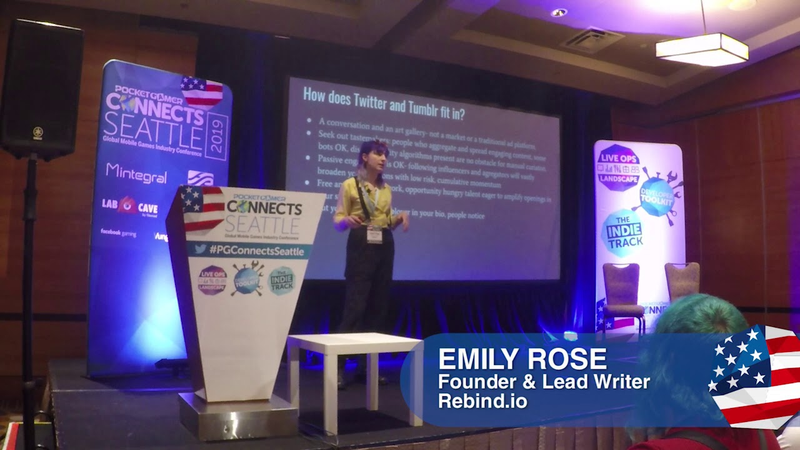
How can we grow the social reach of micro-indies?
The presentation explores strategies for micro-indie developers to improve discoverability and social reach within an increasingly saturated and algorithmically complex gaming landscape.
- Micro-indie developers should prioritize itch.io over mainstream storefronts like Steam to benefit from superior tag management, zero entry fees, and a more accessible, enthusiast-focused audience.
- VR arcades represent an underutilized distribution channel for narrative-driven or non-action games, offering a 'Goldilocks zone' that caters to diverse demographics seeking unique content.
- Social media reach is best achieved through consistent, passive engagement on platforms like Twitter and Tumblr using motion-based content such as GIFs.
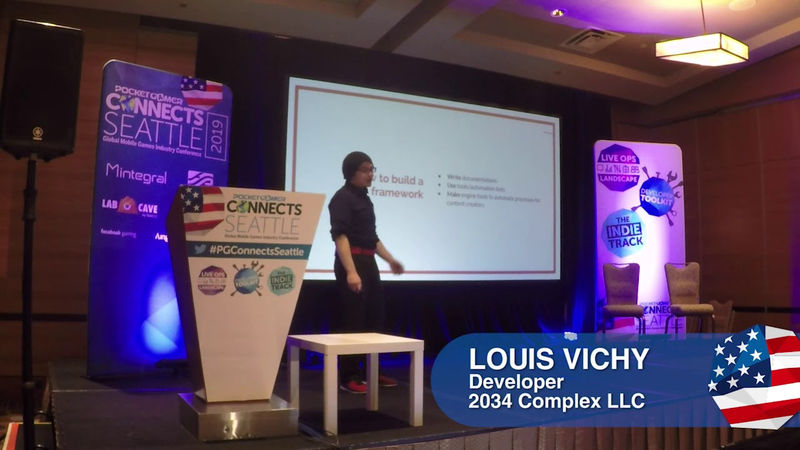
Technical indie game developer tips for starting your framework early
Establishing a robust development framework early in the production cycle is essential for indie game studios to maintain efficiency, scalability, and team cohesion.
- Establishing a formal development framework early allows indie studios to transition from prototyping to scalable production pipelines, directly addressing constraints in time and team size.
- Implementing structured pipelines for repetitive tasks can yield significant efficiency gains, such as reducing cinematic production staff from five developers to two and cutting total production time by 50%.
- Indie teams should prioritize using industry-standard engines and extending them with custom tools to solve specific bottlenecks, rather than attempting to build custom engines from scratch.
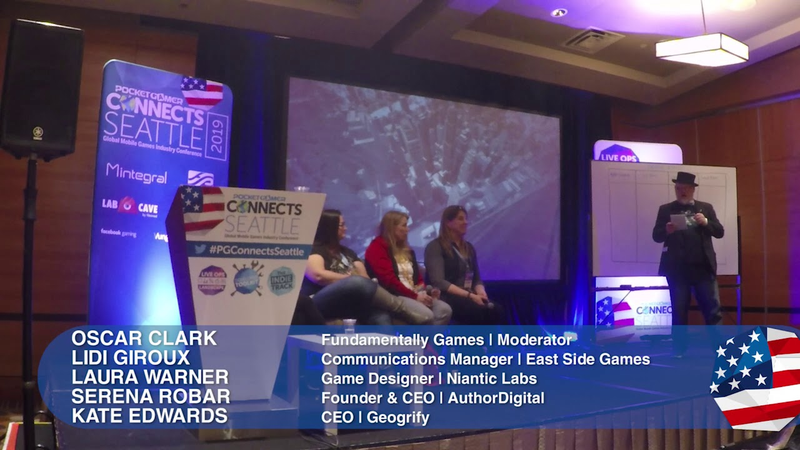
Fantasy games pitching
This session from Pocket Gamer Connects Seattle 2019 explores the creative challenges of game design and the unpredictability of market concepts through an interactive pitching exercise.
- Visual cues are often misinterpreted by observers, highlighting a significant disconnect between a game's initial aesthetic impression and its actual core gameplay mechanics.
- The 2019 Pocket Gamer Connects Seattle session demonstrated that developers frequently project complex, sophisticated systems—such as emotional comfort meters or social simulations—onto obscure titles that may actually feature surreal or simplistic designs.
- Pitching exercises serve as a vital tool for testing creative agility, forcing designers to synthesize disparate visual elements into cohesive narratives under time pressure.
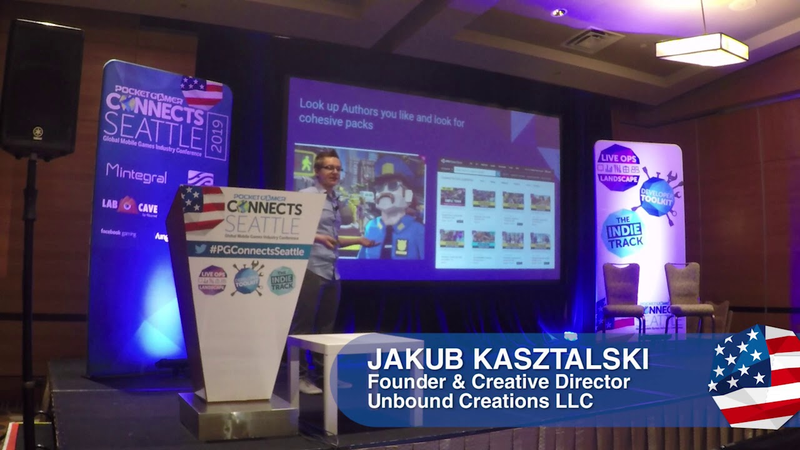
How to mix third-party assets without your game looking cheap
Jakub Kasztalski, founder of Unbound Creations, provides a strategic framework for independent developers to utilize third-party assets without compromising visual cohesion or quality.
- The perception of 'cheap' third-party assets is primarily caused by a lack of artistic direction and visual inconsistency rather than the quality of the assets themselves.
- Developers should establish a clear visual vision during pre-production by creating mood boards, conducting competitor research, and developing a style guide to filter asset selection.
- Disparate assets can be harmonized using post-processing techniques such as adjusting hue, saturation, lighting, and shaders to ensure they align with the game's unified aesthetic.
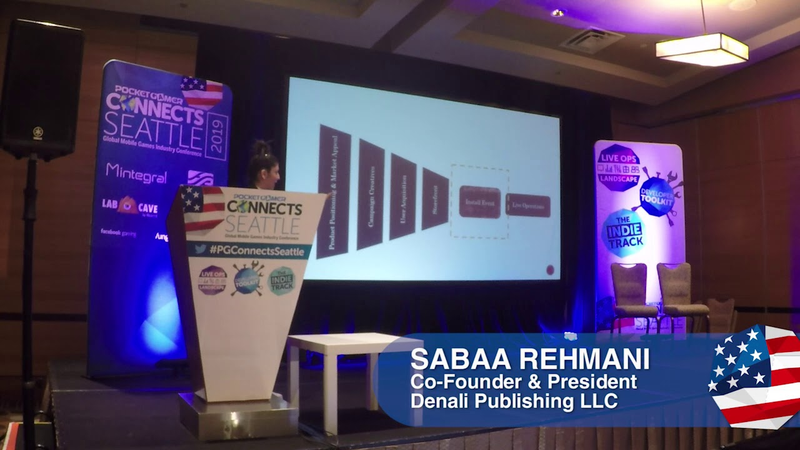
Publishing 101: A crash course in navigating today’s mobile marketplace
The mobile game publishing landscape is characterized by extreme saturation and high competition, requiring developers to adopt a systematic, data-driven approach to achieve scalability.
- Achieving scalability requires maintaining a positive delta where the lifetime value (LTV) of a user consistently exceeds the cost to acquire (CAC) that user.
- Developers must prioritize product stability and retention metrics before scaling acquisition, as poor user experience renders marketing spend ineffective by creating a 'leaky bucket' scenario.
- Success in a saturated market depends on a data-driven, iterative cycle that uses attribution partners and analytics SDKs to distinguish between organic and paid traffic performance.
Microsoft E3 Press Conference | Games ReCAP Episode 002
Microsoft’s E3 2019 presentation signaled a strategic pivot toward long-term ecosystem building, characterized by aggressive studio acquisitions and a focus on service-based growth.
- Microsoft is aggressively acquiring studios, including Obsidian, Ninja Theory, and Double Fine, to build an exclusive content library for the upcoming Scarlett console launch.
- The industry is shifting toward double-A development as a sustainable financial alternative to the high-risk, blockbuster-scale projects that currently dominate the market.
- Microsoft’s E3 2019 presentation prioritized service-based growth through the Game Pass model, though it faced criticism for lacking the surprise announcements needed to drive momentum for Gears 5 and Halo Infinite.
I PLAYED YOUR GAMES! | Let's Talk Game Design.
This analysis examines a series of design critiques provided for various indie game projects submitted by a community of developers.
- Prioritize gameplay-critical visual elements over decorative particles in top-down shooters to minimize visual clutter and improve player clarity.
- Design puzzle game levels with compact playing fields to ensure players can immediately grasp the full scope of a challenge.
- Combat mechanics in action titles should incorporate environmental hazards and varied enemy behaviors to prevent repetitive, close-range spamming and encourage strategic depth.
Game Dev: 8 Tips on Vision Keeping! - (and Game Update)
Maintaining a coherent development vision is essential for creating a distinct, marketable, and successful indie game. A lack of clear direction often leads to fragmented design and development inefficiencies.
- Establish a core vision early in development using visual and gameplay prototypes to align team expectations and prevent fragmented design.
- Evaluate every design decision, including difficulty and character aesthetics, against the central identity of the game to ensure all features serve the primary vision.
- Identify and prioritize the specific unique mechanics or narrative hooks that define the game's marketability, relegating or removing features that do not support these core elements.
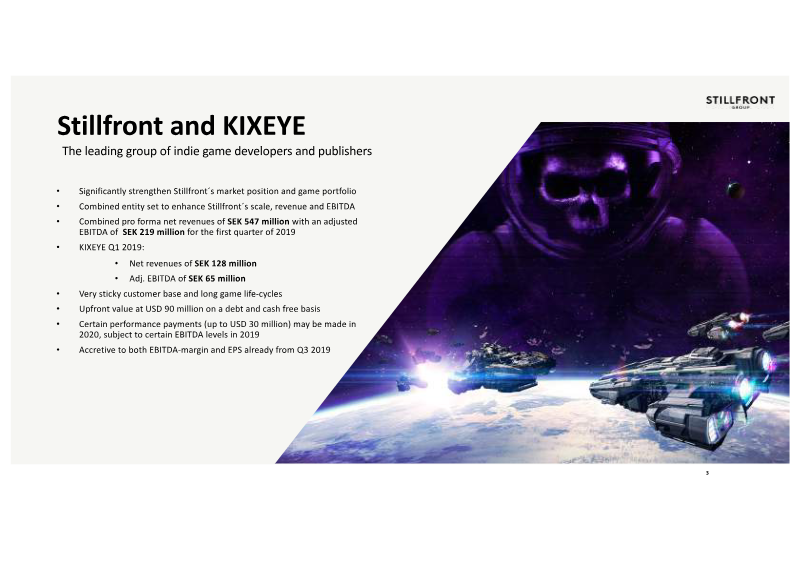
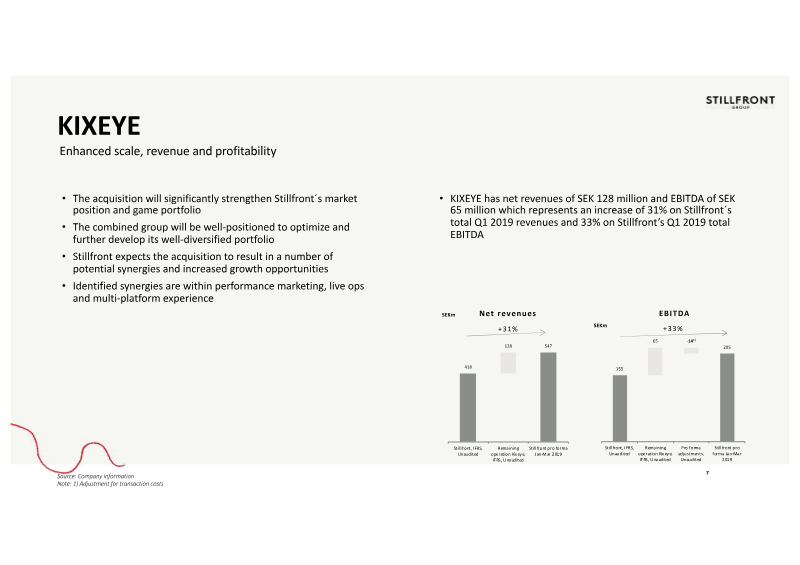
Stillfront Group Acquisition of KIXEYE, Inc.
Stillfront Group’s acquisition of KIXEYE, Inc. serves to bolster the company’s market position and expand its portfolio of indie game developers.
Art Direction Bootcamp: Pantalones! Things I Wished I knew Prior to Becoming an Art Director
This presentation outlines essential lessons for transitioning from an artist to an art director within the video game industry, drawing on the speaker’s experience scaling a studio from a small indie team to a 120-person AAA organization.
- Successful art direction requires shifting focus from maintaining absolute creative control to fostering team motivation, delegating authority, and managing interpersonal dynamics.
- Art directors must avoid micromanagement by hiring specialists and granting them genuine ownership over their work, which improves both output quality and employee engagement.
- To effectively lead, art directors should provide clear, goal-oriented direction rather than prescriptive solutions, allowing artists the creative freedom to solve problems within established parameters.
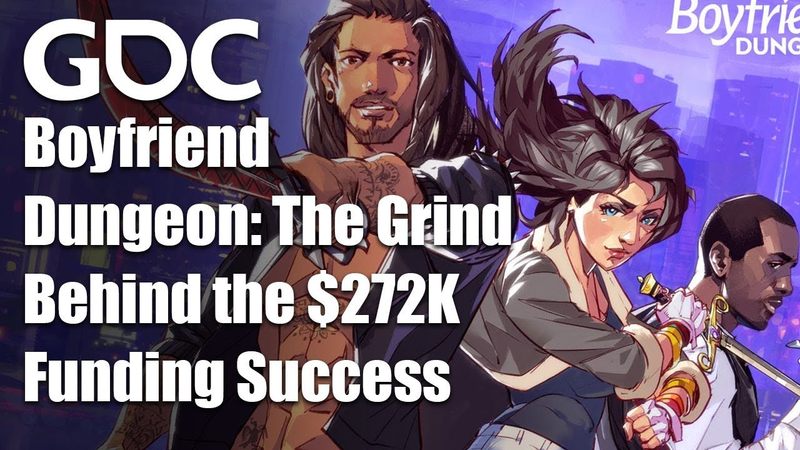
Game Discoverability Day: NOTICE ME: The Grind Behind the $272K Funding Success of Boyfriend Dungeon
The successful crowdfunding of the indie title Boyfriend Dungeon, which raised $272,000 against a $65,000 goal, serves as a case study for effective game discoverability and community-driven marketing.
- Boyfriend Dungeon achieved 418% of its funding goal, raising $272,000 against a $65,000 target by prioritizing community-driven engagement over paid advertising.
- Twitter served as a critical conversion engine, driving 17% of total pledges—a rate significantly higher than the industry average of less than 1%.
- A high-conversion hook must be immediately understandable, utilizing a clear 'one-sentence' pitch that combines distinct genres, such as the game's 'dating sim meets dungeon crawler' premise.
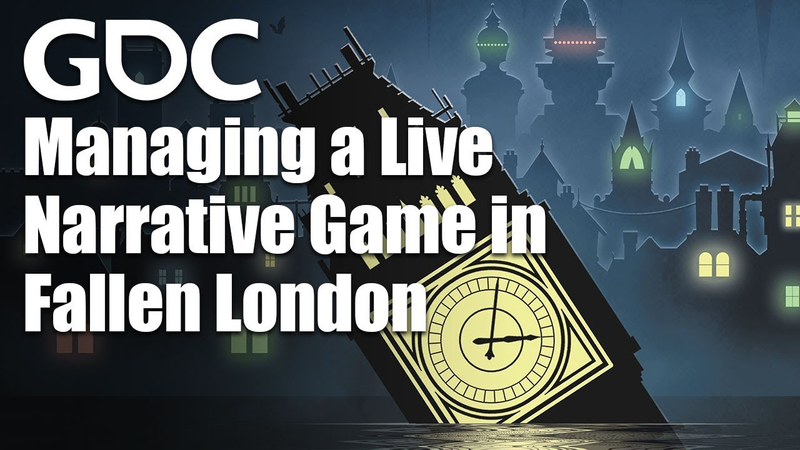
Feeding the Maw: Managing a Live Narrative Game in Fallen London
Fallen London, a decade-old free-to-play browser game, serves as a critical financial and creative anchor for the London-based indie studio Failbetter Games.
- Failbetter Games uses the decade-old browser game Fallen London as a financial anchor, providing stable revenue that de-risks the development of standalone premium titles like Sunless Sea and Sunless Skies.
- The studio’s monetization strategy relies on the 'Exceptional Friendship' monthly subscription model, supplemented by 'Fate,' a premium currency used for one-off narrative purchases.
- To maintain subscriber retention, the studio produces approximately 100,000 words of exclusive narrative content annually, which is later sold individually to ensure long-term revenue.