indie
CompanyUnited States
Documents about indie

Let's Dev | Episode 002: Once Upon a Coma (Highlights)
This technical walkthrough details the digital art production process for Once Upon a Coma, an indie game developed in the Unity engine.
- Environmental storytelling relies on visual composition techniques like using silhouettes for scale reference and framing elements such as trees and mist to direct player focus.
- Atmospheric depth is achieved in Unity-based projects by applying Gaussian and motion blur techniques to background layers within Adobe Photoshop.
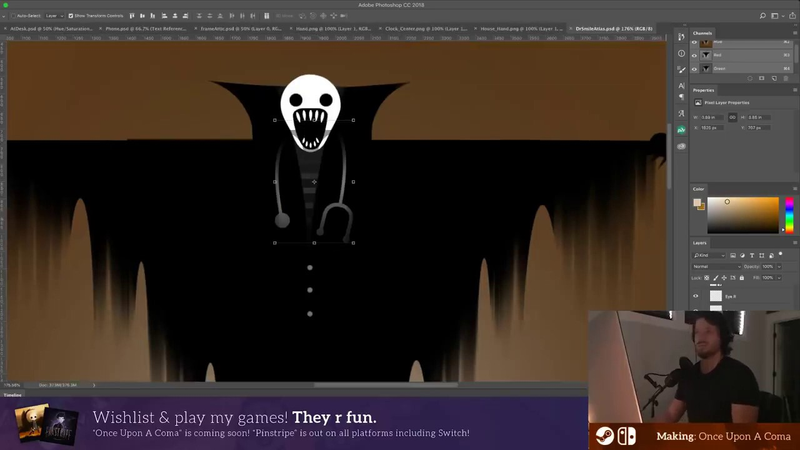
- Character design for antagonists like 'Doctor Smile' prioritizes unsettling, elongated features inspired by horror literature while avoiding excessive detail until the primary silhouette is finalized.
Let's Dev | Episode 001: Once Upon a Coma (Highlights)
This account details the final stages of production for the indie game Once Upon a Coma, developed in Unity.
- The development of Once Upon a Coma utilizes environmental storytelling and visual cues in Unity to convey narrative depth without relying on explicit dialogue.
- The production process employs iterative asset design, incorporating real-time community feedback to refine aesthetic quality and world-building.
- Transitioning from alpha testing to final launch is a high-stress phase that requires managing both the logistical burden of fixing thousands of bugs and the emotional toll of critical feedback.
RimWorld: Contrarian, Ridiculous, and Impossible Game Design Methods
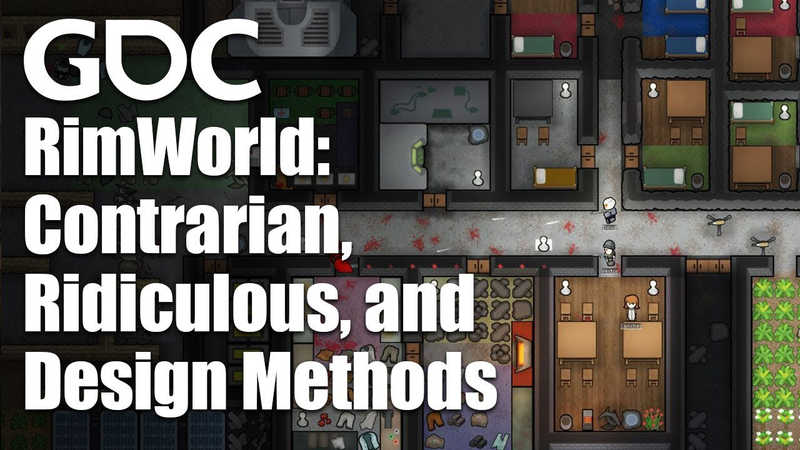
RimWorld succeeds by fundamentally rejecting the traditional game design framework that prioritizes skill-based progression and competitive balance.
- Shift the design focus from traditional 'game' mechanics—which prioritize competition and player victory—to a 'story generator' frame that allows for comical misfortune and emotional narrative development.
- Leverage the human tendency toward apophenia, where players naturally anthropomorphize and find deep social meaning in simple, abstracted symbols and events.
- Prioritize the 'coolness-to-cost' ratio when evaluating features rather than simply asking if an idea is cool, as many cool ideas are not worth the development effort.

When to call it quits... (Indie Game Dev Q&A)
This analysis addresses the challenges of transitioning to full-time indie game development, focusing on narrative design, business sustainability, and the psychological aspects of creative entrepreneurship.
- Long-term indie success requires balancing artistic vision with a rigorous business strategy, treating financial sustainability as the necessary infrastructure for creative longevity.
- Financial viability is not an accidental byproduct of game quality but the result of intentional marketing and strategic revenue planning.
- Developers should adopt a hybrid revenue model, combining irregular capital injections like game sales and publisher advances with stable, recurring income from platforms like Patreon and YouTube.

Why going 2D to 3D was an epic challenge in Risk of Rain 2
The transition from a 2D to a 3D environment in Risk of Rain 2 serves as a primary case study for the technical and design challenges inherent in evolving a successful indie franchise.
- The developers maintained the franchise's signature high-intensity chaos by utilizing a unified base class for players, enemies, and AI, which ensures consistent movement and inventory logic across all entities.
- To manage the computational load of dynamic lighting during combat, the game employs deferred rendering, which calculates lighting based on screen resolution rather than individual vertices.
- The transition to 3D movement necessitated a sprint mechanic and a lowered camera height to prevent the gameplay from feeling sluggish compared to the original 2D iteration.

Game Dev Reviews A STUPID HARD Rogue-lite | Enter The Gungeon NEW UPDATE!
The development and commercial success of the roguelite game Enter the Gungeon serve as a case study for modern game design, specifically focusing on the intersection of technical execution, player engagement, and marketing strategy.
- Long-term profitability in the modern indie market relies on prioritizing streamability and replayability to foster organic marketing through consistent, long-form content creator coverage.
- Game feel, defined by immediate and responsive feedback to player inputs, is a critical technical requirement for maintaining player engagement in high-difficulty roguelite titles.
- Technical optimization, specifically the use of sprite sheets and efficient lighting, was essential for overcoming Unity engine performance limitations on consoles like the PlayStation 4 during the 2016 development cycle.
How to Market Your Indie Game!
Successful indie game marketing relies on a foundational strategy centered on product design, audience engagement, and strategic distribution.
- Marketing success is primarily determined by product design; developers should prioritize creating unique, watchable concepts that offer a clear, relatable fantasy to ensure organic interest from content creators.
- Establishing a Steam store page as early as possible is essential for accumulating wishlists, which serve as the primary driver for platform visibility and algorithm placement.
- High-quality trailers and store thumbnails are the most critical assets for maximizing click-through rates and should be the focus of visual marketing efforts.
Financial Results Briefing for Fiscal Year Ended March 2019: Nintendo
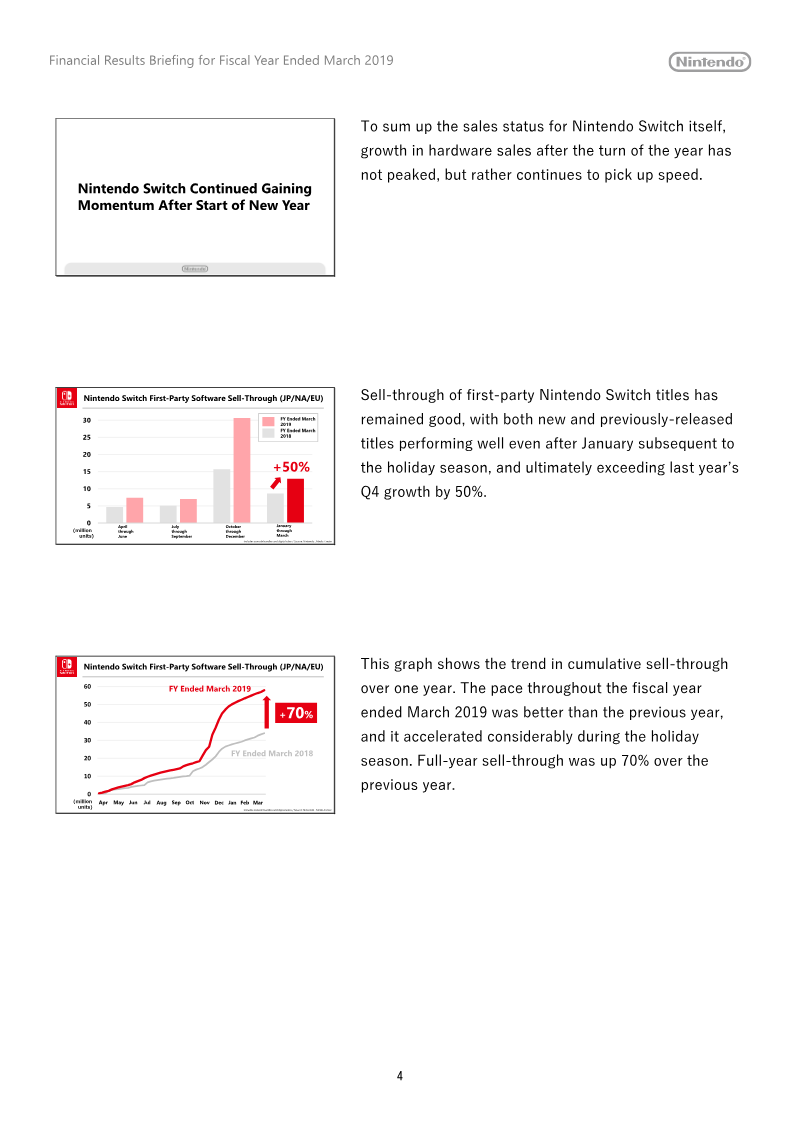
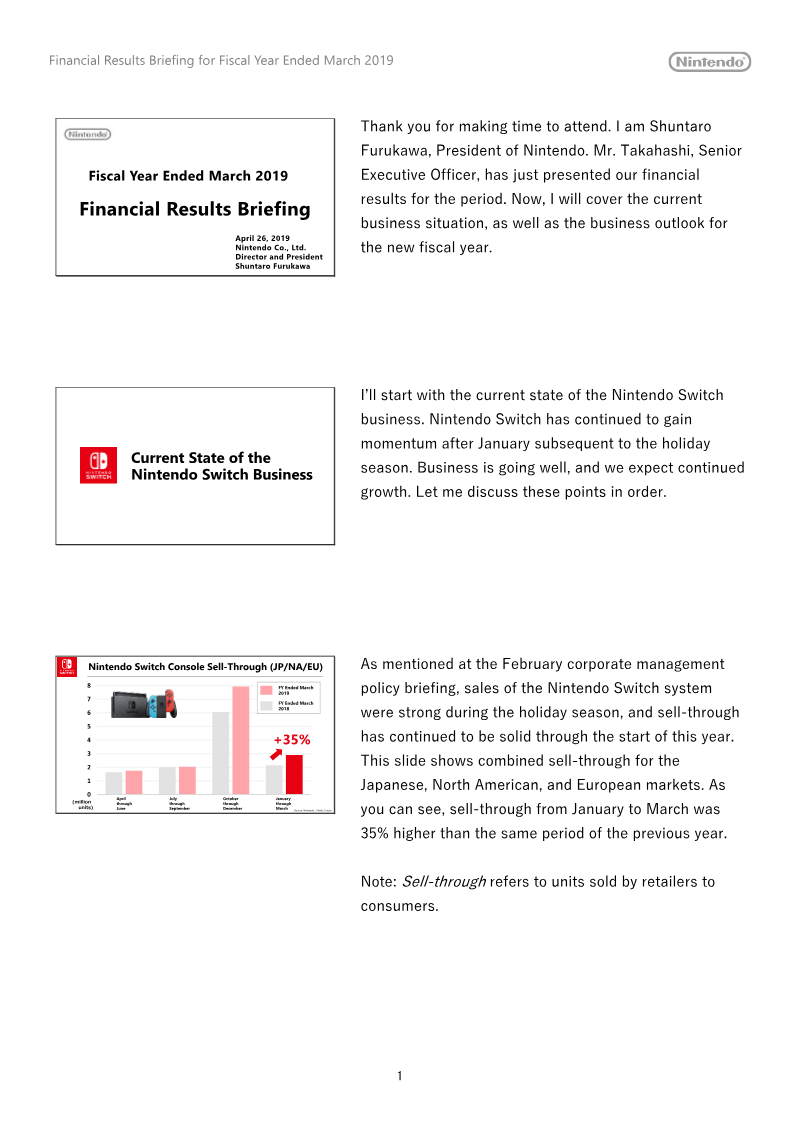
The fiscal year ended March 2019 marked a period of sustained growth for Nintendo, characterized by the continued momentum of the Nintendo Switch platform across Japan, North America, and Europe.

So I got this email...
The provided text details the personal and professional struggles of an independent game developer navigating the financial and psychological pressures of the industry.
- Independent game developers should prioritize securing traditional, full-time employment to decouple creative output from immediate survival needs and financial desperation.
- Relying on viral success or influencer marketing is an unreliable business strategy, as even high-performing game launches often fail to generate sufficient revenue to cover living expenses and debt.
- The pressure to achieve commercial success to solve personal financial crises can stifle creativity, leading to the development of 'soulless' products that lack long-term engagement.

Apple’s $500MM Bet on Arcade and the Future of Mobile Gaming
Apple’s introduction of the Apple Arcade subscription service represents a strategic effort to diversify revenue streams and mitigate the impact of slowing hardware sales.
- Apple has earmarked approximately $500 million to fund the development of exclusive titles for its Apple Arcade subscription service.
- Apple is offering indie developers between $1 million and $3 million in funding per title to create exclusive games that are free of advertisements and in-app purchases.
- The service is a strategic effort to offset slowing iPhone hardware sales and declining app download volumes by shifting focus toward subscription-based services.

Game dev reacts to INSANE PHYSICS game | Totally Accurate Battle Simulator
Totally Accurate Battle Simulator (TABS) serves as a case study for successful indie game development, emphasizing the importance of physics-based mechanics, strategic art direction, and high streamability.
- Landfall prioritized long-term product viability over rapid release cycles by choosing to scrap and rebuild core game components to ensure evergreen engagement.
- The game’s high streamability and sandbox design facilitate organic, free marketing on platforms like Twitch, serving as a primary driver for profitability.
- Developers achieved an economical, trendy aesthetic by using stylized polygon art and a warm, yellow-tinted pastel palette, which avoids the need for high-end graphical assets.
We Released Our Game on Steam!
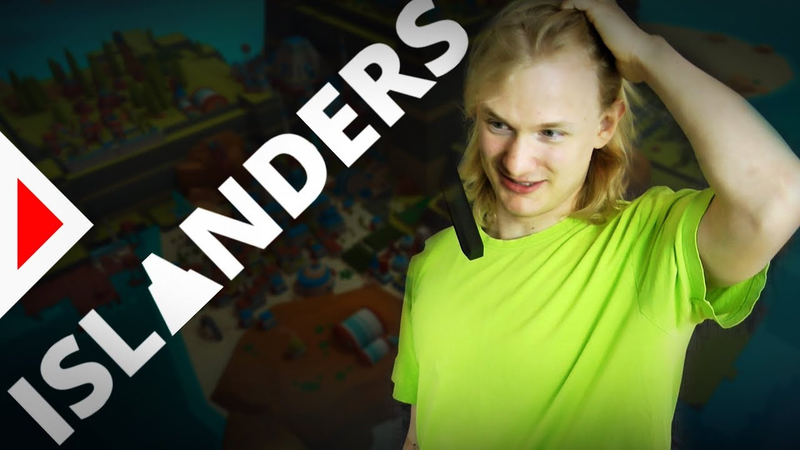
The launch of the minimalist strategy game Islanders on Steam marks a significant milestone for Grizzly Games, characterized by immediate commercial success and high visibility on the platform’s front page.
- Grizzly Games achieved immediate commercial success and high platform visibility upon the Steam launch of their minimalist strategy title, Islanders.
- The launch phase required the small indie team to pivot rapidly toward high-volume technical maintenance, bug fixing, and community management to support a suddenly expanding player base.
- Islanders differentiates itself from traditional city builders by removing complex resource management in favor of a procedural, point-based system focused on building placement and proximity bonuses.