indie
CompanyUnited States
Documents about indie
Make Games, Better with Rupie.io | Game Dev Unchained Episode 194
Rupie.io serves as a comprehensive infrastructure platform designed to professionalize the independent game development sector by automating essential back-office operations.
- The game industry currently faces an 85 percent failure rate for development projects, primarily due to poor business management, inadequate resources, and ineffective feedback loops.
- Rupie.io provides an infrastructure platform that automates back-office operations, including logistics, scheduling, and payment processing, to stabilize early-stage indie studios.
- The platform operates a vetted marketplace that connects independent developers with experienced professionals displaced from AAA studios to improve project viability.

Build Your Own Reputation and Help Others with Marketing with Derek Lieu | GduX.me
Establishing a sustainable career as an independent creative requires a deliberate strategy of niche specialization and proactive reputation management.
- Specialize in a narrow professional niche to transition from a generalist freelancer to an essential expert, which reduces client risk and builds long-term authority.
- Document and share your specific creative workflows and knowledge to establish trust and create a sustainable marketing engine for your services.
- Price your work based on the tangible value delivered to the client and market impact rather than the perceived effort or time required to complete a task.
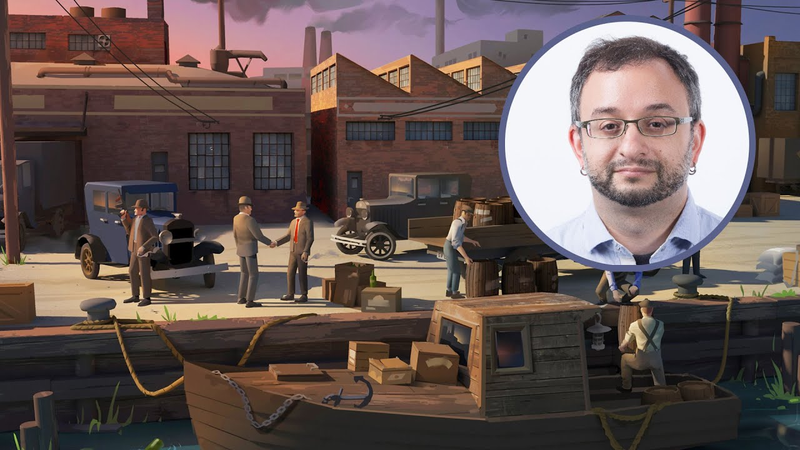
Socialist Revenue Sharing in a Indie Studio with Matthew Viglione | GduX.me
SomaSim utilizes a decentralized, socialist-inspired revenue-sharing model to maintain financial independence and creative autonomy within the independent game development sector.
- SomaSim operates as a collective of independent contractors who are compensated based on total hours contributed to a project rather than traditional fixed salaries.
- The studio utilizes a decentralized, socialist-inspired revenue-sharing model that grants every contributor full access to financial data and a pre-defined percentage of earnings.
- By funding future development through the proceeds of previous titles since 2014, SomaSim maintains financial independence and avoids the pressures of external venture capital or stakeholders.

Building Up a Indie Company with Karla Zimonja | GduX.me
Professional growth in the game industry requires a proactive approach to skill acquisition, particularly for those transitioning from large-scale AAA environments to independent development.
- Transitioning from AAA to indie development requires moving from rigid specialization to cross-disciplinary knowledge to handle the multifaceted demands of running a studio.
- Studios should prioritize hiring a dedicated producer once the team reaches approximately ten people to manage operational scaling and reduce bureaucratic friction.
- Remote-first indie teams must prioritize hiring individuals who demonstrate proactive communication skills and the ability to execute tasks independently.
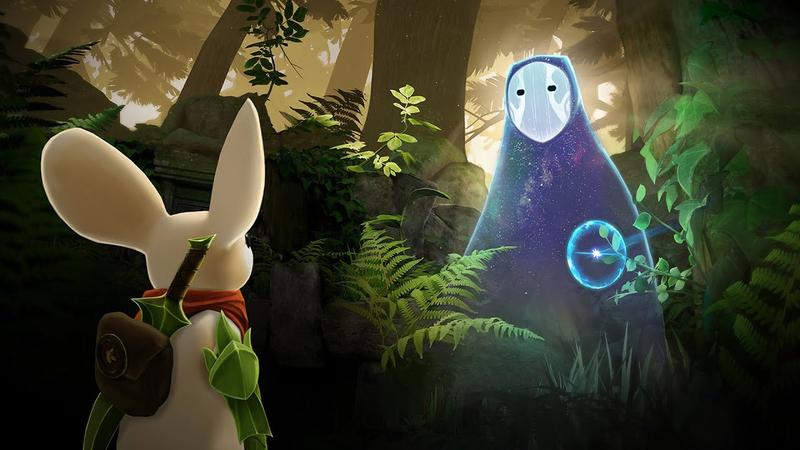
Leveraging the Turbulent Roller Coaster of Life with Richard Lico | GduX.me
Game development achieves its highest potential when mechanics serve as conduits for genuine human emotion rather than mere functional progression.
- Game mechanics should be designed as conduits for human emotion rather than functional progression, prioritizing character soul over mechanical motion to foster player empathy.
- Professional longevity in the game industry is best achieved by diversifying skill sets across complementary disciplines like rigging, modeling, and scripting to hedge against market volatility.
- Transitioning from major studios to independent development requires rigorous financial planning and full accountability for output to mitigate the inherent instability of the indie sector.
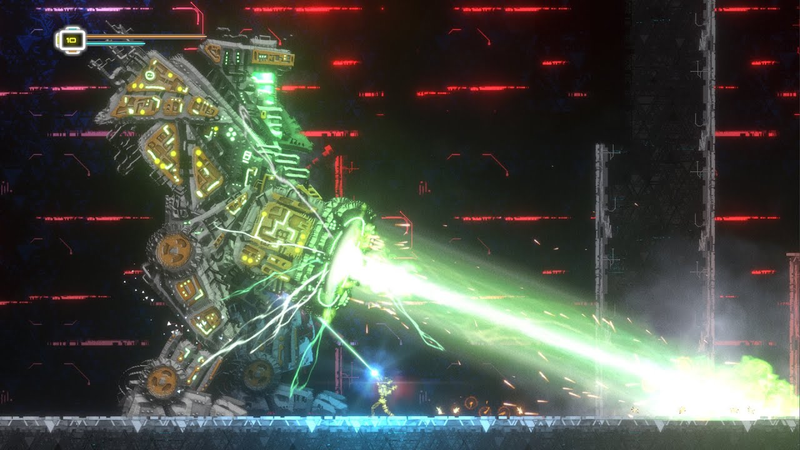
Full Indie: Taking the Leap of Faith with Jeff Spoonhower | GduX.me
Transitioning from a stable career in AAA game development to the independent sector requires a fundamental shift in mindset, moving from a specialized creative role to an entrepreneurial one.
- Independent game development requires a shift from a specialized AAA creative role to an entrepreneurial mindset focused on disciplined execution and commercial viability.
- To mitigate financial risk, developers must secure at least one year of financial runway before transitioning to independent production.
- Maintaining a strictly limited project scope is essential for completion, as it helps manage the unforeseen technical and creative challenges inherent in small-team development.
THIS IS A WARNING! - Indie Game Devlog
This account of indie game development provides a realistic, unvarnished look at the daily operations of a professional developer.
- Professional game development is defined more by tedious maintenance, bug fixing, and administrative tasks than by creative design work.
- Post-launch success for a title like Islanders requires managing significant technical debt, including verifying save-file compatibility and resolving platform-specific issues on Linux and Mac.
- The daily reality of an indie developer involves substantial bureaucratic burdens, such as legal entity formation and tax documentation, which frequently consume time intended for game production.
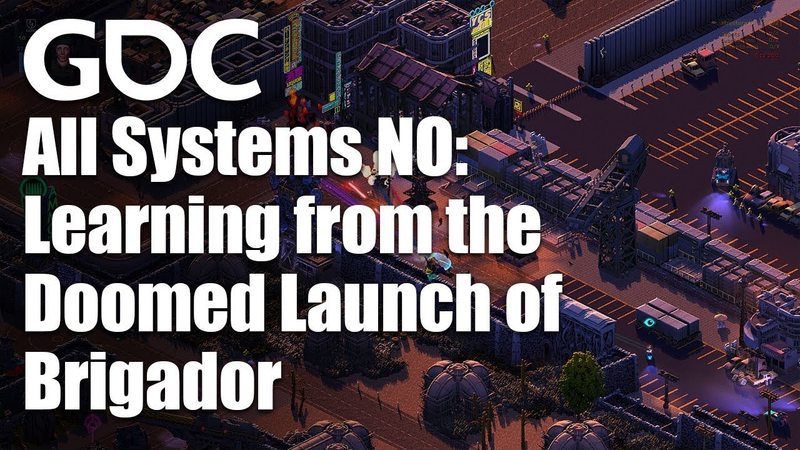
All Systems No: Learning from the Doomed Launch of Brigador
The debut of the indie title Brigador serves as a cautionary case study on the disconnect between critical acclaim and commercial viability.
- Marketing must prioritize conveying the subjective player experience over technical feature lists, as traditional trailers often fail to communicate a game's core value proposition.
- Personality-driven outreach and candid discourse on public forums can be highly effective, with such efforts accounting for approximately one-third of total sales for niche titles.
- Indie developers should prioritize intuitive onboarding over complex tutorials, as the majority of players drop off within the first two hours of gameplay.
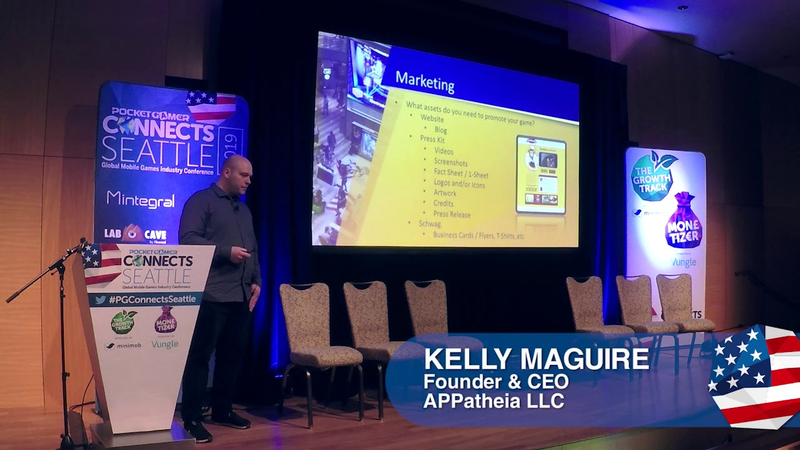
Marketing and business on a budget for indie developers
Indie game development requires a shift in perspective from viewing a project as a creative passion to treating it as a commercial product.
- Indie developers must treat marketing and monetization with the same level of rigor and resource allocation as the actual game development to succeed in a competitive market.
- Marketing strategy should focus on identifying a unique selling proposition and communicating it through concise, digestible content tailored to short attention spans.
- Paid acquisition should leverage sophisticated targeting on platforms like Facebook, Instagram, and Google, while utilizing cost-per-install networks and micro-influencers for scalable growth on limited budgets.
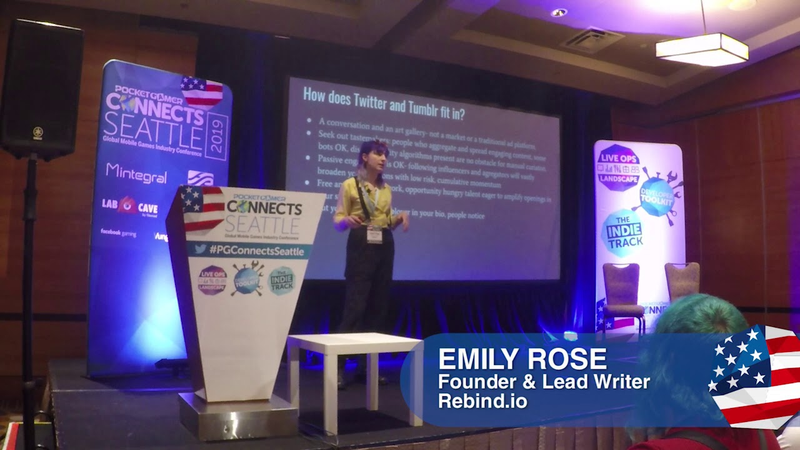
How can we grow the social reach of micro-indies?
The presentation explores strategies for micro-indie developers to improve discoverability and social reach within an increasingly saturated and algorithmically complex gaming landscape.
- Micro-indie developers should prioritize itch.io over mainstream storefronts like Steam to benefit from superior tag management, zero entry fees, and a more accessible, enthusiast-focused audience.
- VR arcades represent an underutilized distribution channel for narrative-driven or non-action games, offering a 'Goldilocks zone' that caters to diverse demographics seeking unique content.
- Social media reach is best achieved through consistent, passive engagement on platforms like Twitter and Tumblr using motion-based content such as GIFs.
Technical indie game developer tips for starting your framework early
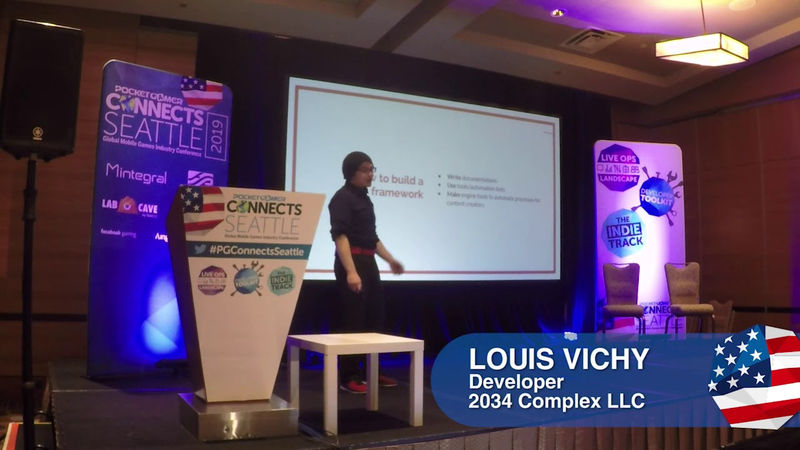
Establishing a robust development framework early in the production cycle is essential for indie game studios to maintain efficiency, scalability, and team cohesion.
- Establishing a formal development framework early allows indie studios to transition from prototyping to scalable production pipelines, directly addressing constraints in time and team size.
- Implementing structured pipelines for repetitive tasks can yield significant efficiency gains, such as reducing cinematic production staff from five developers to two and cutting total production time by 50%.
- Indie teams should prioritize using industry-standard engines and extending them with custom tools to solve specific bottlenecks, rather than attempting to build custom engines from scratch.
Fantasy games pitching
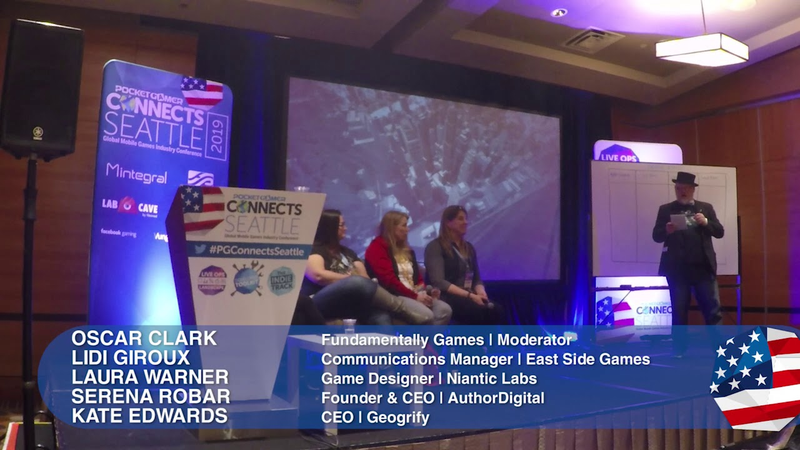
This session from Pocket Gamer Connects Seattle 2019 explores the creative challenges of game design and the unpredictability of market concepts through an interactive pitching exercise.
- Visual cues are often misinterpreted by observers, highlighting a significant disconnect between a game's initial aesthetic impression and its actual core gameplay mechanics.
- The 2019 Pocket Gamer Connects Seattle session demonstrated that developers frequently project complex, sophisticated systems—such as emotional comfort meters or social simulations—onto obscure titles that may actually feature surreal or simplistic designs.
- Pitching exercises serve as a vital tool for testing creative agility, forcing designers to synthesize disparate visual elements into cohesive narratives under time pressure.