1 free read left. Create a free account for unlimited reading + AI research.
Create free account
Leveraging the Turbulent Roller Coaster of Life with Richard Lico | GduX.me
Key insights
6 takeaways- 01Developers can enhance player resonance by grounding virtual interactions in real-world observations, allowing players to project their own histories onto the game world.
- 02Game mechanics should be designed as conduits for human emotion rather than functional progression, prioritizing character soul over mechanical motion to foster player empathy.
- 03Transitioning from major studios to independent development requires rigorous financial planning and full accountability for output to mitigate the inherent instability of the indie sector.
- 04Career moves into independent work should be driven by long-term self-fulfillment and creative growth rather than reactionary responses to workplace dissatisfaction.
- 05Professional longevity in the game industry is best achieved by diversifying skill sets across complementary disciplines like rigging, modeling, and scripting to hedge against market volatility.
- 06Expanding beyond specialized roles into a broader, adaptable professional identity provides creators with greater control over their career trajectories and project autonomy.
Ask AI about this video
Transcript
[Music] Richard Legos definitely here he's been a part of our podcast so I love having you back you've done roundtables I've done a podcast with us and who else would we want to bring to our first G notes external other than yourself you're royalty around these parts if you ask me so thank you very much you guys are out of here well it's a we're actually starting on time right now so whenever you're ready record think the landscape is yours all right can you guys hear me all right cuz I can't hear myself so we're good all right you hear you're perfect yeah yeah excellent all right cool so uh so let's take a moment today to talk about the communication loop with our players when we make games but - let me click on this screen and then when I press my spacebar it actually works all right so Who am I well Brandon and
Larry did a fine job introducing me thanks guys um I'm animation director at Poly art games I've been animating for just shy of 20 years in games now contributed to 13 games plus DLCs and whatnot and been having a lot of fun in this industry I never thought I'd see the day where I got to be the old man but I think I'm getting there sooner than I had planned and I got to work on all these cool games here so let's see I just got to move this real quick okay so building a better communication loop by connecting with players over shared life experiences it's is the title of this and it's it's a long title and quite a mouthful it's kind of like a Brian Adam song from the 90s but it's a topic I think a lot about well as game developers I'm sure we're not alone we all do but events in my life over the
last few years have really forced me to focus on this topic and see things from a different perspective primarily having the opportunity to create the our characters who do more than respond so the traditional button inputs have brought this topic to a forefront for me and I wanted to share some of the thoughts I've had perhaps if I'm lucky maybe even inspire some people along the way that's why we're here right so this is about us the developers and our relationship with our players so traditional entertainment mediums such as film books music illustrations there there are passive media there are passive entertainment meaning the users interactions aren't necessary to enjoy the entertainment itself this means that us game developers we need to see things a little differently when a player presses a button on a Famicom controller here there's an opportunity for us not only are we communicating our designs are in our
intentions or are our stories are our creations players are communicating back to us they're giving us the opportunity to get their input their opinions their intent so a press of a button is a conviction they're opening themselves up to us right now I know well I'm not saying anything revolutionary here we kind of all know this as game developers but we may not all realize just how powerful this interactivity is when using this communicational to leverage the players emotions so you see up until the last decade or so gaming has has been in its conceptual phase meaning game evolution of the past consisted of simple advancements like making a sprite look like a human or making a floor look like a floor essentially advancements were about the technology itself what can we do with new hardware X that we couldn't do before so much like early
film we're centered around the gag as the primary means of entertainment early games were primarily a test of skill most games revolved around a score or the notion of completion it wasn't until somewhat recently that games began to focus on a more wider range of human emotions so it's not a language we have a ton of experience in passive media has been around a lot longer than so film directors musicians painters Rihanna who gave a great talk on this they all have a longer history of eliciting emotion from their audience yet many of us have roots in these other forms of entertainment so it's natural for us to leverage that knowledge as we move to game development but since those other forms of entertainment don't have the same interactivity as games we often rely on non interactive linear time to draw emotions from our players this is
why games trying to tackle more complex emotions will often rely on sweeping cinematic scenes for example now film is often referred to as one of if not the biggest influence on game development and oftentimes when people dissect a film they'll talk about the story the story an Avengers endgame is about the snap heard around the world and the following events but let me ask this question what makes a good story is it is it really the event progression you see emotions are a fairly abstract concept which are actually quite difficult to describe if I were to say a particular film has emotions you'd likely be confused by my statement unless I was talking about inside out here the English language has no word to define a sequential set of emotions centered around events at least none that I'm aware of so when I talk about the words story
from here on out I'm referring to that set of emotions centered around events more so than the events themselves yet oftentimes when when people think of the word story they'll often think of events and rightfully so if you look up the synopsis for the neverending story it begins by describing events as on his way to school Bastian ducks into the bookstore to avoid bullies sneaking away with a book called the neverending story Bastian begins reading it from the school attic and it keeps going but for those of you who've seen the film you'll likely think of this scene or maybe this scene or this scene I mean I don't know what you guys but this scene here had me bawling as a kid and each of these scenes is about stirring emotion in the audience and even though it's important for a story to provide a framework of events the real guts of a story is your emotional reaction to those events right and game development is really no
different like when most developers mention the word story it's usually in the context of describing events but with the added elements of player communication so in this scene here some may say that the story is about a fallen ship which drops off a Devil Walker to engage the player I believe the story is about a sense of dread the delivery of a threat the anticipation of a great battle and eventual feeling of accomplishment or the frustration of defeat if you're me but this is just one example of a basic story in games stories can actually take on lots of different forms so at its most basic level a game is really just a set of rules and an input venue for players to manipulate those rules you know board games video games sports even um a crossword puzzle in the Sunday paper there they're all games now traditionally stories haven't been told by the game itself but are about the
events which unfold during the game from the legend of Babe Ruth to evil moment 37 - whatever's happening to that guy of the yellow ball of his nose stories are stories about about games have traditionally been told by the micro decisions of its players eventually being organized by storytellers into a sequence of events now let's take a deeper look at ebo moment 37 here what made this one of gaming's greatest eSports moments was it died goes technical prowess on display pirate all 15 hits of chun-li super into a maximum damage combo to finish the round was it the fortitude to do it in a clutch moment under so much pressure well yeah and no and these are our facts is certainly there understand but the real reason it's such an incredible moment is because we as gamers can share in both of their feelings we know what the exhilaration
of hard-fought success feels like or how the shock of having something well fought for taken from us we have empathy for both players we we have an understanding of how insanely clutch such an outcome actually was we even feed off the audience's reactions these emotions are a shared social event that we're all part of now given the rise of social media and streaming many stories are being made every day within the confines of fortnight and other hot multiplayer games and it's not just the events inside the games themselves catching our attention it's the stories about the very personalities of the streamers the things that they say or do in and outside the games are our stories when our favorite streamers suffers a horrible breakup and then you watch him crush his opponents in fortnight you're not just seeing him when you're feeling his anguish because we've all been there
but not all games are built around the player's actions being the story God of War for example is about kratos an antihero once guided by pure rage now needing to move past that so he may raise his son who knows nothing of his past and it takes place in a world meant to make the player feel small the events of the story are important to frame the context but the real emotion from the story comes from our own lives it comes from the moments we've experienced which allows us to have empathy for Kratos and his son that feeling of rage and how difficult it can be to control it a sense of responsibility towards someone who depends on you and when I had kids it makes a big difference in your life the shame we all feel for dumb things in our past and the real genuine fear that people we love may judge us harshly for them the Last of Us is about surviving
the zombie apocalypse and shotgunning clickers isn't it at least on the surface it is it's really actually about puberty and the death of loved ones and family bombs and the dangers of having hope and seeing it crushed it's about the moments when Ellie loses herself in rage and Joel tries to hold her clothes to remind her that she's not alone again it's about us we all know what it feels like to lose someone close to us to feel hope and have it crushed to turn to family in times of need now the Last of Us reminds us how cold the wet air and the fall can actually feel or how majestic a giraffe can be up close and Naughty Dog plays on our empathy and reminds us of our own humanity and even games that seem like they're made to embody the essence of fun can have an emotional component to them like insomniac spider-man really makes you feel like you're spider-man sure there are emotional moments and some weighty topics and even an unexpected death in the game but what
stands out to me here is just how much it felt like I was spider-man that feeling of swinging through the city of having lightning reflexes having great responsibility with his great power when I see a crime and I actually felt a bit torn between continuing the narrative and going off and saving the city insomniac did an amazing job of sparking my imagination and they gave the fantasy enough sense of realism that I could immerse myself and sometimes the world itself can touch our emotions just as much as a character can now read dead two's Wild West felt it felt real to me like their representation of everyday life is just astounding like when an old steam engine would go by I just watch it I pour over all the incredible items in one of the general stores and then walk out accidentally shoot somebody when I tried to run then run from the cops Road I mean I had watch the Sun slowly set
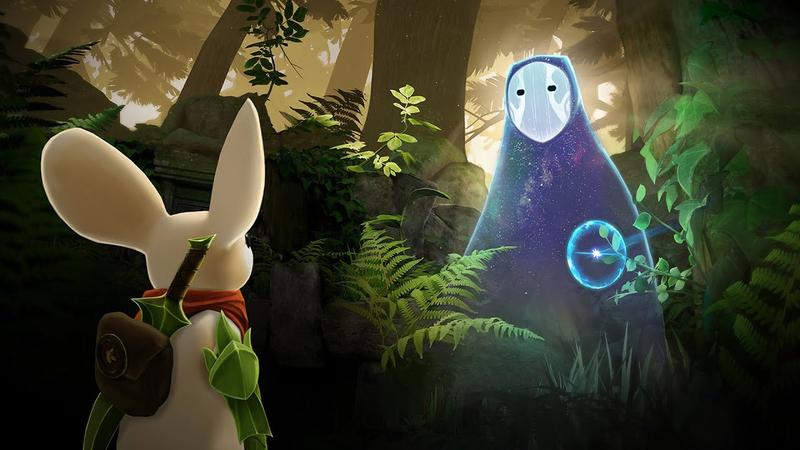
wondering what the wisp of smoke and the distance could be I practically feel the heat while standing the sunshine in a field of wheat or feel the chill of the cold when Dutchess gang were holed up in the start of the game or smell a campfire as I listened to some drunk fool saying before passing out not only because of the artistry of the which was amazing but because of my own life experiences and in our game moss the quill maybe I have to save her uncle Argus but the emotional touchstone of the game is how she looks at you like you're the most important person in the room how she'll react to moments of gameplay and share her feelings with you how she'll show vulnerability by allowing you to pet her or show excitement by asking asking you for high-five or feel the adrenaline rush of a difficult battle and bent it by kicking a dead snake something you wish you could do in that moment it's feeling a cool presence inside of VR world that
feels alive it's the same feeling you get from your everyday life it gets that sense of familiarity but that in this fantasy setting it's just like having you know your pet sitting next to you when you were doing your homework in high school or when your friend was so excited about scoring her first dream job and she shared the news with you so if story is just as much about the emotional takeaway as it is about the events framing the emotions I'd like to ask are the linear events always necessary and if the answer to that is no it seems they may not always be then what type of content should we be authoring to drive this emotional reaction in lieu of the standard linear narrative approach when along cinematics and expensive storytelling are not ideal so to answer that the frames and things here that this industry has a wealth of varied perspectives and we each see the
world from our own unique lens so my approach to answer this question is an amalgamation of my experiences and my priorities I'm lucky enough to see the world through the lens of animation the definition of animation really says it all animation are now the state of being full of life or vigor the English flipped the english adjective and animate meaning alive comes from the latin verb and Amadei meaning to give life to as from the Webster's dictionary and it's important to drive this home animation is the art of bringing things to life now being an animator is a constant reminder to dissect life to consider not just the way a person walks but how humanity has even evolved to a bipedal stance how the walk being observed tells a story of that person we observed which leg bears more weight and how the body behaves when shifting back
and forth we look for markers that may betray a person's thoughts or how confident does this walk even look who is the guy in the white pants are they sad happy scared nervous we look for variations in the steps it made you know a medical history we wonder where they're going or where they've come from and this this is just a walk although the observation of life primarily refers to living beings this also applies to the world which supports life things like physics where a walk can be described as a control fall governed by gravity and friction we're aware of anthropomorphic projections of the inanimate that car looks like it's smiling at me we assign personality to simple things like the way of ball bounces or the way his sock looks like on our hands and how insanely hilarious it can be to us everything is alive and everything has a story all of this observation comes from our life
experiences and even though we all see things in our own way we all share common life experiences we all have birthdays and listen to music we all know the taste of our favorite meal by heart we all suffer through the common cold we often get a whiff of a ghostly smell that reminds us of our childhood we all pay taxes we all have fingernails essentially we all have a lot of common ground here details which we may never even think about but are acutely aware of on a social level it's what made the Seinfeld show so incredible we all get that we all get angry and find humor in life's absurdities and and can all relate yet our reactions to each these things are unique to us a child may love having their eighth birthday with all the cake friends and presents while someone turning 98 may may lament their youth and choose to get shit-faced our context and experience they
differentiate us all some things that have that have shaped in my life are my childhood time spent with my grandfather watching cars go by waiting for the train to Rumble through town it was working in my high-school job at chicken delight in Hillsdale New Jersey it was playing Street Fighter 2 in the back of a musty old comic book store called the paperback exchange in Pearl River New York it was seeing Toy Story for the first time as an impressionable SCAD student that feeling I got when I shipped my first game or when my first child was born or my first date with my spouse the excruciating sadness I felt when my sister died and the phone call I made to inform my mom it was the paralyzing fear I felt being up on stage at GDC for the first time and the bronchitis I had my second time it was joining a start-up with friends and no income in those early days it was hearing my daughter tell me about her unicorn yesterday and in each of these
moments I mean it can be used now and the emotions I felt that the details that remain in my mind luckily as an animator I didn't I'd always take a moment and dissect how I'm feeling and acting I ventured essentially recording them creating a library in my head of what can be best described as animation reference or life reference and and we're all doing this every day and when I was telling you some of my life ins life's influences you were very likely thinking of your own versions of those same events that shared set of emotional emotions and experiences help us understand that we're not alone in this universe that were more likely there were more alike than we may actually believe it's a form of emotional familiarity and a connection and unlike this talk we are so generously being patient with me right now and not interacting there are two games are a two-way street for
communication we can and should be using this interactivity to connect with our players on this shared experience level but given the nature of game development it's really easy to lose sight of this remember what I told you earlier about that what what an animator may see in a walk well unfortunately when making a walk animation for our games we often forget to use nearly all of that observation we're so focused on the complexities of creating a game that such observations can take a backseat a practical game development we're more focused on things like does this follow the principles of animation is the correct speed is it the correct speed for design does it loop properly does it blend in and out of all possible States how should i implement the difference between holding a rifle or a sword honestly I can keep going here the point is there's already so much we need to know just to create a game it's easy to get lost in the minutiae but if we choose to be mindful of this and do our
best to remain conscious of the bigger picture not get distracted by the onslaught of competing needs we may be able to maximize the effectiveness of this communication loop built around a shared set of experiences but how exactly do we do this well for animators it means making animations not motions people who are not animators often believe it's our job to make stuff move but that's like looking at the ocean and saying its water a true statement but a simplistic glance of something vastly more complex there's a huge difference between animating and creating motion a character who moves isn't necessarily animating and an animating character may not always be moving a picture of a character walking or a picture just imagine in your head a character walking from point A to point B in your game now of course that character bluey will be playing a walk locomotion clip but if
you can see their soul see who they are watch them glance at objects around them watch them have emotional reactions to their situation if you could see them thinking then your characters animating but if the character simply locomote switch with a vacant look they're not animating they're just moving both examples meet the basic needs of a game but only animation can reach the player on an emotional level that means this means that although the execution of the content is important it's the idea behind the execution that actually matters most and that idea should come from life experiences from observing others in detail and recreating that detail from the memory of what your face look like in the mirror after running your first marathon from considering the idea that what you're creating is actually real that library of reference in your head it should be your guide when when your ideas are honest meaning derived from
genuine life experience players will relate to your game on a more personal level and they'll connect with it in ways that transcend the base mechanics and want to be enveloped in what feels familiar film is especially adept at this communication they've got a lot of practice under their belts in Toy Story 3 when when woody and crew were facing their demise what made the scenes so impactful wasn't only the fact that they were facing their own mortality it was the way in which they chose to act it was a subtle glances that the interest introspective expressions that seen the conflict about being grateful they're not facing it alone versus knowing each and every one of them may die every one of us could relate I mean not not to the specific situation but to the emotions that they're portraying we're seeing a life experience of Pixar staff and were drawn to the familiar a game characters they die all the time the way to that
doom is dramatically less because of this but it's also because the characters they also don't react to their death death is primarily a game play reward system represented by an animation clip that communicates to the player a gameplay state change the character itself will often be ambivalent you don't see the life flashing before their eyes you don't often see the remorse from their allies or celebration from their enemies it just it happens in most cases the gameplay is satisfied but genuine life experiences are absent and a shared emotional familiarity is actually missing and there's a lot of other gameplay systems I can say the exact same thing about you know firing a weapon swinging a sword opening the door pressing a button we're often so focused on communicating the gameplay information quickly so we forget to have our characters communicate their reaction to it all using genuine human emotion and you know I I thought a lot about this when animating quill and moss when when quill
is accidentally run into the water by the player she'll instantly sink to the bottom and perish and this is because during a swimming navigation set would incur a cost and not fundamentally benefit our level layouts also because seeing her splash around slowly lose oxygen and slowly fade away it would take too much time and likely frustrate our players I want to get back to gameplay so how do we actually add emotional depth in this situation well once quill sinks to her demise we cut the black for a few seconds enough time to let the player think about seeing quill drown we let the players stew in their mistake briefly then we forgive them for moments later once the level reloads and she responds she'll seem annoyed she'll shake the water off and prepare to continue her adventure we could have simply let her play her death animation and move on but by adding her reaction to what looked like her drowning acknowledges the
players mistake and forgives them for it the player's actions have had an effect on quill and she's responding to those actions in a way unique to who she is and the cost of this it's the idea and a few hours to make a shake off animation that Moss actually isn't alone in this effort and there are a lot of games that have been doing this for a long time now seeing Joel trip and curse as he stumbles across something on the ground or alerting nearby tickers hearing Nathan Drake yellow mark oh when the player navigates him into a pool see the anxious look on treecko's face when you throw a food barrel a little too far away seeing the sorrowful collapse of a colossus you just cold-heartedly murdered these aren't epic cinematic scenes they're not branching narrative choices not dialogue trees their reactions to player inputs they tell a meaningful story in ways that resonate with players because of that interactivity and an
honest character portrayal that's a one last story here during development of moss one of our engineers Chad wanted to implement a memory system for quill is she she keep a tally of specific actions the player would make things like number of deaths in a single room the idea was that we could use that data to alter her reactions to player choices as the game progressed and capture all vast amounts of data that we can hopefully use later a brilliant idea we really never had the time to support with content except on one occasion Chad and I made it so when quill died numerous times in a single room on her fourth respawn she'd play this animation one night our creative director Danny managed to trigger it he got yet pissed at her like full-on negative reaction pissed at this fictional character he came in the next day and told me that he and quill got
into a fight but she was mad at him for killing her and and he felt chastised we actually took that response out because we didn't want quill making our players feel bad but the fact that Danny even felt chastised that his mistakes and Erik calling him out on it could elicit such an emotional response means that the interactivity itself is an incredibly powerful tool my dog is going nuts upstairs he hears a truck outside anyway it's because we're including the players actions in our story that allowed him to feel the way so by adding honest reactions to gameplay inputs referencing shared emotional experiences we're building a better communication loop at least that's how I see it from my perspective oh you mean fact you guys yeah so I obviously would never trigger that animation but I mean clearly one of us
at this table I actually I love that you guys would think about that and like kind of bouncing back to a previous talk we were having earlier it's like the fact that people are pushing the medium and exploring different things that you could be doing the fact that you guys are looking into the depths of this game to say like hey where can we pull a little bit more emotion or create a better experience than just a normal video game and like kind of bringing that fourth wall where she's even responding to what you're doing like yo you're gonna kill me again the same strategy we're not gonna for anything new you know like I to attempt that into thing to put that in regardless we'll be getting a negative interaction like that's exactly the pioneering that I love seeing in the game industry in a game development today like taking those wrists and drinks things you know yeah it's a lot of fun your questions fair
enough well I mean I think it's worth noting that because we actually kind of broke into your your talk right away right so it's best kind of note a little bit about your background so Richard you you worked in the Chipola industry for a long time you're a bunch of 10 plus years before you went to work at Poly art so you have a good mix of realistic and stylistic games under your belt I'm a big swing small scope yes and so the difference is they're animating for those two different styles do you still feel like a lot of that of course stems from life experiences but how how far do you push and pull when you're designing for those two different type of games well I don't consider those types of games all that different I mean if you actually look at destiny there's a lot of moments where you can connect the players like let's say you've got a good killing and PvP and then we've got this moat system that we put out there and then we've got like the perfect and mole
to essentially communicate how you feel about that kill whether it be some version of teabagging or some dancing or something like that's actually telling a small story and communicating player intense and and delivering a sense of emotion to players a lot of times in that situation it can be a negative one but whatever but there's also like the telling of the traditional narrative it's it's something that we focused a lot on when we were making halo you know I'm trying to really make the chief feel like a character you could connect with but also some reverent hero and trying to find a nice middle ground for those moments and even some of the games of my past working on the condemned series yeah we're trying to scare the hell out of you and that was an important aspect your game but what made us carry it wasn't like booth it was it was more the like the psychological horror like there
was a moment where and I had nothing to do with this but I thought our designers were brilliant with this so where you were walking down this hallway and then some mannequins would appear behind you need to turn and look and he'd see the mannequin and then he'd turn back around and then there would be another one in front of you and then he turned back around again and that was like four of them behind you and they didn't do anything kind of like just a hallucination but oh really affected people and it was the psychological horror it was it was connecting with people's emotions it wasn't just you know the story of blood dripping down a wall or something and you would get so many jumps Chris jump scares anyway so like clearly you can't use that as your primary vehicle but any movie you've seen any and I'm not gonna give you a class on horrible I just love that like if I show that there's a threat you can hear the threat you can smell the threat you can almost feel it but it's just not attacking you're not with you yet like prolonging that period of time is like my favorite
part about any sort of scary experience it's like oh my god when I like I know it's coming I know but when and like please just tell you know you like that as that's my go-to at least when I'm doing horror stuff is I try to just I just I just prolong it as long as possible until you're almost like pissed off that I've done it and then it smack you with it real quick yeah and whatsoever well I mean Richard obviously we've been having you on the podcast a few times we have actually a lot of new viewers here who were barely getting to know us so uh we probably covered this question before but at least it's worth noting again you you went from a pretty nice ability before jumping on to work with a passion project essentially right with a team full of like-minded colleagues at a pretty later in your career right which
is probably the scariest time to do it can you kind of walk us through that a little bit of that decision-making of finally doing this because I think for all game developers out there especially ones that have been in the industry for so long veterans always want to make this jump but have a thousand reasons why they don't right and that often kills their desire to even do so so if you might kind of sharing your own experience in that I think that'd be very helpful and insightful sure um well I was I was at Bungie it was I had just hit my eight-year mark and you know just shortly before that you know some close friends of mine that I was working with they're I'm left to go for their own studio and you know I really enjoyed working with these guys consider them you know exceedingly talented so when I was hitting my eight year mark Bungie in working on destiny I was having a good
time I was enjoying myself that studio is they treat us very well my co-workers were amazing so I wasn't unhappy but I also didn't feel like I was growing anymore as an artist I was doing um I was essentially animation lead for the player side and helping out on combatants and cinematics but it it had been that for a long time and growing in the studio meant leaving animation behind and taking on more management and more meetings so it was either continue to do what I was doing or stop doing what I love doing and I didn't see either option as being reasonable so when those guys left and they're starting their own studio you know we kept talking they're like you want to join us so you know I took a look at my bank account first and I had
a very heart to heart talk with my spouse about what that meant and we decided that that it was worth it because we didn't it came down to not wanting to have that question in my head of what if like what if I would have done it you know like I I wanted to answer that question because I knew there if it didn't work out you know as long as I don't burn a bridge with Bungie who was amazing I can always go back or maybe find something else who knows but I didn't want to miss that chance so when I joined I even though I wasn't for the first three or so months we weren't earning an income there was a link-up I was enjoying the hell out of it because it was the creative freedom I got to make all the decisions I got to do whatever I wanted and it was just select few of us with our own necks on the line so I got to be mad at my mistakes and my mistakes only which was
awesome the one thing I've noticed and I'm pretty fresh on this indie landscape like I just finally quit my job weeks ago is that how time flies which is the opposite problem I was fighting before which is really weird like I never it's like before I've finished answering emails and all that stuff it's already like 3 o'clock in the afternoon I mean is this something that's up to you yeah so much going on so many things and you're so excited about all the things you plan on doing we'd and you just end up seeing the day just fly by super quick was there like a crazy adjustment period for you while you were doing this while you were jumping on oh yeah it's well it's been a little it's been what like 3d it's been over three years and I'm still just in early it's a it's it once you're in charge of your own schedule and you're in charge of what you need to do and you see the amount of
work that you have to get done it's just it's shocking like you don't have somebody coming in and saying we need this it's more of like you're just looking at it like oh my god if I don't do it it won't get done and it hits me every day yeah well what would you say and again not talking to brand new myself cuz we're experienced with the jump we're there with you people were on the edge you know like people who want to do it but our second-guessing you know and you kind of earlier said like I didn't want to know what if right like is there if you were talking to ten people who were like yeah but what if you know if you were talking to ten of those people on the edge of the diving board looking into potential prosperity or potential financial ruin you know do you have now that you've gone through yourself you have a successful project everyone that's watching that's on edge right now yeah is there anything that you could say like it just does a quick word of encouragement before we get back to like the in depth questions about your career processes what could you say
that people who are like it might be on the edge tippy-toes very edge of the water but hands still like this oh man alright it's not easy decision so like if you're on that edge like you have my empathy like it's a year it's really difficult did you consider a few things first really be honest with yourself about the opportunity because you know and why you're considering it because the if you find out that your reason for considering it maybe may not be the best reasons like maybe you might have some conflict at work and you can just clear that up and everything else will be happy like maybe consider not doing it but like if you are really sure about your reasons for doing it and you understand you're doing for your own you know self-fulfillment and you understand the ramifications of the decision and you also understand who you'll be going into business with or what type of scenario you're putting
yourself in and you're also being realistic about that then make the jump but the the key is like really asking yourself the hard questions really don't play around with you know like surface level decision-making like dig deep on asking like the tough questions of yourself like you know am am I going to regret not doing this when I'm you know retired am I gonna look back on this and am I gonna say yeah I'm glad I stayed or yeah I'm glad I jumped like really consider the holistic view like are you in your situation now are you like does life feel stale are you not growing and will this be the solution to that problem or the only solution to that problem is there another solution of that problem which means you don't go broke like okay you've got to consider so many of those options also bring in
loved ones find out what you know people who you care about your family what they think of your situation and take what they had to say to heart because they might see something that you don't see what if you don't want to hear because this is a real conversation so we talked to people on the edge who are game developers who always wants to make this jump right to work with colleagues and friends to accomplish and make a game that they want to make but the other conversation is of course if you're a family man or woman you have to turn to your spouse and kids and basically say we're not gonna be eating out as much and do as many things as before because but the good thing is the good thing is I'm gonna be home a lot yeah I mean there is a very tricky type
of situation that I'd never really thought about until it happened like how how was that type of adjustment because I imagine when you talked to spells even if you have an understanding spouse the meter is usually you're on the yes and they're on the knowing or kind of compromise right that's the that's where you're trying to meet I'm sure I think in my such pretty minute yeah my spouse was was really like she was right on the fence with me so she wasn't the firm no don't do it which is amazing like no I found it a great wife keeper yeah so with her it was really just a very pragmatic discussion which I think made things a lot easier to work through some hard topics but the thing about my kids that's that was the hardest part for me because I didn't I you know I didn't want to be like I'm sorry honey um you can't go to college daddy made a shitty decision like that that's not the type
of message I want to send them so so you know I had to make sure that you know like in my son's case cuz my son's about to go to college he's up the age I had enough put away for him that you know with some scholarships and a little bit of financial aid he can go to college but I've got it primarily covered right and then my my girls are young enough to where I don't have to worry about that for another 15 years so you know the timing was important because you know my son's covered but can i you know if this is in the state can i recover in time to build up a college fund for them but i also didn't want to send the message to them that you could pitch you late you know like i wanted them to see that that Daddy was willing to take some risks for his dream and that Daddy was willing to work his ass off to make it happen and like it's a good parenting technique too cuz if they would have saw me just stay comfortable at my job for the money i mean yeah that's certainly the
responsible thing to do in a lot of cases and i think there's nothing wrong with that decision and if i would have made it probably would have been just an equally good decision but a completely different lesson and I think that you know the lesson I grew up with was don't do the risky things but the lesson I want to teach my kids is more of the evaluate the risky thing and really make sure it's it's okay and then don't be afraid of it I think that is very in line with what we do as creatives I think we're very risk-averse and we like that to kind of fuel or creativity right I think once we get too comfortable we get bored very easily naturally as creatives and even if we have a stable job even though you know it is like somewhat exciting right if it's not all the way to the max it's hard for for anybody to kind of stay and justify is like you know I only have like about 20 good years left do I
really want to continue this that you know I do really well I know what it's like but I want to see what's on the other side I'm sorry second key you're not going to college maybe make some life decisions right now that might affect you but it's true I think of anything what we've learned at least through the podcast in every business Pinterest we've had ever since moving away from triple-a or even juggling Triple A at the same time is that like the opportunities that open up that we'd even know was there has been so much exciting and and we've learned so much from that in the same span of time to expect in a career in their cozy job which is something that I think a lot of developers out there don't realize where if they're sitting behind the desk and they're earning a good living and their
game is somewhat you know exciting that that there's a whole world for game developers out there that's opening up that they're closing their selves up to I and I'll just jump in real quick I think that if you can afford to be comfortable in your job and you like just having your responsibilities like you've got stuff on the side yeah okay and it's like you know what I like I go to work I do XYZ and I go home I have time with my family and kids cool like that works for you I just would say if you are not well off enough that you can afford to be comfortable in that way you should keep your feelers out there and looking for things that you can do to multitask maximize or leverage yourself in a way to get more resources or to do something on the side it just makes it a little easier in the event that your comfort gets taken from you right because the necktie decides that your your departments not mrs. yes or yes it is an outlet employment I mean that's the thing that is the first contract that you sign and it's supposedly different I fire you before the English but it's
true it's like just like any job there is a risk and even if you do go in either scheme's amount of risk with that right obviously as richard has talked about you're you're pretty much out there on your own but the cool thing about that that I think pushes you to really have your armor slowly being built is that you are a hundred percent in control of your failures and successes I feel like that is a lot more true when you're just out there doing your thing we ever-- yeah that's great sorry go ahead I think I got a question from the twitch audience I'd like to ask and I'm mr. pure evil comes back again actually don't know sex gender so much I'm not gonna sue okay so I'll just say pure evil question is you talked a lot about animation supporting player interaction how would you integrate UI into that same process of telling the story as it seems inherently an immersive element in games oh you got asking you I got you
turn UI off that's the answer so it doesn't get her way of my animation click down click down turn off oh that's true uh I think a lot of viewers out there confused with a lot of the disciplines being crossover which is actually a good lead up to my next question it's like how much other things you have to do besides animating now because I'm assuming everybody has at least what are you talking about I don't know [Laughter] I do rigging now which which I'm learning a lot and I learned how much I didn't actually know when I started this I'm doing a lot of the setup now I'm learning a lot of blueprint in unreal I did some modeling for moss-like I modeled that the deer and a bunch of the
bugs at least the first pass on the deer trying to learn some texture mapping and all that kind of stuff inside of unreal I'm still not good at that at all my plan is to do some effects and some scripting and unreal next it's it's awesome like I loved every minute up at all so clearly your next step is your own company one man man because he said everything pretty much you got blueprint you got rigging I don't think I heard sound design so you still might need to work on the sound is that it yeah oh my animations I'm sure the more I talk the mods start to discover what your next steps are I love that can you do this to reason with trick your own or rich we've had you on the podcast now we've officially had you on gee ducks thank you so much for setting aside some time to help us do this we really appreciate you being here man and supporting what we do you know we always support you and what you do so I
definite in slang but just go check out the game go check out their company I don't want to brag for you if you want to take a minute or two to brag on your own behalf how people can follow you what they can look forward to coming from you before we transition and say goodbye good sir okay well you follow me on twitter at Foofa new or you could follow the color of twitter account which usually broadcast way more than I do and Polly art games and if you if you guys have a class or any other VR headsets we recently released an update Tomas called Twilight garden and that calculus request right now and then will be out on all other headsets in June some of the new things we're doing is we've got a character in there that actually interacts with you on a an emotional level so it's very relevant character for this talk that I just get and then I did a whole new revision of the combat set for quill says she's got a new weapon and a completely revamped old
weapon set so give it a try have some fun I wish we would have put some more enemies in there by then maybe in the future oh sorry go I thank you for your time Brad is calling oh thank you guys this it's a real pleasure being here with you guys and thanks for having me out on your inaugural debut here it's really an honor to be a part of this man the honors all arcs trust me yes yeah your life is great we're like hey can we convince enough people to try this with us so we appreciate you taking that risk toes on the edge of the diving board you dope in and we got Jesus so honestly that's seriously enough mutual respect bromance stuff we really appreciate you man thanks guys appreciate you too enjoy the rest of it [Music] you
[Music]
Summary
Game development achieves its highest potential when mechanics serve as conduits for genuine human emotion rather than mere functional progression. By leveraging the interactive nature of the medium, creators can foster a two-way communication loop that allows players to project their own histories and feelings onto virtual worlds. This resonance is best cultivated by prioritizing the soul of a character over mechanical motion, ensuring that reactions feel authentic and grounded in relatable human experiences. When developers draw from their own observations of life, they transform standard gameplay loops into meaningful interactions that evoke empathy, dread, and accomplishment.
Professional longevity in the gaming industry requires a proactive approach to career management and a willingness to embrace calculated risk. Transitioning from the stability of a major studio to the indie sector offers significant opportunities for creative growth, provided that such moves are grounded in long-term self-fulfillment rather than temporary workplace dissatisfaction. Success in this independent landscape demands rigorous financial planning, open communication with family, and the acceptance of full accountability for one's output. While the shift introduces inherent instability, the resulting autonomy often outweighs the perceived security of traditional corporate roles.
To remain resilient in a volatile industry, developers should prioritize the diversification of their skill sets. By expanding beyond a single discipline to master complementary areas like rigging, modeling, or scripting, professionals gain greater control over their career trajectories. This versatility acts as a hedge against industry fluctuations and empowers creators to pursue independent projects with confidence. Ultimately, stepping outside of comfortable, specialized roles allows for the discovery of new opportunities and the development of a more robust, adaptable professional identity capable of navigating the complexities of the modern game development landscape.












Comments