1 free read left. Create a free account for unlimited reading + AI research.
Create free account
Full Indie: Taking the Leap of Faith with Jeff Spoonhower | GduX.me
Key insights
7 takeaways- 01Studio sustainability depends on building professional partnerships based on trust and honesty to prevent the interpersonal friction that frequently causes small teams to fail.
- 02Independent game development requires a shift from a specialized AAA creative role to an entrepreneurial mindset focused on disciplined execution and commercial viability.
- 03To mitigate financial risk, developers must secure at least one year of financial runway before transitioning to independent production.
- 04Veterans transitioning to the indie sector should maintain their existing industry networks as a contingency while preparing to operate at a junior level during the initial stages.
- 05Adopting a generalist skill set is recommended to minimize the need for external hires and to streamline communication within small, agile teams.
- 06Maintaining a strictly limited project scope is essential for completion, as it helps manage the unforeseen technical and creative challenges inherent in small-team development.
- 07Marketing success relies on proactive, direct audience engagement through email lists and social media rather than passive strategies, supplemented by active participation in industry festivals.
Ask AI about this video
Transcript
[Music] so before we introduce he's on meat right now because we still have some I can say whatever you do one minute early right but uh Larry why don't you introduce Jeff in a way that uh gives us some context to a lot of watch yourself actually what I like about Genesis he's done this before yeah if this is another one of our og guests who has actually been on the podcast as well we followed him early before his game and knew the distant light was fully out or announced he let us see a little bit about it behind the scenes and then we went with him again to do another podcast to talk about how far along is gotten all while still helping students learn about game development and game design and being a professor and I'm not gonna steal all his thunder but this man does a lot he multitask just as much if not more than Brandon himself who's running the stream and also doing all the graphics and emotions and getting the guests so you guys should have a multitask competition at the end of this I mean oh that's like
Larry I'm already in one with somebody else that's why okay with Spoonhour welcome to g-dubs my hey guys good good to be here thanks so much for inviting me to be a part of this great event your back wall of achieve a park it's also worth noting I knew Jeff over 10 years ago we worked a two-key together on fire shock - and he was the everything guy you joke about the multitasking this dude does everything on the art side he was a cinematic guy but he was doing animation 3d art which is a lot what he's doing right now on a new the distant leg which is what your dream is doing yeah so with us taking your time any further your floors yours man go ahead and get into it awesome great well
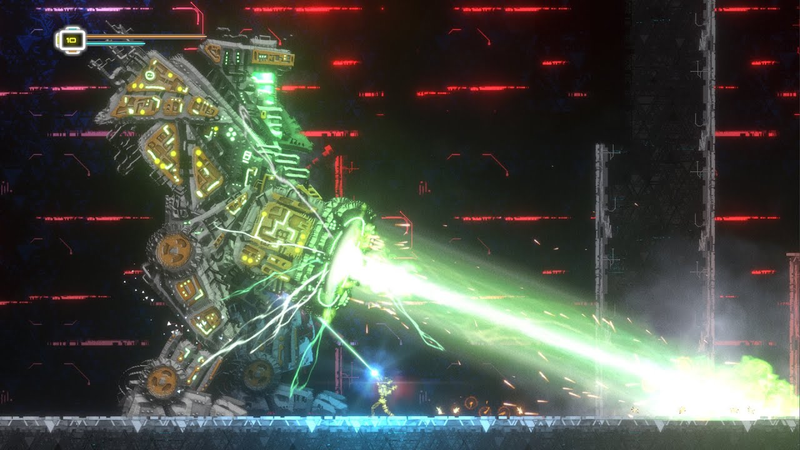
yeah thanks again for having me it has been a while since you guys first interviewed me and yes we are still working on the same game uh-huh and we're doing really well but but yeah basically what I want to do today is talk a little bit about my experiences working full time and independent game development um so that's essentially what my talk is about so I'll go to the next slide and tell you a little bit about myself Who am I I've been working in games for Believe It or Not seventeen years now which is a pretty pretty long haul and I've been really fortunate because I've been able to work in a variety of roles at at many different studios so currently I'm an art director on my indie game which is a new the distant light and what that means I'll talk a little bit about later is basically I do a million different things kind of what brandon was alluding to but yeah our director now in the past
I've worked as a cinematic artist as an animator video editor and sound designer in some of the studios that I've worked at our Electronic Arts actually started my career at EA Tiburon down in Orlando Florida in 2002 I worked at THQ volition for a few years worked at 2k in the San Francisco Bay Area for about five or six years those are my those are like my major full-time like salary jobs and then I've done lots of freelance work for the past ten or eleven years on and off for sony Sony Interactive mainly with the team in Bend Oregon and some of the like the bigger games series that I've worked on have been in the Bioshock series Borderlands Uncharted worked on one of the same three games and you can see some of those titles off on my little presentation on my slide on the right there so that's sort of like what I was doing in triple-a for quite a long time
and then since 2014 I've been working full time on my indie game my first indie game which is called new the distant like with my dev partner who's the game director his name is Steve Copeland and so we have a really small team I'll be talking about that in my presentation a small team of two plus our composer we have a really wonderful amazingly gifted composer named Wilbur troche will J who's scouring our game but really that's about it 2.5 human beings making our game in addition to all the games stuff I'm also as Brandon mentioned I'm a professor at the University of Notre Dame so I actually live in all the way up in north north central Indiana so Steve and I might my dev partner and I actually work remotely on our game but yeah so I'm been a professor at Notre Dame for seven years and I teach courses in digital production 3d digital production Amaya I teach sound and music design and I also teach animation history and
practice so like storyboarding visual storytelling stuff like that so that's in a nutshell sort of Who I am alright so as far as my the topics that I'm gonna specifically be hitting on today I really want to just give some practical advice on getting started in indie game development and this isn't like theoretical stuff this is all based on personal experience so Steve and I have been working on our game for almost 5 years full time so it's been a long haul so I really want to share a lot of the things that we've learned over the course of production and also probably even more importantly some of the challenges that we faced and if you're planning on making an indie game you will probably face many of these challenges as well we've talked with lots of indie devs and we all have similar sort of challenges that we're dealing with so hopefully I'll inspire and educate some of you that are
watching some of you may be students or hobbyist game developers or current studio people people that have full-time game dev jobs who are thinking about making the switch making the title of my talk of the making the leap of faith so those are my goals for today ok I actually just watched Indiana Jones and the Last Crusade with my oldest child for the first time this weekend and I thought this is like the perfect image to use for this discussion about making a big change in your life to switching over to independent game development so there's my indiana jones ax reference anyway so let's talk about this leap of faith why did I personally take the leap of faith from working in triple-a games so I had like a really good career going as a senior level games artist the last full-time job that I had was at 2k working as a cinematic artist and a Video Editor animator on a variety of
projects had a really good salary I had benefits I had a pretty decent bonus completion bonuses and I was also very unusually working remotely so I was I was able to get 2k to allow me to work remotely from the Midwest which was amazing because it was a very easy place to live right very inexpensive so every time I went back to 2k my co-workers would give me a hard time about how I was living in a really cheap part of the country compared to Marin County so I had a really good thing going but I think the main reason why I decided to leave is I had this sort of growing sense of unease creatively and I think that's a pretty common thing with artists especially who have been working in on studio project and essentially working on other people's visions right so for at the time 12 years I have been working on other people's creative ideas other people's visions executing their
ideas and sort of being a gas man which in and of itself there's nothing wrong with that because that's what you're getting paid to do is to execute someone else's vision but basically I had I had my own ideas that had been brewing for a long time I had been developed working really hard to develop my skills my artistic skills my communication skills leadership I'd been in a number of leadership positions so I felt like I had this really strong calling to basically do my own thing so another thing that worked out really well is I ended up getting my full-time teaching job offer from Notre Dame in 2012 so that was a very unique sort of opportunity for me that I'll be talking about a little bit later when we talk about finances planning out your financial life but essentially I had a full time so teaching salary and had benefits and stuff I have a wife I've three kids so it was sort of a combination of what I
have them on the screen is creative soldiering not Soul Train soul drain and my teaching job coming together and then you know I think like if you want to get into independent gains developing development you're essentially going to be an entrepreneur entrepreneur so you have to have like this very strong leaning towards adventure right stepping into the unknown into realms that you've never explored before not only creatively but from a business development standpoint marketing PR there's just a million things that you have to do that you probably have no I had never done before so I just said you know what what the heck I didn't want to have any regrets and I know that your previous speaker was mentioning about not having regrets as well I had the same thing I said you know what I feel like this is the right time I've got all my skills everything's in place why not just go for it so that's the reason why I took the leap of faith and what I want to sort of ask the viewers the the folks
on Twitch who are watching who are thinking about doing this is why do you want to make an indie game what are your motivations so I think it's really important to step back and give serious thought to this all right so I've got a couple things listed out fortune and glory another Indiana Jones reference you know if you want to make a lot of money and become famous and live in a mansion like notch does right because he was an indie game developer right I suggest definitely pursuing another career because you're probably not gonna make a lot of money making indie games at least not on the first go-around making any games is incredibly challenging and the thing is is you'll receive very little in the way of like financial compensation rewards any accolades along the way until you get like really close to the end and you know you've got something really good
and you're thinking about shipping or until really after you shipped your game and it's really good like a world class then all of those things could potentially come your way like some some financial gain some people knowing who you are I guess in the industry but if that's what your main goal is I would I would probably not suggest making an indie game but if you're if you're really into it for personal growth to learn a lot to challenge yourself to see what's possible to see what you're actually capable of achieving and if you have like this really strong creative vision for a game and you feel like damn it you know like if I don't do this I just I cannot live another day if you have sort of that burning passion and desire within it within you I think I think making an indie game is something you should consider because you're really going to need to use every ounce of knowledge and skill and really fortitude to complete your game to make it to the finish line so I would suggest
that any of you thinking about doing this really give a lot of thought to those two what your motivations are okay so sizing yourself up I was looking for images for my presentation and I just saw those two and I'm like I think in the funny thing is is there's really nice green grass on the top one so I think a lot of especially studio developers think you know the grass is greener literally on the other side so I want to leave and make an indie game so that's how you sort of imagine yourself waking up and you're you know working in your underwear and your home office every day the look of relaxation but in reality you're gonna be more like the woman on the bottom there but anyway what I want to talk about is sort of taking a good hard look at yourself and sizing yourself up before you take the leap of faith into independent game development and the first thing the first question to sort of ask yourself is are you a hobbyist or a pro are you a hobbyist or a pro game developer so if you're a hobbyist you're making games
for fun or for a learning exercise you know maybe you're doing it on at night or on the weekends you're putting in a couple hours a week but it's like a part time thing and your full-time job is your focus and life is basically something else um if you're a pro you're doing two game development in fashion full-time so you're either doing it as a full-time job maybe you're a student at a university in a game or an animation program but when you think of yourself of a proce like you're working on this stuff religiously your end goal is to make and finish a game and actually release it commercially to an audience of people who will actually play it and you know give you feedback whether that's good or bad you're putting something into the world you're making yourself vulnerable so you have to sort of ask yourself are am I a hobbyist or am ia pro and then once you've answered that question you can set your expectations accordingly so
what exactly does that mean you know if you're a hobbyist actually that's I think that's fine you just have to realize that the chances of creating a game that's going to go on Steam and sell hundreds of thousands of copies to critical and commercial acclaim is probably gonna be really slim just because the competition is really extremely tight right and this in this space and this is honestly even really hard to achieve as a professional game developer but if you're a pro you know I wish I could say like it's gonna be easier because you have a wider set of skills or more experience or something but honestly even if you're a pro developer and you're trying to make an indie game the chances of finding success are pretty pretty pretty slim because you're sort of facing uphill challenges every step of the way whether it's with development or you know just trying to do your daily work but there's
all this other stuff like marketing and PR and business development and legal stuff going to trade shows you know trying to just get people to notice what you're doing each one of those steps along that along the path is really tough so that's what I mean by set your expectations accordingly if you're hobbyist probably not gonna make a lot of money if you're a pro there's a little bit more of a chance that you may you know make some money someday and what are your the next point is what are your skills and strengths be honest with yourself you want to identify what are you actually good at you know if you're a student right now maybe you're not good at anything or at very little and I think that's actually okay because that's why you are a student you are working hard to get good at something or a few things but if you're a pro or if you're a hobbyist look at yourself and say hey um if you're like a brilliant programmer but you can't draw a stick figure you're gonna need to find an artist to work with on your project or let's say you're like a really talented modeler or concept artist you're gonna need to find
an artist an animator and a programmer you know their bare minimum so you want to be honest with yourself and basically say what am i what are my skills and then you say okay I need to find at least one other person to complement my skill set these are like the first sort of steps that you want to take when you're thinking about making an indie game and then really what you want to do is try to put together a team right which sounds like it should be a really simple thing to do but actually building a team is really building a team with complementary skill sets as your own is a really difficult thing and actually you know a hack the challenge the challenges of making a game you start before you even begin before you've even started making your game and it actually talks use quite a few friends who are at the studios who want to make a game and they're like well I can't find anybody who wants to you know these my friends all have kids and stuff and like none of them are gonna leave their full-time job
to work on an indie game for three or four years without any pay so building that team you you really need to keep your team small as small as possible but you also need to find that other partner or partners for your development that are really committed are as committed as you are I would highly suggest avoiding working with people who are only able to work on an indie game on the weekends because your game is never going to finish so don't rush into that you know find someone who's really committed keep your team small you'll move faster it'll be easier to communicate and actually get your job done if you keep your team small and then lastly you know before you go decide to go in do you want to get as much professional experience as possible and when I say professional experience that really means working at any job so like get out of your parents basement if you're currently living there you gotta you have to take steps into being an adult in some way shape or
form so any job that you can get that's in an office working with other people where you are learning how to actually do work to actually start something and complete it on time learning how to set goals and hitting your goals learning how to communicate with other people learning how to just be a really good person all of those things you learn in a professional environment so I would highly recommend you know if some of you are in high school and you're like you know the heck with this I'm just gonna make my indie game if you've got a great idea go for it but the more professional experience the more adulthood you experience the better the better position you will be to make a game and actually be able to finish it so the next thing I want to talk about is risk mitigation which sounds like a really boring topic that you would be forced to go to by your HR department or something like that but this is actually really important and you know chasing down your dream to make an indie game is all fine and good but you really need
again I keep saying be an adult and I know there are a lot of adults watching this right now but you have to sort of be an adult and consider a few really important things associated with like risk you know making sure that you're not doing something stupid or ear is irresponsible especially if you have a family you want to make sure that this decision is going to be a feasible one on a few levels and a lot of this actually has to do with money which is unfortunate but you do need money to survive and to make a game so you need to make sure essentially that you have enough of a financial nest egg to draw from if you're thinking about making an indie game because you're probably not going to have much time if you're really focused on your game you're not going to have a lot of time for part-time jobs or freelance jobs or of course you won't be able to have another full-time job if you're really serious about making a game and remember the other thing you have to keep in mind is some people try to do freelance and make an indie game but
problem is is the more time that you're spending on those other things the less time you're spending on your game which means there's a much higher chance of you never finishing that indie game which is what you are what you want to do in the first place so you have to sort of it's sort of a balancing act but I would recommend that you find a way to just commit to that your indie game and really focus on doing that one thing so the most basic question is you know how much money will you need how much money are you going to need so one thing that I really recommend that I did a long time ago when I first started doing freelance full-time I'm in between my studio jobs was make a detailed monthly personal budget so that basically means look at every single expense that you have every single month all right so that includes groceries it includes you know your rent or your mortgage payment you to your utilities utility bills health insurance education cost for your kids eating out clothing all of the
things that you pay for on a regular basis track all of that put together a monthly budget and then multiply that top times 12 months all right and that's how much of money you need to make to survive in a year the other thing that you need to do is create an estimated game production budget so this is a little trickier because you've never made a game before but really you need to sort of think about you know what are my costs going to be for software licenses for like unity or Maya or Unreal Visual Studio hardware computers monitors dev kits you know lots of other things like big big ticket items like hiring someone to help you to make the game paying subcontractors paying for travel to trade shows hiring lawyers all of that kind of stuff so basically put those two budgets together and then if you want to sort of approach this responsibly you really want to make sure that you have before you start your indie game if you plan on funding your
game from personal savings which I think a lot of first-time indie devs do you want to make sure that you have conservatively a year worth of money saved up to cover that personal budget and to cover that game production budget so save your money app is some advice that I would give make sure you have a year of those savings set aside but there's many other sources of funding that you can come up with to to make your indie game the most conservative way of doing it is what I just said personal savings you can take a part-time job if you absolutely have to just make sure you're balancing out those hours with the time you need to put in on your game another very popular one is use the money that your husband or wife or significant other is earning to support your your dream of making an indie game there's nothing wrong with that so if your husband or wife is making boyfriend girlfriend is making it has a job then great if they if you guys can
afford to pay those bills wonderful gifts from family you're not gonna be able to make an entire game based on you know Christmas cards from your grandmother but it helps another one is crowdfunding so we were kick-started in 2017 and while we didn't make you know nearly enough money to actually fund the entire production we did make enough to help offset some of those costs personal savings I talked about and then of course you know working with a publisher is another way to get to get money to make your game the thing with with publishers is that you have to have something that's absolutely world-class as far as the quality of what you're showing in your game or else publishers aren't going to be interested most publishers get you know anywhere between a over a thousand fifteen hundred pitches I have heard from publishers that we have talked to they they'll get a thousand pitches a year and maybe work with five or six games so it's extremely competitive to get money from a publisher to make a game lastly as far
as risk mitigation and you know this could be an entire other talk is basically limiting the scope of your game so I know that you probably want to include every amazing idea you've ever had for a video game you want to put that in your first indie game but you want to try to just keep the scope of your game as small as possible while still realizing that your vision of what you want to accomplish but you know the bigger your game gets and the scope always gets bigger on everybody's game but the bigger your scope gets the more people you're gonna need to make it the more time you're gonna need the more money you're gonna need and all of this sort of compounds into you probably never finishing your game so you want to think really hard about like your design and your scope before you get started okay so let's get into a section on major challenges because there are many there's actually too many challenges to include in this one talk so I tried to narrow it down to some of the major ones that we have
faced in the production of our game one of the biggest challenges we definitely face that Stephen and I face on a day-to-day basis is we're just wearing many hats so what that means is because there's only two of us making the game we sort of each wear the hat of probably 10 full-time employees on a studio project so I am essentially the entire art department sound design department storytelling Department marketing and PR department so I do all of the jobs of all of those people and then on the other side Steve does all of the engineering stuff all of the tools development coding AI gameplay design right so what that means is that we're constantly not only wearing a lot of hats but we're switching them rapidly on a daily or hourly basis sometimes so for example maybe I'm doing some character animation which is an intensely it's a really intense process that requires a lot of focus I'll be animating a
character I'm in the zone and then I'll get an email from a YouTube streamer who wants to play our demo and they need a reply from us within the next 15 minutes so I have to sort of drop everything I'm doing and put on my marketing and PR hat get back with them get them a build through Steam you know make sure they're all set up and then an hour later I'll come back to my animation and I'll have no idea what I was doing I don't remember anything so that happens a lot when you're an indie dev you're switching hats a lot which is makes it hard to focus I think probably one of the biggest challenges and one that's really really hard to express until you've gone through this process is just really much you have to sacrifice in your personal and professional life to make an indie game it's just it requires a tremendous amount of dedication and passion and when I say passion I'm not losing using it like in dedication like loosely I'm talking about actually sacrificing things that you would like
to do like reading books or playing games or watching movies or going to your kids events or just going out to eat dinner with your wife or husband or wife or whatever lots of micro sacrifices that build up over the course of years because you just have to put in so many hours in the production of your game oftentimes six or seven days a week especially with a small team so you know the other thing that has happened with myself and Steve we've discussed about this discuss this is that you'll get a job offers you know when you're making an indie game you may get an offer from Ubisoft to be an animator or a you know EA to be a game designer on an amazing project and you have to stick to your guns and say no I can't I can't do this so we've both turned down full-time and some really lucrative offers along the way and that's a huge sacrifice work-life balance is you know the constant challenge for someone in all
aspects of game development whether it's independent games or studio development work-life balance is super tricky to pull off and actually it probably gets worse when you're making an indie game because you're at home it's like really isolated and you want to work on your game all the time because it's your baby being a masterful jack-of-all-trades that's sort of a little term that I have then I don't know I don't know if I made it up but you know you've all you've probably heard the term jack-of-all-trades that means sort of like being a generalist being good at lots of you know being sort of good at a lot of things but not really good at at any of them when you're working on an indie game with a small team you have to sort of be a masterful jack-of-all-trades so you have to be able to do everything that's required on a production extremely well and be able to do it really efficiently and really fast so this sort of goes back to my point before about getting as much experience as possible I feel like I would never be able to do what I'm doing
now and to have made it as far as we have with our game without those many years of working in sort of high-pressure high-stress triple-a game development environments so that's it's a tough thing and it just takes a lot of practice you know to get to that point scheduling is extremely hard and the unknown unknown things is what does that mean well as an indie game developer essentially you're an inventor and as an inventor you're making new things that you've never made and you're doing lots of things that you've probably never done in your career and that certainly has been the case for myself and and for Steve we have to do all sorts of new stuff all the time and step out of our comfort zones and those are the unknown unknowns so essentially that means we don't know what we don't know so we don't we don't know what challenges are coming next until they hit us because we've never done this before and then it's essentially impossible to schedule those things because you just don't know how long it's going to take to do them so I
think that's one one a really high level reason why it takes independent games so long to come out is because we're new to it a lot of times and unless you're making a game in a genre that you've worked on before you're just gonna run into a mountain of these unknown unknowns and it's just it's so hard to make a schedule because of that and then just the sheer amount of work it's sort of like this unending amount of work that you're you're you have to chip away at fortuitously all the time and just sort of like be really persistent and really strong with your convictions about getting your day-to-day work done perhaps the number one enemy for indie game devs is where we currently are in the market in the in 2019 is discoverability and that basically just means like standing out from the crowd and in an extremely overcrowded market and you can see that image that's sort of how indie developer is making their first games feel as that little guy in
the back there you know unless you've shipped a game and you have a built-in audience you know you've shipped a really great shift a really great game and you have a built-in audience and your market a lot of your marketing is done for you now on your first game it's really really hard to get that get eyeballs on your on your project there's just because you know the barriers for entry to game development are so low now the tools to make games are cheap fairly cheap there's an abominable online you know you can there's a million YouTube videos and paid tutorial services to to learn game development so anybody can sort of go out and start to learn so that means that there's just a million games that are being flooded into the market so what can we do to sort of combat this the hardest thing but the most important thing to do is you just have to make an awesome game and I wish that there was some magic advice that I could give to say this is how these are like the five
things that you do to make an awesome game but that's something that you have to sort of discover for yourself through hard work and through experience but really what it comes down to is everything starts here you know if you don't give it your all and execute the hell out of your concept nothing else really matters and obviously this that's the hardest thing to do but you really have to just make something special to get ticket attention the next bullet point is execution is more important than ideas what is that what does that mean so really like what you actually produce and what you make in your game is much more important than sort of like these theoretical or conceptual story ideas or lore ideas that you have in the back of your head because I'm sort of like sort of like they say in Hollywood everybody's got a script it's sort of the same thing in game development everybody has an idea for this epic ten part online role-playing FPS lore rich
fantasy sci fi game everybody has like binders full of ideas but what people have is sort of like the skills and the work ethic to actually make it into something and to finish it and to ship it I'm so execution is a lot more important than ideas so having sort of the Moxie to to make your game and finish it is is the heart part but that's how you get discovered I'm doing something unique you know I think when you're conceptualizing your game when you're working on your design Docs when you're coming up with your ideas at least one or two things have to be unique in your game whether it's like gameplay mechanics or visuals story you have to do something unique or nobody's gonna care so focus on those things early on and make sure you have a plan to make them really unique and special the next thing early social media and press outreach once you have a game that looks a little vertical slice or something or a demo that looks good get your website up get your Twitter site go
on get your Facebook site going start reaching out to some smaller and midsize gaming websites to show them what you're doing your trailer is absolutely the most important calling card for your game and that that throughout development so make a trailer get all your stuff up on social media start emailing websites and saying hey this is this cool game we're making but don't wait until the end of development do that at the beginning and then lastly apply to trade shows and festivals things like indie mega booth IndieCade packs the IGF lots of places where you can apply they're adjudicated so they're curated so you have to sort of compete with other developers but this is a really great way to get your game discovered by people in business development by publishers by media just a couple months ago we a new our game was at GDC and PAX East with the indie
mega booth and we also have shown it at e3 over the past year we're actually bringing it to e3 again next week but we've met tons of great people we've built relationships with the consoles publishers are interested in our game as a result of these shows so that these are just some sort of concrete ways of getting people to find out what you're doing but again it all starts with a really great game so what it comes down to is just doing a lot of work and being really committed to your project and that's sort of like where I'm ending my presentation is essentially you have to just make your game no one is stopping you from making your game so jump in learn the tools make those sort of calculus calculator Driscoll's think about the scope of your game and then when you're ready make the jump responsibly and then just do a lot of work you have to work really hard and be persistent so that's yeah that's pretty much my advice for my talk and indie games so much truth bombs
do die but you you cover pretty much every question I ever had in my bone about indie development because you you went the pretty much like I don't even see the safer route I wouldn't even consider the safe realm but like you you you were able to kind of leverage it as a side thing as well as you know focusing on a stable income at the same time which is III say would be the most advisable thing to most developers out there only a rare gem percentage would be able to just completely thrive off their savings right like Richard Lee hilt I mean the previous that guy was insane but like I think the safe around the most realistic ramp has always been you know prove yourself get some traction before you even make the crazy jump but that is in return a longer a longer path but a sure path I say don't
quit your day job go create your date on the side yeah yeah absolutely I mean I can't tell you how many I've just been contacted by many senior level people at Studios for like man I really like your live in the tree you're like you're making it when you're an indie dev a lot of times you're like the dream is just like having a normal job again where you could just go in from 9:00 to 6:00 or whatever that is Metis I don't know what that that's like the grass is greener on the others but I think in reality if you had to trade it off every other day and kind of get reminded how the office is like and you you're fastly gonna remember let it's it's not that I think there's like a small amount of both that I look forward to so I will say this if you take responsibilities and finances off the table yeah and then just say to a person in the experience or like big
triple a experience or you know what sort of like work environment would you look for me personally I would go indie I want like a small team of like twelve we all know each other personally go out to lunch like like I get Christmas cards from you guys you know like there's a certain team size where that kind of starts to break down and it's maybe like your small group or your team kind of has that real deep in a personal relationship but when you go into like the team meeting it's like and you see this sea of people you know you're not gonna send all those guys Christmas cards you know I can hang out with all those buttons you know then you have like a little chit chat with everybody so I always ask people like okay well take money and responsibilities off because like obviously or which everyone pays the bills usually will be the first answer but and I say take that part all the things that which which work environment is better for you which do you think you would thrive a little more because you can make money in both if you do it right if you do it right if you give it a time it's a skillset I think the best way to put it is like you agree starting your career right you're rebuilding it as a junior level indie
developer right that's really what it is even with 10 plus years under your belt all the the best practices in networking you going out there on your own learning bizdev learning to wear different hats learning to micromanage and macro manage and going out there and going to all these shows and building all the demo you're doing so much within your traditional 8 hour a day it's really you got to be really on your toes to be able to do all that and you really are starting from the beginning again and I think a lot of people make the mistake to not think like that to think I've been doing this 10 plus years I know what I'm doing so I think really good point both really good points and I think too point Brandon especially some of us who have been working in the industry for a long time who have worked on big projects we may have a chip on our shoulder and say oh I worked on you know the Bioshock games or I worked on an
uncharted honestly like if that doesn't unfortunately carry a ton of weight because people just people are pretty harsh you know they just want to see your game they want to see what are you doing what do you have to offer you know are you making a world-class indie game that's much more important than sort of your your history in the industry so I like to take a question straight from the twitch audience it says the frozen machine is asking and curious if jeff has any advice about applying to those events that are curated I feel like those sometimes I've hard to apply places knock in the door because you're so scared so like do you have any advice on like hey I do want to go to this place or I do want to go and give a talk here do something like grant I probably don't have the resume for right now I guess maybe any advice on Pepin yourself up and doing it anyway yeah I think a lot of it comes down to the sort of where you are with your with your game that you're working on so I
think your game has to be in pretty a pretty polished state before you attempt to apply to things like indie mega booth which is I think probably one of the best and most well-run indie game showcases but yeah I think like you just have to be really patient and work really hard on your game to get it to a point where it looks really great and it plays well and maybe you've even had some friends play it you sort of had some some testing done on it and they're like yeah this is this is really cool when you get to that point I think that's when it's advisable to start submitting to those shows a lot of people I think we actually made the mistake of because we didn't know what we were doing of submitting our game several years ago to those shows we didn't get into any of them and the feedback was from from the judges was like this looks like it's going to be really cool you're just too early on in the process work on it for another year or so and then come back so that was actually three years ago when we did that and then we came back and we've had
a much better success rate getting into the so that's probably my met my best piece of advice would be your games got to be looking and playing really well okay so we're gonna start changing the tempo a bit like Larry and I can ask questions all day and talk all day as you know Jeff but we're not gonna do that to you we're gonna take some twitch questions again if you're watching on twitch YouTube Facebook Twitter any of those platforms we have our Jefferson gals in there yes moderators that are scoping your questions and dropping it for us to ask on live so spend the time you have the question for Steph this is a rare opportunity to talk to a professional such as e so this is a question from Annabeth Margaret Swan is it possible to have a contingency plan though can't a veteran that makes it jump into any go back to Triple A if he thinks that's not working do you think they will take you back Jeff that's the question yeah that's a great question and the answer is essentially yes I want to be
encouraging with my talk and inspiring but many indie developers have failed and have gone back to full-time jobs which i think is actually great because you can't just work on an indie game and if it fails it's like your life is over you know you definitely have to have some sort of plan in place right so yes I know many people that have tried doing independent development and for whatever reason to have decided not to and I think the key is when you plan to leave your studio or whatever job it is that you have make sure that you leave on really good terms with your managers with your bosses with the other leads at the company because you just die so Brandon it sounds like it's already violated octa I go out guns blazing to say yeah some people don't really like to be dramatic but I have I have known many people that have left and then come back even years later as long as you leave on good terms
with your company yeah you're probably gonna be fine yep and I don't know like me personally I would probably yeah I would probably look for full-time freelance work again if I needed to all right next question I got for you I believe from the same person so lucky day for you asking good questions so what's the path to becoming an art director is it like you need to know multiple disciplines or is there a specific path or what yeah that's a good question it's kind of like when people say I want to be a movie director how do I do that it's basically the same thing I mean like everybody wants to be a movie director I think what it is is yeah you have to just work your way up and work on lots of different projects with lots of different teams learn learning different pipelines and processes is one thing but yeah on the art side I think like the broader your skill set is and sort of your experience doing you know doing concept art doing
animation modeling cinematography lighting the more you know about all of those different disciplines the better the much better art director you will be but but another really important thing is leadership so an art director isn't as someone who's like randomly telling someone to you know move that pixel that way or make that more blue you know a lot of it is managing people and trying to be inspirational and happy and get it getting people what they need to get their jobs done so I think that's why it takes so long to work up to a position like that it just takes many years of experience awesome so the next question is for from North software how to deal with an unsuccessful game I mean a few sales a corner what corner do outlaw after you put yourself up what's the first step yeah we haven't launched our game yet obviously we hope that it will
be successful everybody hopes their game will be successful um I guess well I'll have to come on next year and hopefully I'll say I don't know cuz it was successful no I think okay no it's totally fictional scenario I'm sure you thought this yeah I think this apologize for white then the kids I don't think they're watching right now most you know honestly most games don't do that well I mean percentage-wise and it usually takes at least one or two games worth of experience to ship something that is you'd consider a success I think if you make a game and nobody buys it or nobody plays it you you can go in one of two ways you either say I'm gonna chalk that up as a learning experience and I'm gonna make another game and try and do better and try and improve upon whatever didn't go well or you sort of to say I don't know that I want to do this again and I'm gonna go back and just look for work
doing something else maybe it's full-time studio work or freelance work I hope that if you're in a situation where you make a game and it doesn't do as well as you want you're not gonna just throw in the towel you will financially be able to make another one you know and get feedback is sometimes it hurts to get feedback especially if your game doesn't do well but you know get feedback on forums on your game on on you know stinging reviews YouTube streamers come like actually compile their feedback in a spreadsheet lists out the stuff that was good list out the stuff that didn't go well and then start thinking about you know maybe you support that game and try to improve it based on that feedback or you take that feedback and apply it to the next project that you're working on but yeah anytime a game doesn't do well it is hard it's tough well thank God you'll never have personal experience there but we appreciate that you try which will take
it on your behalf oh we love you man that's so pure evil back at it again it's got a remix for us new question do you recommend specializing in one discipline even when working in indie of course you're gonna be wearing multiple hats but should you focus on making one of those your crown I really like it a bit as well what yeah well I'm not sure where you are right now I think if you're trying to get your foot in the door in in the games industry in general I think you have to specialize in one or two things you have to do one or two things really well on your portfolio to get to get a job if you currently are working in the games industry and you want to transition into independent games development if you plan on having a small team you really need to have as an artist a pretty broad skill set because if you don't the practicality is is you have to hire more people so then you have to start hiring specialists to
do the modeling or to do the animation to do the rigging or whatever so once you start doing that your team becomes bigger communication becomes more difficult splitting the pot if you do make money on your game now that money has to be shared across a larger group of people which means each person makes less money to recruit recoup their time so I would advise I mean I think having abroad being more of a generalist as probably is not a bad thing when it comes to doing independent game development because you can keep your team small as essentially what it comes down to yeah but if you want to make an indie game and you're like a really good animator and you're terrible at everything else go for it you just need to bring other people on to help you out jumping I think I got one for you yes it's like let me find it really quick all right let me actually ask this question because I'm curious about this
one too you don't act like somebody else wrote it just yeah let me let me go with someone new here this sandwich games right this is from that person do you think is better to start off in the indie field or would it be better to try and get your feet wet in the triple-a side of things I've yeah I pretty much I pretty much always blanket recommend people get experience as much experience as you can so if you are able to get a job at a studio and it doesn't even have to be like a big triple a game studio it can be doing small like mobile stuff it could be like a small local game development studio doing like educational games or something any any experience you can have in a real production environment working on deadlines working with other people learning how to manage stress all of that stuff is incredibly valuable um when you take that leap into independent games development that's the ideal
situation if that is not an option and you just want to learn how to like you just download unity and you want to start making a game and practicing with your buddy or whatever go I say go for it especially if you have a good idea and you have that passion absolutely yeah so I'm gonna jump in actually really quick how long do you execute on a bad idea before you know it's a bad idea or you like when do you know like when to pull the plug especially in the beginning you know I see a lot of students that we talked to or a lot of early level developers who have great ideas and they start executing and executing and executing and a more seasoned vet kind of gives them that like okay good luck you know kind of responsible when they see something because they kind of know like you're probably going to be in for a rude awakening at some point so I guess you as a more senior developer yourself when do you kind of get to a point on an idea on a mechanic or just on anything that you're involved in where you're like okay I can clearly see that I need to pull the plug now I guess what kind of tools or decisions do you like go
through our processes that you have to help identify those before you've gone too far down that trail so the really short answer is as early as possible okay I mean you wanna you want to waste as little time as you possibly can I know that's sort of a vague answer with us with Steve even myself I think we generally just use our gut like if we're working on let's say early on in our game we had like a melee like a hand combat weapon right that you swing around we worked on that for maybe a week I think both of us like I was doing the art and the animation and Steve was working on the code and we just realized like the focus of the combat in our game was gonna be was gonna be weapons like projectile weapons and the melee it was like it was like a club like a rock on the end of it it didn't look right it didn't feel right it didn't seem to fit into the larger design picture that we
had we were working on so we dropped it pretty early on so maybe a week we worked on it but the thing it like what you want to try and do is learn something from that and use some of that knowledge to you know to apply towards the rest of the project so it's not completely wasted time but typically like yeah a couple days a week tops again just because because it's a smart we're a small team and you just you can't waste any time when you when you have a small team because the deadlines are so tight all the time when you're trying to to make an indie game so yeah yeah I've seen I've visited some universities and seen some game ideas that were like in production kind of like you were saying Larry and like some of them are too far in to bail on so you try to you know do the best with what you have for sure okay I got one last one for you if the stream will permit I
looks like a pretty good one and I think a lot of people will come and I have one more for my son all right so my last one Bryn's last one they will let you go we don't get students that you gotta go I got a game to finish so the first machine comes back again this time we're asking what marketing strategies have worked for you a Twitter Facebook something Li and it's a good one what have you found to being the most yeah you know which one's trash other than the game dev Lynch a podcast yeah oh yeah marketing is super super hard and the problem is is like I'm doing the marketing right that's usually what happens with small indie teams is someone just has to pick that pick up that torch because you don't either have the money or the time to direct an external marketing agency because you end up having to create marketing assets anyway for them to use so that's that again is a whole other talk in and of itself but for us I I would say that probably Twitter has been the best as far as direct engagement with people
that actually care about what you're doing so they're not like BOTS they're not just people randomly liking your page but they're people that actually are interested in what you're doing and are commenting and sharing your get you sharing our game with their friends I would say probably Twitter comes out on top Facebook second Facebook has a huge problem where they're essentially forcing businesses to pay to get their message out to people that are following them anyway which is sort of I have to be careful about what I say but it's basically org it's called organic reached so we have a pretty limited following on Facebook when I post post something to our audience on Facebook generally we get 10% of our followers see our posts because Facebook throttles it back because they're basically forcing you to advertise every single one to pay to advertise every single one of your posts so they're intentionally pulling that back so a lot of developers are actually
just leaving Facebook because there's no point because nobody's seeing nobody's seeing our posts yes sir I'm so Twitter and then yeah and then the website is you got to have a website with a really good trailer so I will sign off on Facebook being trash I will save you from saying it but I will say it a lot of developers of off course we've had been eons since so we've had game dev Unchained for the passenger years and a lot of them don't have Facebook which is something I found very surprising until it made sense like you said Facebook you have all these people liking your product and now you have to pay to show them your product it's like that's a extra layer of advertising that never existed before it's like once you have them you should have but the mailing list like you said email you mention email I'm sure I would say email would probably be like my first or second but Twitter is definitely in the lead with that type of thing I'm just still like
kind of a little taken aback about the Facebook being it's like hey we're a tool for you know growing an audience you can communicate with people who have said I want to follow this like they have the content I want to be part of you know but only 90 percent of those people are gonna be excluded from it because oh hold one more second on Lantern Facebook great hey one I'm watching these like five second clips anyways and then there's advertising integrations I see you guys are not getting it anyways that's it but the only thing I want to comment my last question appearances yes I don't apply a facebook exactly my last question for you Jeff is of course your team of two is basically a marriage right you guys been together a long time how has that been you guys like each other more or less question man it's it's a real acyl ship yet it is absolutely a second marriage yeah I sort of I joke about that with the person
who's in my real marriage my wife yeah um yeah you have to be like a really solid ground it's it's just like a real marriage you know you have to know that person intimately right and you have to know that you can communicate really frankly and honestly with them because it's really making a game is really hard and it's really stressful and you need to know like for better or worse are we gonna make it through this thing so Steve and I get along fantastically well and it's not just like we get along like we're buddies it's on like a very deep level like we can we can say what needs to be said and we don't need to beat around the bush so we don't offend each other easily which i think is really important because you have to feel comfortable being honest with your development team or your development partner yeah and I think it's you know I think one thing that's
really important has been important for us is we just were both sort of like senior level des we have a lot of that what I was saying before professional experience so we treat each other as professionals we treat each other with a lot of respect because we're you gonna be working together for a long we've been working on this game for almost five years you know on a day-to-day basis so we can't deal with the indie game the movie drama if you've seen in begin you just you have to abolish all of that from your working relationship and just like because there's so little time to actually do your development work so we're doing great I hope to be able to make more games with them after this one yeah well here's to another five years of you your guys working on games together definitely excited to tell people about new the distant light it's been something that we've been in support of since you first showed it to us so again thank you for being a long-standing pillar in helping us build this Empire of game development
podcasting that we've been doing oh my pleasure for sure like it's three times that I think we've worked with you so yeah you're definitely achievement a lot you know you can't say you're my favorite more guest one of my favorites obviously so Jeff this is your platform now you any last words to kind of point people to we do have your Twitter handle up for people who wants to follow you in the game great and yeah just yeah thanks again for having me we're getting pretty close where we think we're gonna be most likely launching the game early next year yeah just honestly like yeah we're really excited following us on if you're interested in the game following us on Twitter or Facebook at Anu the game would be fantastic if you like what you see share our Twitter page with your friends and be like hey this looks cool because the grassroots marketing is really incredibly helpful to us and then
we also have sort of an ongoing backer campaign on our website which is a new a and e W the game comm it's sort of like an extended Kickstarter so if you want to help pitch into our development it's sort of just like Kickstarter if you donate we're giving away we'll give you copies of the game the soundtrack t-shirts posters you can actually get into the private beta and there's other ways of sort of being involved in the development of the game and that's at our website those are better back up rewards than my last Kickstarter I got an email that said we are we're closing the debts well that's not good Jeff look you know we wish you all the best man so thank you for being here with we appreciate it and we can't wait till early next year what we're playing again awesome thanks guys we appreciate it [Music]
you [Music]
Summary
Transitioning from a stable career in AAA game development to the independent sector requires a fundamental shift in mindset, moving from a specialized creative role to an entrepreneurial one. Success in this space is not driven by the pursuit of fame or financial gain, but by a deep-seated creative passion and the professional rigor necessary to ship a commercial product. Aspiring developers must distinguish between hobbyist projects and professional ventures, acknowledging that the indie landscape is intensely competitive and characterized by significant uncertainty.
To mitigate the inherent risks of independent production, developers should maintain small, agile teams and secure at least one year of financial runway. Because project management is complicated by unforeseen technical and creative challenges, maintaining a strictly limited scope is essential for completion. Developers are encouraged to adopt a generalist skill set, which reduces the need for external hires and simplifies team communication. Furthermore, success requires a proactive approach to marketing, prioritizing direct audience engagement through email lists and social media over passive strategies, while actively participating in industry festivals to build visibility.
Ultimately, the sustainability of an indie studio rests on the quality of its partnerships and the ability to handle failure as a learning opportunity. Professional relationships must be built on trust and brutal honesty to avoid the interpersonal friction that frequently derails small teams. While the transition to indie development demands significant personal sacrifice and a willingness to operate at a junior level, veterans should maintain their industry networks as a contingency. By focusing on disciplined execution and grassroots community building, developers can navigate the overcrowded market and improve their chances of delivering a viable, finished product.