Indie Games
Company
Documents about Indie Games
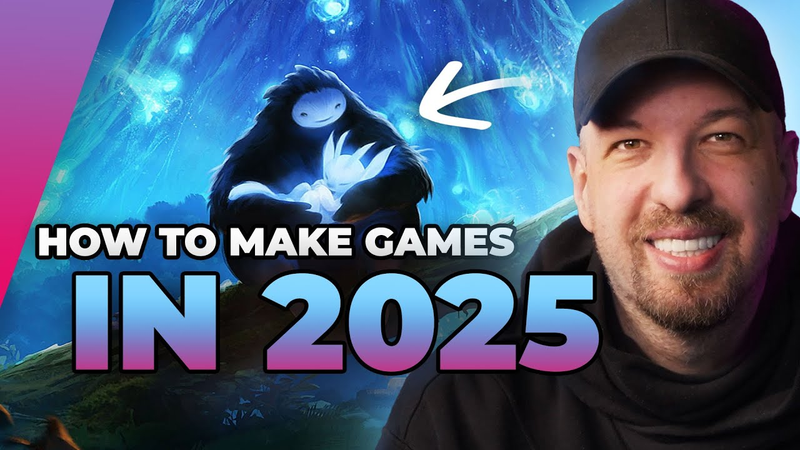
How To Make Indie Games In 2025 (Thomas Mahler) — Full Time Game Dev Podcast Ep. 040
The modern indie game development landscape demands a shift away from trend-chasing and bureaucratic production models toward a focus on core gameplay mechanics and distinct creative vision.
- Prioritize core gameplay mechanics and responsive, polished controls through extensive prototyping before committing to final art assets.
- Achieve success through relentless iteration and a willingness to fail early rather than relying on innate talent or trend-chasing.
- Challenge established genre conventions by pursuing significant mechanical leaps, such as moving from point-and-click systems to direct, animation-based controls.
Watch THIS If You Want To Make Indie Games (THE RIGHT WAY)
The primary thesis of this discussion is that rigid adherence to industry-standard technical workflows and conventional wisdom is often counterproductive for independent game developers.
- Prioritize the final gestalt of the game over rigid adherence to industry-standard technical workflows or conventional coding and modeling dogmas.
- Adopt an '150% effort' mindset to ensure that even if the project scope is reduced during development, the final output remains substantial and high-quality.
- Leverage the agility of small teams to outperform larger, structured AAA studios by utilizing non-traditional, unconventional development tactics.
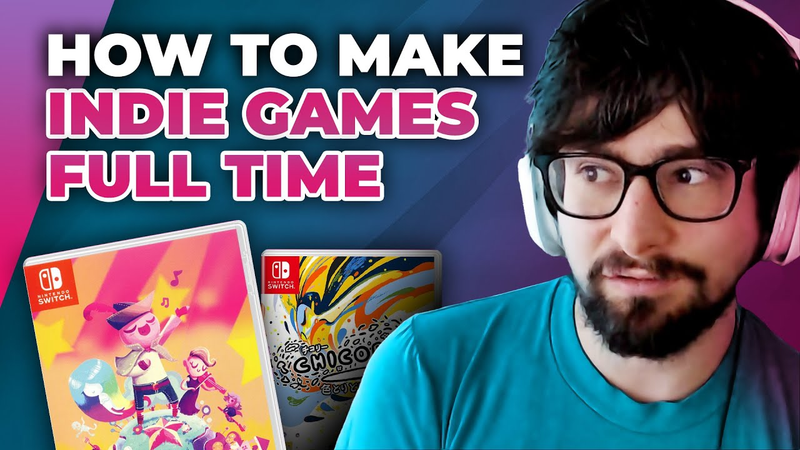
How To Make Indie Games Full Time (Greg Lobanov) — Full Time Game Dev Podcast Ep. 037
Achieving a sustainable, full-time career in independent game development relies on building a consistent portfolio of commercial projects rather than chasing singular viral successes.
- Indie developers do not need viral hits to sustain a full-time career; consistent income can be generated through a portfolio of smaller, non-explosive titles like Coin Crypt, Wandersong, Chicory, and Beastieball.
- When working with limited resources, developers should refine their core game loop and gimmick as a solo developer before hiring a team to scale production.
- Working with publishers can be a strategic choice for experienced developers to offload non-creative tasks, but creators should avoid large, high-stakes deals and prioritize clear, concise milestones to mitigate risk.
BRILLIANT Advice If You Want To Start Making Indie Games
Transitioning to a full-time career in independent game development requires a strategic approach to production, tool development, and risk management.
- Prioritize the early development of robust, proprietary internal tools like map editors and dialogue systems to automate repetitive tasks and accelerate long-term production.
- Treat every game project as a high-stakes investment by building modular technology that can be salvaged, reskinned, or repurposed if the initial concept fails to gain market traction.
- Focus on the game's 'hook' and aesthetic presentation, as these elements are often more critical to commercial success than the underlying mechanics.
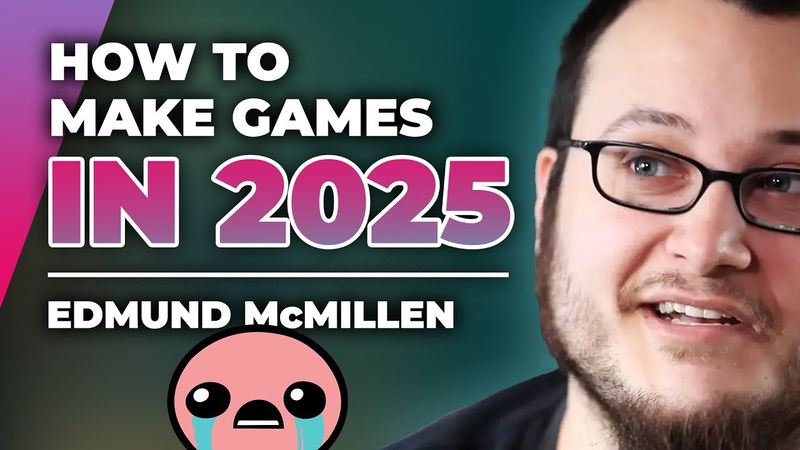
How To Make Indie Games In 2025 w/ Edmund McMillen — Full Time Game Dev Podcast Ep. 029
The independent game development landscape in 2025 demands a departure from trend-chasing in favor of radical creative autonomy and the cultivation of a distinct, uncompromising artistic voice.
- Success in the 2025 market requires prioritizing a distinct, uncompromising artistic voice over trend-chasing to differentiate projects in a saturated industry.
- Developers should adopt an organic, discovery-based development process that favors iterative idea-volleying over rigid design documents or speculative high-budget models.
- Financial constraints should be leveraged as catalysts for innovation rather than viewed as hindrances, as the industry shifts away from bloated, speculative investment models.

Marketing For Indie Games | Land a Hit Game!
Success in the indie game market on Steam is primarily determined by genre selection and product design rather than traditional advertising.
- The Steam algorithm functions as a competitive system that prioritizes games showing early traction; if a game fails to generate sufficient interest during its initial 20,000 impressions, Valve will reduce its visibility in favor of better-performing titles.
- Marketing acts as a 'fuse' to ignite the Steam algorithm, which serves as the primary engine for long-term sales through passive discovery and recommendations.
- Genre selection is a critical factor for success, with data showing that horror games consistently outperform other genres on Steam, while linear platformers often face significant market resistance.
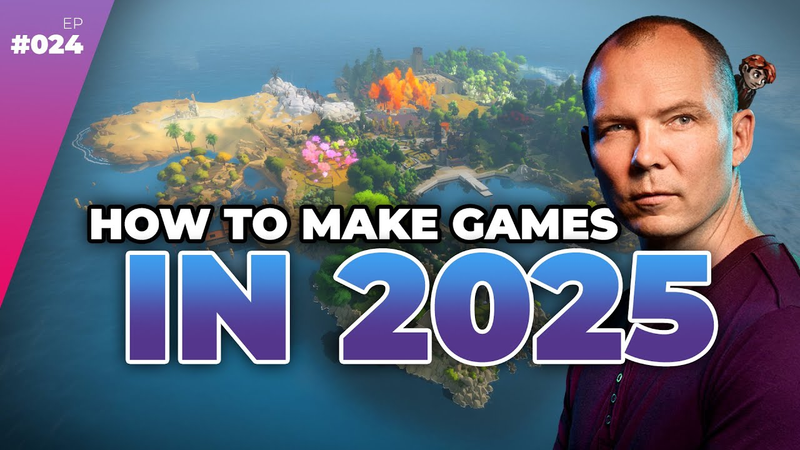
How To Make Indie Games In 2025 w/ Jonathan Blow — Full Time Game Dev Podcast Ep. 024
The contemporary game development landscape faces its most precarious period since the 1980s, defined by a saturated, "red ocean" marketplace where high-quality titles struggle for visibility amidst a deluge of low-effort releases.
- The current game market is a 'red ocean' characterized by extreme saturation, where high-quality titles are frequently obscured by a high volume of low-effort releases.
- Modern game engines like Unity and Unreal have lowered barriers to entry but introduced significant technical overhead, including software bloat and performance inconsistencies.
- Developers should consider building custom engines to regain technical control and efficiency, despite the increased labor and operational demands this approach requires.
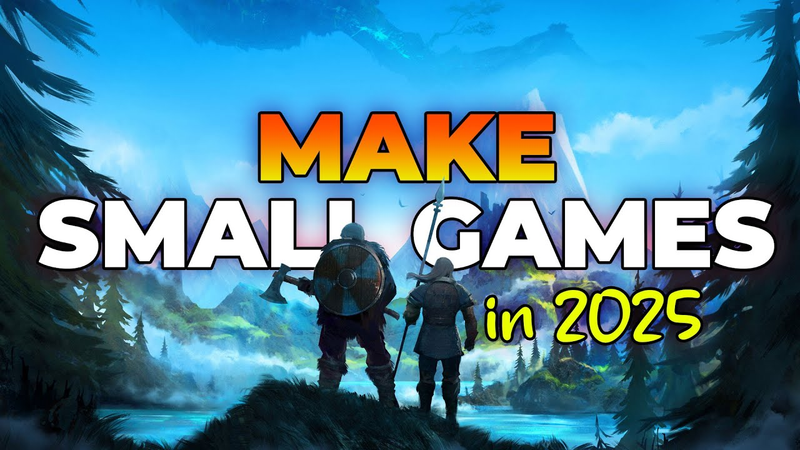
Why You Should Make Tiny Indie Games In 2025
The debate between developing small-scale versus large-scale indie games in 2025 centers on financial viability, return on investment, and audience retention.
- The 'bunch of balloons' business model minimizes financial risk by releasing multiple high-quality, small-scale titles rather than committing years to a single large-scale project.
- Small-scale games offer a more efficient return on labor and align with current market demand for bite-sized content compared to large projects that suffer from diminishing returns.
- Developers should launch minimalistic titles and only 'inflate' those that gain market traction through subsequent updates, Early Access content, or expansions.
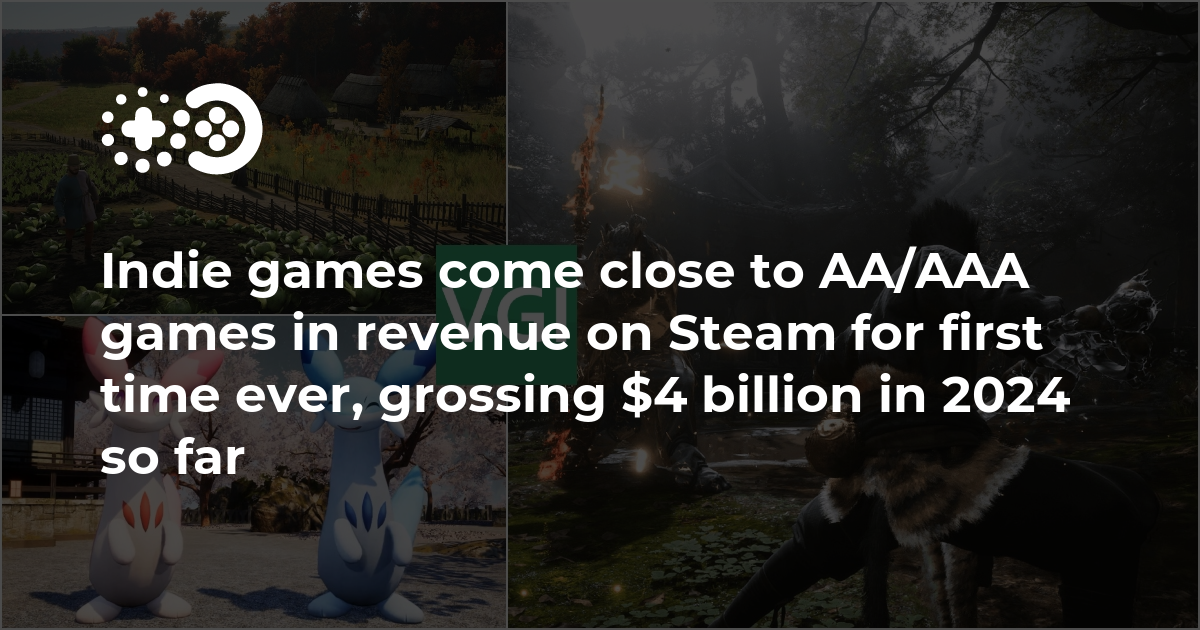
Indie Games Market Analysis: Revenue Share on Steam
Indie games are approaching parity with AA/AAA titles in revenue on Steam, generating nearly $4 billion in gross revenue from January 1 to September 30, 2024, which represents 48% of all full-game revenue on the platform.
- Indie games generated nearly $4 billion in gross revenue on Steam between January and September 2024, accounting for 48% of the platform's total full-game revenue.
- The indie sector's revenue share on Steam has doubled since 2018 and increased by 17 percentage points compared to 2023, bringing it nearly level with AA/AAA titles.
- Outlier hits like Black Myth: Wukong and Palworld significantly skewed results, with Black Myth: Wukong alone accounting for $1 billion in revenue—more than all other 2024 indie releases combined.
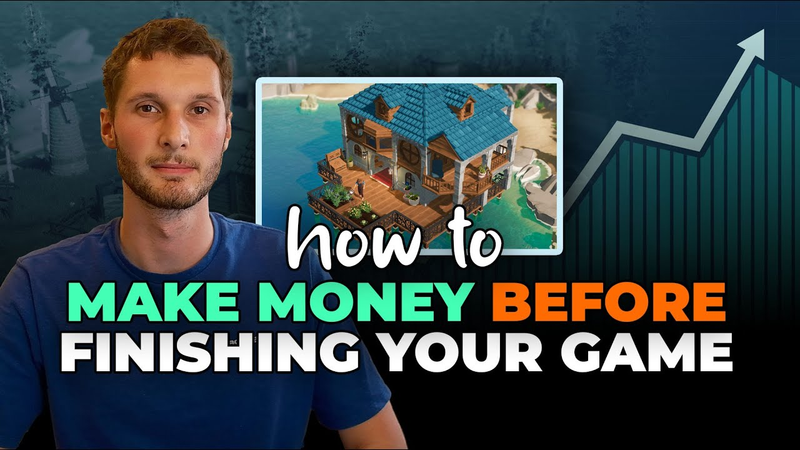
How To Make Indie Games Full Time (Before Finishing Your Game)
Transitioning to a full-time career in independent game development requires a strategic, multi-stage approach to funding that often necessitates personal financial sacrifice and diversified income streams.
- Julian Ball funded the development of Lens Island through a combination of personal savings, a pre-existing YouTube channel, and a $60,000 Kickstarter campaign.
- Lens Island has achieved significant commercial success, selling approximately 200,000 copies and generating roughly $3 million in gross revenue over three to four years.
- The studio's financial requirements scaled significantly over time, moving from a lean operation supported by personal savings to a peak burn rate of $100,000 per month.
Is It Too Late To Make Indie Games?
The indie game industry is not in a state of decline, but rather experiencing a shift in how success is defined and achieved.
- The indie game market is not struggling; rather, the industry's challenges are concentrated within AAA studios and publishers that prioritize risk-averse, uninspired 'solid' games over unique, innovative experiences.
- Indie developers possess a competitive advantage because they are not constrained by corporate structures or shareholder demands, allowing them to take the creative risks necessary to build games with strong, unique hooks.
- Large-scale publishers often impose corporate oversight that can water down an indie developer's original vision, potentially making the final product less competitive in a crowded market of 30,000 annual Steam releases.
Indie Games for Ethical and Socioemotional Development in Secondary Education
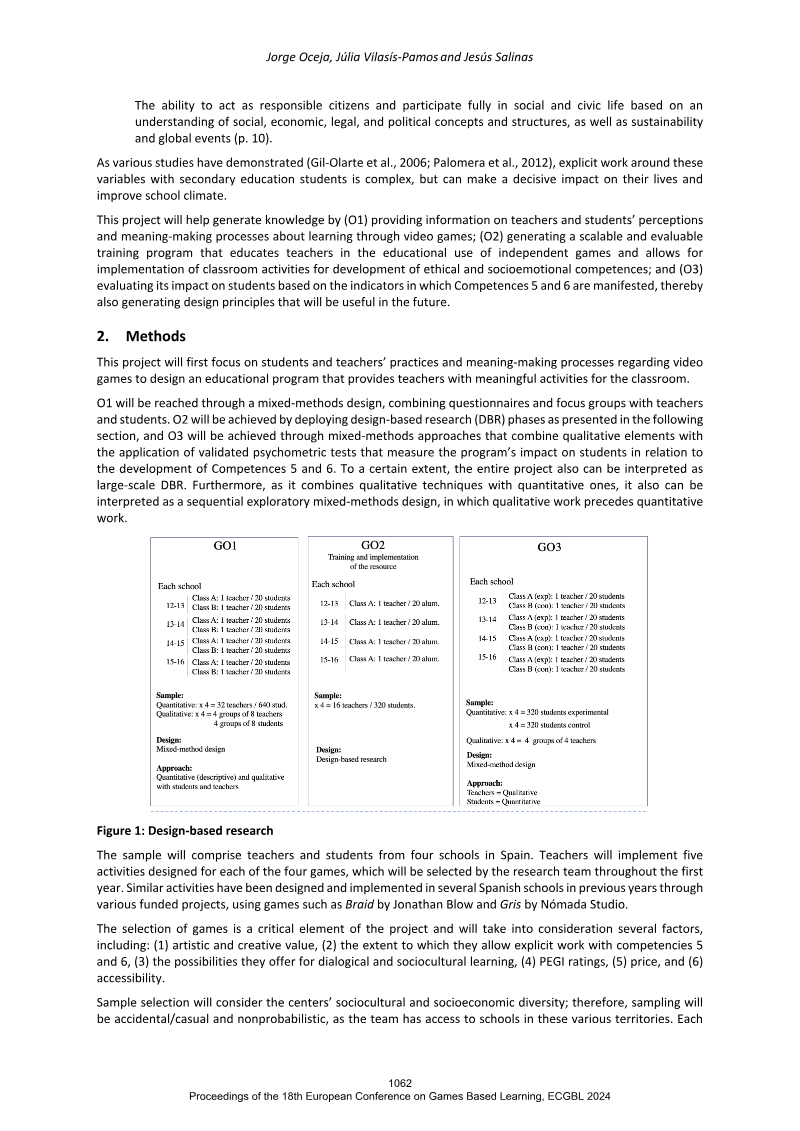
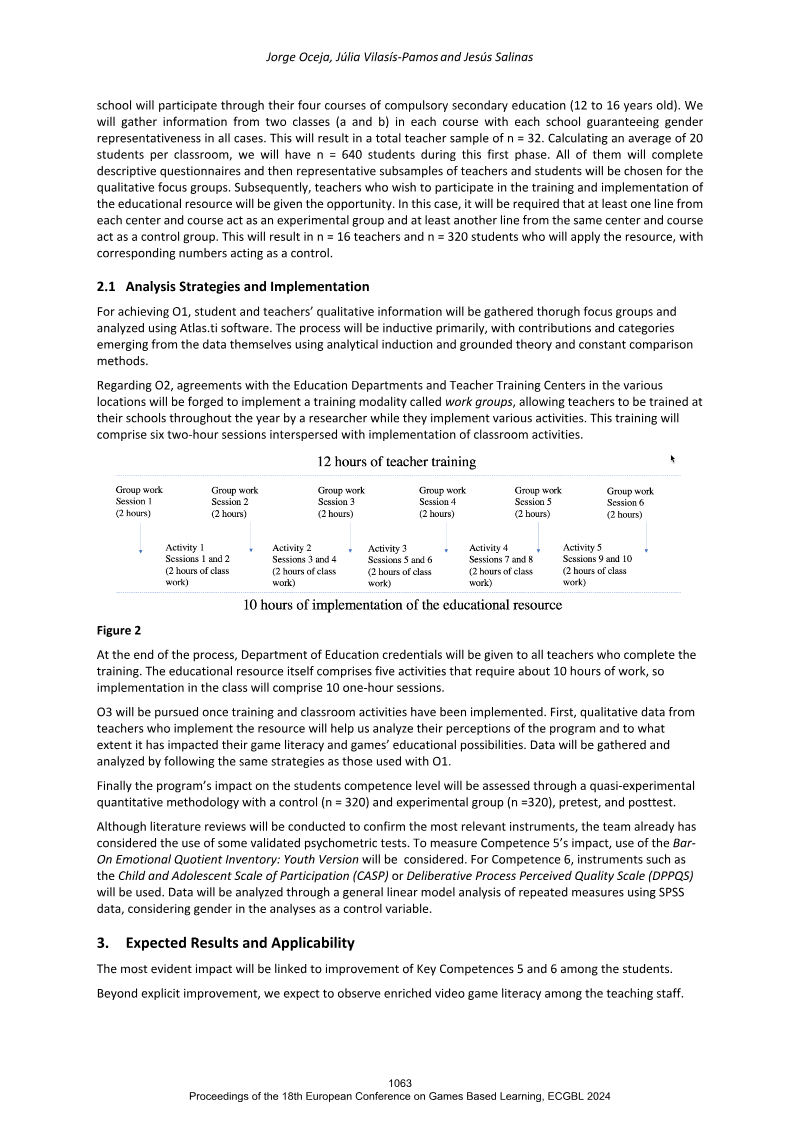
This document outlines a three-year research project focused on integrating indie video games into secondary education to foster ethical and socioemotional development, aligning with European key competencies 5 (personal, social, and learning to learn) and 6 (citizenship).
- The study proposes a three-year project integrating independent video games into Spanish secondary education to strengthen teachers' video game literacy and students' ethical and socioemotional development, targeting European key competences 5 (personal, social, and learning-to-learn) and 6 (citizenship).
- The authors argue that indie games, made by small studios with greater creative autonomy, offer richer possibilities for dialogical, sociocultural learning than commercial titles used in conventional game-based learning or gamification.
- The planned design combines design-based research with mixed methods and involves a proposed sample of 32 teachers and 640 students across four schools in Cantabria, the Balearic Islands, Andalusia, and Catalonia, with nonprobabilistic accidental sampling.