Games Industry Africa
Association63 documents
African game industry media platform. Publishes annual "State of the African Games Industry" reports, country reports, and resource guides.
Documents
Article
GameUp Rebrands and Launches AI-Powered Educational Platform
GameUp Africa, a prominent talent development initiative for the African gaming sector, has rebranded as GameUp Academy. This transition marks a strategic shift from a cohort-based model to an always-on, AI-powered educational platform. The initiative aims to streamline the process for aspiring creators to develop technical skills, produce practical game projects, and secure professional opportunities within the global creative industry.
The platform’s development is informed by five years of operational experience, during which the program attracted over 6,000 applicants from more than 40 countries and facilitated the publication of 161 game projects. By integrating artificial intelligence, the academy seeks to modernize traditional education by offering personalized learning paths that allow students to progress at their own pace, moving away from the constraints of fixed curricula and scheduled training cycles.
This evolution reflects a broader industry trend toward incorporating AI into both educational delivery and game development workflows. While the platform adopts new technology to enhance accessibility and efficiency, it maintains the core community and industry networking components that characterized its predecessor. The initiative continues to serve as a critical pipeline for emerging game development talent across the African continent, providing a scalable infrastructure for creators to learn, build, and earn.
- Maliyo Games has rebranded its talent development initiative, GameUp Africa, into an always-on, AI-powered learning platform called GameUp Academy.
- The platform shifts from a cohort-based model to an automated system that uses AI to help users navigate learning paths and progress at their own pace.
- Over the past five years, the original GameUp Africa program processed more than 6,000 applications from over 40 countries.
- The initiative has successfully supported the publication of 161 game projects since its inception.
- GameUp Academy is designed to facilitate skill building, practical project creation, and career progression for aspiring game developers.
Games Industry Africa
Article
Shroom and Gloom Sets September 10 Early Access Launch Date
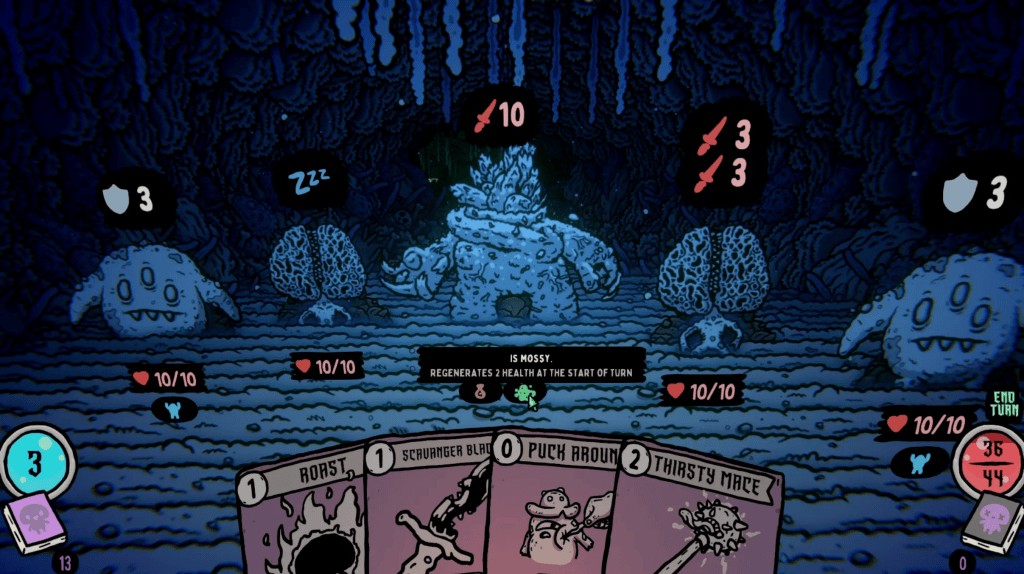
South African game developer Team Lazerbeam has scheduled the Early Access launch of its fungal-themed roguelike deckbuilder, Shroom and Gloom, for September 10, 2026. The title, which features hand-drawn aesthetics and a dual-deck system for combat and exploration, represents a significant milestone for the Johannesburg-based studio. The initial Early Access release will include five playable characters, with plans to expand the roster throughout the development cycle.
The project has demonstrated strong community engagement, largely driven by a robust social media strategy. In September 2025, the studio reported that content across TikTok and Instagram generated over nine million views within a 30-day period. This digital visibility translated into substantial growth on Steam, where the game surpassed 100,000 wishlists in late 2025. Momentum continued into 2026, with wishlist figures climbing to 150,000 in February and reaching 206,233 by June.
As the studio approaches the launch date, it has set a new target of 250,000 wishlists to maximize visibility and player acquisition. The development of Shroom and Gloom has been supported by a publisher partnership with Devolver Digital and the release of a playable Steam demo. By leveraging community interaction and consistent social media outreach, the studio aims to maintain its current growth trajectory as it transitions into the Early Access phase.
- South African studio Team Lazerbeam will launch its fungal roguelike deckbuilder, Shroom and Gloom, into Early Access on September 10, 2026.
- The game has achieved significant pre-launch traction on Steam, reaching 206,233 wishlists as of June 2026.
- Team Lazerbeam has set a new post-announcement goal of reaching 250,000 Steam wishlists by the Early Access launch date.
- The project is supported by a publisher partnership with Devolver Digital and has utilized social media campaigns on TikTok and Instagram to drive visibility.
- At the start of Early Access, players will have access to five playable characters: Lunchlady, Paperboy, Concerned Parent, Janitor, and Activist.
+1
Games Industry Africa

Article
Sea Monster Unveils Report on South Africa’s Gaming Ecosystem
The 2026 State of Gaming in South Africa report, published by Sea Monster Entertainment, asserts that gaming has transitioned from a niche hobby into a mainstream pillar of the country’s media and marketing landscape. The analysis highlights that South Africa is the largest gaming market in Africa by revenue, with projections indicating growth from $266 million in 2023 to $333 million by the end of 2026. The study identifies a total audience of approximately 26.5 million gamers, representing 42% of the national population.
The market is defined by a mobile-first infrastructure, driven by high smartphone penetration exceeding 81% compared to lower fixed-line internet access. Mobile gaming accounts for roughly 91% of total player spending, with an estimated 22 to 23 million mobile players. In contrast, the PC and console segments remain smaller, with 4.9 million and 2 million players, respectively. Casual genres dominate the mobile space, specifically puzzle, action, and sports titles. Demographic data reveals that over half of the digital gaming audience falls within the 15 to 34 age bracket, utilizing games for social connection, self-expression, and escapism.
Geographically, Gauteng hosts the largest absolute number of gamers at 28%, though KwaZulu-Natal and the Western Cape show higher engagement relative to their population sizes. The report concludes that while mobile-first audiences require data-light, accessible experiences, metropolitan centers offer opportunities for more sophisticated, high-bandwidth content. Furthermore, the findings suggest that the gaming sector holds significant potential beyond entertainment, particularly in education, financial literacy, and career development, positioning interactive media as a tool for broader societal impact.
- South Africa’s gaming market is projected to grow from $266 million in 2023 to $333 million by the end of 2026, solidifying its position as the largest gaming market in Africa by revenue.
- The country has approximately 26.5 million gamers, representing roughly 42% of the total population.
- Mobile gaming dominates the landscape with 22–23 million players, accounting for 91% of total player spending due to high smartphone penetration and limited fixed internet infrastructure.
- Casual gaming is the most popular genre, with 65% of mobile gamers playing puzzle games, followed by action (47%) and sports (39%).
- More than half of South Africa’s digital gaming audience is aged between 15 and 34, utilizing games for social connection, self-expression, and learning.
Games Industry Africa
Article
NewGen Studio Drops First Gameplay Trailer for Gone Digging
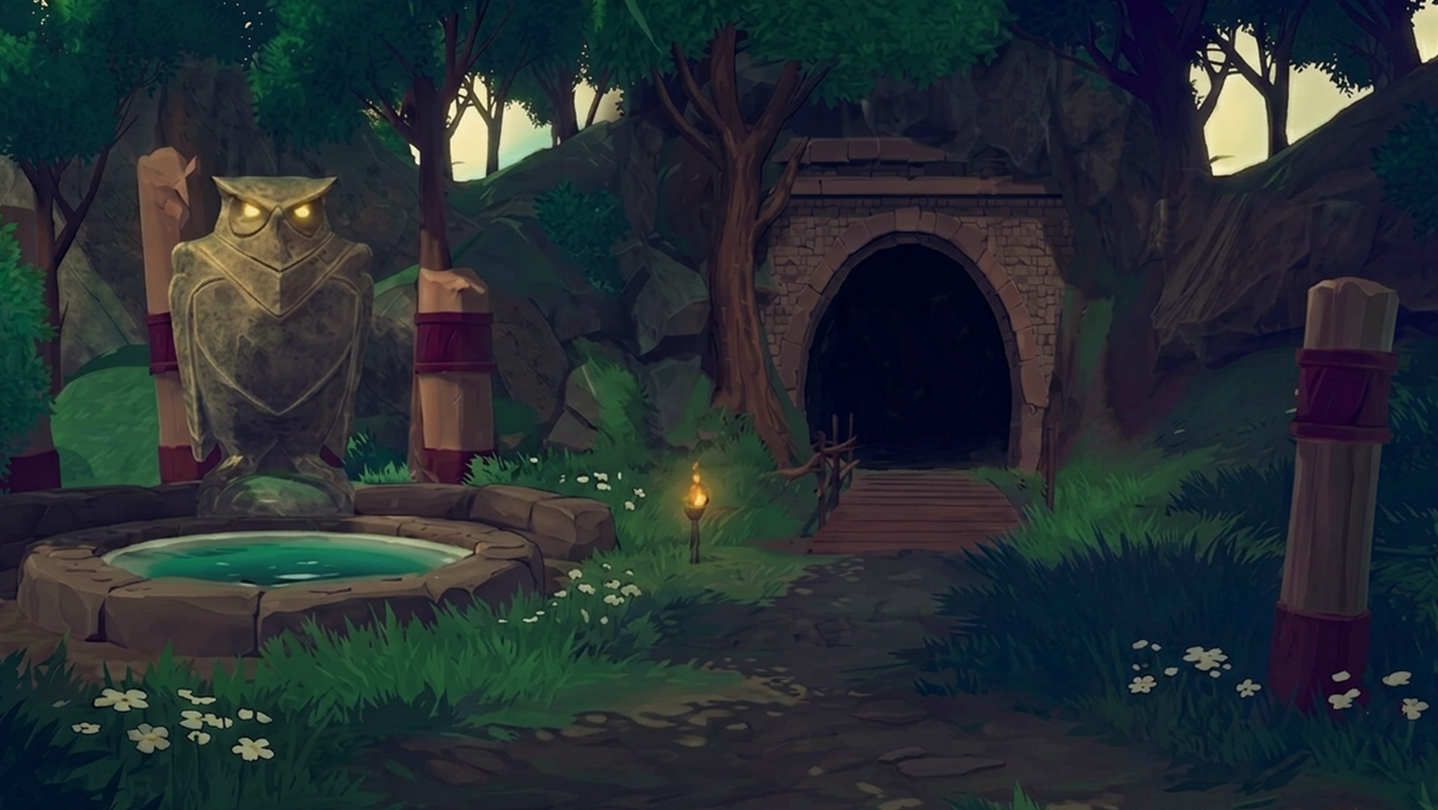
Tunisian indie developer NewGen Studio has released the inaugural gameplay trailer for its upcoming title, Gone Digging. The project is a 1–4 player co-op survival horror game that centers on a loop of daytime resource gathering and nighttime survival. Players navigate unstable underground environments to extract loot, which they must then manage by choosing to sell, retain, or sacrifice items to upgrade their equipment.
The game is currently available for wishlisting on Steam, with a single-player demo already accessible to the public. NewGen Studio intends to launch the title into Steam Early Access, projecting an initial development phase of 9 to 12 months. During this period, the studio plans to iterate on the core experience by incorporating community feedback, with specific goals to expand the available maps, introduce new monsters, add digging tools, and refine the multiplayer mechanics.
This release represents a continued expansion of NewGen Studio’s portfolio within the African independent gaming sector. The studio is concurrently supporting its previous title, West Hunt, while developing a sequel and preparing for the release of another project, North Hunt, later in 2026. The trailer serves as a strategic marketing milestone as the developer moves toward the early access launch of its latest survival-horror venture.
- Tunisian developer NewGen Studio has released the first gameplay trailer for its upcoming 1–4 player co-op survival horror game, Gone Digging.
- The game features a core loop of daytime resource gathering and cave exploration followed by survival-horror challenges at night.
- Gone Digging will launch into Steam Early Access with a planned development phase of 9 to 12 months to incorporate community feedback.
- NewGen Studio intends to expand the game post-launch with additional maps, monsters, and digging tools, alongside multiplayer improvements.
- A single-player demo for the title is currently available on Steam, and the game is open for wishlisting.
Games Industry Africa
Article
Nigerian Solo Developer Seeks Players to Help Shape Strategy Game
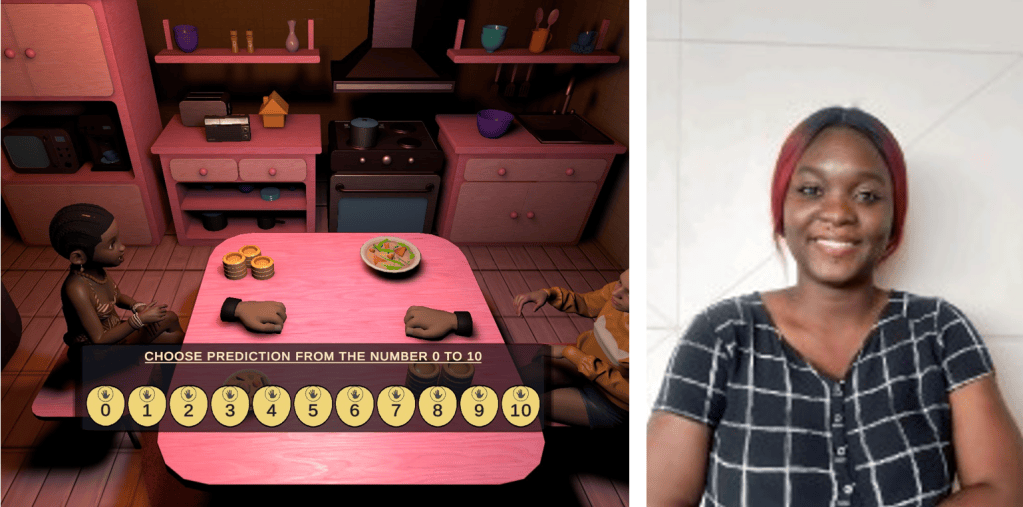
Dooshima Games, an independent studio led by Nigerian solo developer Dosshima Anger, is soliciting player feedback to refine its upcoming strategy and deduction title, After Round One. The project, which originated as an entry for the GMTK Game Jam 2026, has since evolved into a more comprehensive digital experience. The game draws inspiration from traditional Nigerian street games, adapting mechanics centered on finger-counting and predictive strategy into a digital format where players compete against an AI opponent.
The development of the project has gained momentum following its selection for the DevGAMM Awards 2026 competition, a milestone that has increased the game's visibility within the international development community. To facilitate the next phase of production, the developer has released a playable demo on itch.io using a name-your-own-price model. This outreach effort is designed to gather diverse player perspectives, which the developer intends to use as a primary guide for future design iterations.
By inviting public participation, the studio aims to balance the game’s mechanics and ensure the final product resonates with fans of party and deduction-style games. This initiative highlights the growing activity within the Nigerian independent game development sector, as creators increasingly leverage global platforms and competitive showcases to iterate on their work and reach broader audiences.
- Nigerian solo developer Dosshima Anger is seeking public feedback for the strategy and deduction game 'After Round One' to guide its ongoing development.
- The project, built in Unity, is inspired by traditional Nigerian finger-counting street games and features AI-driven opponent mechanics.
- Originally developed for the GMTK Game Jam 2026, the project has since expanded in scope and was selected for the DevGAMM Awards 2026 competition.
- A playable demo is currently available on itch.io using a name-your-own-price model.
- The developer is actively soliciting both positive and critical feedback from players to shape the future direction of the game.
+1
Games Industry Africa

Article
Maliyo Games Calls on African Developers to Shape the 2026 Africa Game Developer Survey
Maliyo Games has initiated the 2026 Africa Game Developer Survey, marking the fifth consecutive year of this data-gathering effort. The primary objective of the initiative is to capture a comprehensive, ground-level perspective of the evolving gaming landscape across the African continent. By soliciting input from studio founders, independent creators, and developers, the project aims to establish a robust data foundation for the annual Africa Games Industry Report.
The survey serves as a critical resource for a wide range of stakeholders, including international investors, policymakers, gaming platforms, and industry organizations. It is designed to track key performance indicators such as the growth of independent studios, the adoption of emerging technologies, the availability of funding, and the expansion of export opportunities. By documenting these trends, the initiative highlights both the progress made by African developers and the specific areas where further support and infrastructure are required.
As a long-standing industry reference, the resulting report provides essential context for those seeking to understand the unique opportunities and challenges within the African market. The survey process encourages direct participation from the development community, ensuring that the final analysis accurately reflects the realities of the sector. This ongoing effort remains a central component in shaping the narrative and strategic development of the African games industry on a global stage.
- Maliyo Games has launched the 2026 Africa Game Developer Survey to gather data on the continent's evolving gaming industry.
- This initiative marks the fifth consecutive year of the survey, which serves as the primary data source for the annual Africa Games Industry Report.
- The survey tracks critical industry metrics, including studio growth, game launches, adoption of emerging technologies, and access to funding.
- The resulting report is a key reference for investors, policymakers, and international stakeholders to identify opportunities and challenges within the African market.
- Participation is open to all game developers, creators, and studio founders operating across the African continent.
Games Industry Africa
Article
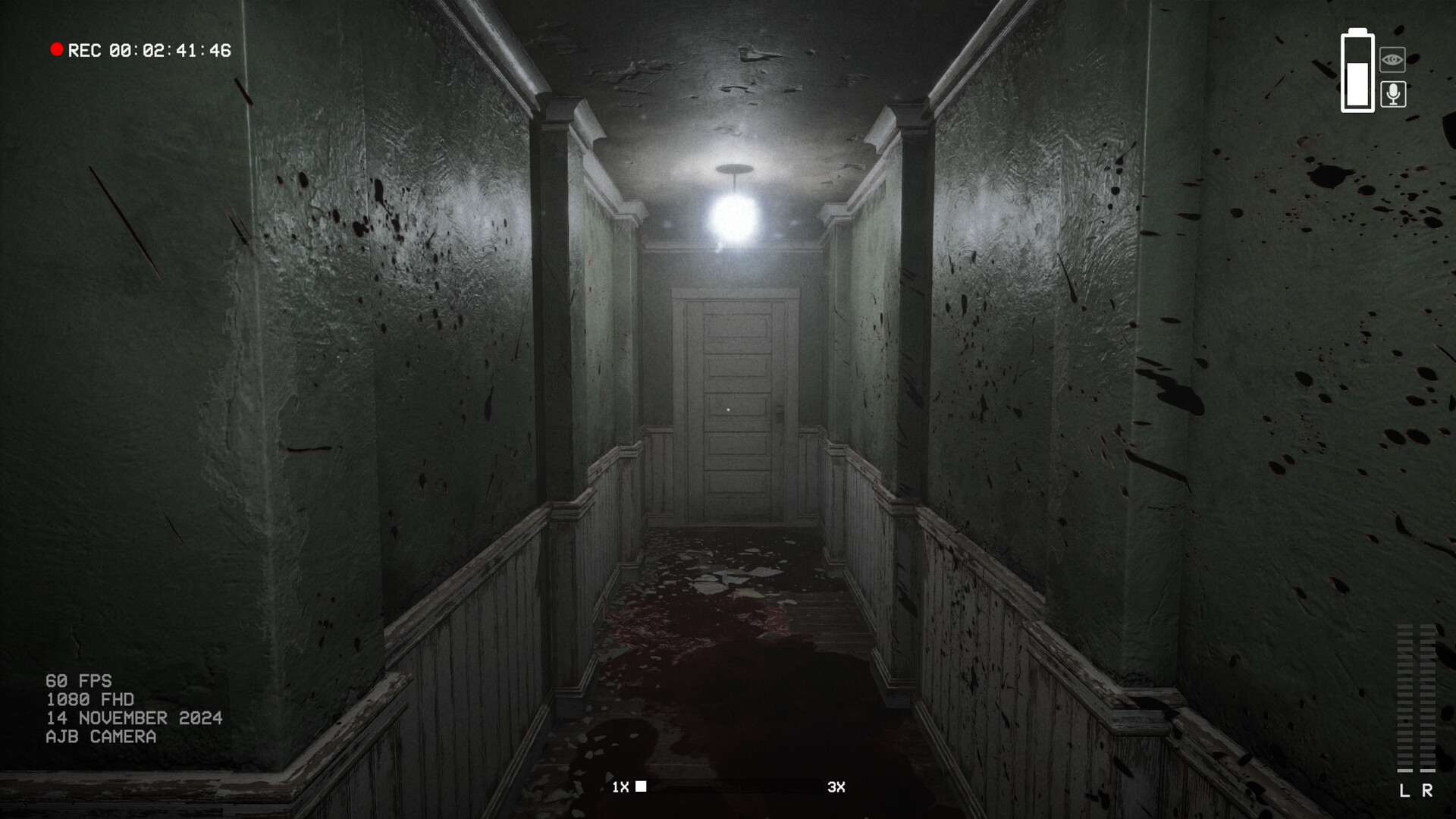
AJB Games Studio Celebrates Positive Reception for Martha’s Dolls 2 on Steam
Moroccan indie developer AJB Games Studio has achieved a significant milestone with the release of its horror sequel, Martha’s Dolls 2, which launched on Steam on September 1, 2026. The game has garnered a "Very Positive" rating from the player community, securing 73 positive reviews out of 77 within its first few weeks of availability. This success follows the studio's previous recognition, including a Best Moroccan Game award for the original 2024 title.
The sequel continues the narrative of the original horror hit, focusing on an urban exploration theme that emphasizes atmospheric storytelling, puzzles, and jumpscares. Despite the game offering a concise, 45-minute experience, the developer highlights the project as a validation of prioritizing core design quality over extensive playtime. The positive reception serves as a testament to the studio's growing influence within the African indie horror gaming sector, building upon a portfolio that includes previous titles such as BOKKIE and UNCURSED.
Studio founder Ayman Jbari attributes the favorable reception to the effectiveness of the game's focused design, noting that the community's engagement reinforces the value of atmospheric, short-form experiences. By successfully balancing narrative depth with a compact scope, the studio has managed to resonate with its audience, marking a notable achievement for the Moroccan developer in the competitive global PC gaming market.
- Moroccan indie developer AJB Games Studio launched the horror sequel Martha’s Dolls 2 on Steam on September 1, 2026.
- The game achieved a 'Very Positive' rating on Steam, with 73 positive reviews out of 77 total at the time of reporting.
- Martha’s Dolls 2 is a short-form experience with a runtime of approximately 45 minutes.
- The original 2024 title, Martha’s Dolls, previously won Best Moroccan Game at the 2025 LGaming Awards.
- AJB Games Studio’s portfolio includes other horror titles such as BOKKIE and UNCURSED.
+3
Games Industry Africa
Article
Noohkema Game Studios Launches Orbix: Adinkra Resonance on Android
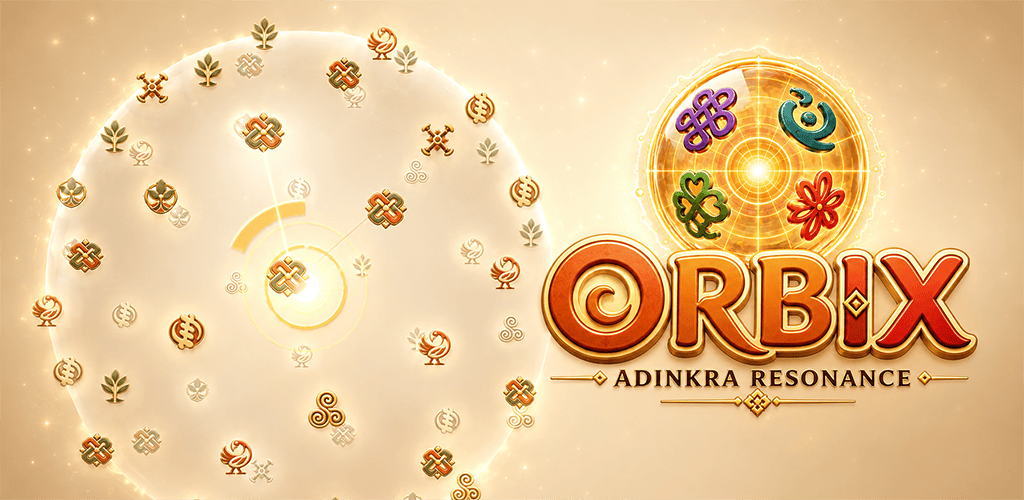
Noohkema Game Studios, based in Cameroon, has officially released its new mobile puzzle title, Orbix: Adinkra Resonance, on the Android platform. Developed using the Unity engine, the game challenges players to manipulate a spherical interface to match interconnected symbols, creating resonance effects that facilitate progression. The current release includes five playable chapters, with the studio actively developing additional content to expand the game’s scope and mechanics.
The primary objective of the project is to integrate African cultural heritage directly into core gameplay systems rather than utilizing it solely for aesthetic purposes. The game centers on Adinkra symbols, a traditional visual system from the Akan peoples of Ghana and Côte d’Ivoire that represents complex philosophical concepts, values, and proverbs. By incorporating these symbols into the game’s progression and collectible mechanics, the studio provides players with educational context regarding the cultural significance of each icon, such as the concept of Sankofa.
This launch represents a strategic effort by Noohkema Game Studios to demonstrate how culturally rooted knowledge can be translated into accessible, contemporary interactive media. The studio views the current iteration of the game as an evolving framework, with long-term ambitions to apply similar interactive methodologies to other African symbolic systems and writing traditions. By moving beyond superficial representation, the developers aim to create a sustainable model for preserving and sharing cultural heritage through digital gaming.
- Cameroon-based Noohkema Game Studios released 'Orbix: Adinkra Resonance' on Android, a puzzle game that integrates Akan Adinkra symbols into its core mechanics rather than using them as purely visual assets.
- The game utilizes a spherical puzzle system where players rotate and manipulate symbols to create 'resonance' effects, with the current version featuring five playable chapters.
- Players can unlock collectible Adinkra cards throughout the game that provide educational context on the philosophical meanings and proverbs associated with the symbols.
- Noohkema Game Studios plans to expand the title with additional chapters and new gameplay mechanics, positioning the game as an evolving project.
- The studio intends to use 'Orbix' as a foundational framework for future interactive interpretations of various African symbolic systems and cultural knowledge traditions.
Games Industry Africa
Article
Dressmaker: Critical Consensus
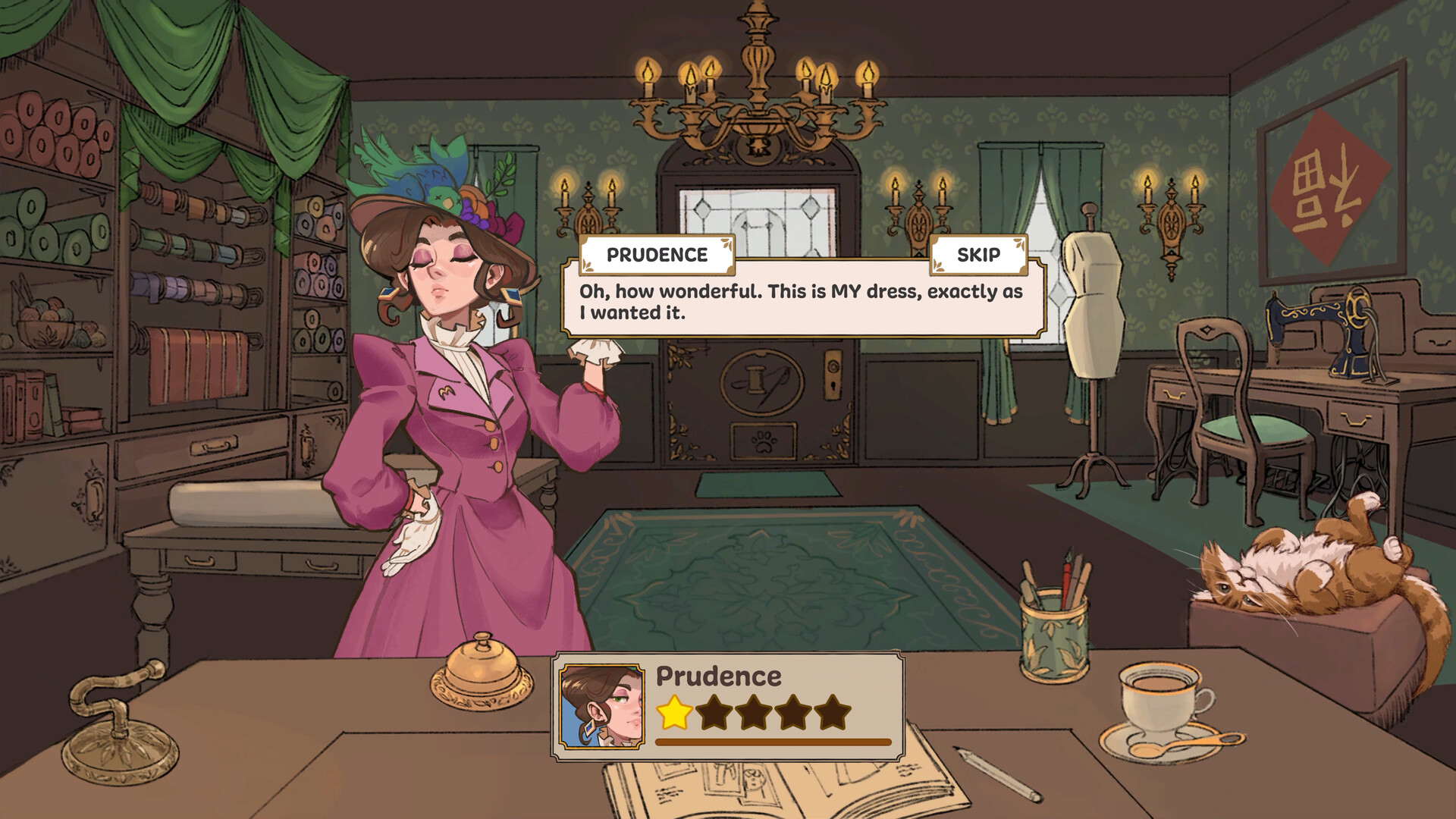
The release of Dressmaker, a cozy sewing and design simulator developed by the Cape Town-based studio Cozy Lives, marks a significant commercial and critical success for the South African game development sector. Launched on September 21, 2026, the title quickly gained traction on the global stage, securing the fourth position on Steam’s global Top Sellers chart within 24 hours of its debut. The game has maintained a strong reception, boasting a 95% “Very Positive” user rating on Steam and favorable early critical reviews that highlight its depth and original approach to tailoring mechanics.
The project originated as a prototype in July 2025, developed under the mentorship of the established South African indie studio Free Lives. Following a successful prototype phase that generated 30,000 downloads and significant viral interest, the game was greenlit for full production. Pre-release anticipation was substantial, with the title accumulating over 400,000 wishlists. Upon launch, it surpassed 6,000 concurrent players, demonstrating strong market demand for its specialized gameplay, which features a 35-plus hour story mode focused on the creative process of dressmaking rather than traditional business management simulations.
This success underscores the growing influence of South African developers within the global indie market. By leveraging the resources and expertise of Free Lives, the Cozy Lives team successfully transitioned a niche concept into a high-performing commercial product. The positive critical consensus, characterized by praise for the game's authentic design mechanics, further validates the studio's focus on depth and originality, positioning the title as a notable entry in the cozy simulation genre.
- Cape Town-based studio Cozy Lives, a team operating within Free Lives, launched the sewing simulator Dressmaker on September 21, 2026, to immediate commercial success.
- Within 24 hours of release, Dressmaker reached number four on Steam’s global Top Sellers chart, outperforming major titles like Silent Hill: Townfall and Control: Resonant.
- The game holds a 95% 'Very Positive' user rating on Steam and has surpassed 6,000 concurrent players.
- Pre-launch momentum was significant, with the game accumulating over 400,000 wishlists and an earlier itch.io prototype generating 30,000 downloads and over one million views on content creator platforms.
- Dressmaker features a 35-plus hour story mode focused on the technical process of tailoring rather than traditional shop or business management mechanics.
Games Industry Africa

Article
South Africa’s Vetkoek Studios Launches Roblox Accelerator for Aspiring Game Developers
South African developer Vetkoek Studios has launched a Roblox Game Development Accelerator, a two-week program designed to assist aspiring creators in building, testing, and publishing games on the Roblox platform. The initiative targets individuals aged 18 and older who are not currently employed full-time, including students and independent developers. Applications for the inaugural cohort close on September 30, 2026, with the development phase scheduled for October 12–26, 2026.
The program emphasizes practical experience over theoretical training, requiring participants to produce a playable prototype while receiving direct mentorship from the studio. To qualify, applicants must demonstrate prior development experience by having created at least two game prototypes in any engine. The studio will select six projects for the initial phase, offering each a R5,000 payout upon the successful completion of milestones, workshops, and feedback integration.
Beyond the initial development phase, the accelerator provides a commercial pathway for participants. Under the proposed publishing arrangement, developers retain intellectual property rights to their creations while granting Vetkoek Studios distribution and monetization rights. In exchange, the studio provides publishing support and a 50% revenue share from the income generated by the games. By facilitating this bridge between development and market entry, the program aims to help new creators build sustainable projects capable of attracting and retaining an audience within the Roblox ecosystem.
- South African developer Vetkoek Studios has launched a two-week Roblox Game Development Accelerator to help aspiring creators build and publish games on the platform.
- The program is open to individuals aged 18 and over who are not in full-time employment, with applications closing on September 30, 2026, and the first development phase running from October 12–26, 2026.
- Vetkoek Studios will award R5,000 to each of the six winning games in the first phase, with additional R5,000 payouts available for qualifying projects in subsequent phases.
- While no prior Roblox experience is required, applicants must demonstrate development aptitude by having created at least two game prototypes in any engine.
- Under the program's commercial model, developers retain intellectual property rights while granting Vetkoek Studios distribution and monetization rights in exchange for a 50% revenue share.
+1
Games Industry Africa
Article
France and Morocco Expand Partnership to Support Africa’s Film and Games Industries
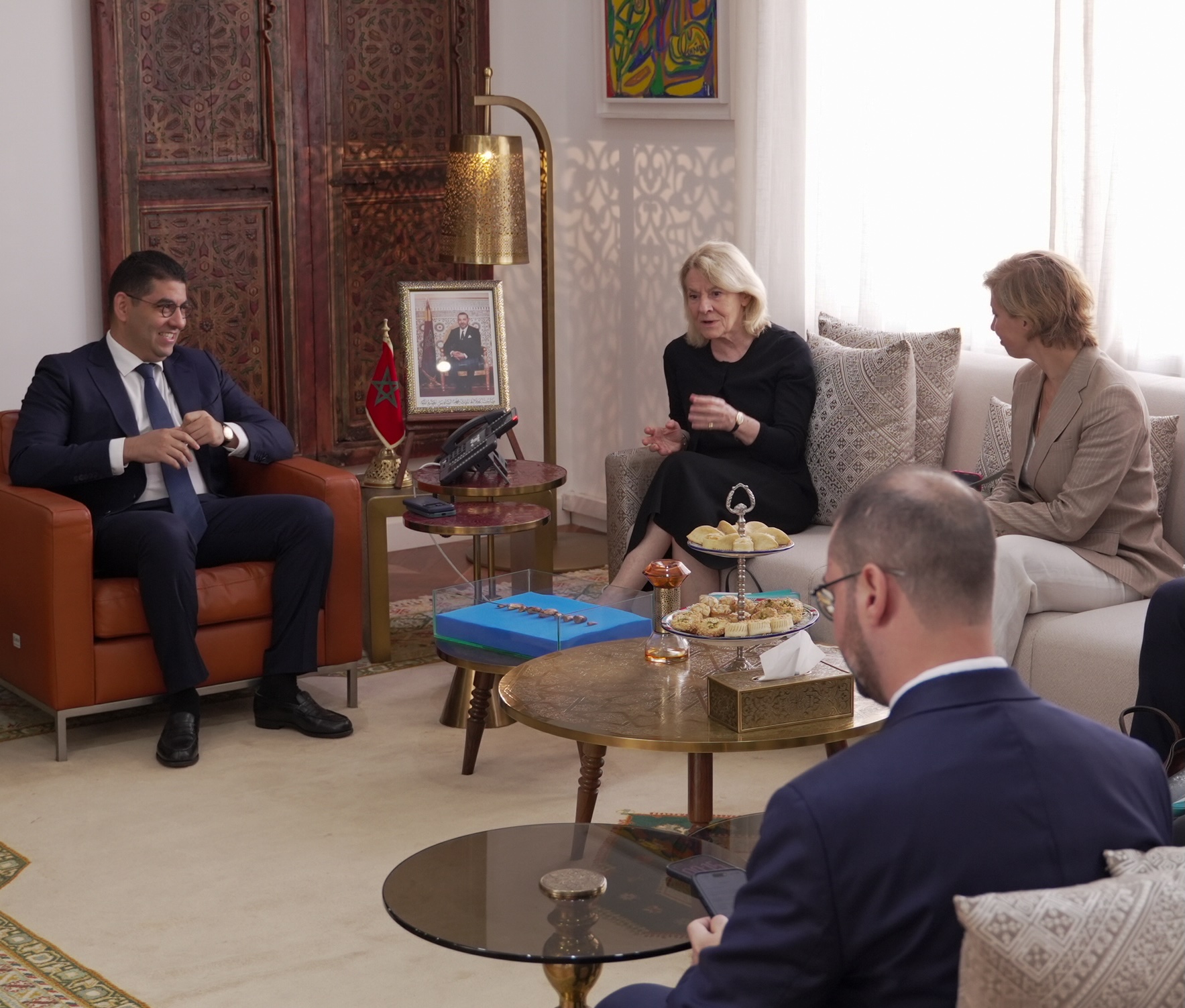
France and Morocco have formalized a new partnership aimed at bolstering the creative economies of the African continent, specifically targeting the film, audiovisual, and video game sectors. Signed on July 16, 2026, the agreement establishes a collaborative framework that facilitates Morocco’s integration into the African Authors and Producers Fund (FAPA). This initiative, launched by France’s National Centre for Cinema and the Moving Image (CNC), is supported by a €1 million budget for 2026 and involves thirteen international partners across six countries.
The partnership emphasizes the growing importance of interactive media, identifying the video game sector as one of Africa’s fastest-growing creative industries. By sharing expertise and developing new support mechanisms for creators and entrepreneurs, the agreement seeks to bridge the gap between Francophone and non-Francophone creative ecosystems. A key component of this strategy is the utilization of the ISMAC campus in Dakhla, Morocco, which serves as a regional hub for training the next generation of African creative professionals.
This initiative reflects a broader strategic shift toward institutional cooperation to foster sustainable creative industries. By aligning talent development, business support, and international market access, the partnership aims to position Morocco as a primary gateway for creative collaboration between Africa and Europe. The agreement underscores a commitment to long-term industry development, recognizing that the technical and professional skills required for film, animation, and game development are increasingly interconnected within the modern digital economy.
- France and Morocco signed a declaration of intent on July 16, 2026, to strengthen cooperation across the African cinema, audiovisual, and video game industries.
- The agreement facilitates Morocco’s integration into the African Authors and Producers Fund (FAPA), a multi-partner initiative launched by France’s National Centre for Cinema and the Moving Image (CNC) in May 2026.
- FAPA is supported by a €1 million budget for 2026 and includes thirteen international partners from six countries, such as Telefilm Canada and the Red Sea Film Foundation.
- The partnership aims to establish Morocco as a regional creative hub, utilizing the ISMAC campus in Dakhla as a primary platform for training African creative professionals.
- The declaration formally recognizes video games as one of Africa’s fastest-growing creative sectors, committing both nations to share expertise and develop support mechanisms for interactive media entrepreneurs.
Games Industry Africa
Article
Supercell Launches Equity-Free Grants for African Game Studios
Supercell has introduced a new Developer Grants Program aimed at supporting African game studios through non-dilutive, equity-free funding. The initiative seeks to address the persistent challenge of early-stage financing for developers across the continent, providing capital that allows studios to scale operations and complete production while retaining full ownership of their intellectual property and business entities.
The program offers grants ranging from US$20,000 to US$200,000 to legally registered studios based in Africa. Rather than focusing on specific genres or platforms, the selection process prioritizes team strength, creative vision, community engagement, and a clear, sustainable growth strategy. Supercell expects to select three to five studios for the inaugural cohort, with the application window closing in August 2026 and funding scheduled to commence in December.
This initiative reflects a broader trend among global industry leaders to foster long-term development within the African gaming ecosystem, moving beyond traditional market expansion to invest in local entrepreneurial talent. The program complements other recent efforts, such as the Google Play Indie Games Fund for Africa, signaling a shift in how international technology firms perceive the region as a hub for future innovation and original intellectual property. By targeting studio-level sustainability rather than individual project funding, these programs aim to remove structural barriers to growth for independent developers across the continent.
- Supercell has launched an equity-free Developer Grants Program for African game studios, offering non-dilutive funding between US$20,000 and US$200,000.
- The program aims to support 3 to 5 selected studios in its inaugural cohort, with applications closing on August 9, 2026, and funding expected to begin in December 2026.
- To be eligible, studios must be legally registered in Africa, with primary operations and the majority of their team based on the continent.
- Selection criteria focus on team strength, game quality, community engagement, ecosystem contribution, and a clear, well-defined strategy for grant utilization.
- The initiative is designed to support long-term studio sustainability across mobile, PC, and console platforms, rather than funding individual game projects.
+1
Games Industry Africa