Indie Games
Company
Documents about Indie Games

Live Workshop: The Ultimate Guide To Making 3D Indie Games
Successful 3D indie game development hinges on the integration of precise structural fundamentals and iterative design processes.
- Implement a strict grid-based development system using a consistent unit size (such as four) to ensure modular assets fit together perfectly and streamline level construction.
- Prioritize blocking out levels and testing them with external playtesters early in the process to avoid the 'toxic positivity' of internal teams and prevent costly redesigns.
- Optimize performance by manually disabling shadow casting for the majority of meshes and lights, selecting only a few key elements to cast shadows for cinematic effect.
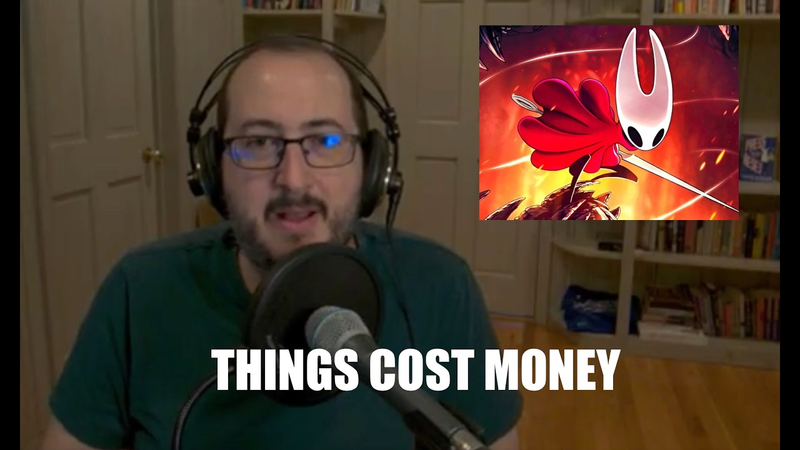
Making Indie Games Is Like Buying A Lottery Ticket
The transition from corporate game development to independent game creation is frequently misunderstood as a viable alternative to industry layoffs.
- The indie game market is hyper-saturated, with over 21,000 games released on Steam in 2025 alone, making commercial viability difficult even for critically acclaimed titles.
- Transitioning to independent development is a high-risk financial endeavor rather than a stable career pivot, as it frequently requires personal savings, grants, or family support to cover years of development costs.
- The 'starving artist' model of indie development is functionally inaccessible to mid-career professionals who have significant financial obligations like mortgages and dependents.

Want To Make Indie Games? Fix These 10 Things In Your Game NOW
Retention is the most critical metric for the success of indie games, as it directly influences platform algorithms and overall sales.
- The median playtime for Steam game demos is only 14 minutes, making early player retention the most critical metric for driving algorithm visibility and sales.
- Onboarding must be intuitive and avoid walls of text; players should learn mechanics through gameplay without feeling overwhelmed or unintelligent.
- Developers should front-load their games with 'triggered sequences'—frequent, reactive environmental events—to keep players engaged during the critical first 14 minutes.
How To Actually FINISH & SELL Your Indie Games (Webinar & Q&A)
The successful completion and commercialization of indie games depend on a strategic synthesis of personal creative passion and objective market viability.
- To ensure a game is viable and marketable, developers should release a demo early to track key performance metrics like wishlists, streamer interest, and audience engagement.
- Developers should scale down project scope by focusing on a single core mechanic and aesthetic to increase the likelihood of actually finishing the product.
- Before fully fleshing out a game, conduct private beta testing with a small group of users to gather critical feedback and identify technical issues early in the development cycle.
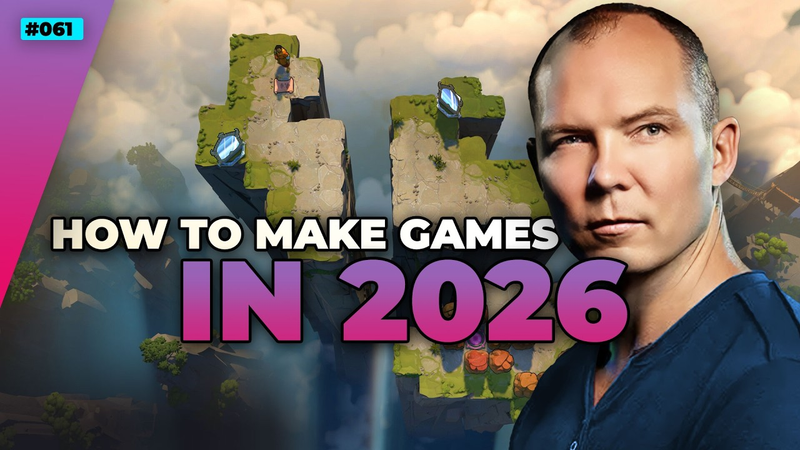
How To Make Indie Games In 2026 w/ Jonathan Blow — Full Time Game Dev Podcast Ep. 061
The modern indie game landscape is defined by intense competition and a precarious pricing environment, necessitating a strategic shift toward long-term discoverability.
- Jonathan Blow’s upcoming game, Order of the Sinking Star, represents a 10-year development cycle that involved building a custom game engine and a custom programming language from scratch.
- Steam remains the most accessible platform for indie developers to reach a large audience, though developers must still navigate the difficulty of standing out in a crowded marketplace.
- Large Language Models (LLMs) are effective for debugging specific issues by scanning multiple controllers and systems, but they struggle to maintain complex, multi-system constraints in larger codebases.
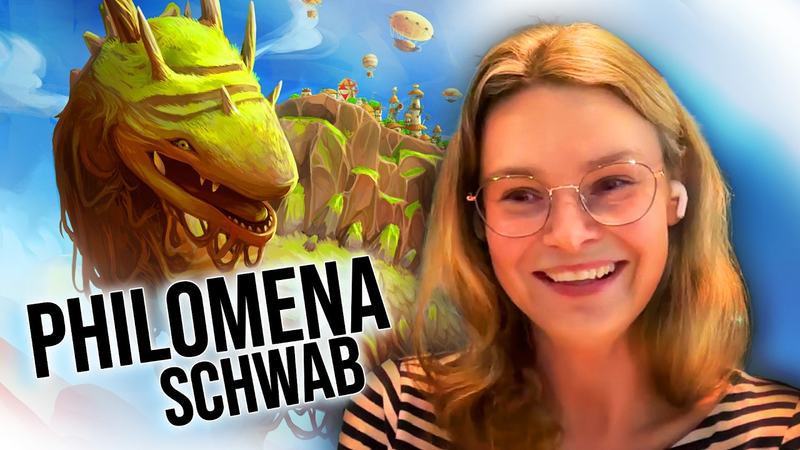
Marketing Indie Games as a Developer vs. Publisher
The primary driver of commercial success in the indie game sector is the inherent quality and conceptual appeal of a title, rather than marketing efforts alone.
- Stray Fawn Studio successfully validated their early game concepts by running crowdfunding campaigns, notably raising 75k for their first title, which provided the initial capital to pay developers a modest wage.
- Long Early Access periods can lead to market fatigue; for one title, a 2.5-year Early Access phase resulted in a 1.0 release that failed to generate significant renewed interest, even after an influencer campaign targeting 18,000 contacts.
- Marketing efficiency is significantly higher when a game has mass appeal, as it reduces the need for manual, labor-intensive efforts to 'dig for attention' in niche communities.
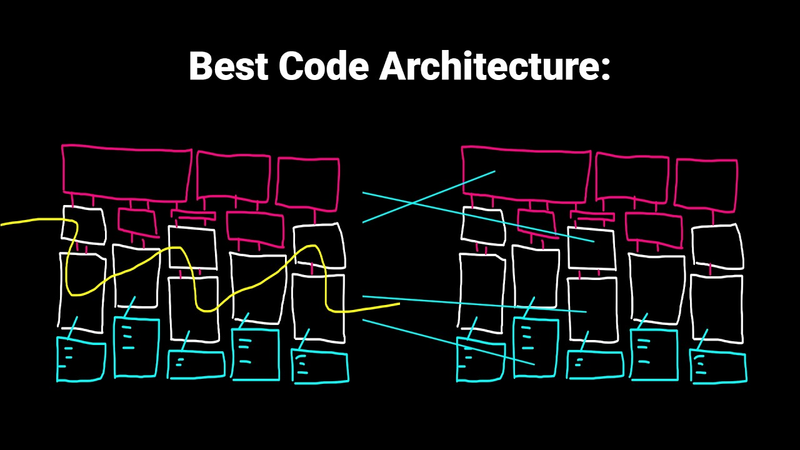
Best Code Architectures For Indie Games
Effective game development architecture relies on balancing the inherent chaos of "spaghetti code" with structured, modular design.
- Design game systems as independent, reusable modules—such as movement or health—to function like 'Lego bricks' that can be deployed across different projects.
- Decouple systems by avoiding direct cross-references, instead utilizing event systems, glue code, or in-engine connections to manage interactions.
- Separate gameplay data from code by storing parameters and translations in centralized databases or scriptable objects to enable rapid adjustments without modifying source files.

Jake Birkett: How To Make Indie Games Full Time, Unity vs Custom Engine, Indie Survival | Ep. #051
Achieving long-term financial sustainability in the independent game industry requires a shift away from chasing viral trends toward building a diverse catalog of smaller, profitable titles.
- Indie developers should prioritize building a sustainable, long-term business model over chasing viral hits, as 95% of games fail to achieve significant commercial success.
- Consistent income can be generated by building a portfolio of games and leveraging a loyal fan base that purchases bundles and subsequent titles in a series.
- Game feel and player feedback—such as sound, visual effects, and intuitive mechanics—are more critical to long-term success than academic gray-box design or complex meta-systems.
The Secret Weapon Of Sound Design For Indie Games
Effective sound design serves as a critical tool for indie game developers to establish atmosphere, build immersion, and guide player perception.
- Use subtle, layered ambient sounds like reverb and pitch shifting to create depth and immersion, rather than relying on constant noise.
- Incorporate intermittent, low-frequency effects spaced minutes apart to build suspense and prevent players from identifying repetitive audio loops.
- Leverage audio to suggest complex environments and world-building, effectively compensating for visual limitations in resource-constrained indie projects.
How To Make Indie Games In 2025 (Thomas Mahler) — Full Time Game Dev Podcast Ep. 040
The modern indie game development landscape demands a shift away from trend-chasing and bureaucratic production models toward a focus on core gameplay mechanics and distinct creative vision.
- Prioritize core gameplay mechanics and responsive, polished controls through extensive prototyping before committing to final art assets.
- Achieve success through relentless iteration and a willingness to fail early rather than relying on innate talent or trend-chasing.
- Challenge established genre conventions by pursuing significant mechanical leaps, such as moving from point-and-click systems to direct, animation-based controls.
Watch THIS If You Want To Make Indie Games (THE RIGHT WAY)
The primary thesis of this discussion is that rigid adherence to industry-standard technical workflows and conventional wisdom is often counterproductive for independent game developers.
- Prioritize the final gestalt of the game over rigid adherence to industry-standard technical workflows or conventional coding and modeling dogmas.
- Adopt an '150% effort' mindset to ensure that even if the project scope is reduced during development, the final output remains substantial and high-quality.
- Leverage the agility of small teams to outperform larger, structured AAA studios by utilizing non-traditional, unconventional development tactics.
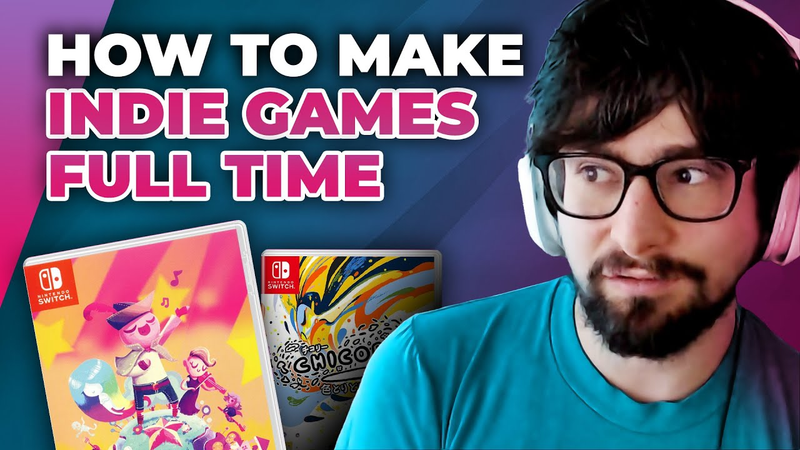
How To Make Indie Games Full Time (Greg Lobanov) — Full Time Game Dev Podcast Ep. 037
Achieving a sustainable, full-time career in independent game development relies on building a consistent portfolio of commercial projects rather than chasing singular viral successes.
- Indie developers do not need viral hits to sustain a full-time career; consistent income can be generated through a portfolio of smaller, non-explosive titles like Coin Crypt, Wandersong, Chicory, and Beastieball.
- When working with limited resources, developers should refine their core game loop and gimmick as a solo developer before hiring a team to scale production.
- Working with publishers can be a strategic choice for experienced developers to offload non-creative tasks, but creators should avoid large, high-stakes deals and prioritize clear, concise milestones to mitigate risk.