Game Studio
Company
44 documents in the library are about Game Studio, from writers such as Thomas Brush, Deconstructor of Fun and GameMakers. Each has a summary and key insights with the page they come from.
Connections
The documents about Game Studio on the inner ring, the other games and companies they name on the outer one. Select a cover to see it up close and open it in a new tab; drag to move, pinch or Ctrl + scroll to zoom.
Key figures from the reports
Falcon Game Studio’s transition to a hybrid model demonstrates the viability of this strategy, achieving 60–70% day-one retention and a 3–5% global payer rate.
InvestGame, 2026 · Vietnam Gaming Outlook 2026: Building Sustainable Growth, p. 80
ABI Game Studio’s 'Wood Nuts & Bolts Puzzle,' released in November 2023, generates an annual revenue run rate exceeding $150 million, with daily ad revenue estimated between $400,000 and $450,000.
Two & a Half Gamers, 2024 · Wood Nuts & Bolts Puzzle: Highly challenging & demanding match puzzle game, p. 1
Documents about Game Studio
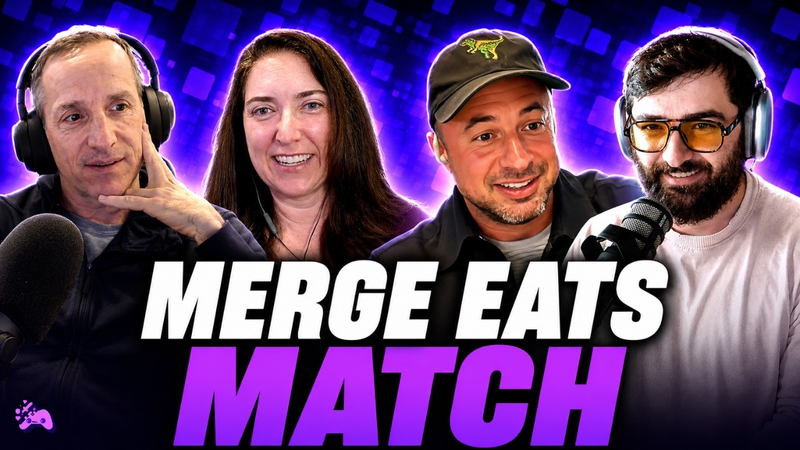
TWIG #395: Xbox Prices Explode, Roblox's Worst Day Ever, and Merge Eats Puzzle
The global gaming industry is currently navigating a period of significant structural volatility, characterized by rising hardware costs, shifting platform economics, and the rapid evolution of mobile subgenres.
- A global memory supply crisis, driven by AI data center demand, has forced Microsoft to increase Xbox console prices by up to 50% in European markets.
- Roblox has withdrawn its full-year financial guidance for the first time, as a strategic pivot toward long-term retention over immediate monetization led to a sharp decline in stock value and average bookings per user.
- The mobile puzzle market is shifting from traditional 'Match 3' games to 'Merge 2' titles, driven by standardized live operations and aggressive user acquisition strategies from Eastern publishers.
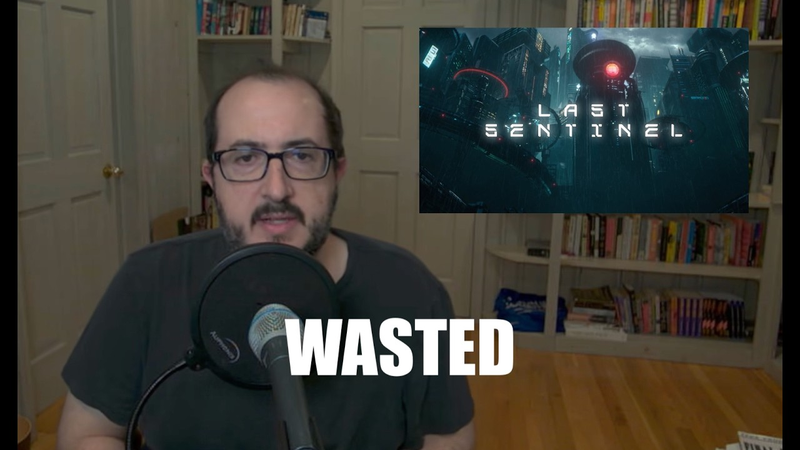
How One Game Studio Wasted Six Years Trying To Beat Grand Theft Auto
The collapse of Lightspeed LA’s ambitious project, Last Sentinel, serves as a cautionary tale regarding the challenges of replicating the success of established industry giants.
- Lightspeed LA, founded in 2020 by former Rockstar San Diego head Steve Martin and backed by Tencent, failed to deliver its open-world cyberpunk game 'Last Sentinel' after six years of development.
- The project was cancelled and 80 staff members were laid off following a failed 2026 playtest that resulted in an unmet ultimatum from Tencent.
- The studio struggled to bridge the production gap between its team of a few hundred employees and the 2,000-person workforce typically required to build high-fidelity, open-world titles like Grand Theft Auto.
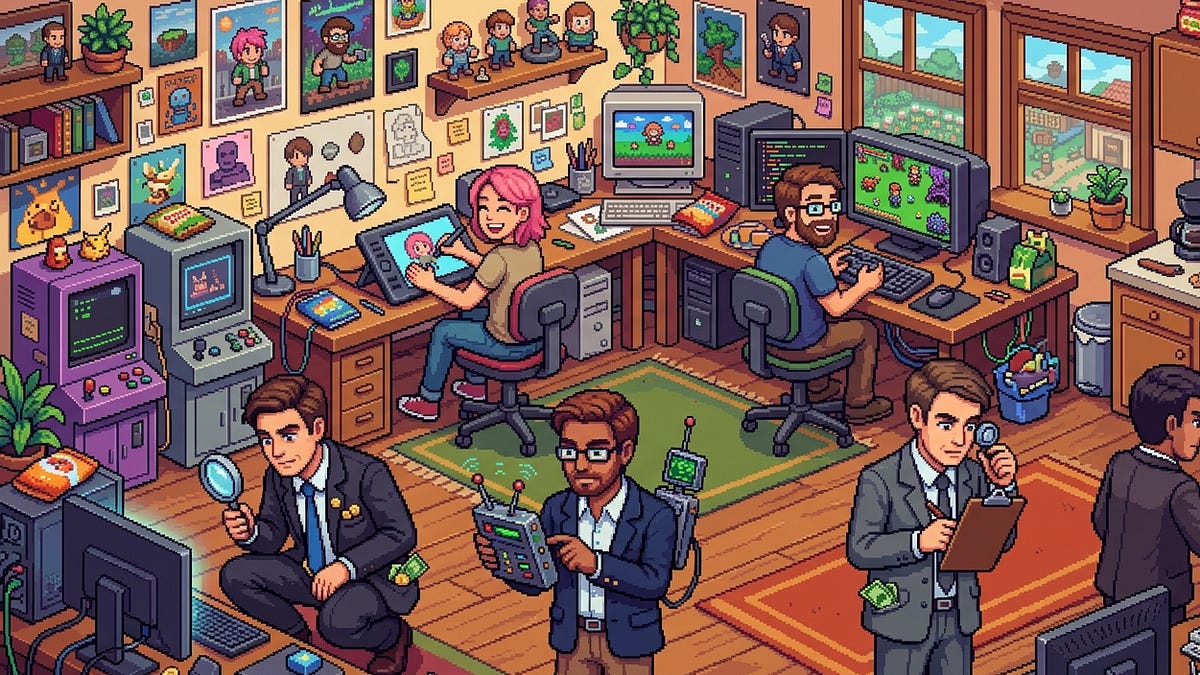
Game Studio Due Diligence: Publisher and Investor Perspectives
Investors and publishers evaluate game studios through a comprehensive framework that balances creative output with organizational stability.
- Game studio due diligence involves evaluating seven key areas: the game, the team, leadership, culture, technology, work systems, and finances.
- Self-assessment is crucial for studio founders because they are uniquely positioned to address issues uncovered and often lack objective perspective due to emotional investment.
- Key cultural metrics include eNPS (above +20 is good, +40 is strong), internal mobility (healthy studios fill 15-20% of roles internally), and crunch (IGDA 2023 survey found a third of developers still crunch, with output per hour falling past 50 hours/week).
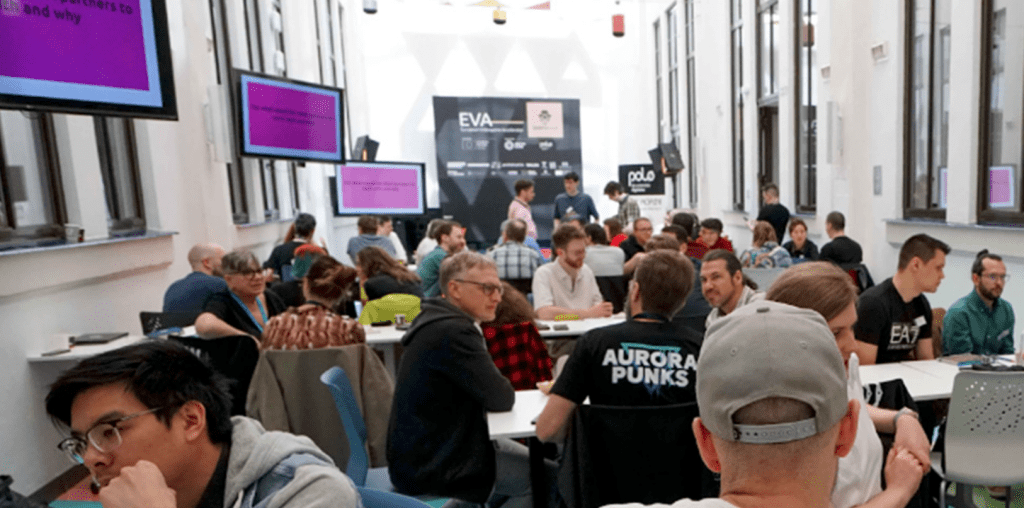
Senegal’s Teranga Game Studio Selected for EVA 2026
Senegal’s Teranga Game Studio has been selected to participate in the European Videogame Acceleration Program 2026 (EVA), becoming the sole African studio invited to this highly competitive initiative.
- Senegal’s Teranga Game Studio has been selected as the sole African representative for the European Videogame Acceleration Program (EVA) 2026.
- The EVA 2026 program, hosted by Spielfabrique, provides independent studios with mentorship, networking, and business development support to facilitate global market entry.
- Teranga Game Studio joins an international cohort of developers from France, Germany, the Czech Republic, and Canada.
To Prove We Haven't Reached AGI, the ARC Prize Foundation Built a Game Studio
The ARC Prize Foundation has established an internal game studio to develop the ARC-AGI-3 benchmark, a collection of 135 unique puzzle games designed to test the limits of current artificial intelligence.
- The ARC Prize Foundation created the ARC-AGI-3 benchmark, a collection of 135 unique puzzle games, to prove that current AI models lack true general intelligence.
- Top-tier AI models have failed to solve a single level of the ARC-AGI-3 set, scoring below 1% compared to consistent high performance by humans.
- The benchmark uses a tiered structure of 25 public, 55 semi-private, and 55 private games to prevent data leakage and memorization.

Tencent Closes TiMi Montreal Game Studio
Tencent has officially shuttered its TiMi Montreal studio, marking the end of a five-year operation that failed to release a single title.
- Tencent has officially closed its TiMi Montreal studio in February 2026, ending a five-year operation that failed to release any commercial titles.
- The studio was established in 2021 with a mandate to develop AAA, open-world, multi-platform games, but no internal projects reached the public during its tenure.
- The closure reflects a broader strategic retreat by major Chinese firms like Tencent and NetEase, which are scaling back international satellite studios that have not produced viable products.
Vietnam Gaming Outlook 2026: Building Sustainable Growth
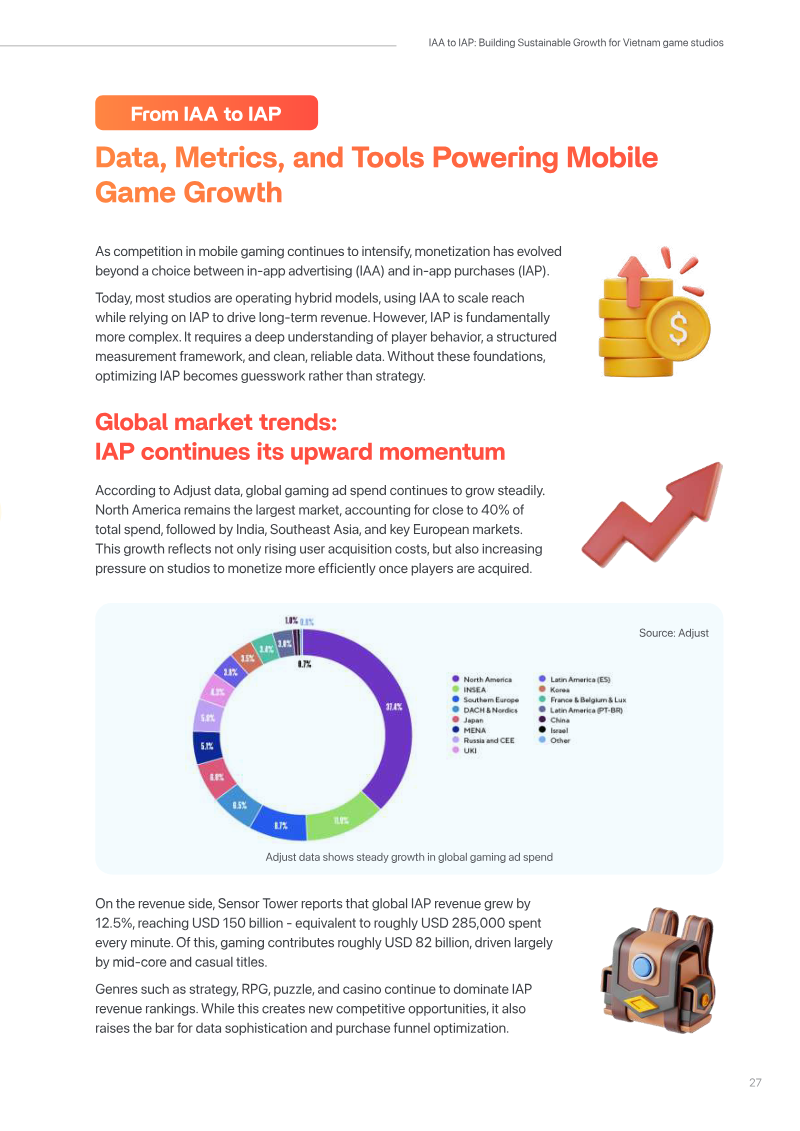
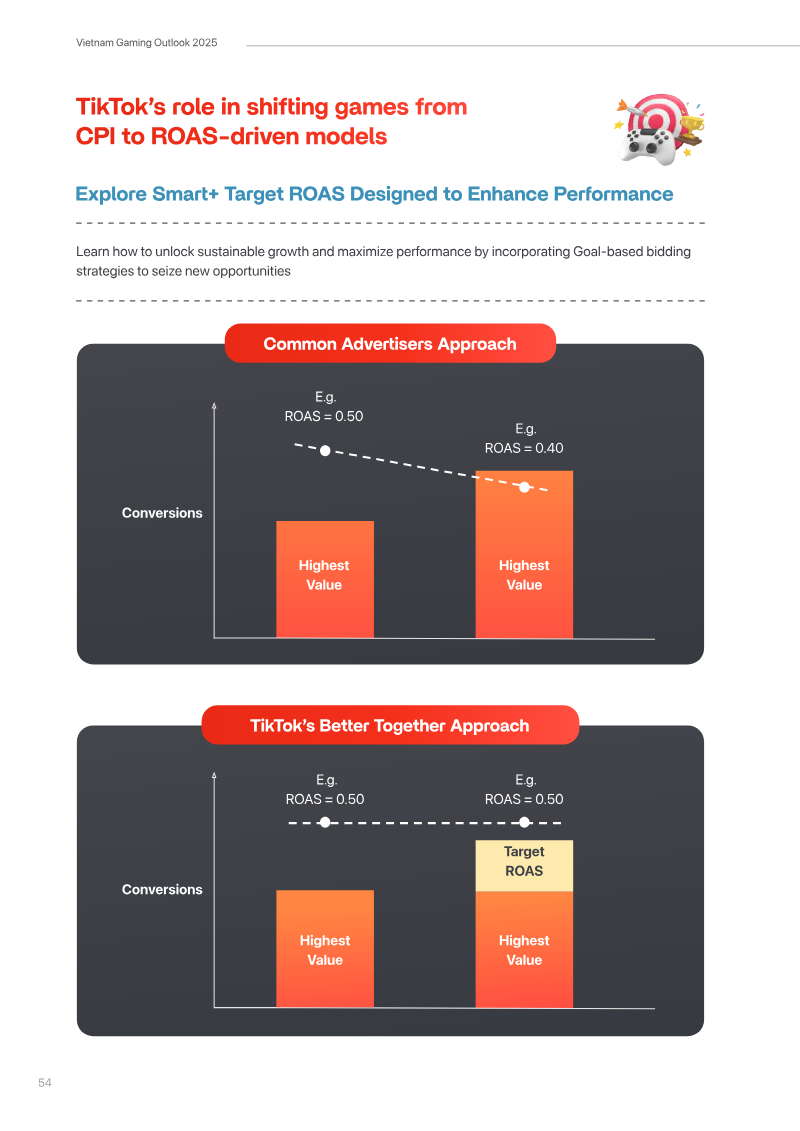
Vietnam’s mobile gaming landscape is rapidly evolving from a download-centric, ad-driven model to a hybrid ecosystem that prioritizes in-app purchases (IAP) and subscription revenue.
- Vietnam’s mobile gaming sector is shifting from an ad-driven model to hybrid-casual titles prioritizing in-app purchases (IAP) and subscriptions, following a 65% surge in local IAP growth in 2025.
- While Vietnam led global Google Play downloads with 6.1 billion installs in 2024, the market generated only $430 million, highlighting the profitability ceiling of pure advertising models.
- Localized pricing strategies, including purchasing power parity tiers and one-tap tokenized payments, can increase conversion rates by over 20% and reduce checkout abandonment by up to 30%.
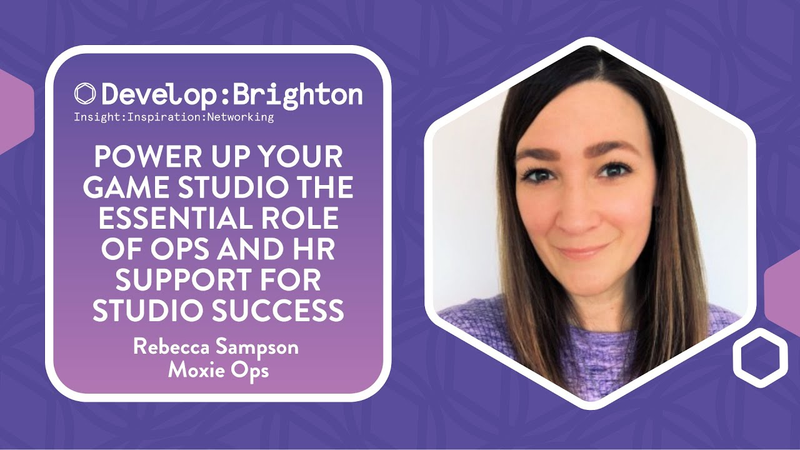
Power Up Your Game Studio: The Essential Role of Ops and HR Support for Studio Success
Game studio founders frequently encounter severe burnout by attempting to balance creative direction with the complex demands of administrative, financial, and human resources management.
- Integrating Operations and HR support early in a studio's lifecycle reduces leadership stress by 33% and increases confidence in business potential by 30%.
- Founders often experience burnout by attempting to manage all administrative tasks; delegating these responsibilities to specialists allows leadership to focus on core game development.
- Essential operational pillars include managing legal compliance, NDAs, contracts, cash flow, budget procurement, and health and safety policies.

How to Grow a Game Studio Through Challenging Times | Develop:Brighton 2024
Sustaining a game studio through long-term industry volatility requires a disciplined balance between creative ambition and pragmatic business operations.
- Studio growth requires a balance of three core pillars: a clear plan, a consistent pot of cash, and the right people to execute the vision.
- Glowmade scaled from three founders in 2015 to a team of over 60 developers by 2024, navigating significant financial volatility and project pivots along the way.
- Maintaining a studio culture based on core values—specifically 'nurture,' 'fulfill,' and 'be brave'—was critical to retaining staff during the 2020 pandemic-era furloughs.

Why Your Game Studio's Organizational Structure Is the Real Problem: Not Your Talent
Organizational structure, rather than a lack of individual talent, is the primary driver of inefficiency and failure in modern game studios.
- Traditional game studio structures, organized by craft silos (e.g., separate design, engineering, art departments), create significant friction, leading to endless iteration, communication breakdowns, and features that miss their mark.
- The core problem in many game studios is organizational structure, not a lack of talent; optimizing for craft silos instead of outcomes leads to inefficiencies where handoffs lose fidelity and original intent.
- An 'outcome team' framework, consisting of small (5-9 people), cross-functional units with clear missions, success metrics, and authority, significantly outperforms traditional specialized departments, reducing iteration timelines from 6-12 months to 2-4 months.
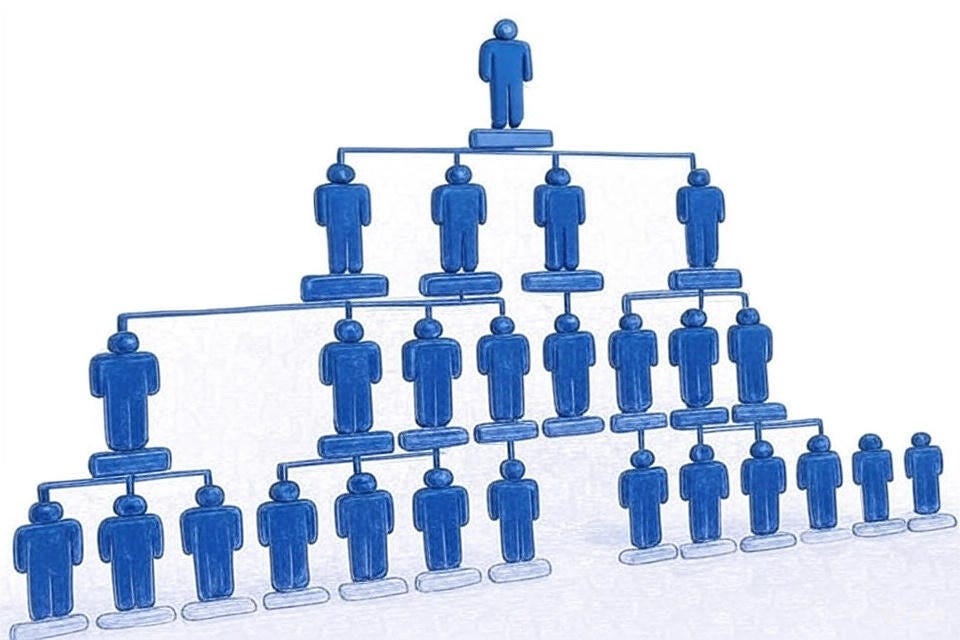
The AI-Native Game Studio: A New Blueprint for Team Structure
The rapid advancement of artificial intelligence necessitates a fundamental restructuring of game studios, moving away from traditional, siloed organizational models toward an "Organizational Meta."
- The 'Organizational Meta' is a framework for continuously reconfiguring roles, teams, and workflows to align with the evolving capabilities and constraints of AI.
- The atomic unit of an AI-native organization shifts from a specialized individual role, such as a frontend engineer, to a human-AI hybrid capability that combines creative judgment with AI-driven execution.
- AI-native teams should be smaller, faster, and cross-functional, potentially allowing a 5-person team to outperform a traditional 20-person team by reducing coordination overhead.
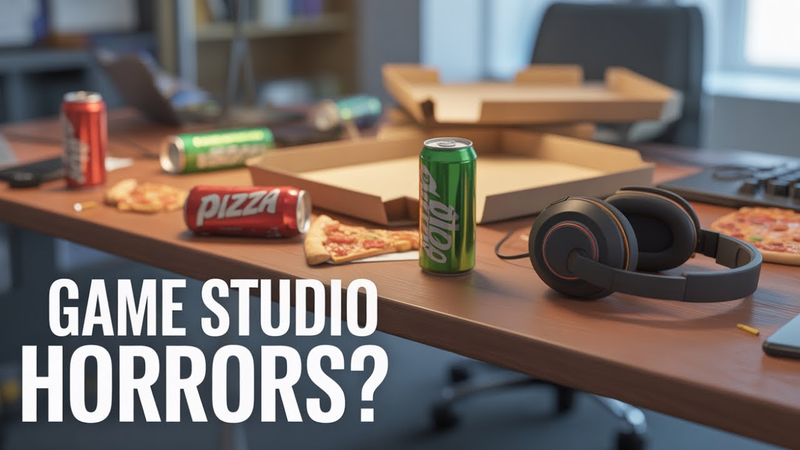
What Does a “Good Game Studio Culture” Actually Look Like in 2025?
The modern game studio landscape is characterized by a fundamental misunderstanding of organizational dynamics, where the focus on abstract concepts of culture often masks a failure to implement effective institutional policy.
- Organizational health in 2025 is driven by structural design, reporting hierarchies, and incentive systems rather than abstract cultural values or team-building exercises.
- Effective studio leadership relies on clear, codified policies regarding performance, hiring, and firing to dictate behavior, as culture is an emergent outcome of these institutional rules.
- Investor confidence is currently prioritized toward leadership teams with proven track records rather than novel technologies, reflecting a broader skepticism toward high-risk ventures like AAA Web3-integrated shooters.