ArticleGame Studio Unlocked
Game Studio Due Diligence: Publisher and Investor Perspectives
7 Jul 20261 pages~31 min full read
Investors and publishers evaluate game studios through a comprehensive framework that balances creative output with organizational stability. The primary objective of this due diligence process is to mitigate financial risk by assessing seven core pillars: the game product, team composition, leadership effectiveness, organizational culture, technical infrastructure, production methodologies, and financial health. While the quality of the game build remains the central driver of initial interest, long-term viability is increasingly determined by the maturity of internal systems and the sustainability of revenue streams.
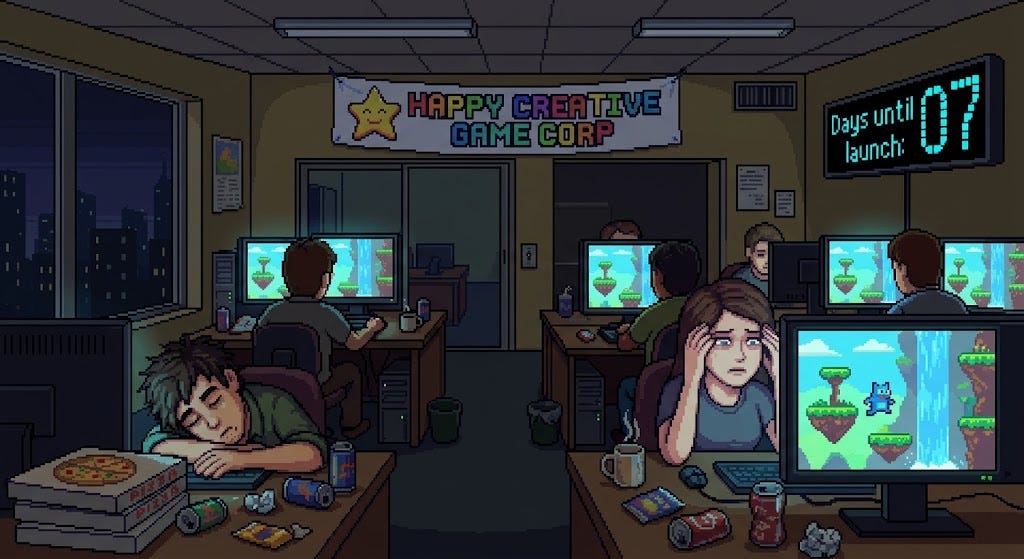
Operational health is a critical determinant of a studio’s valuation and attractiveness to external partners. High revenue concentration in a single title or client significantly diminishes acquisition value, necessitating a strategic focus on business diversification. Furthermore, the analysis reveals that sustainable productivity is inextricably linked to workplace culture. Studios that prioritize psychological safety, decision clarity, and dependability outperform those reliant on high-attrition "crunch" models, which ultimately degrade technical output and iteration speed.
To maximize bargaining power during negotiations, studio leaders must engage in proactive self-assessments that address root causes of operational friction rather than merely treating symptoms. By fostering technical maturity and maintaining a transparent, healthy organizational culture, studios can better position themselves for successful investment or acquisition. This analytical approach shifts the focus from short-term project success to the creation of a resilient, scalable business entity capable of navigating the complexities of the global gaming market.
Game Studio Unlocked · 2026

Game Studio Unlocked · 2026
Game Studio Unlocked · 2026
Game Studio Unlocked · 2026
Game Studio Unlocked · 2026
Game Studio Unlocked · 2026
Game Studio Unlocked · 2026
Game Studio Unlocked · 2026
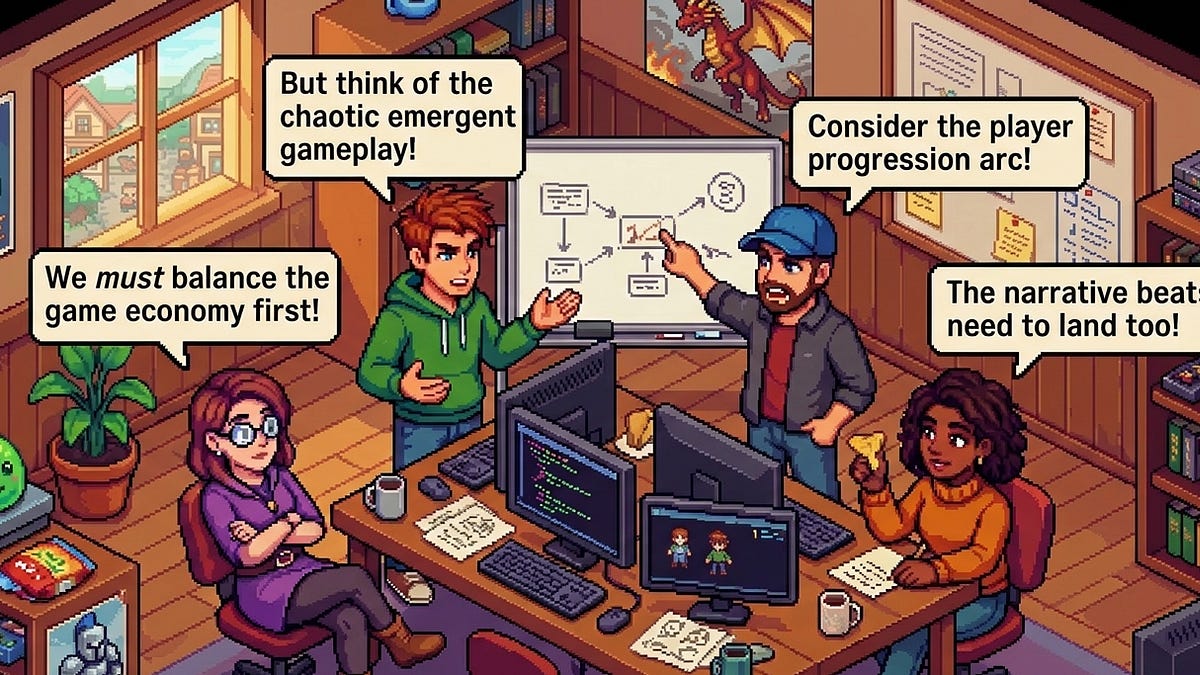
Game Studio Unlocked · 2026
Game Studio Unlocked · 2026
Game Studio Unlocked · 2026
Game Studio Unlocked · 2026
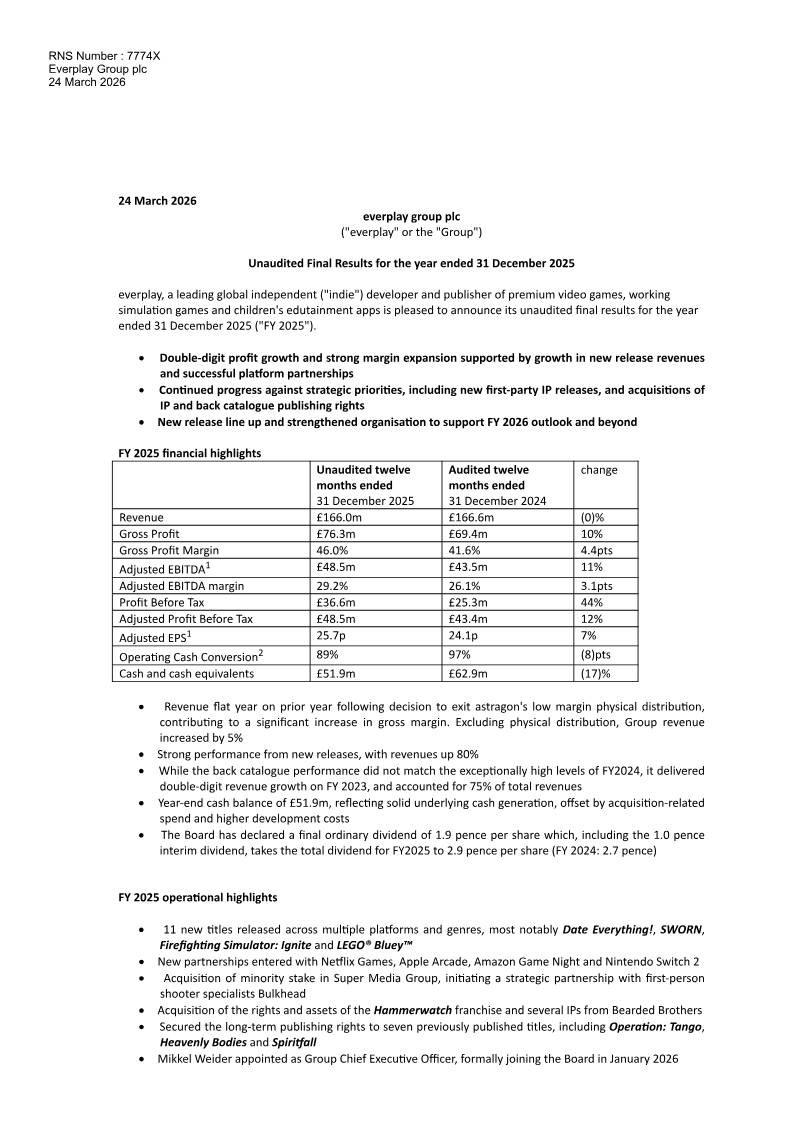
Everplay Group · 2026

tinyBuild · 2025
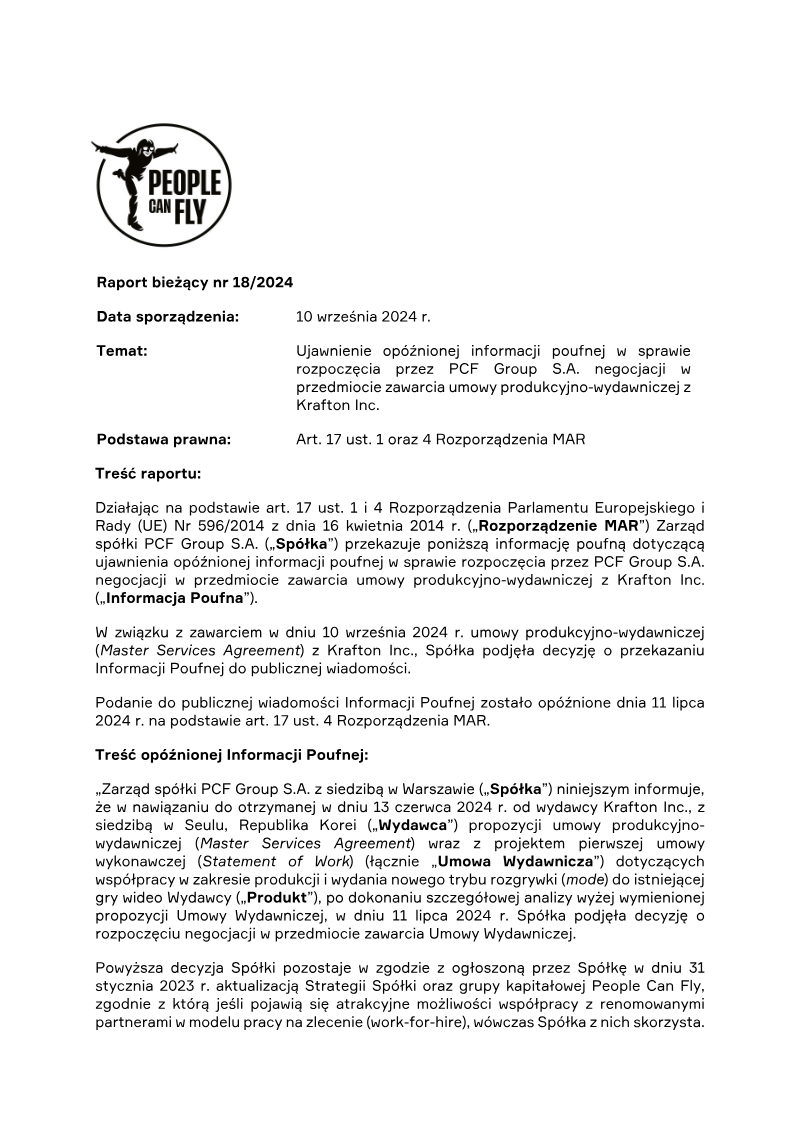
PCF Group · 2024

Thunderful Group

Pullup Entertainment
Pullup Entertainment
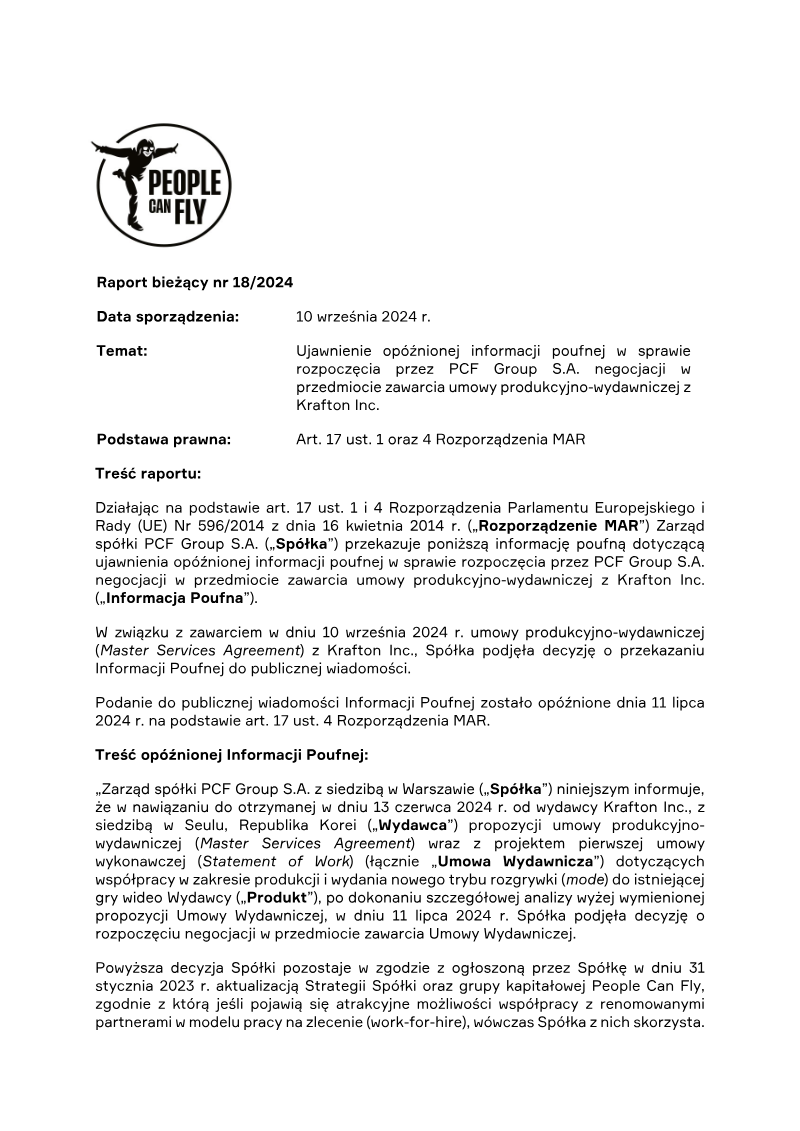
PCF Group

Square Enix

InvestGame
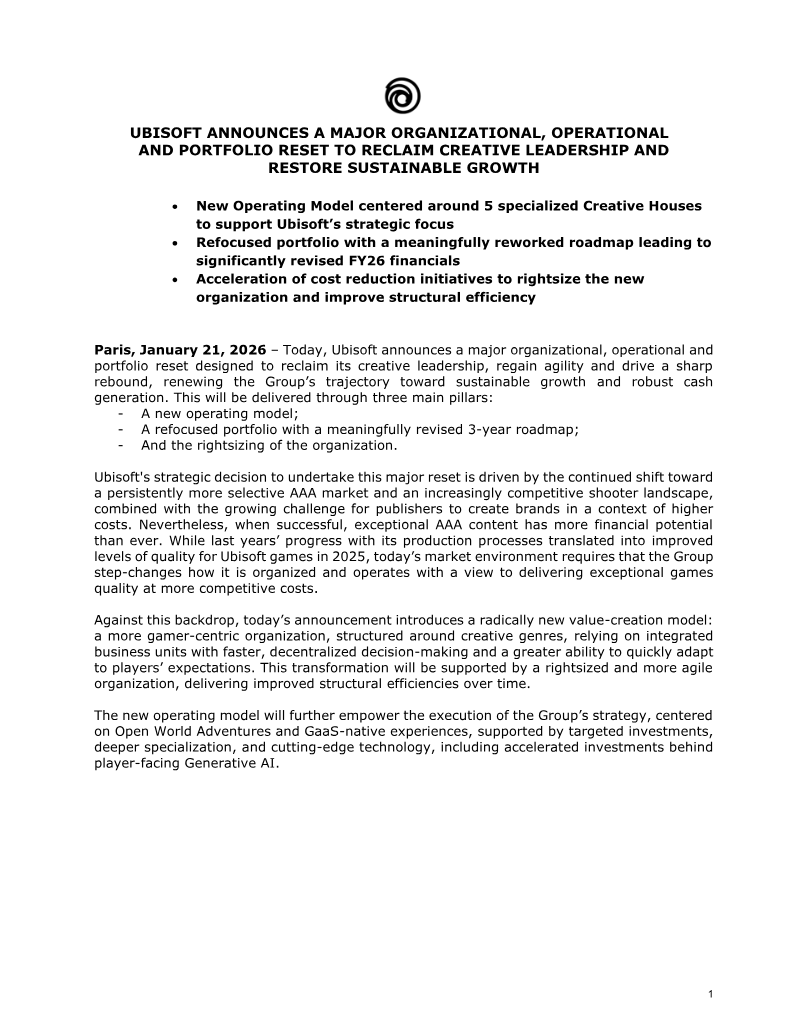
Ubisoft

tinyBuild
Bandai Namco