Digital Games
Company
Documents about Digital Games
Sound Similarity as a Tool for Understanding Player Experience: Applying Similarity Matrix to Gameplay Performance Segmentation
This paper by Raphaël Marczak, Gareth Schott, and Pierre Hanna, published in Transactions of the Digital Games Research Association in 2016, proposes similarity matrices built from game audio as a way to segment and visualize gameplay performances.
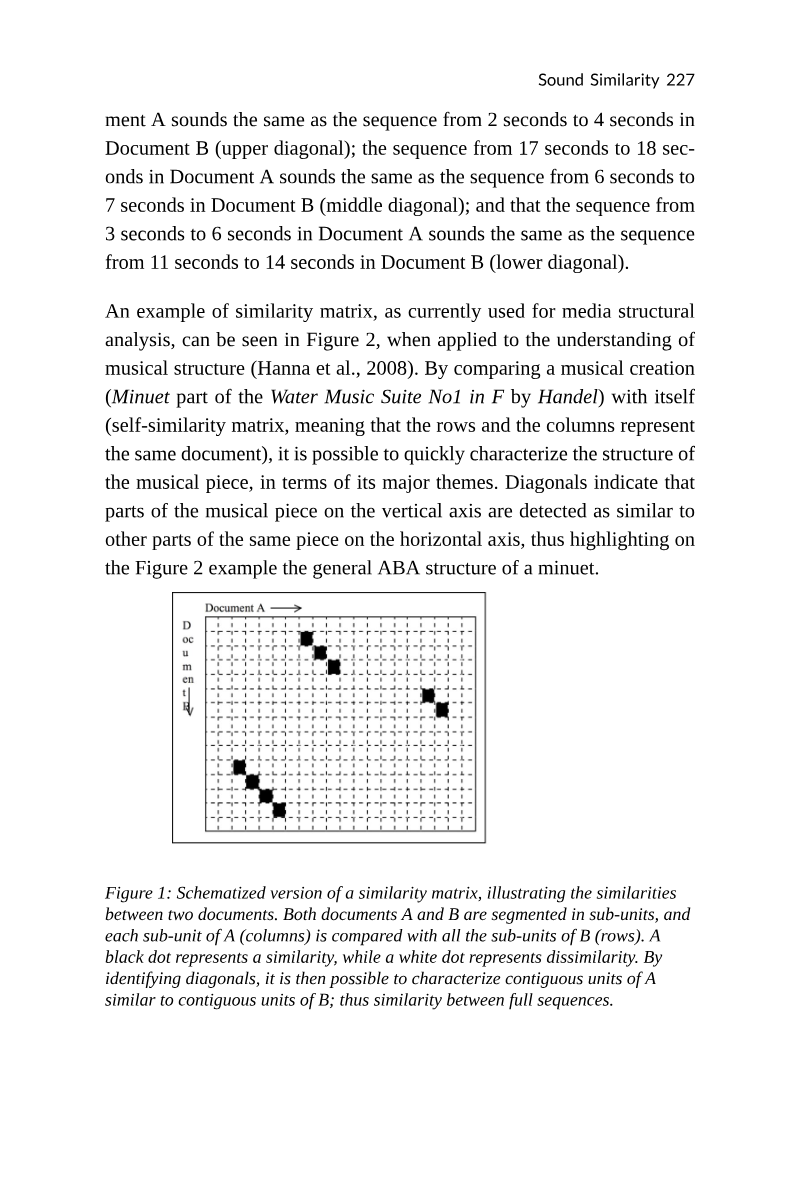
- Diagonals in an audio-based similarity matrix mark sequences of consecutive moments that sound the same, which the authors use to identify repeated game segments.
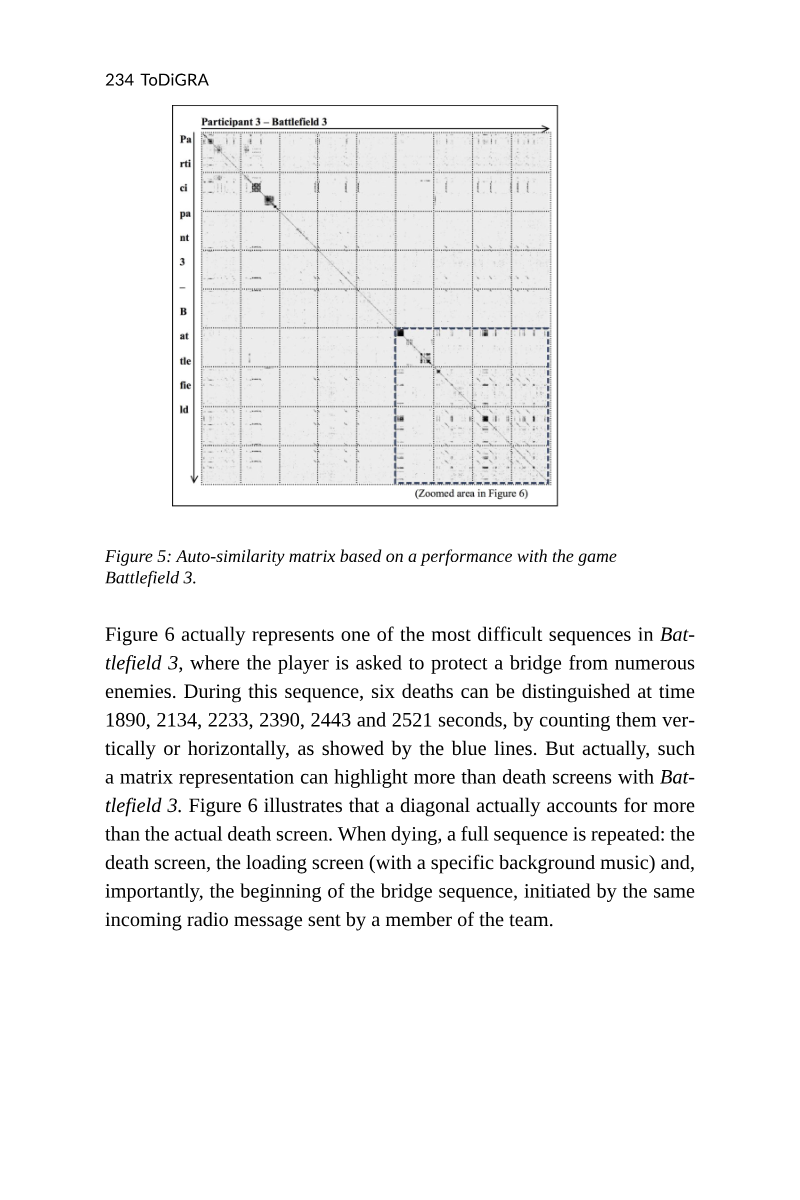
- In a Battlefield 3 auto-similarity matrix, a death triggers a repeated sequence of death screen, loading screen, and restart, so diagonals reveal death events and the entry point to a difficult section.
- In the Max Payne 3 comparison, the two participants reached the chapter 1 to chapter 2 cut-scene after twenty and twenty-two minutes respectively.
Postdigital Interfaces and the Aesthetics of Recruitment
The paper by Darshana Jayemanne, Thomas Apperley, and Bjorn Nansen, published in the Transactions of the Digital Games Research Association (2016), analyses how play is reconfigured in emergent digital materialities of game design.
- The authors argue that the hybrid dimensions model of synchronicity and dependency struggles with postdigital situations because the distinction between digital and material is not easily fixed in advance.
- The paper proposes an 'aesthetic of recruitment' as a way to describe how interfaces enrol diverse spatial domains, social practices and material lives.
- The authors describe Osmo and MaKey MaKey as two different 'grammars' of postdigital recruitment, one drawing players inwards and the other pushing game worlds outwards.
Are You Out of Your Mind? Focalization in Digital Games
The paper identifies internal focalization in three channels: audiovisual presentation, the provision and restriction of private knowledge, and ludic affordances.
- Genette's framework classifies narratives as internally focalized, externally focalized, or zero focalized, and the author uses it to examine how games express a character's subjective experience.
- In The Sims 3, information visible only for Sims under the player's control roots the focalization as internal to those Sims.
- In Mirror's Edge, the Runner Vision style renders most objects as blank white shapes, with colour assigned according to relevance to the character's movement.
Illusion Master: Extending Self-Presence and Challenging Immersion in and through Digital Games
Josef Florian Micallef, of the University of Malta, presents a peer-reviewed paper in Issue 05 (2016) of a game studies journal.
- The author proposes objective self-presence, a state in which players become reflectively conscious of their involvement with the game technology while remaining absorbed in the virtual experience.
- The author argues that the traditional view of presence and immersion is limiting, since self-presence need not mean a player feels their virtual self is their actual self.
- Illusion Master was designed to be as immersive as possible before deliberately breaking that immersion, with the author arguing players can more easily become objectively self-present when pulled away from immersion first.
Development and Validation of a Questionnaire to Measure Perceptions of Freedom of Choice in Digital Games
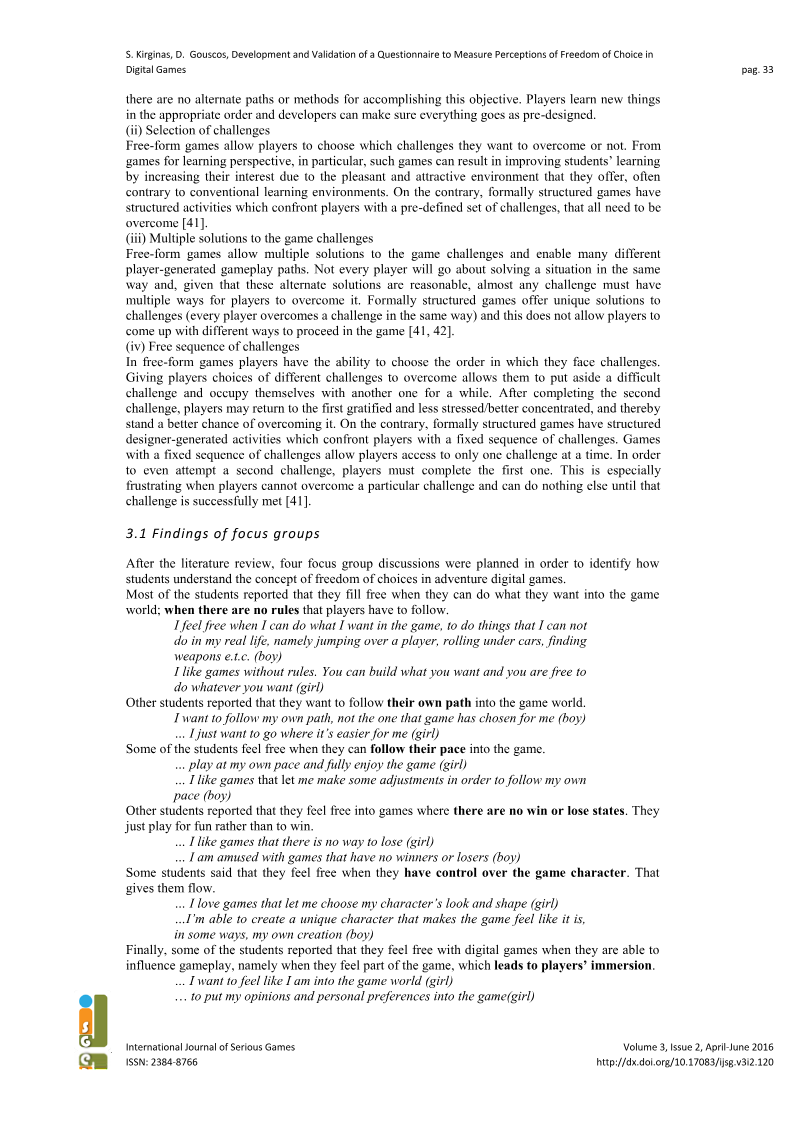
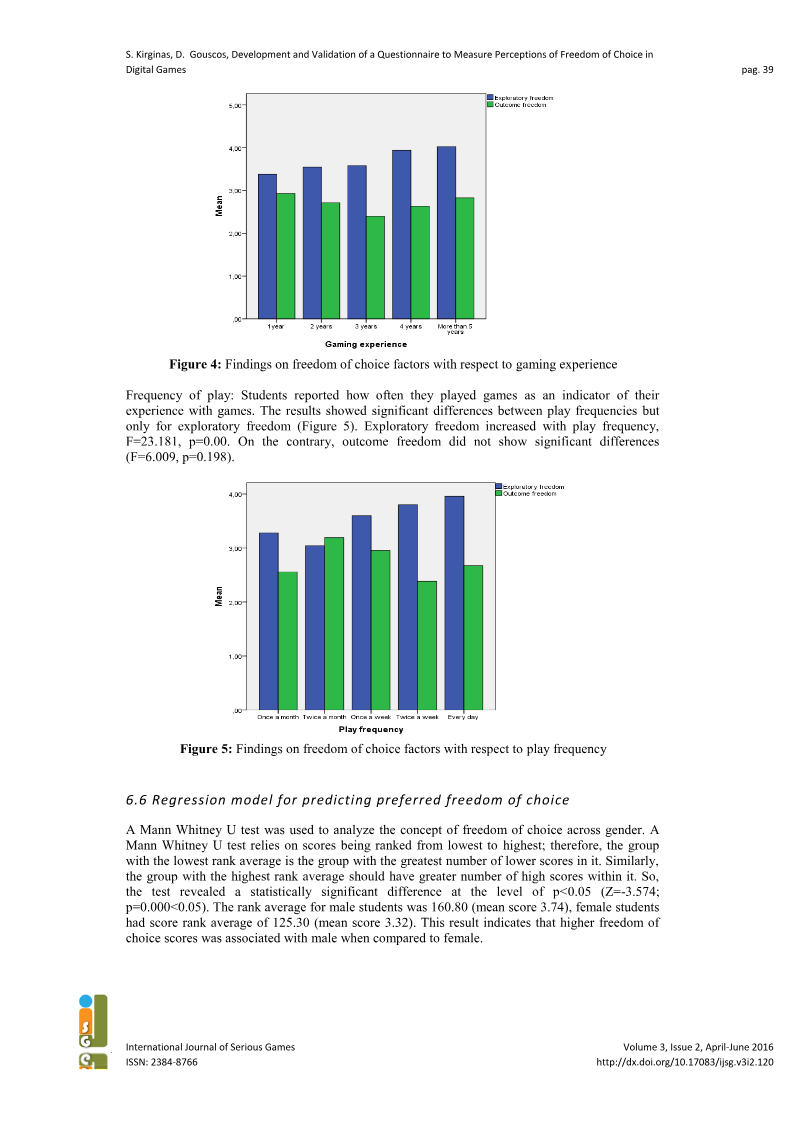
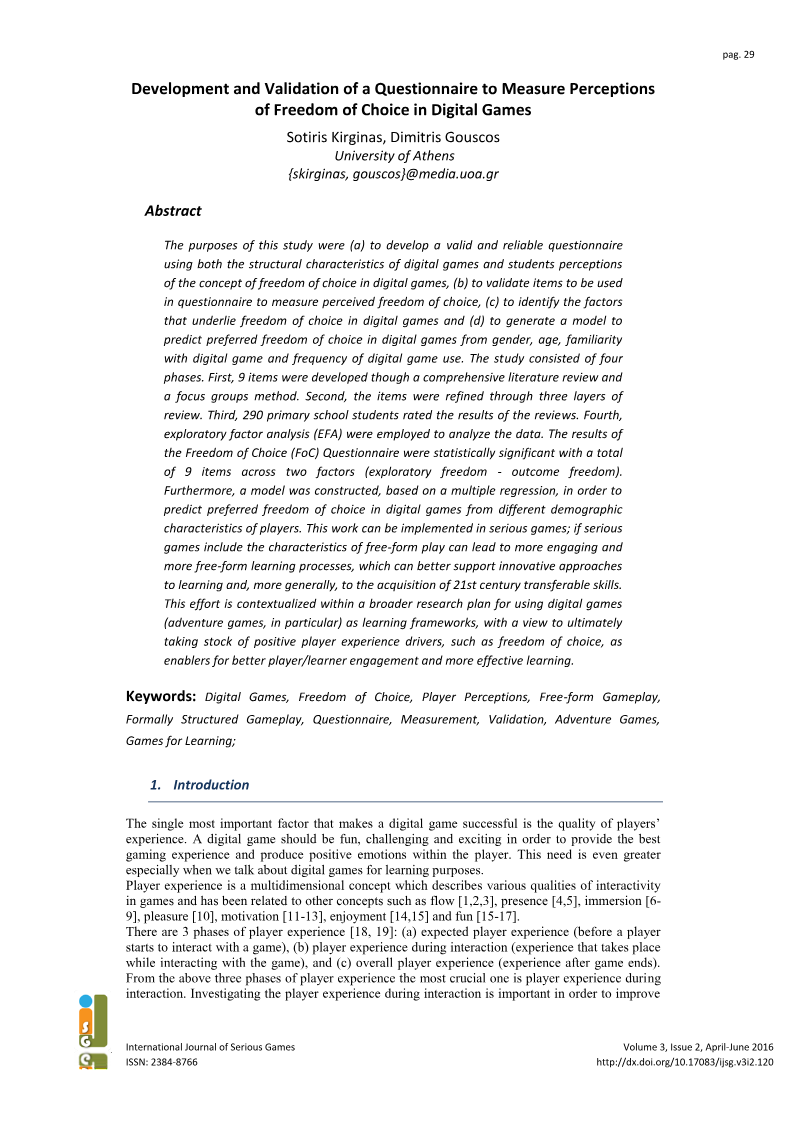
This study by Sotiris Kirginas and Dimitris Gouscos of the University of Athens develops and validates a questionnaire measuring perceived freedom of choice in digital games, aimed at serious games and learning.
- Freedom of choice was measured with nine items, which loaded onto two factors: exploratory freedom and outcome freedom.
- The item with the highest mean rating was 'make you feel part of the game' (3.96), while the lowest was 'no winners or losers' (2.71).
- Freedom of choice was higher for male students (mean 3.74) than for female students (mean 3.32), a statistically significant difference.
Using Digital Games to Learn Mathematics: What Students Think?
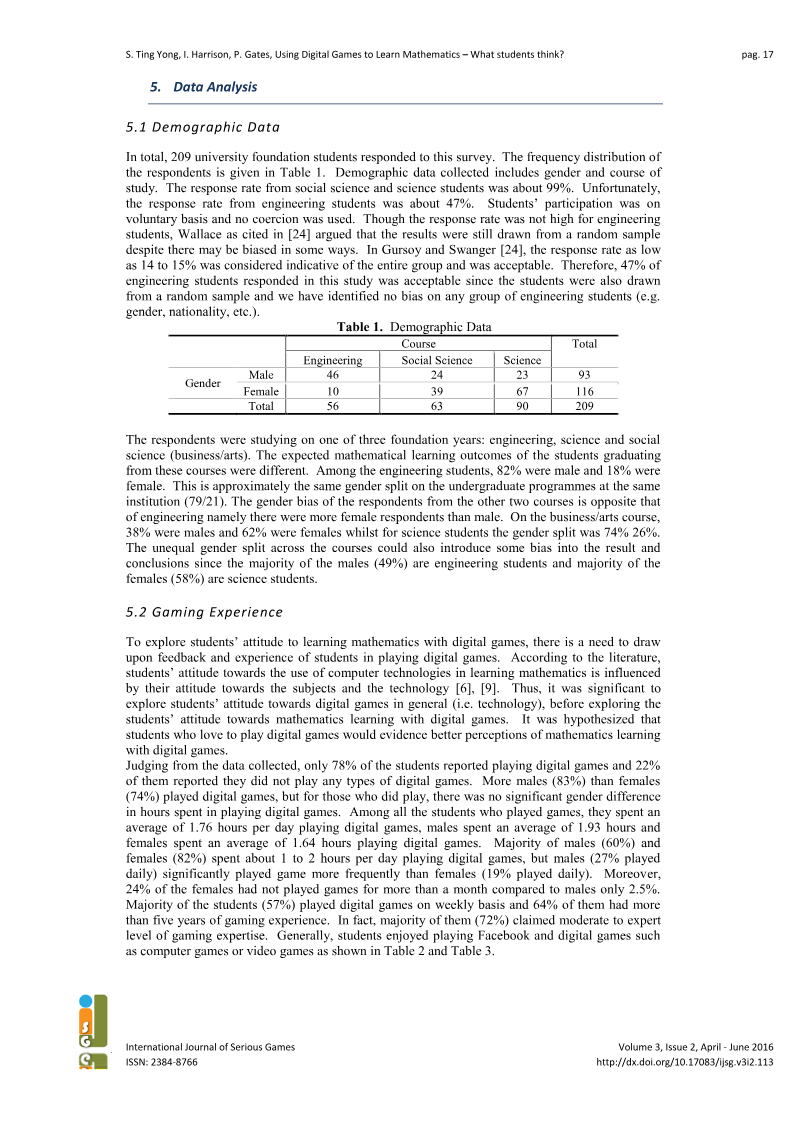
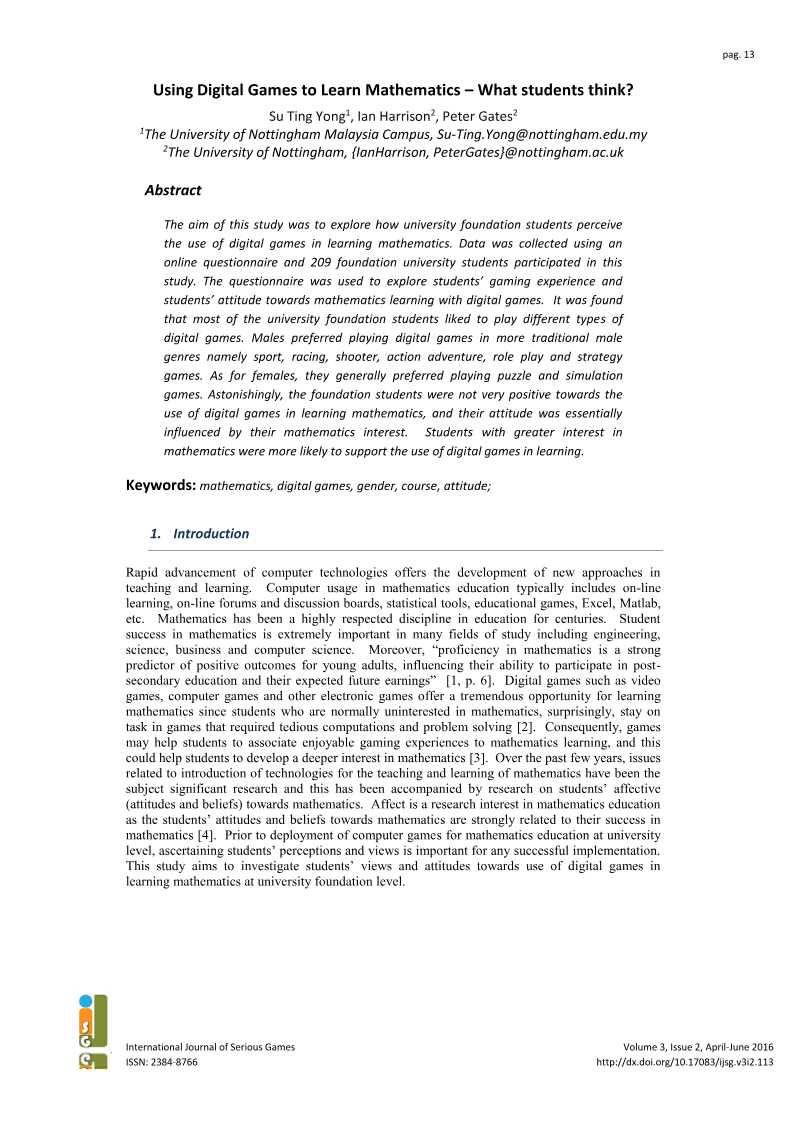
This study, published in the International Journal of Serious Games (Volume 3, Issue 2, 2016), explores how university foundation students perceive using digital games to learn mathematics.
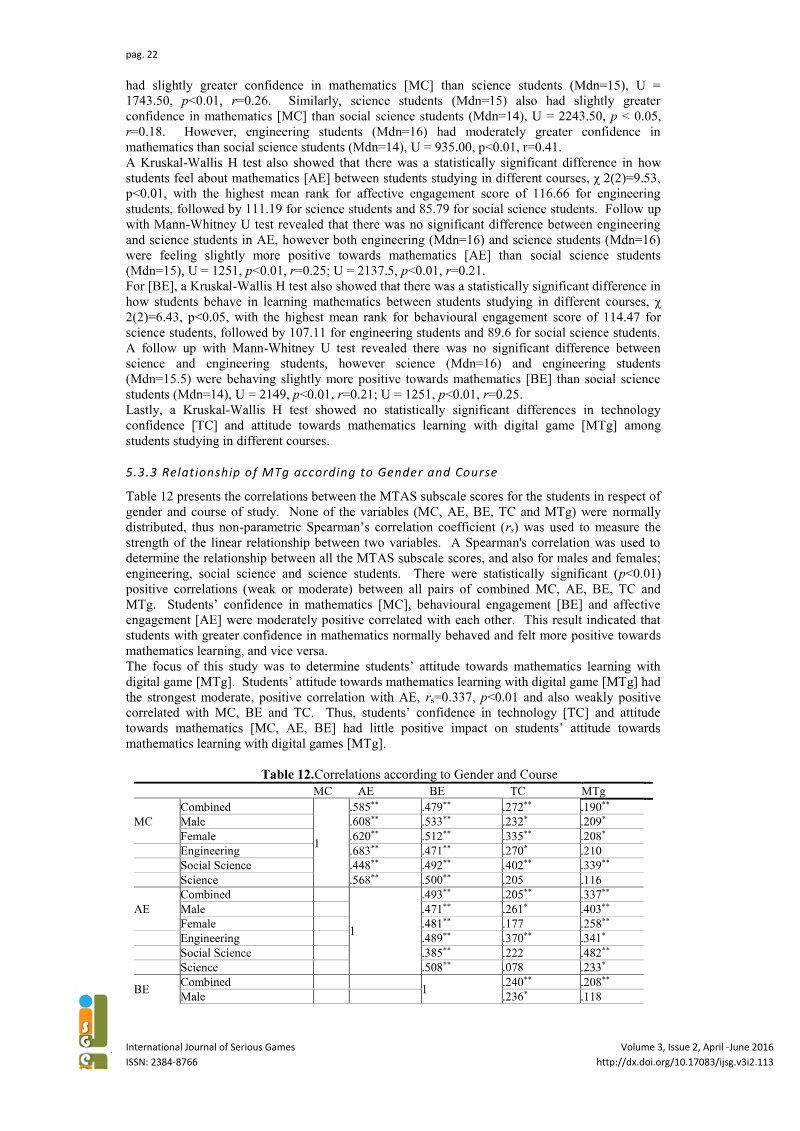
- Most foundation students reported playing digital games, but their attitude toward using games to learn mathematics was only slightly positive, with a mean MTg score of 13.0.
- Students' attitude toward learning mathematics with digital games correlated most strongly with how they felt about mathematics, which the authors describe as the greatest impact among the factors studied.
- Males and females differed in preferred game genres: males favoured sport, racing, shooter and strategy games, while females favoured puzzle and simulation games.
Reconciling Csikszentmihalyi’s Broader Flow Theory: Meaning and Value in Digital Games
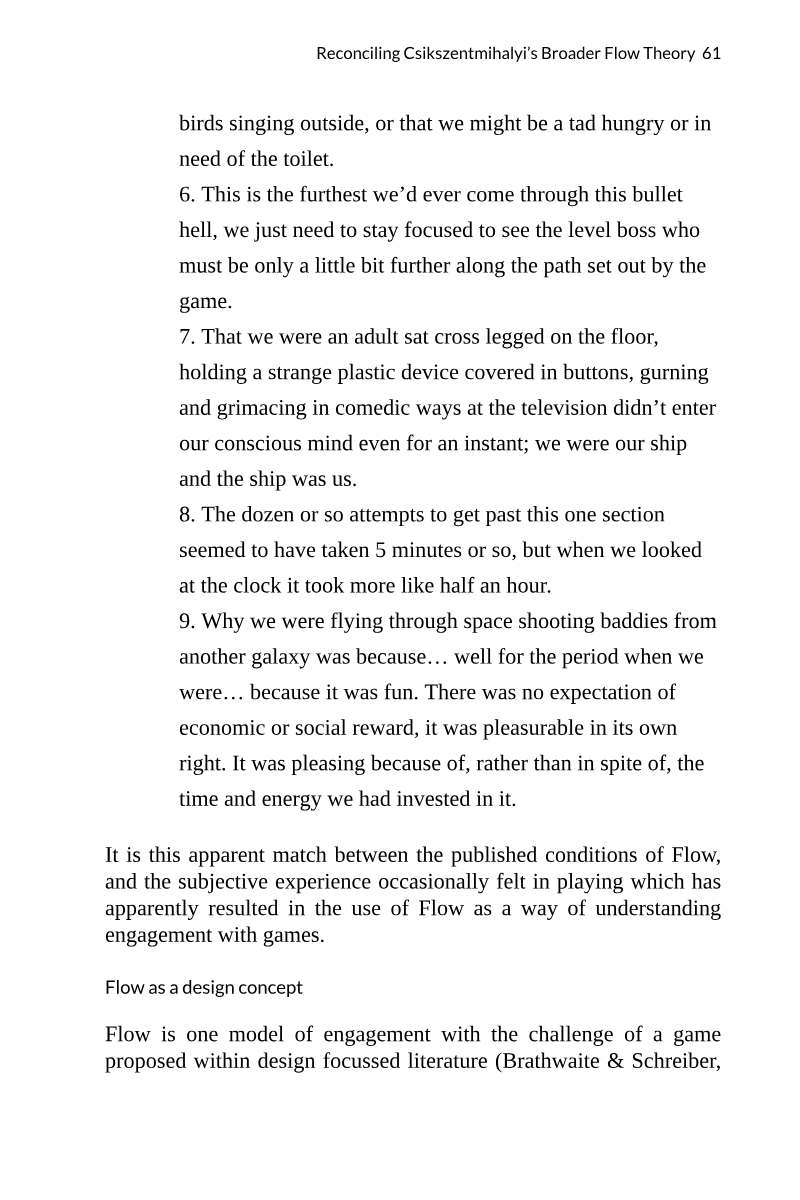
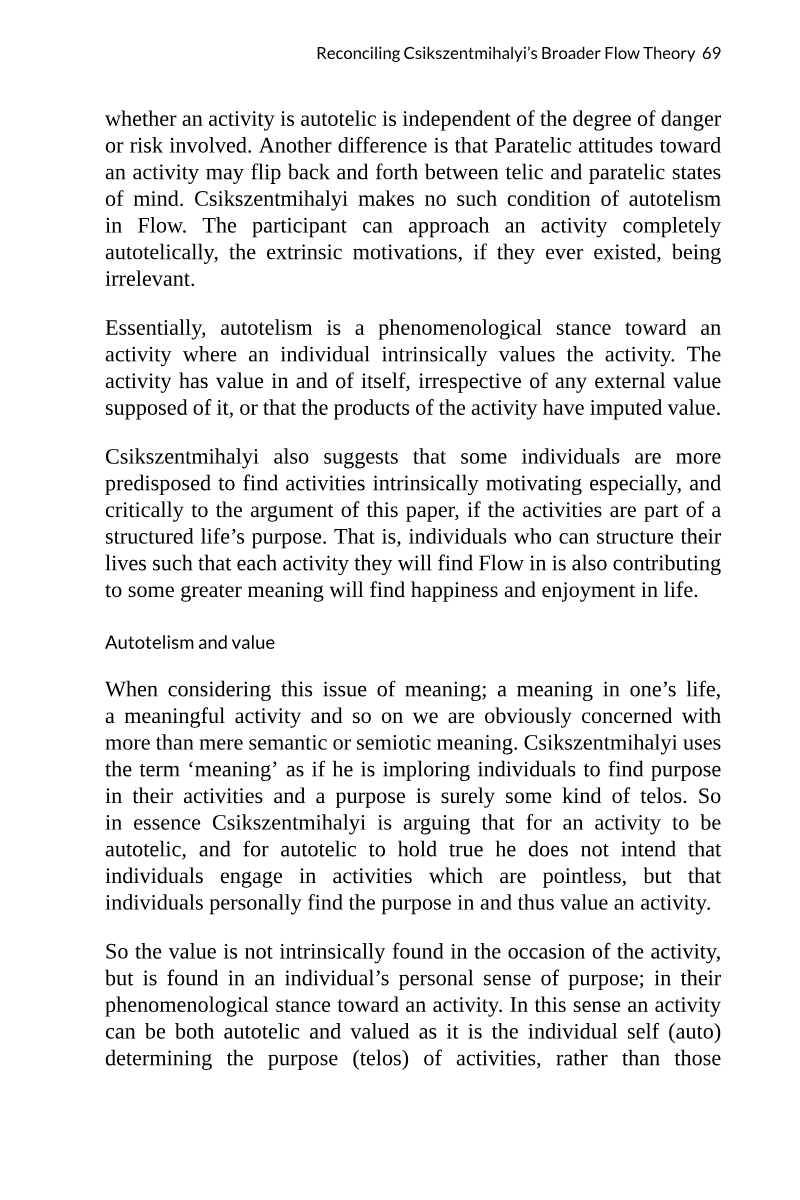
The authors, John Hamon Salisbury and Penda Tomlinson, propose an additional condition to Csikszentmihalyi's characteristics of 'Flow', addressing the idea that meaningful experiences rely on value drawn from personal cultural context rather than invariant cultural values.
- Csikszentmihalyi characterises engagement as either passive and entropy-inducing, and therefore not Flow, or meaningful growth-promoting Flow, a separation the authors argue needs more thorough examination when applied to digital games.
- The authors argue that the good/bad engagement separation applied to digital games is based entirely on implied cultural values of the authors, such as Kubey and Csikszentmihalyi.
- The authors cite Salisbury's 2013 interview study, in which a significant subset of players lamented time spent playing games despite having experienced Flow-like engagement.
We Are All Fishes Now: DiGRA, Feminism, and GamerGate
The 2014 Digital Games Research Association (DiGRA) conference Fishbowl event, titled "The Playful is Political," serves as a focal point for analyzing the intersection of feminist game scholarship and the GamerGate movement.
- The 2014 DiGRA conference 'The Playful is Political' Fishbowl event became a catalyst for the GamerGate movement, which targeted feminist scholars through organized harassment campaigns like 'Operation Digging DiGRA.'
- GamerGate participants weaponized the event's collaborative notes to construct conspiracy theories, alleging that DiGRA functioned as a hub for feminist behavioral control.
- The harassment campaigns targeted specific researchers based on their academic focus on gender, race, and sexuality within the gaming industry.
On Chairing a Games Research Conference
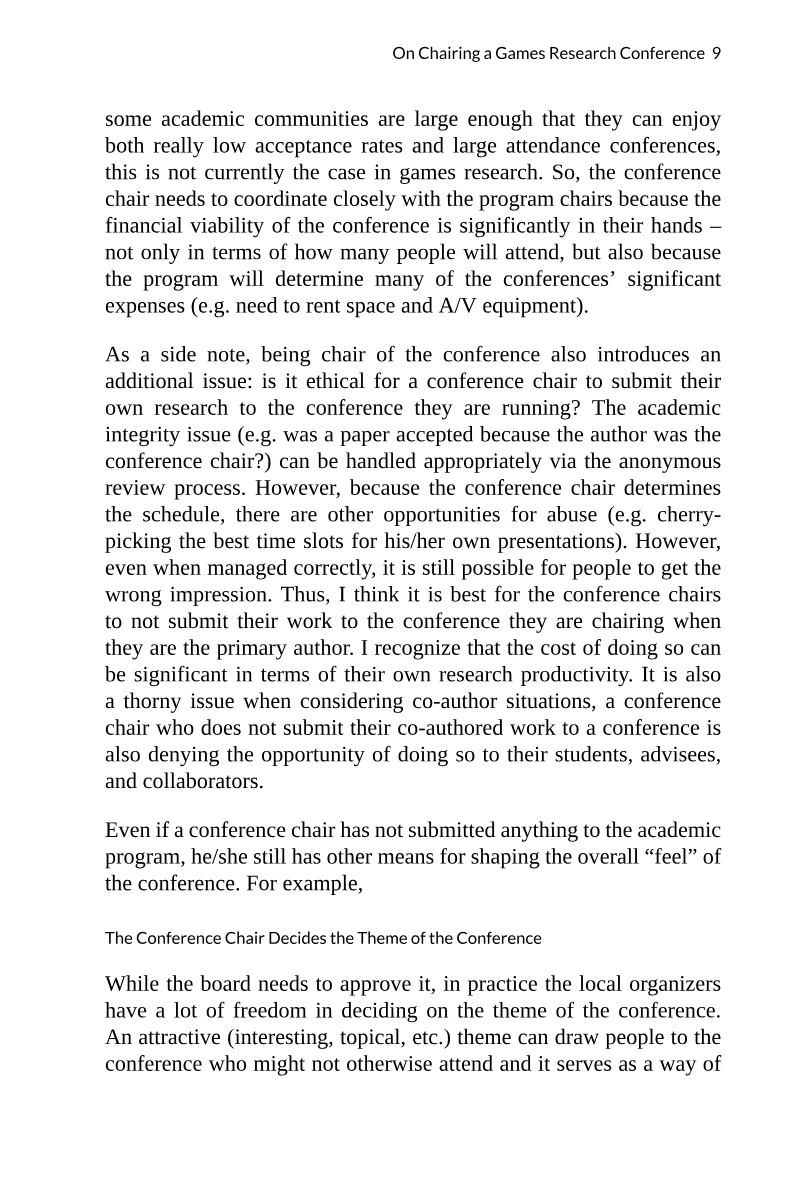
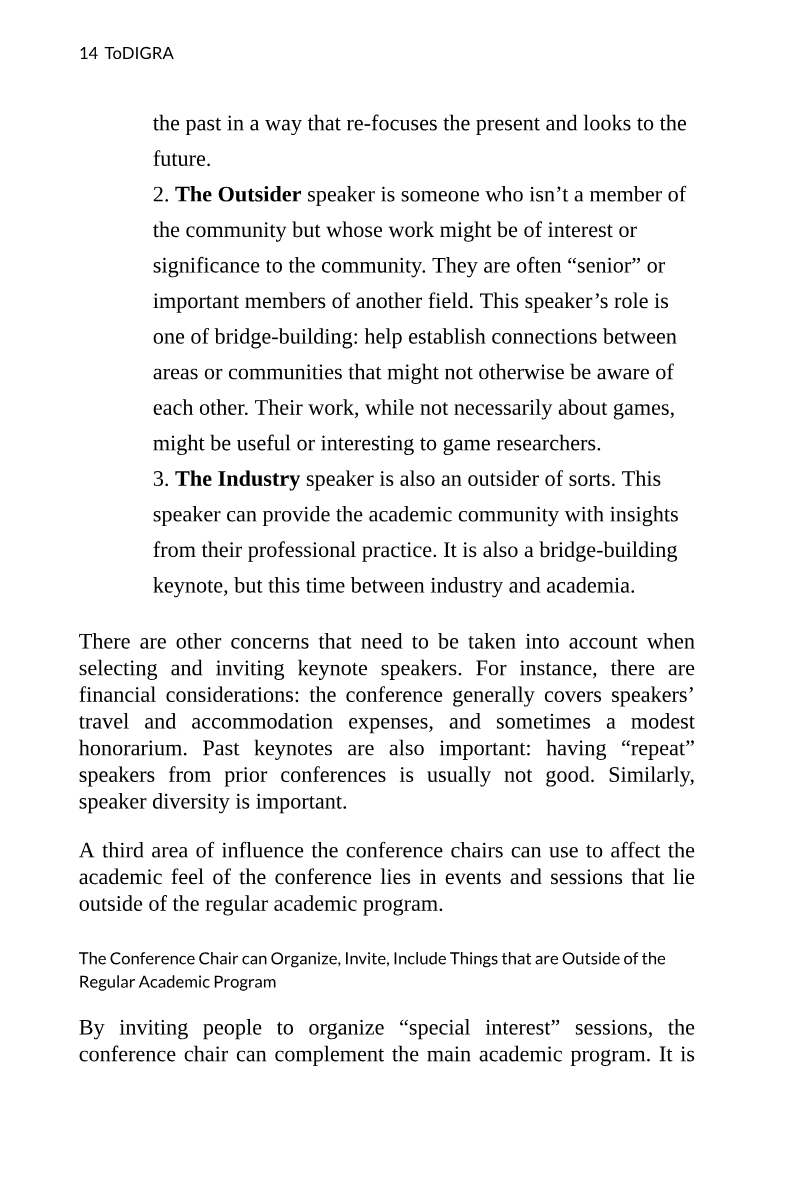
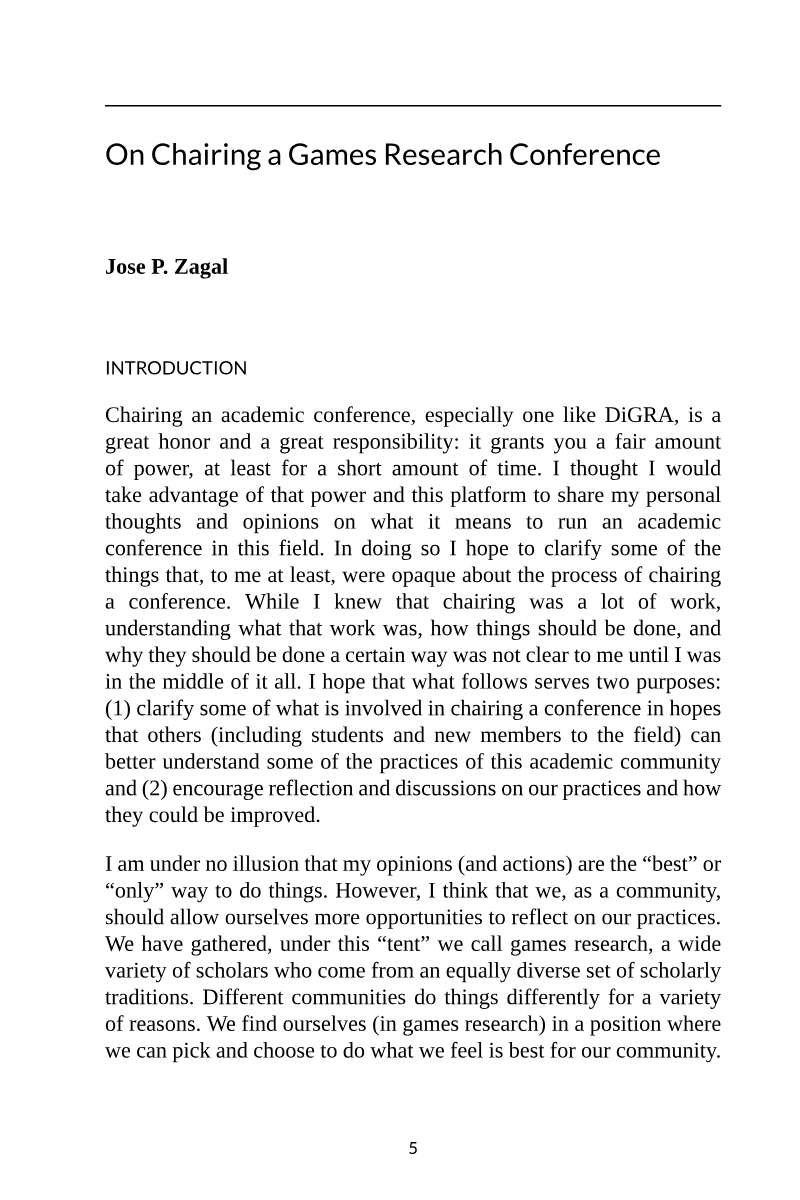
This analysis explores the multifaceted responsibilities and strategic considerations involved in chairing an academic games research conference, specifically drawing on experiences from the Digital Games Research Association (DiGRA) and the Foundations of Digital Games (FDG) conferences.
- To maintain academic integrity and prevent conflicts of interest, the roles of Conference Chair (logistics and finance) and Program Chair (peer-review and acceptance standards) must be strictly separated.
- Academic conferences in this sector are not profit-driven, as evidenced by the 2014 DiGRA event where registration fees covered only 73% of the total budget, requiring external sponsorship to bridge the gap.
- Venue costs represent the primary financial burden for organizers, accounting for 70% of total conference expenses.
Twenty-Five Years of Digital Games Research in Poland
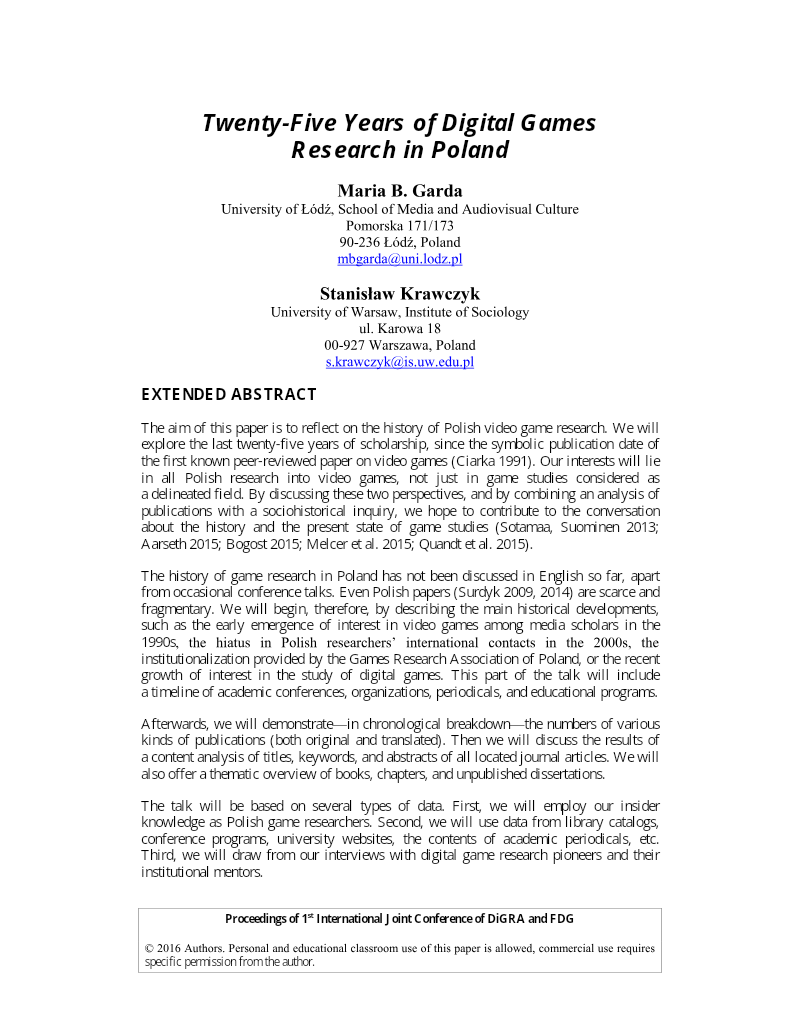
This paper provides a historical overview of digital games research in Poland over the past twenty-five years, beginning with the first known peer-reviewed publication in 1991.
- The history of Polish video game research is traced over roughly twenty-five years, beginning with what the authors identify as the first known peer-reviewed Polish paper on video games, published in 1991.
- The study takes a broad scope, covering all Polish research into video games rather than only work identifying with a delineated game studies field, and combines a sociohistorical account with analysis of publications including titles, keywords, and abstracts of journal articles.
- Key developments identified include early interest among media scholars in the 1990s, a hiatus in international contacts during the 2000s, institutionalization through the Games Research Association of Poland, and recent growth in research activity.
Realism and the Everyday in Digital Games
This paper refines Alexander Galloway's theory of social realism in digital games by emphasizing the critical role of representational modes and the concept of the everyday.
- Martin revises Alexander Galloway's theory of 'social realism' in digital games, arguing that realism's critical potential emerges only when the mode of representation, the everyday, and Lukács's concept of the social totality are considered together.
- The paper critiques Galloway's account for neglecting representation, conflating realism with critique in general, and relying on a 'congruence requirement' that ties the everyday life depicted in a game to players' own everyday experience.
- Drawing on Lukács's defence of literary realism and Yuri Lotman's view of everyday life as a boundary zone where personal habits collide with dominant codes, Martin frames realism as a means of linking individual lives to the totality of social relations.
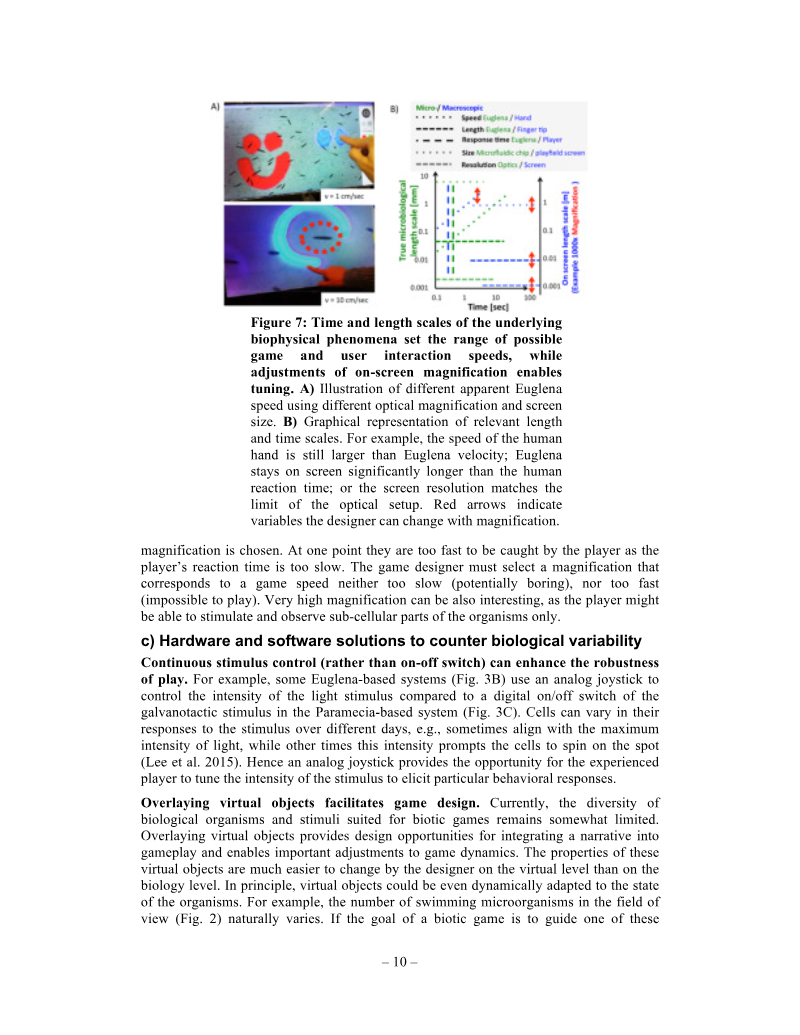
Interactive Biotechnology: Design Rules for Integrating Biological Matter into Digital Games
This paper, by Lukas C. Gerber, Honesty Kim and Ingmar H. Riedel-Kruse of Stanford University's Department of Bioengineering, was presented at the 1st International Joint Conference of DiGRA and FDG.
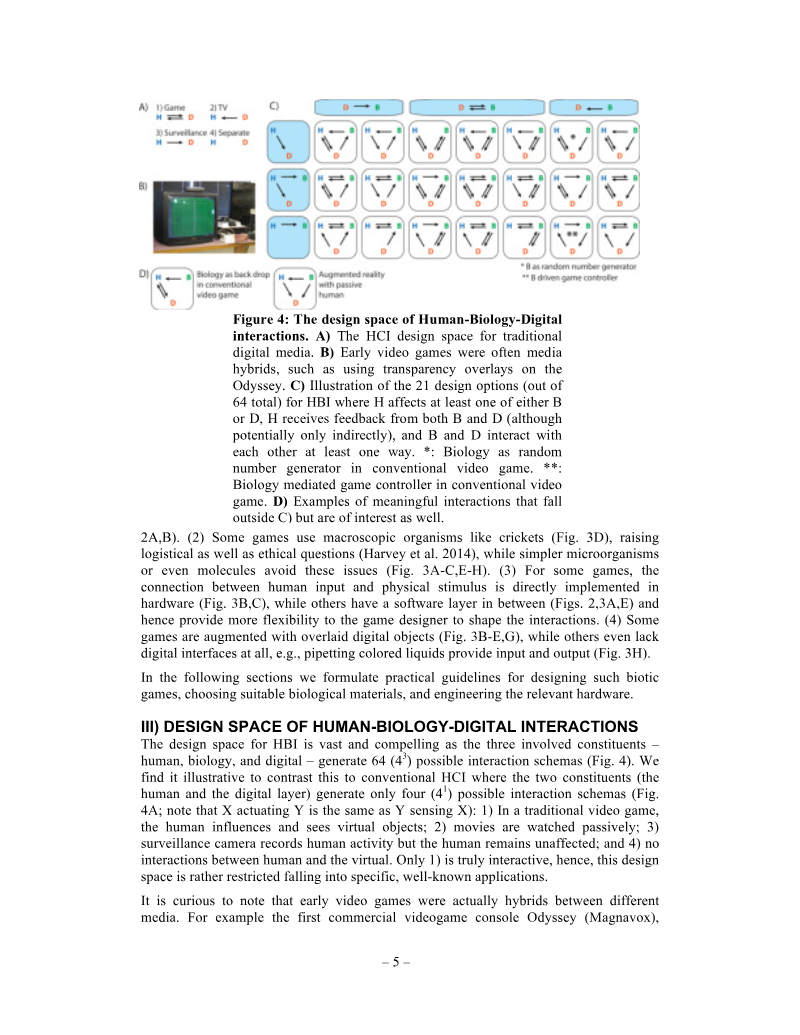
- The authors identify 21 of 64 possible human-biology-digital interaction arrangements as meaningful, compared with four possible schemas in conventional human-computer interaction.
- The paper argues that systems based on single-celled microorganisms integrated within BPUs offer strong advantages over other designs in cost, throughput, biosafety and ethics.
- The authors propose the biotic processing unit (BPU) as the fundamental hardware architecture, a device housing biological material with physical actuators and sensors and digital input/output channels.