1 free read left. Create a free account for unlimited reading + AI research.
Create free accountWhitepaper International Journal of Serious Games
1 free read left. Create a free account for unlimited reading + AI research.
Create free accountWhitepaperInternational Journal of Serious Games
This questionnaire demonstrates high internal consistency and construct validity.
Reliable tool. A nine-item questionnaire provides a reliable method for measuring player perceptions of autonomy.
The perception of autonomy in digital environments is defined by two core dimensions: exploratory freedom, which relates to the ability to navigate and interact with game worlds, and outcome freedom, which pertains to the influence players exert over narrative or mechanical results. A validated nine-item questionnaire serves as a robust instrument for measuring these perceptions, demonstrating high internal consistency and construct validity. By analyzing data from 290 primary school students, it becomes clear that players prioritize immersion, personal agency, and character control, while the presence or absence of win/loss states remains a secondary concern.
Statistical modeling confirms that demographic variables, specifically age, gaming experience, and frequency of play, significantly influence how players value exploratory freedom. These findings allow for the development of predictive models that can anticipate player preferences based on user profiles. Such insights are particularly valuable for the design of serious games, where the integration of non-linear, unstructured gameplay elements can substantially enhance learner engagement and the acquisition of transferable skills.
However, the pursuit of total player autonomy is not an inherently superior design strategy. Excessive freedom can inadvertently remove the structural constraints necessary to maintain player focus and motivation. Instead, the most effective approach for maximizing engagement involves an intermediate level of freedom that carefully balances individual agency with meaningful, structured challenges. Future research must continue to refine this equilibrium, as identifying the optimal threshold between open-ended play and guided limitation is essential for the continued evolution of educational and serious game design.



International Journal of Serious Games · 2026
International Journal of Serious Games · 2026
International Journal of Serious Games · 2026
International Journal of Serious Games · 2026
International Journal of Serious Games · 2026



International Journal of Serious Games · 2026
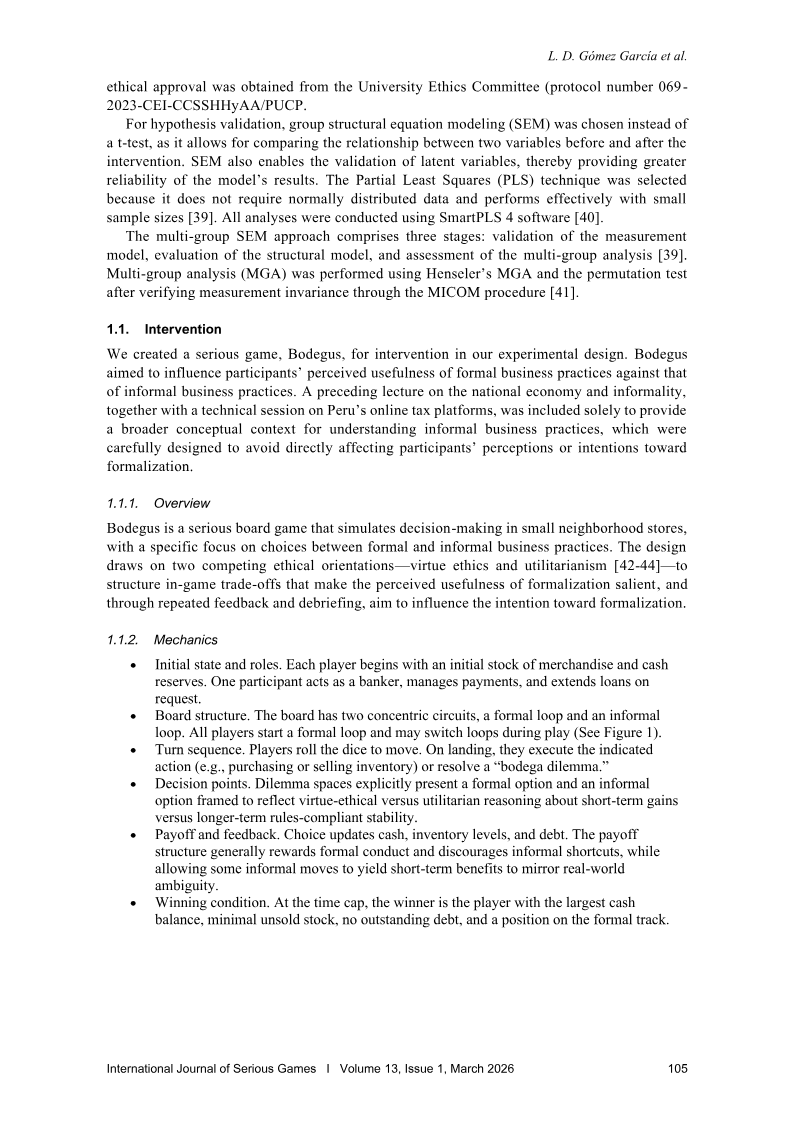
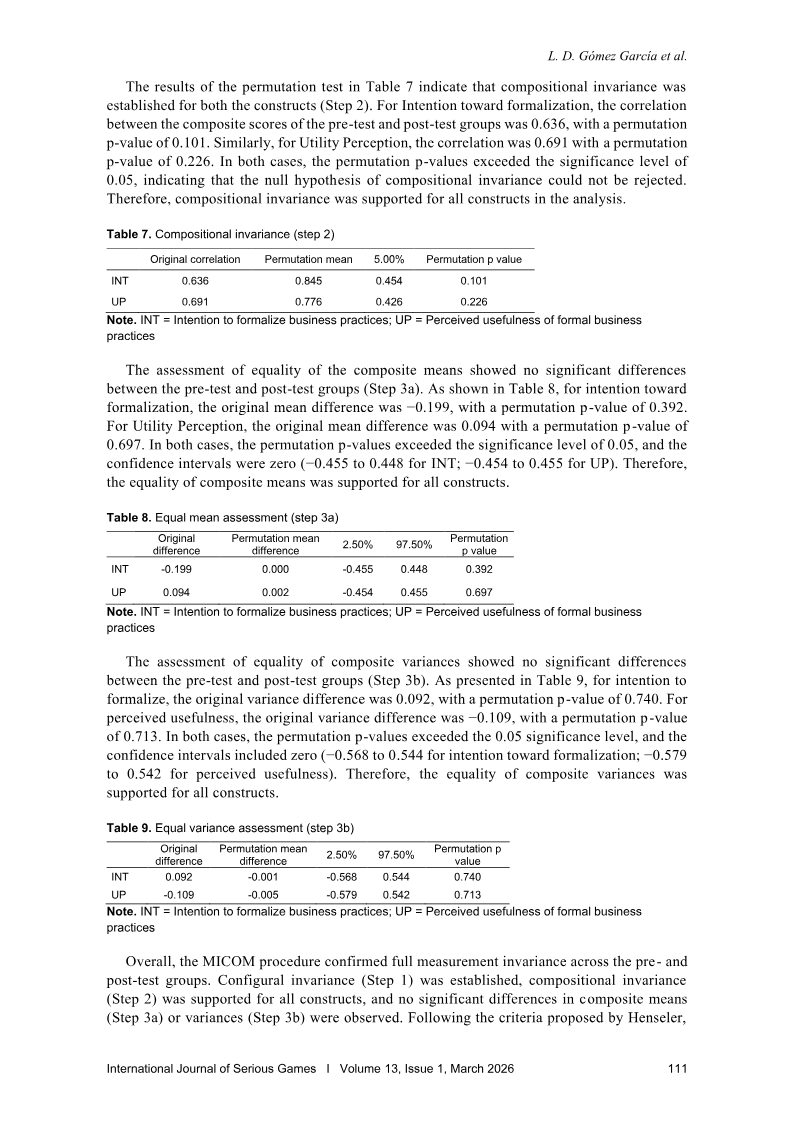
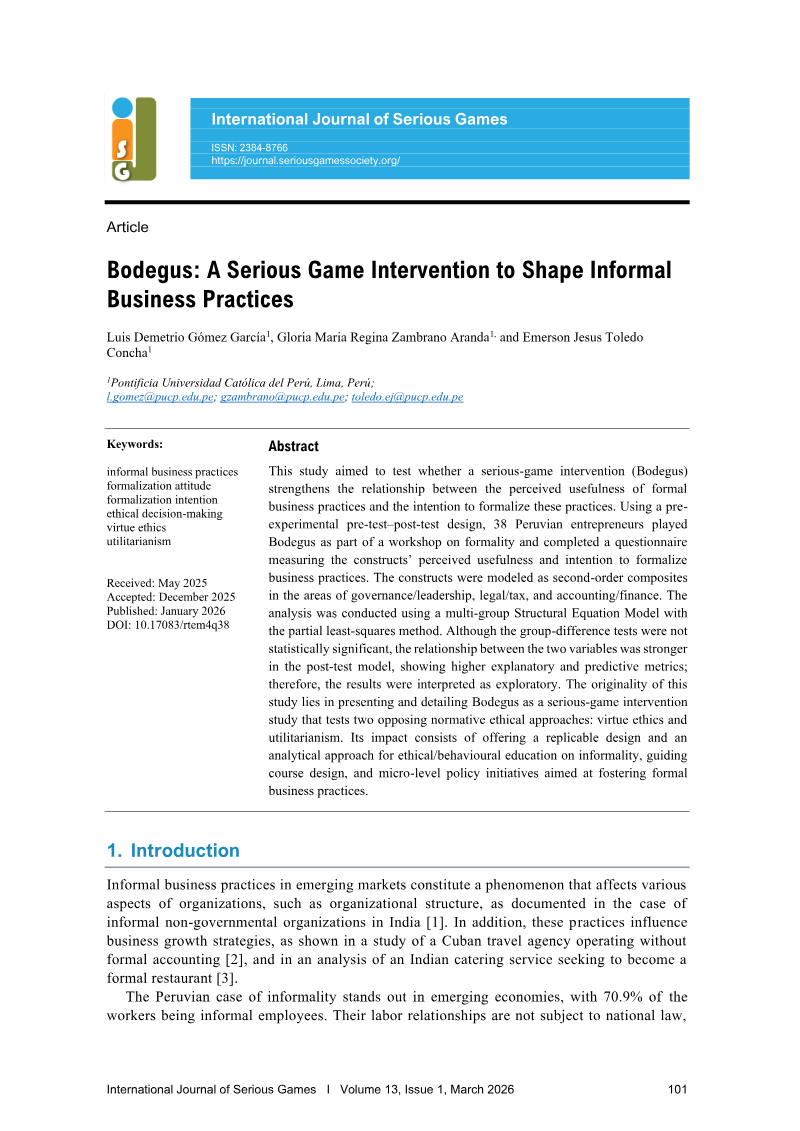
International Journal of Serious Games · 2026
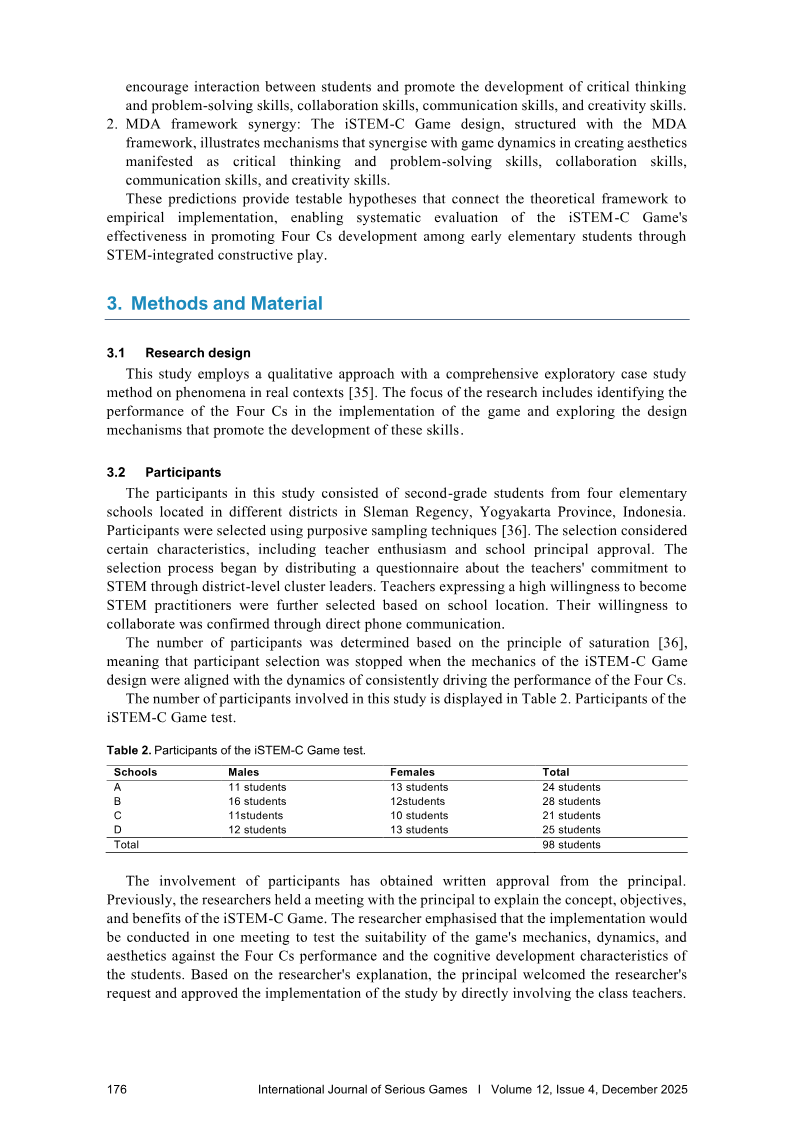
International Journal of Serious Games · 2025
International Journal of Serious Games · 2025
International Journal of Serious Games · 2025
Serious Games Society · 2025
International Journal of Serious Games · 2025
Serious Games Society · 2026