Creative
Company
Documents about Creative
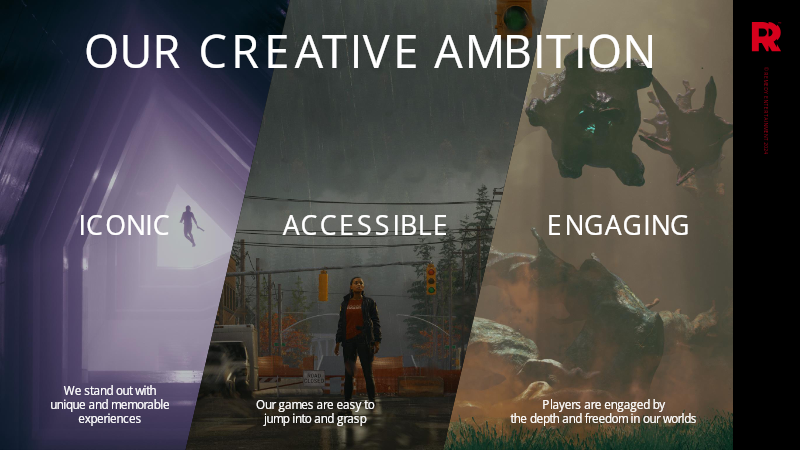

Remedy Capital Markets Day 2024: Creative Ambitions
Remedy Entertainment focuses on establishing a distinct market position by prioritizing iconic, accessible, and engaging gaming experiences.
- Remedy Entertainment is positioning itself as a leader in the premium action-adventure segment by focusing on mature, narrative-driven titles that blend familiar settings with supernatural elements.
- The studio’s core creative strategy centers on high-quality storytelling, character development, and emotional depth to ensure its games resonate with a broad, global audience.
- The Alan Wake and Control franchises serve as the primary pillars of the studio's current output, consistently achieving high critical acclaim and major industry awards.


2023 Serbian Gaming Industry Report
The report demonstrates that Serbia’s gaming sector has experienced a dramatic expansion in 2023, with the workforce more than doubling from roughly 1,700 to over 4,300 employees.
- Serbia’s gaming workforce grew significantly in 2023, more than doubling from approximately 1,700 to over 4,300 employees.
- Industry revenue reached €175 million in 2023, a 17% year-on-year increase driven primarily by mobile titles and original intellectual property.
- Mobile gaming dominates the market with a 60% share on Android, while large studios with 40+ staff capture the majority of industry profits.

KRAFTON Investor Presentation: Goldman Sachs Global NDR
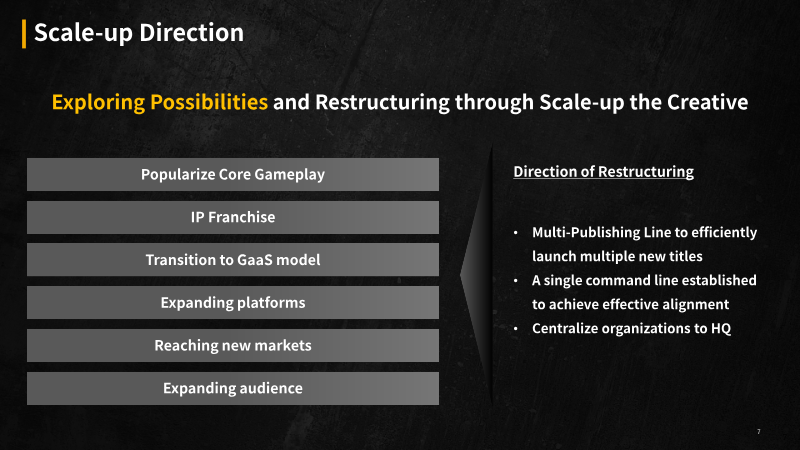
KRAFTON’s strategic roadmap centers on the "Scale-up the Creative" initiative, which aims to evolve the company from a single-IP entity into a multi-franchise powerhouse.
- KRAFTON is executing a 'Scale-up the Creative' strategy to transition from a single-IP company into a multi-franchise powerhouse by launching new IPs every three to five years.
- The company reported 2023 total revenue of KRW 1,910.6 billion (up 3.1% YoY) and an operating profit of KRW 768.0 billion (up 2.2% YoY).
- PUBG remains the primary revenue driver, with PC and console segments recording a 37% year-over-year revenue increase.

Game Copyright Protection Guide: South Korea
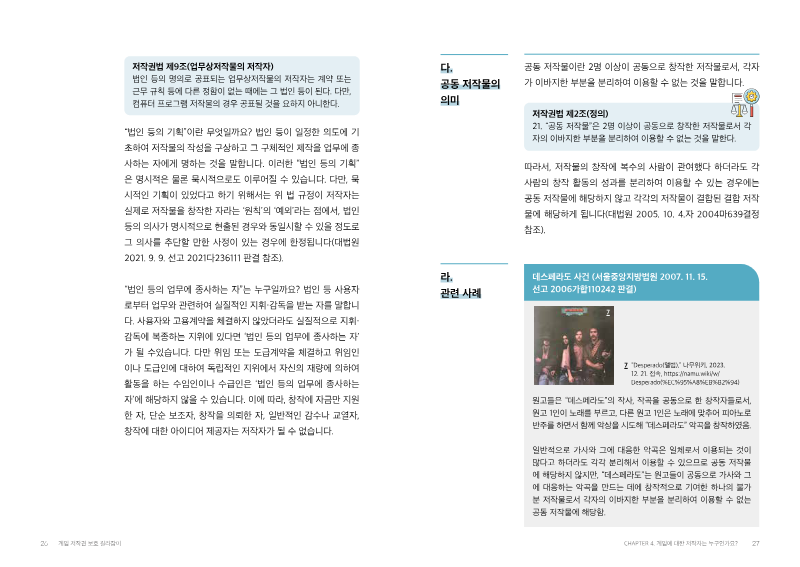
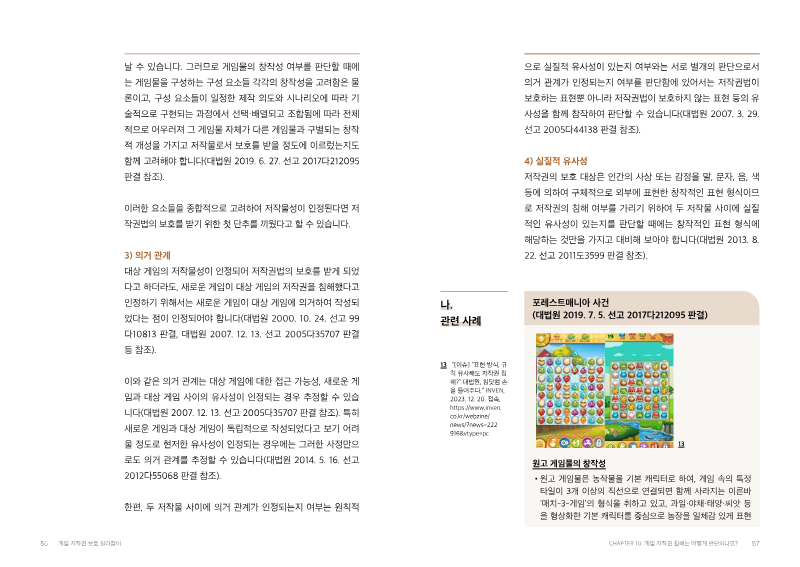
The South Korean gaming industry requires a robust understanding of intellectual property law to mitigate rising copyright disputes and protect creative assets.
- Copyright protection in South Korea is limited to unique creative expressions and does not extend to functional game mechanics, underlying ideas, or generic software elements.
- Courts determine copyright infringement based on the legal standards of access and substantial similarity, requiring evidence of an author’s unique creative personality.
- The Unfair Competition Prevention and Trade Secret Protection Act provides a secondary legal layer to protect significant investments and business efforts that do not qualify for traditional copyright.
Manifesto 2024-2029: Più di un (video)gioco
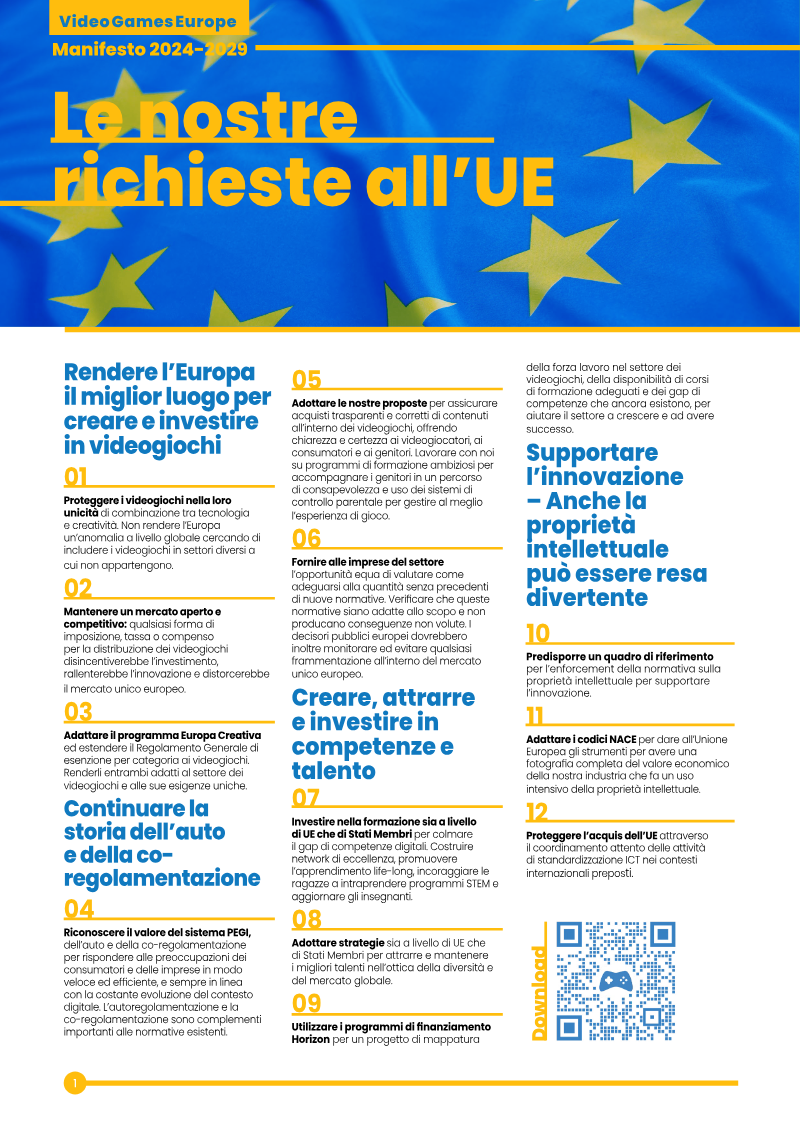
The manifesto articulates a strategic vision for positioning Europe as a leading global hub for video-game development, emphasizing the sector’s unique blend of technology and creativity.
- The manifesto advocates for EU-wide policy alignment to establish Europe as a global video-game development hub by 2029, prioritizing the protection of an open, competitive market against new taxes or distribution constraints.
- Industry stakeholders are lobbying for the adaptation of the Creative Europe programme and the extension of the General Exemption Regulation to better align public funding mechanisms with the specific economic realities of game development.
- The proposal calls for the revision of NACE codes to accurately measure and report the sector's economic contribution to the European Union.
2023 Global Mobile Games Marketing Trends White Paper
The global mobile gaming landscape underwent a significant transformation in 2023, characterized by a strategic shift toward the hybrid-casual model.
- The mobile gaming industry shifted toward a hybrid-casual model in 2023, blending hyper-casual accessibility with mid-core monetization to stabilize revenue through combined in-app advertising and purchases.
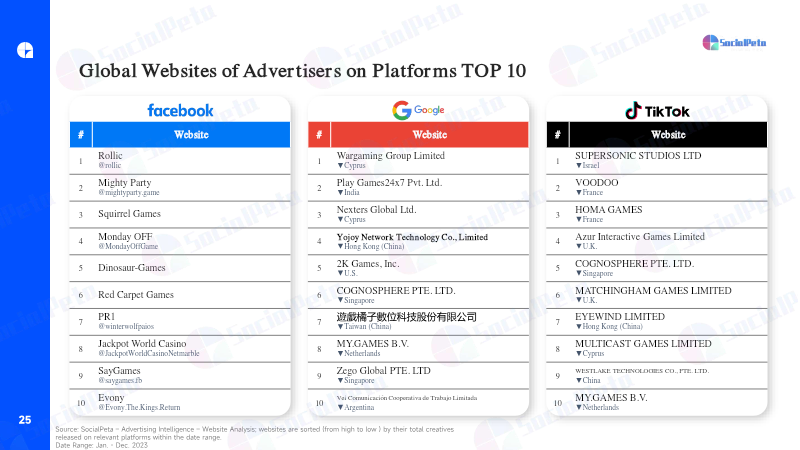
- Monthly active advertisers surged by nearly 50% year-over-year, surpassing 40,000 globally as competition for user acquisition intensified.
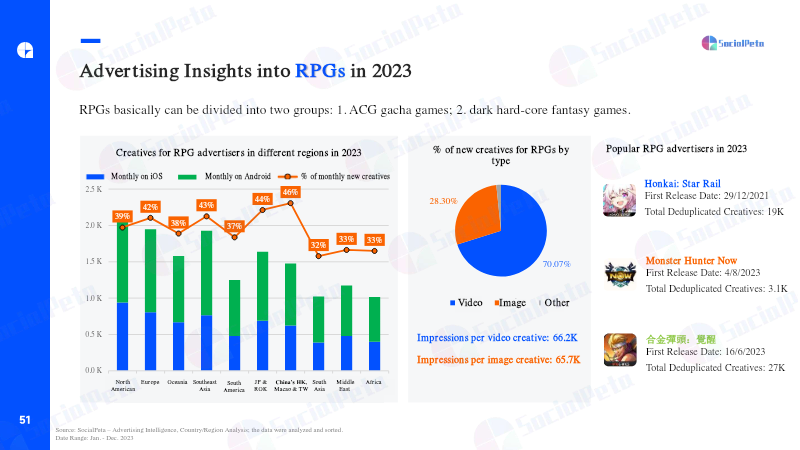
- Video ads remain the dominant format, accounting for over 76% of total impressions, while AI-generated image creatives are increasingly used to mitigate rising acquisition costs.
State of Mobile 2024
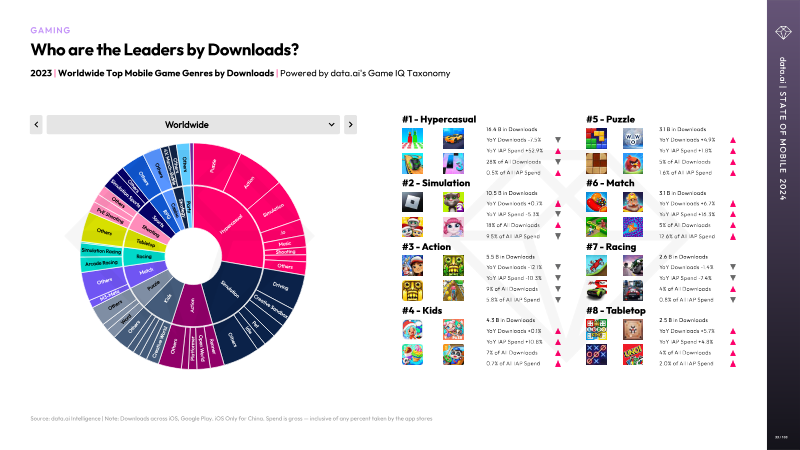
The global mobile economy experienced a significant recovery in 2023, with consumer spending rising 3% to $171 billion and daily engagement surpassing five hours per user in leading markets.
- The global mobile economy grew 3% to $171 billion in 2023, supported by a $362 billion advertising market projected to exceed $400 billion in the coming year.
- Mobile gaming spending contracted by 2% as the industry consolidated around established high-fidelity IPs and social multiplayer genres, though titles like Monopoly GO and Honkai: Star Rail proved that high-quality debuts remain viable.
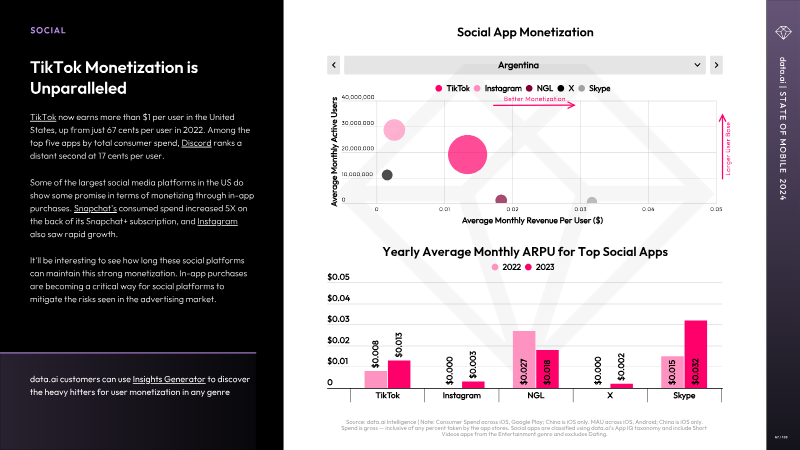
- Non-gaming apps reached a record $64 billion in consumer spend, highlighted by TikTok becoming the first non-game app to surpass $10 billion in lifetime revenue.


Liftoff Report: Mobile Ad Creative Index 2024
The report presents a comprehensive analysis of mobile ad creative performance across four key app verticals—gaming, e-commerce, finance, and entertainment—for the period January 1 2023 to January 1 2024.
- Gaming ads utilizing video or playable formats are over 20 times more likely to drive installs compared to banner ads.
- Native ads represent the most cost-effective acquisition channel, averaging a $1.80 CPI across the analyzed verticals.
- E-commerce apps achieve the highest install-to-action (ITA) rates exceeding 30% through native and banner formats, which also maintain the lowest acquisition costs between $2.57 and $3.23.

Behind the Screens: The Salary Stats in Gamedev
This research, conducted by 80 Level in January 2024, examines the global compensation landscape and financial well-being of professionals within the video game development industry.
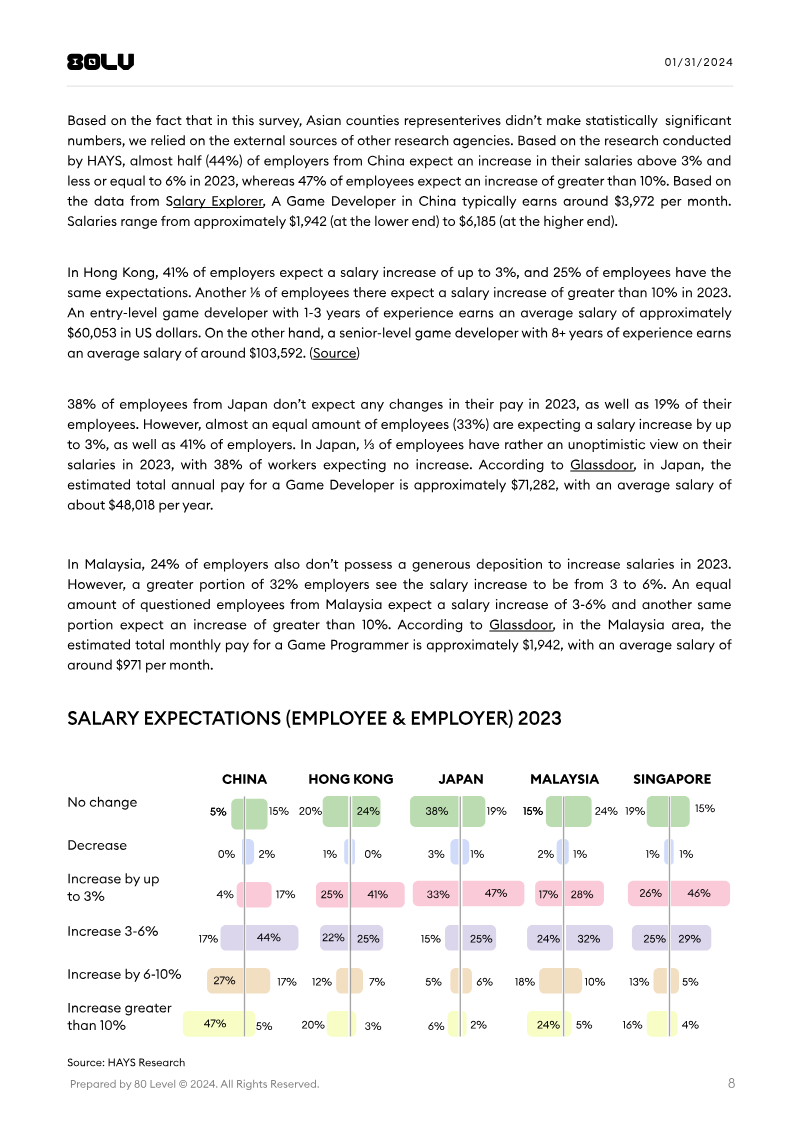
- The game development industry is highly stratified, with nearly 40% of professionals earning under $40,000 annually and only 11% earning more than $150,000.
- Geography is a primary driver of income disparity, evidenced by 36% of U.S.-based professionals earning over $150,000 compared to 54% of developers in India earning under $9,999.
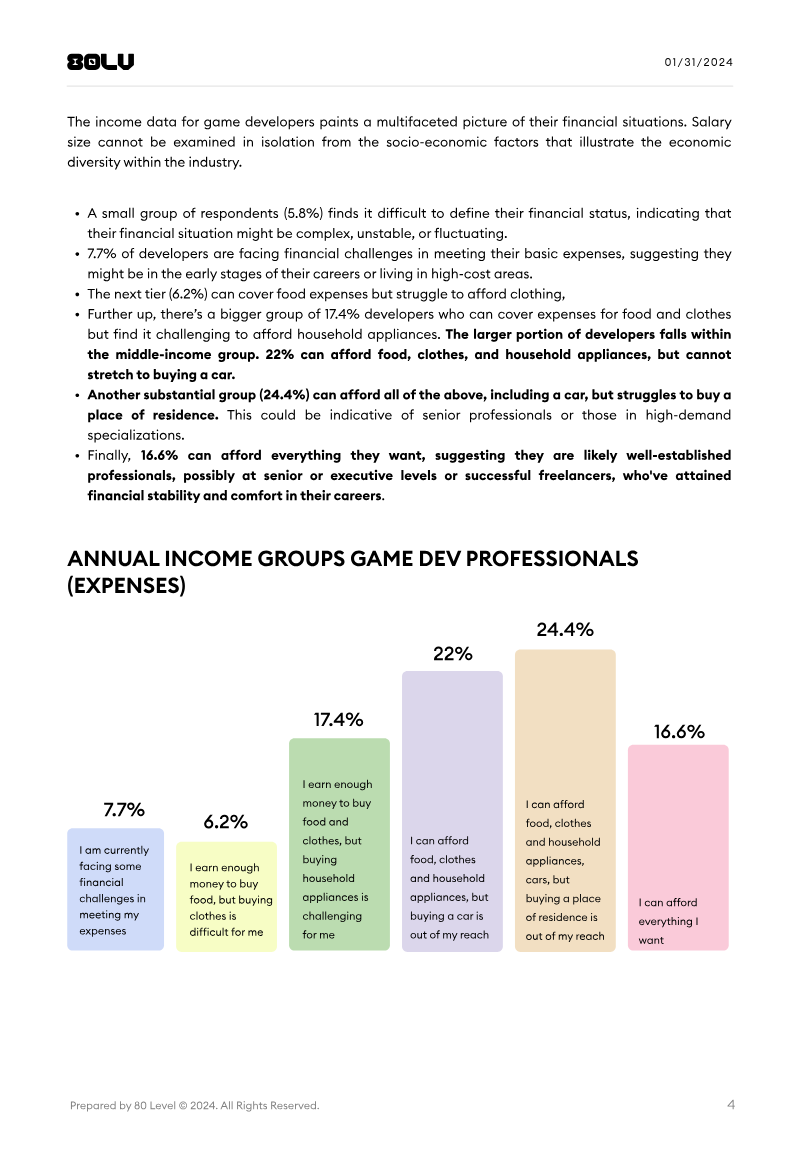
- Financial instability is prevalent, as 24.4% of the workforce can afford a car but cannot afford a residence, while only 16.6% can afford all discretionary purchases.

Video Games Europe Manifesto 2024-2029
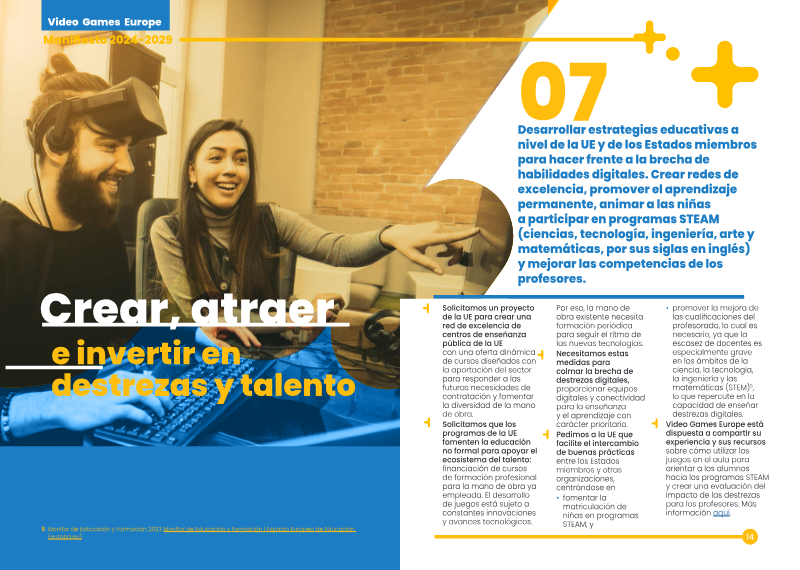
Europe’s video-game sector has expanded by 16% between 2019 and 2024, now delivering €24 billion in revenue and employing roughly 110 000 highly-skilled workers.
- The European video game sector grew by 16% between 2019 and 2024, reaching €24 billion in annual revenue and employing approximately 110,000 highly-skilled workers.
- Between 2017 and 2022, the industry faced a significant regulatory burden consisting of 850 new EU obligations spanning over 5,000 pages of rules.
- The PEGI age-rating system has successfully classified 40,000 titles across 40 countries, contributing to a 50% reduction in non-compliance penalties and a 20% decrease in energy-consumption violations.
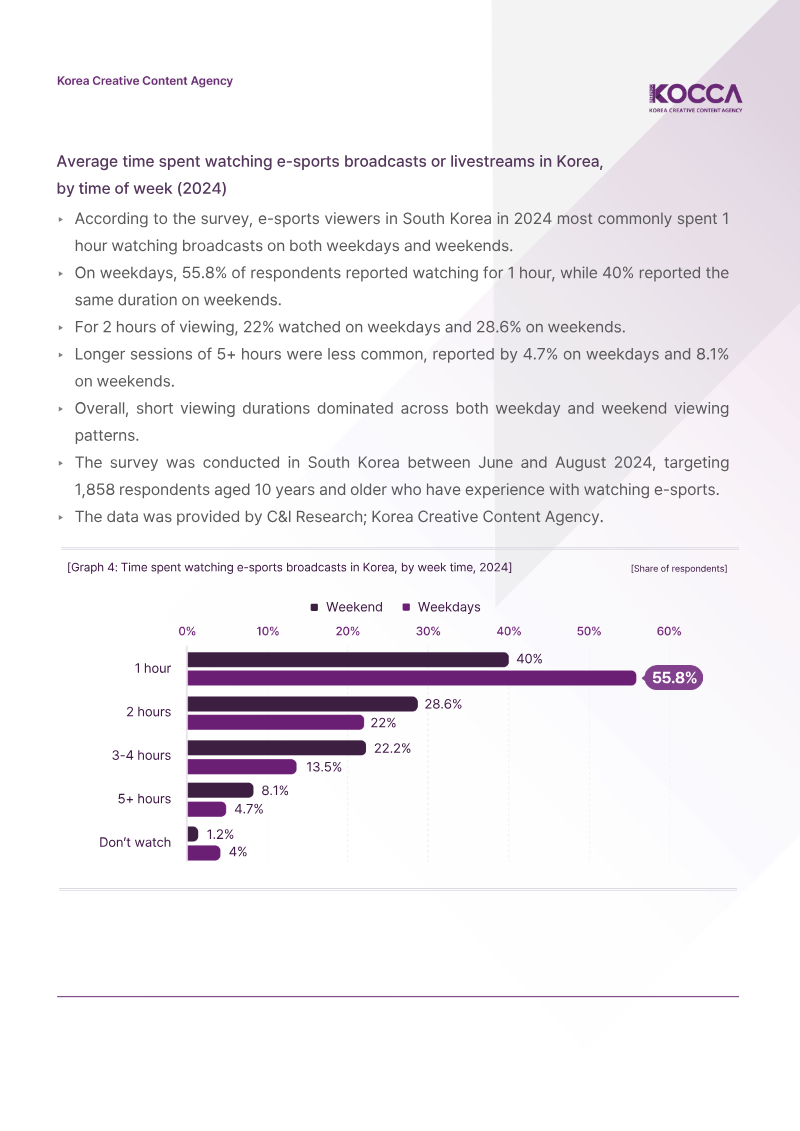
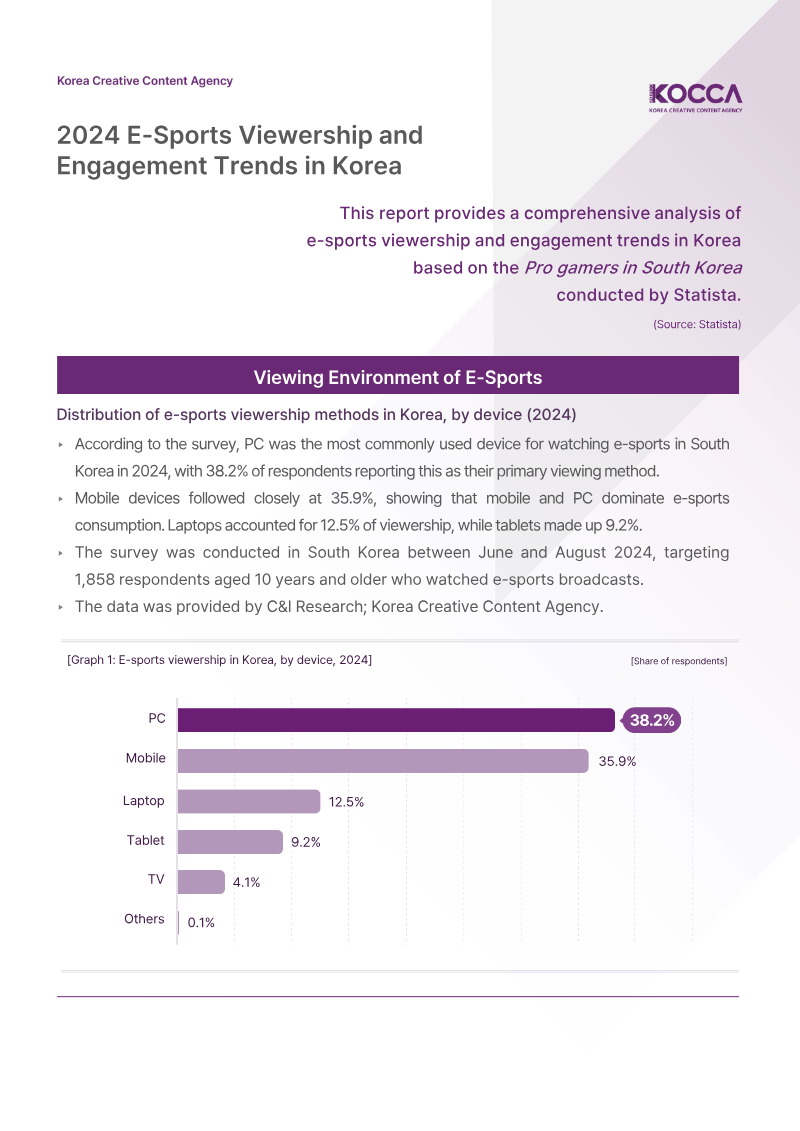
2024 E‑Sports Viewership and Engagement Trends in Korea
The analysis aims to map current e-sports viewership and engagement patterns among South Korean audiences, highlighting how consumption devices, platforms, and motivations shape the market and indicating the potential for offline event conversion.
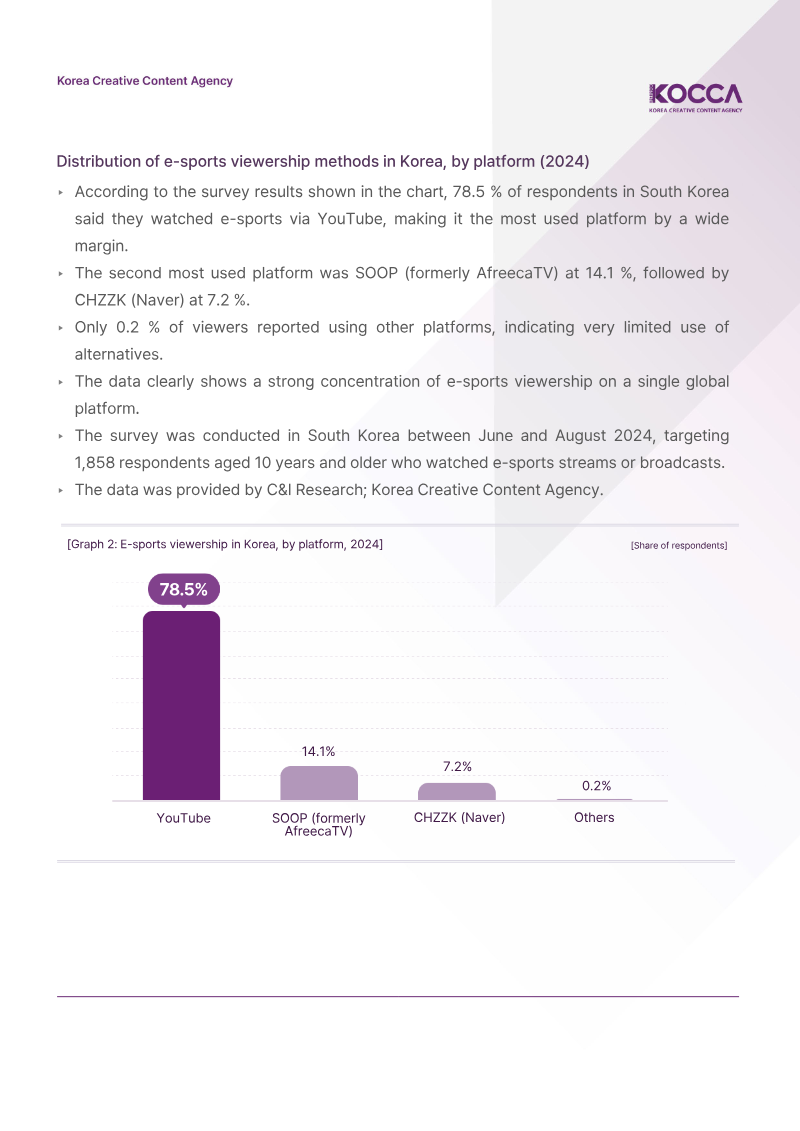
- YouTube dominates the South Korean e-sports market with a 78.5% platform share, significantly outpacing competitors SOOP (14.1%) and CHZZK (7.2%).
- E-sports consumption is primarily mobile and desktop-driven, with PCs (38.2%) and mobile phones (35.9%) accounting for 74.1% of all viewing devices.
- Engagement is frequent and consistent, as 58.9% of viewers watch e-sports content at least once a week, with 20.4% watching 3–4 times weekly.
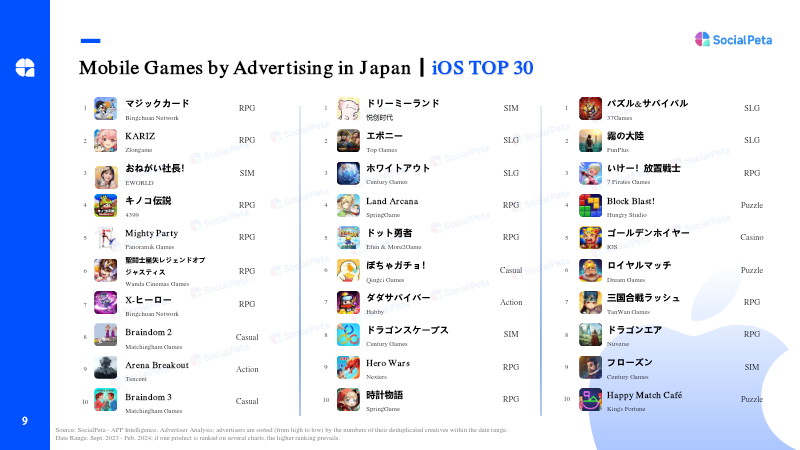


Insight into 2024 Marketing Trends for Japanese Mobile Games
The Japanese mobile gaming market is characterized by a conservative but highly specialized marketing landscape, where local companies maintain a dominant revenue position.
- Japanese firms dominate the domestic market, holding nine of the top ten revenue spots on the App Store, while Chinese developers account for 30% of the top 100 grossing titles.
- RPG titles are the most lucrative genre in Japan, representing 32% of the top 100 revenue-generating games on Google Play.
- Marketing in Japan is characterized by low creative turnover, with only 62.23% of advertisers using new creatives and a total new creative volume of 29.77%, both significantly below global averages.