Creative
Company
398 documents in the library are about Creative, from writers such as Two & a Half Gamers, PocketGamer.biz and Game Developers Conference. Each has a summary and key insights with the page they come from.
Connections
The documents about Creative on the inner ring, the other games and companies they name on the outer one. Select a cover to see it up close and open it in a new tab; drag to move, pinch or Ctrl + scroll to zoom.
Key figures from the reports
The company’s strategic pivot to Creative Management Simulation (CMS) games proved successful, with the genre accounting for 89% of total revenue in FY26 compared to 77% the previous year.
Frontier Developments, 2026 · Frontier Developments FY26 Financial Results, p. 12
The company recorded €876 million in impairment charges due to project cancellations and postponements as part of a transition toward a streamlined model based on five autonomous 'Creative Houses'.
Ubisoft, 2026 · Ubisoft Universal Registration Document 2025-26, p. 249
Creative assets are the primary performance driver on AppLovin, with playables accounting for 80% to 90% of total ad spend.
Two & a Half Gamers, 2026 · 🧠 MVP UA template AXON: How to set up your Applovin for Success by Matej Lancaric, p. 14
Documents about Creative
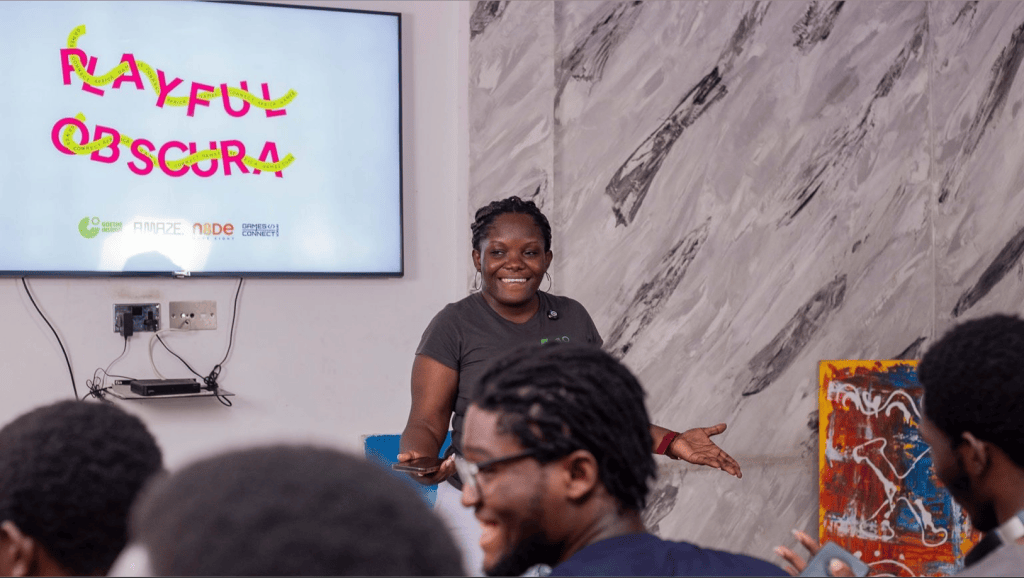
Playful Obscura Opens Applications for 2027 African Arthouse Games Residency: Ethiopia
The Playful Obscura: Arthouse Games Residency Africa 2027 has officially opened applications for its third edition, inviting Africa-based artists to participate in a three-week experimental program in Addis Ababa, Ethiopia.
- Applications are open until November 1, 2026, for the third edition of the Playful Obscura: Arthouse Games Residency Africa, which will take place in Addis Ababa, Ethiopia, from January 25 to February 14, 2027.
- The residency will select two Africa-based artists specializing in experimental games, interactive storytelling, digital art, or playful media.
- Selected participants receive a production budget of up to €1,000, a €300 stipend, travel support, accommodation, and a dedicated workspace.
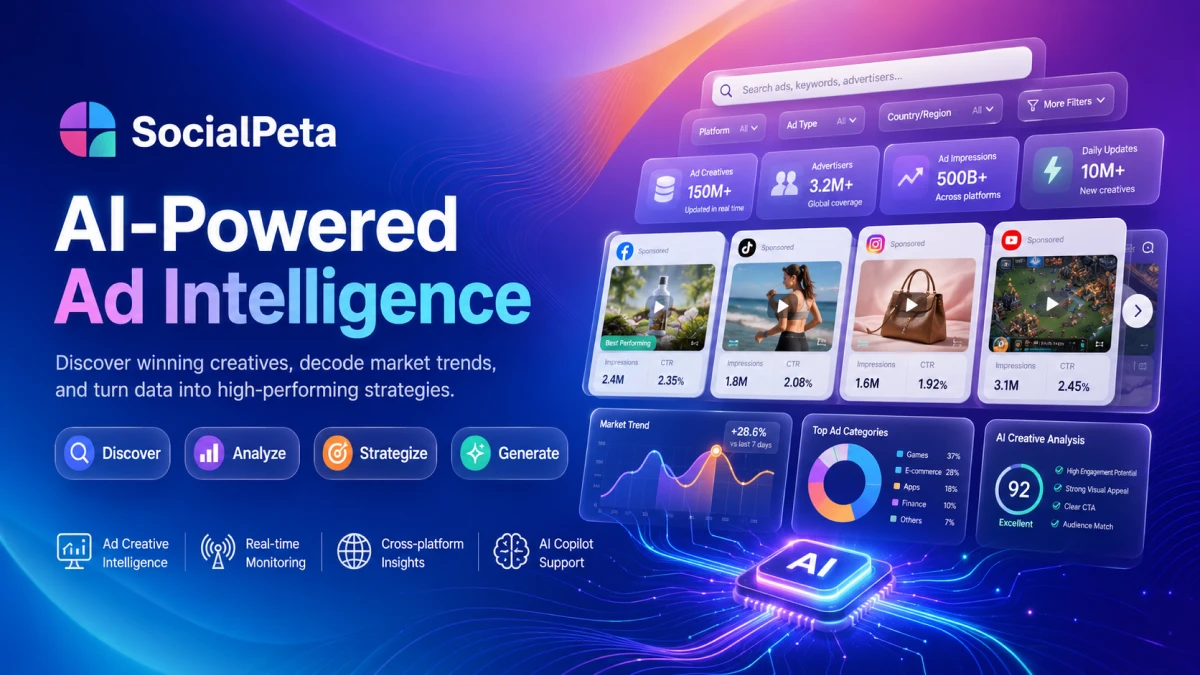
2026 H1 Short Drama Advertising Trends and Growth Insights
The 2026 H1 Short Drama Advertising Trends & Growth Insights provides a comprehensive analysis of the rapidly evolving global short drama market.
- The global Short Drama market saw a surge in AI-generated content, with monthly live-action titles growing from 1,479 in January 2026 to 11,962 in July 2026.
- In July 2026, newly advertised AI-generated titles accounted for 70.62% of the total market volume, signaling a rapid shift toward AI-driven production.
- Market competition intensified in H1 2026, with the number of active advertisers reaching 3,928.

Games Creative Trends 2026
The 2026 creative trends analysis examines the evolving landscape of mobile game user acquisition (UA) by evaluating 1.2 million creative variations across 1,400 applications.
- Marketing spend is highly concentrated, with the top 2% of video creatives in games accounting for 60.7% of total spend in Q2 2026, up from 53.5% in Q1 2025.
- Larger game studios are scaling creative production, with apps spending $4–7 million per quarter increasing their creative variations by 29% year-over-year to an average of 2,615.
- Smaller advertisers are reducing creative output, with budgets under $1 million per quarter seeing a 2% to 20% decline in the number of creative variations produced.
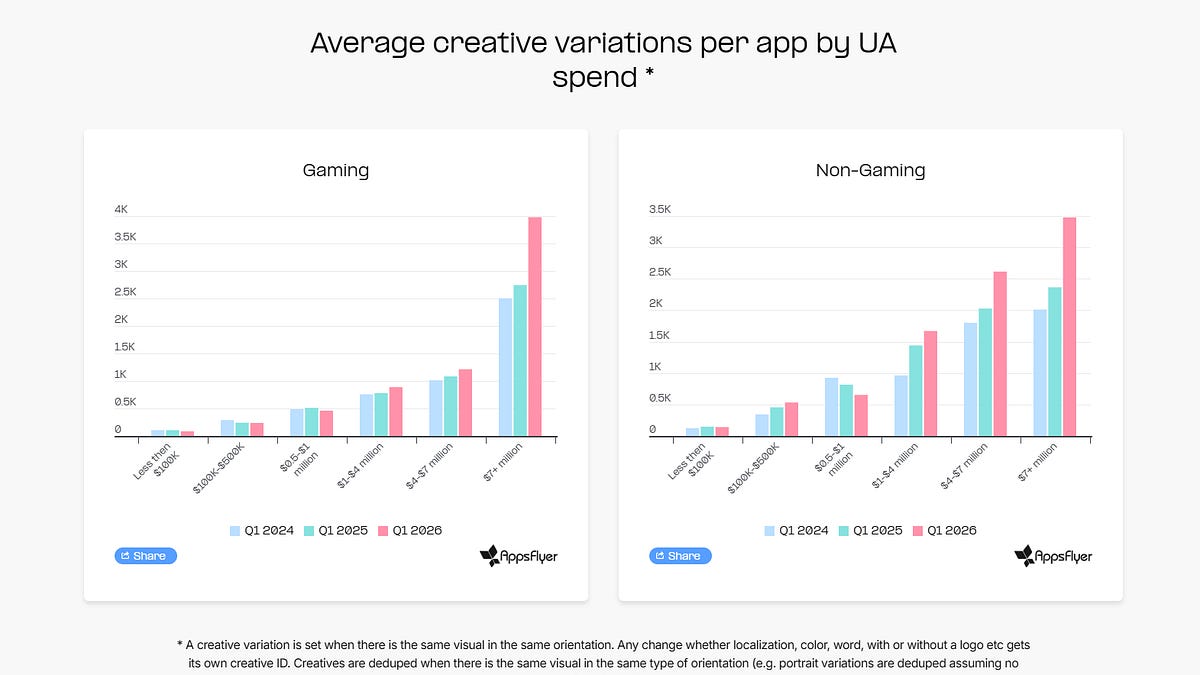
State of Creative Optimization 2026
The 2026 landscape of creative optimization in mobile gaming is defined by a widening gap between high-spending "whale" advertisers and smaller market participants.
- The top 2% of gaming video creatives now command 60.7% of total spend, up from 53.5% in early 2025, indicating that algorithms are increasingly concentrating budgets on fewer winners.
- Large gaming apps spending over $7M per quarter increased their creative variations by 45% year-over-year, reaching an average of 3,977 variations per app, while smaller advertisers saw flat or declining output.
- The surge in creative volume is driven primarily by AI-assisted localization, resizing, and copy swaps rather than new conceptual ideas, as 'variation' counts include every minor iteration like logo toggles or language changes.

Report: Bethesda President Tells Obsidian Staff It Won't Lose 'Creative Identity' After Merge
Obsidian Entertainment is undergoing a significant organizational transition following its integration into the Bethesda corporate structure.
- Obsidian Entertainment is being merged into Bethesda as part of a broader restructuring by parent company Xbox.
- Bethesda president Jill Braff stated in an internal email that the merger is primarily a change in reporting structure and will not alter Obsidian's core creative identity.
- The merger follows a period of significant workforce reduction at Obsidian, which included the layoff of at least 52 employees in July 2026.
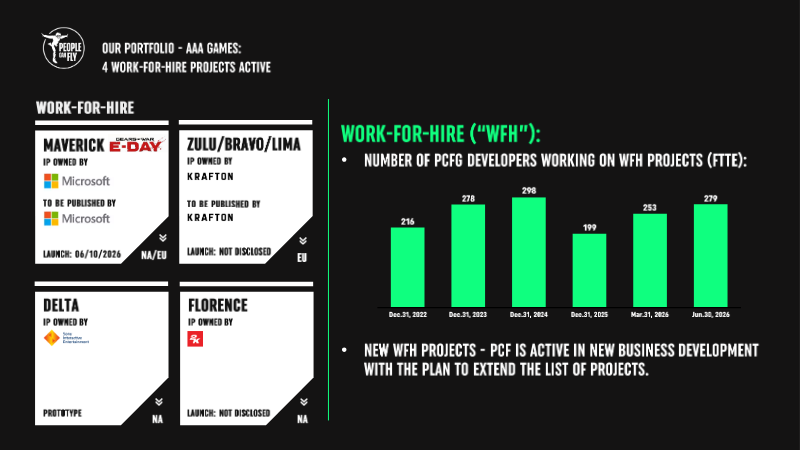
PCF Group 1H 2026 Financial Results Presentation
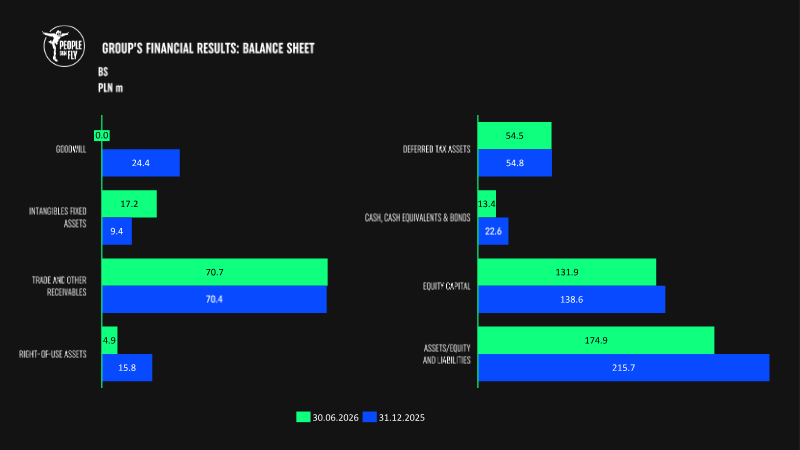
The PCF Group 1H 2026 financial results presentation outlines the company’s operational status, portfolio performance, and strategic financial adjustments for the first half of 2026.
- PCF Group reported a net loss of 20.1 million PLN for 1H 2026, significantly impacted by the bankruptcy of its subsidiary Game On and the subsequent full write-off of its goodwill.
- The company is currently managing four active work-for-hire (WFH) projects with 279 full-time equivalent developers, including titles for Microsoft and Krafton.
- The launch of the third-party published title 'Trine 6: Together in Time' has been strategically delayed to March 4, 2027, to allow for additional polish, combat balancing, and the implementation of new puzzle modes.
What Was That Noise: Mastering Creative UI Sound Design with Intention
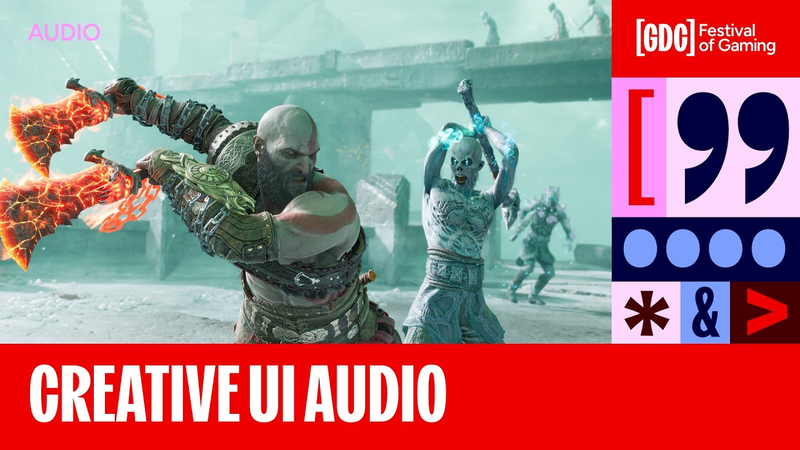
Effective user interface sound design functions as a vital communication tool that bridges the gap between player input and game response.
- Apply UX design principles—specifically the isolation effect, cognitive load, selective attention, Occam's razor, and flow—to ensure UI audio communicates information effectively without requiring visual reliance.
- Use specific sonic characteristics to convey emotional intent: rising pitches and major scales signal positive outcomes, while distinct, unmissable sounds are required for critical gameplay feedback like parries.
- Match UI sound materials to the visual interface, such as using metallic sounds for metal UI elements or organic textures like bone and bubbling liquids for thematic environments like a witch's hut.

🎮 Playables Are Now 40-60% of Creative Spend: Here's what's working ńow
Playable advertisements have emerged as a dominant force in digital marketing, currently accounting for 40% to 60% of total creative spend across the gaming and non-gaming sectors.
- Playable advertisements now represent 40% to 60% of total creative spend across both gaming and non-gaming sectors.
- The industry is shifting toward 'Frankenstein playables,' which synthesize multiple proven, high-engagement mechanics like yarn puzzles and rescue scenarios into a single ad unit.
- Non-gaming sectors, including finance and social apps, are adopting gamified elements like obstacle-avoidance and item-catching to drive user engagement through low-friction interactions.
Frontier Developments FY26 Financial Results
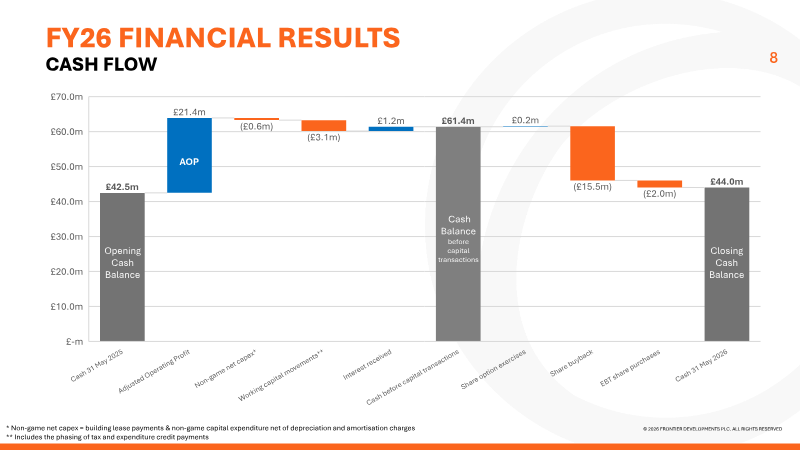
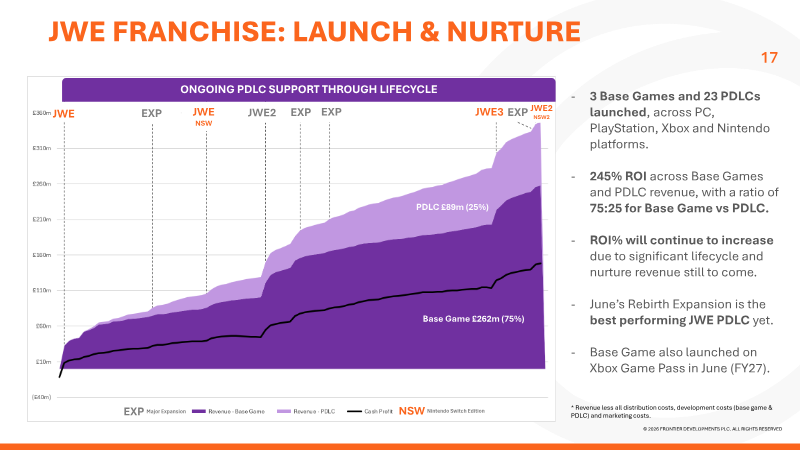
Frontier Developments achieved record financial performance during the 2026 fiscal year, driven by a strategic focus on Creative Management Simulation (CMS) games.
- Frontier Developments achieved record FY26 financial results with revenue rising 16% to £104.8 million and adjusted operating profit increasing 62% to £21.4 million.
- The company’s strategic pivot to Creative Management Simulation (CMS) games proved successful, with the genre accounting for 89% of total revenue in FY26 compared to 77% the previous year.
- Strong financial performance enabled a disciplined capital allocation strategy, resulting in significant share buybacks and the declaration of a £5 million special dividend.

Creative Velocity and Player Intelligence Reshape Mobile Game Marketing in H1 2026
The mobile game marketing landscape in the first half of 2026 is defined by a significant expansion in advertising activity and a strategic shift toward integrated artificial intelligence workflows.
- Global mobile game advertising expanded significantly in H1 2026, with monthly active advertisers reaching 109,500, a 31.1% year-over-year increase.
- An 'AI maturity gap' persists in the industry, where 49% of projects utilize AI for creative production, but only 30% have achieved measurable ROI growth.
- Playio’s STORM engine, which leverages behavioral intelligence from rewarded gameplay, demonstrated a significant performance boost in a campaign example by increasing ROAS from 330% to 724%.
S07, E30: MDM Mailbag #8 (with Thomas Petit)
Modern mobile marketing demands a sophisticated, multi-layered strategy that balances deterministic last-click attribution with rigorous incrementality testing.
- Incrementality testing cannot replace deterministic last-click attribution for mobile advertisers because ad networks like Meta, Google, and TikTok require user-level data to function effectively within their auction mechanics.
- Scaling creative production is shifting from a challenge of volume to a challenge of technical deployment and the creation of truly unique concepts that avoid being mere clones of previous assets.
- The transition to web-to-app funnels should be driven by the need for merchant flexibility and improved user onboarding rather than solely as a strategy to bypass app store commission fees.
How to Find a Winning Creative: Real Data from My Own Game
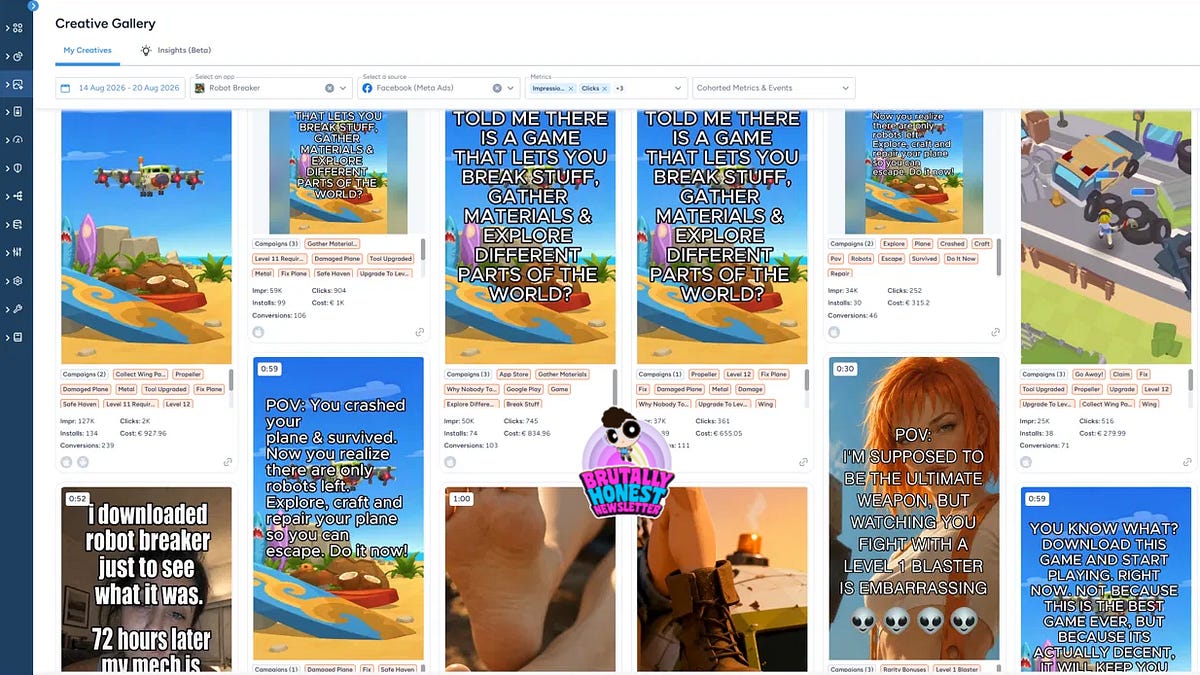
The primary purpose of this analysis is to demonstrate how granular creative performance data can inform user acquisition (UA) strategy and production cycles.
- High IPM (Install Per Mille) does not guarantee profitability; playables achieved an IPM of 21.75 compared to 2.75 for video, yet high-IPM character-led ads on Facebook yielded only 36% D1 ROI versus 46% for plane-led concepts.
- Creative strategy should prioritize D1 ROAS over engagement metrics, as algorithmic favorability often fails to correlate with actual business revenue.
- Production resources should be reallocated away from animated-real footage blends, which consistently underperformed across the €41k spend.