Activision
CompanyUnited States
Documents about Activision

Crouch End
The primary focus of this analysis is the impact of Sony’s mandate requiring developers to provide two-hour game trials for titles priced at $34 or higher on the PlayStation Store.
- Sony is mandating that developers provide at least two hours of trial gameplay for any PlayStation Store title priced at $34 or more, to be made available within three months of launch for at least one year.
- While Sony's PlayStation Store team will handle the creation of these mandatory trials, developers have expressed concerns regarding Sony monetizing their work without sharing the resulting revenue.
- Activision Blizzard shareholders have voted to approve Microsoft’s proposed acquisition of the company, though Wall Street remains skeptical regarding the deal's ultimate success.
Activision Blizzard Q1 2022 Financial Results
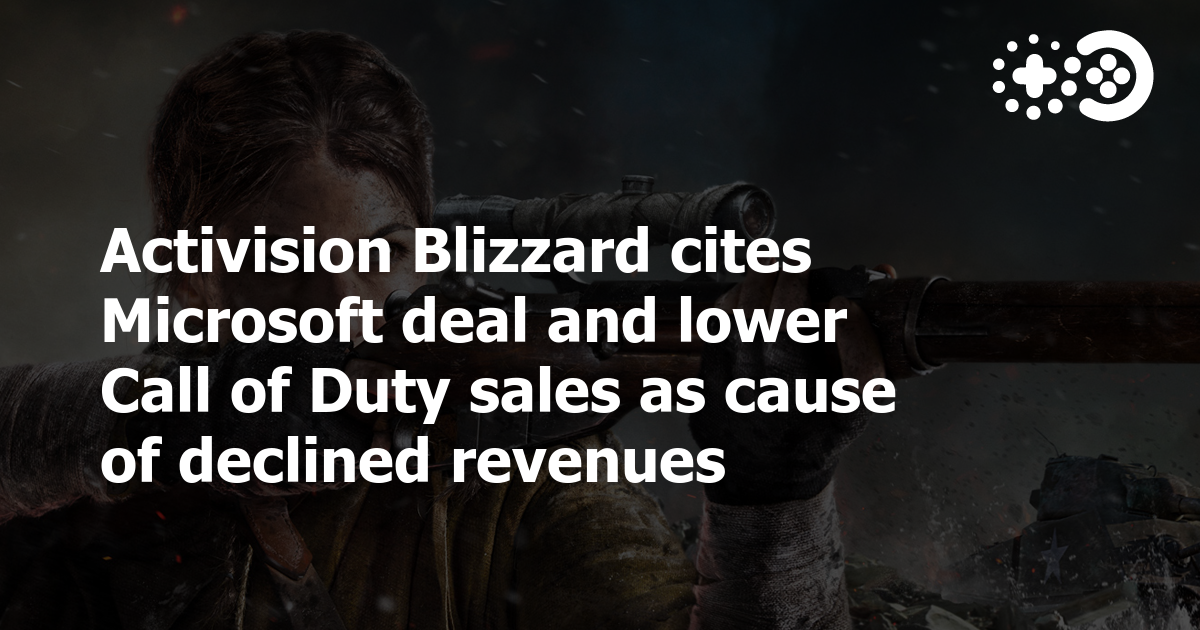
Activision Blizzard’s financial results for the first quarter of 2022 reveal a period of significant contraction, characterized by double-digit declines in both revenue and net income.
- Activision Blizzard reported a 22.2% year-over-year revenue decline to $1.77 billion and a 36.1% drop in net income to $395 million for Q1 2022.
- Financial underperformance was driven by lower sales for Call of Duty: Vanguard, reduced engagement in Warzone, and product cycle timing issues within the Warcraft franchise.
- The King division served as a growth outlier, achieving an 8% year-over-year increase in net bookings and double-digit growth in its player base.

A Better-verse: Playing to Win What Exactly?
This analysis explores the philosophical and economic landscape of the emerging metaverse, contrasting its potential as a space for human connection with the current reality of corporate-driven digital storefronts.
- The interactive entertainment industry is entering a volatile transition period as pandemic-era growth cools, forcing legacy publishers like Electronic Arts and Activision Blizzard to contend with production delays and softening consumer demand.
- Rising capital costs are driving industry-wide consolidation as major publishers face disappointing earnings in the post-pandemic market.
- Netflix is pivoting toward gaming and ad-supported subscription tiers to combat subscriber losses, market saturation, and the impacts of inflation.

Odd Numbers
The game industry faces a complex trade-off between the financial stability offered by subscription services and the potential for commercial success through traditional sales.
- Lorne Lanning, head of Oddworld Inhabitants, stated that including 'Oddworld: Soulstorm' in PlayStation Plus was 'devastating' for sales, as the game was downloaded nearly four million times for free.
- The deal was originally signed under the assumption that low PS5 hardware availability would limit sales, but subsequent release delays meant the game launched into a much larger installed base.
- Subscription services like PlayStation Plus and Game Pass provide a stable financial floor for developers but can significantly limit a game's revenue ceiling by cannibalizing potential full-price sales.
LIVE | Worker's Right in the Game Industry
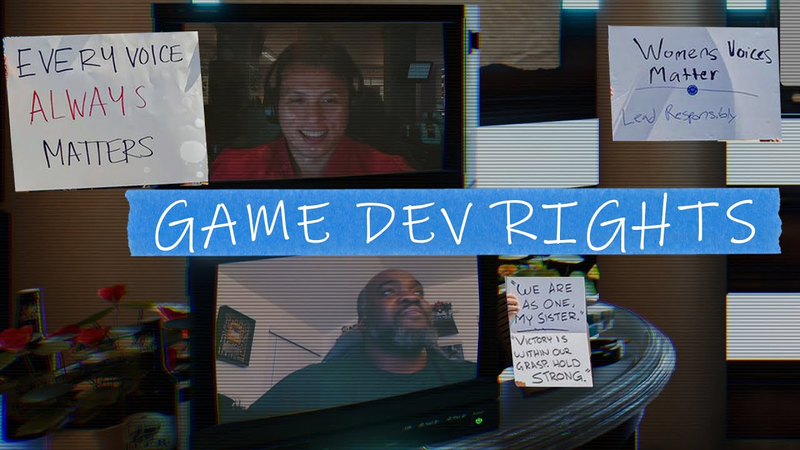
The global game industry is currently navigating a period of profound instability, defined by the intersection of speculative financial technologies and a fundamental restructuring of labor relations.
- The game industry is experiencing a fundamental restructuring of labor relations, marked by widespread unionization and walkouts at major firms like Activision Blizzard to combat crunch and toxic management.
- A generational divide has emerged between younger workers prioritizing workplace culture and flexibility and industry veterans concerned that eroding traditional hierarchies may undermine mentorship and project stability.
- Blockchain-based gaming remains highly vulnerable to security risks, exemplified by the $600 million theft from Axie Infinity, where human error and social engineering often bypass technical safeguards.

109: Fall of Babylon
The cancellation of E3 2022 serves as a focal point for analyzing the shifting landscape of the video game industry’s promotional cycle.
- The cancellation of E3 2022, following the abandonment of in-person plans, marks a potential permanent end to the event as the industry shifts toward direct-to-consumer digital showcases.
- Four U.S. senators, including Bernie Sanders and Elizabeth Warren, have petitioned the FTC to review Microsoft’s acquisition of Activision Blizzard, citing concerns over CEO Bobby Kotick’s accountability and exit package.
- Capcom is raising base salaries for its employees in Japan by 30% following record-breaking financial performance and five consecutive years of projected profit growth.
Failing to Regulate: What's Next When the FTC Loses This Week
This analysis examines the Federal Trade Commission’s (FTC) legal challenge against Microsoft’s $69 billion acquisition of Activision Blizzard, concluding that the regulator is likely to lose the case due to a fundamental misunderstanding of the gaming industry.
- The FTC’s legal challenge against Microsoft’s $69 billion acquisition of Activision Blizzard is expected to fail due to the regulator's inability to prove a credible theory of harm or demonstrate an existential threat to competition.
- Internal evidence from Sony, Microsoft’s primary competitor, undermined the FTC’s core arguments by failing to characterize the merger as an existential threat to the gaming market.
- FTC litigators demonstrated a fundamental misunderstanding of gaming industry mechanics, including the basic distinction between first-party and third-party publishing.
Top 30 Best-Selling Video Game Brands in UK History
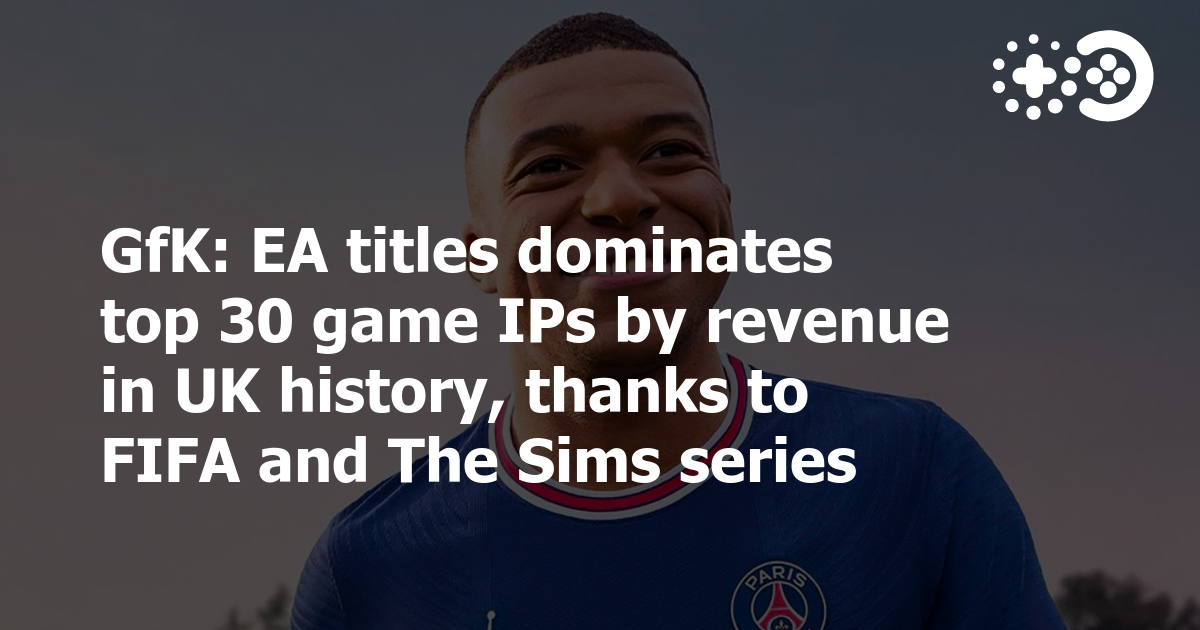
An analysis of the top 30 best-selling video game brands in the United Kingdom reveals that Electronic Arts holds a dominant position in the market.
- Electronic Arts is the leading publisher in the UK market, holding nine of the top 30 best-selling game franchises by revenue.
- The top 30 best-selling video game brands in the UK have generated a combined $34 billion in boxed sales revenue since 1995.
- The FIFA series ranks as the number one video game brand in UK history, with 50 titles released since 1993.

Cloud Gaming Is Being Sold as the Next Stage of Video Game Innovation, but Consumers Will Have the Last Word
Cloud gaming is frequently positioned as the next major evolution in video game innovation, yet its long-term success remains contingent on consumer preference rather than technological capability.
- Cloud gaming is projected to reach $12 billion in revenue by 2026, yet it will still account for only 6% of total consumer spending on video games.
- Technological barriers including network latency, capped data tariffs, and inconsistent connection speeds currently prevent cloud gaming from replacing traditional console or PC-based gaming.
- Microsoft is building a 'content, community, and cloud' ecosystem, evidenced by its acquisition of Activision Blizzard and the growth of Game Pass, which reached 25 million subscribers as of early 2022.
Gaming’s Great Convergence: The Influx of New Industry Actors Will Challenge Gaming’s Edge
The gaming industry is currently undergoing a significant transformation characterized by the convergence of traditional publishers, platform holders, and non-endemic corporate actors.
- Major US publishers including Take-Two, Activision Blizzard, and Electronic Arts have seen share prices increase eight-fold over the last decade, significantly outperforming the S&P 500.
- The industry faces a risk of creative stagnation as large conglomerates prioritize margin management and risk aversion over traditional innovation.
- Take-Two’s $13 billion acquisition of Zynga exemplifies a broader trend of established publishers diversifying their portfolios into mobile and transmedia markets.
Game Industry M&A in 2022
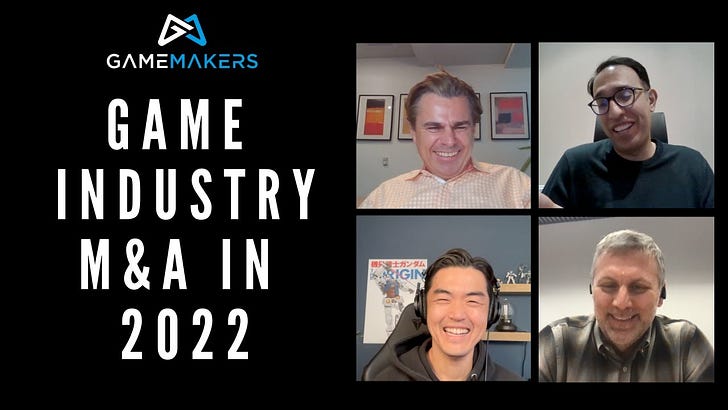
The video discussion examines the evolving landscape of mergers and acquisitions within the global video game industry as of early 2022.
- The game industry is experiencing a structural shift in M&A, moving away from mid-tier consolidation toward a bifurcated strategy focused on both larger-scale acquisitions and smaller-scale targets.
- High-profile industry consolidation, exemplified by Microsoft’s acquisition of Activision and Take-Two’s acquisition of Zynga, reflects the ongoing pressure on major companies to drive growth through M&A.
- The supply of 'easy' mid-tier acquisition targets has largely dried up after a five-year bull run in industry M&A activity.

Game Industry M&A in 2022 and Beyond! Miniclip, Drake Star Partners, & FunPlus Weigh In
The global gaming industry is undergoing a period of rapid, transformative consolidation, characterized by a shift toward platform-centric strategies and the pursuit of established intellectual property.
- The gaming industry is shifting toward a 'fewer, bigger, better' investment strategy, exemplified by major acquisitions like Microsoft’s purchase of Activision Blizzard and Take-Two’s acquisition of Zynga.
- Total deal values in the gaming sector are projected to reach $150 billion in 2022, though this growth is being tempered by cooling public markets and increased regulatory scrutiny.
- Rising user acquisition costs and mobile privacy changes are forcing companies to prioritize platform-centric strategies and the acquisition of established intellectual property.