
This analysis explores the philosophical and economic landscape of the emerging metaverse, contrasting its potential as a space for human connection with the current reality of corporate-driven digital storefronts. The primary thesis argues that the metaverse represents a critical "possibility space" where society can choose to either replicate the toxic, polarized structures of modern social media or build a new environment centered on unstructured play and collaborative negotiation.
The scope of the discussion covers the early 2022 period, focusing on the global technology and gaming sectors. Key observations include the underwhelming nature of early corporate metaverse experiments, such as those by Chipotle and Victoria’s Secret, which prioritize marketing over meaningful experience. Drawing on psychological and sociological theories, the text suggests that the success of a "better-verse" depends on its ability to foster social skill development through play rather than top-down corporate governance, particularly as the current consortium of builders lacks demographic diversity.
Beyond the metaverse, the analysis provides a snapshot of a cooling games market. Following pandemic-era highs, legacy publishers like Electronic Arts and Activision Blizzard are facing disappointing earnings due to production delays and a softening of consumer demand. This economic shift is driving industry consolidation as capital costs rise. Additionally, the report notes a downturn for Netflix, which is losing subscribers and investor confidence, forcing a pivot toward gaming and ad-supported tiers to combat market saturation and inflation. These trends suggest a broader transition period for the interactive entertainment industry as it moves away from pandemic-driven growth toward a more volatile, competitive environment.
SuperJoost · 2026

SuperJoost · 2026
SuperJoost · 2026
SuperJoost · 2026
SuperJoost · 2026
SuperJoost · 2026
SuperJoost · 2026

SuperJoost · 2026
SuperJoost · 2026
SuperJoost · 2026

SuperJoost · 2026
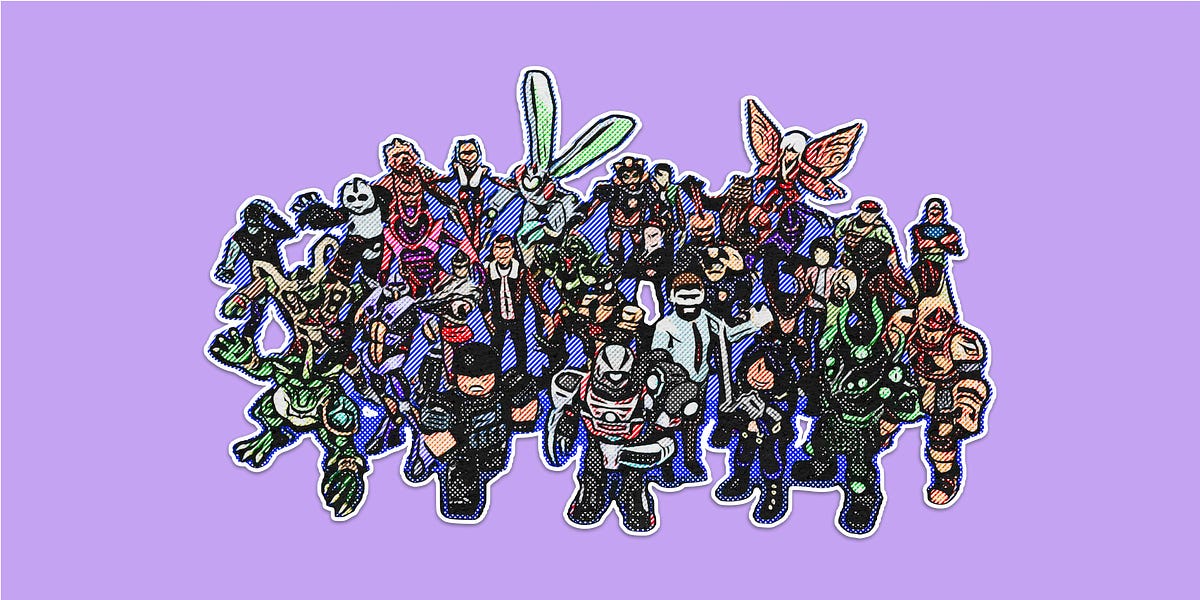
SuperJoost · 2026
Niko Partners · 2026
Bryter · 2026
GameAnalytics · 2026
Poki · 2026

Sensor Tower · 2026
Anzu · 2026
Newzoo · 2026
Poki · 2026
Newzoo · 2025
Sensor Tower · 2025
GameAnalytics · 2025

Newzoo · 2025