Activision
CompanyUnited States
Documents about Activision
Microsoft X Activision: UK Regulators Become the Terminator?
The primary focus of this analysis is the UK Competition & Markets Authority’s (CMA) decision to block Microsoft’s acquisition of Activision Blizzard.
- The UK Competition & Markets Authority blocked Microsoft’s acquisition of Activision Blizzard due to concerns that Microsoft would leverage its 60-70% share of the cloud gaming market to stifle future innovation.
- Microsoft’s appeal of the CMA decision is expected to take up to nine months, creating a significant barrier to further consolidation in the global gaming industry.
- Despite a record number of monthly active users, Microsoft reported a 30% year-over-year decline in Xbox hardware revenue during Q1 2023.
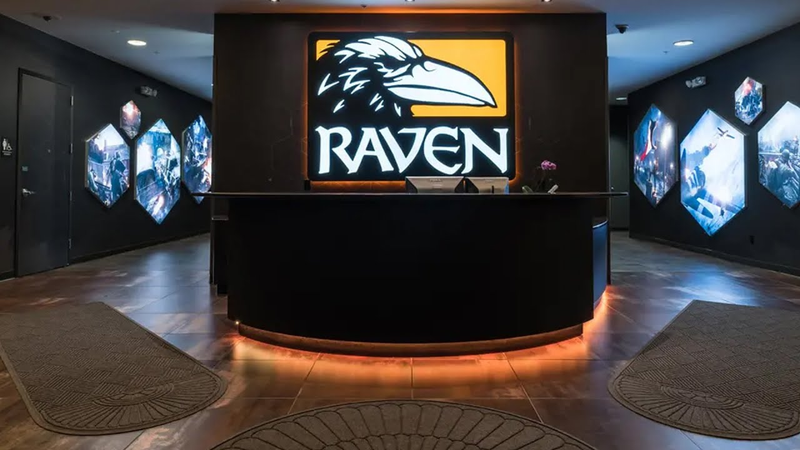
Raven QA are Unionizing | Games ReCAP
Quality assurance (QA) workers at Raven Software, a subsidiary of Activision Blizzard, have initiated a historic effort to form the first major North American video game industry union, known as the Game Workers Alliance.
- Raven Software QA workers have formed the Game Workers Alliance, marking the first major unionization effort in the North American video game industry.
- The organizing effort was triggered by a December 2021 strike following the non-renewal of contracts for several QA staff members.
- Activision Blizzard has countered unionization efforts by restructuring, including a 41% increase in minimum compensation for Raven QA staff and transitioning over 60% of temporary QA personnel to full-time roles.

two & a half gamers session #2 - UA & Creative trends 2022, Microsoft + ATVI, TOP10 gaming M&A
The gaming industry is currently undergoing a structural transformation defined by aggressive consolidation and a fundamental shift in user acquisition strategies.
- Microsoft’s $68.7 billion acquisition of Activision Blizzard marks a structural industry shift toward metaverse infrastructure and the consolidation of high-value intellectual property.
- Post-IDFA user acquisition strategies are shifting away from Facebook toward a diversified portfolio including TikTok, Google, and Unity to mitigate rising costs and declining performance.
- Developers are increasingly porting mobile titles to PC to reduce friction, expand revenue streams, and ensure sustainable growth beyond mobile-only ecosystems.

Come and Get Me
The gaming industry is currently experiencing a significant shift in sentiment regarding corporate independence, driven largely by the high-profile acquisition of Activision Blizzard by Microsoft.
- Ubisoft CEO Yves Guillemot has signaled openness to acquisition offers, marking a significant shift from his previous strategy of defending the company against hostile takeovers.
- PlatinumGames CEO Atsushi Inaba stated that the studio would not dismiss acquisition offers, provided that the company's creative freedom is respected.
- The ongoing industry consolidation trend has continued with Nacon’s $60 million acquisition of German developer Daedalic Entertainment.

The Cards Hold the Future: Some Things Change; Others Stay the Same
This analysis examines the intersection of traditional gaming, emerging revenue models, and the burgeoning market for digital collectibles.
- The North American collectible games market reached $2.9 billion in 2021, marking a 216% increase since 2014, while comic book and graphic novel sales grew 65% year-over-year to $2.1 billion.
- Long-term industry growth favors digital distribution and sustainable ownership models, exemplified by Take-Two’s successful transition to 88% digital bookings.
- Despite high digital engagement on platforms like Steam and Twitch, major publishers including Sony, Nintendo, and Activision Blizzard reported earnings below estimates during the 2021–2022 period.
Roundtable News | Acquistions & VR Failures | Episode 293
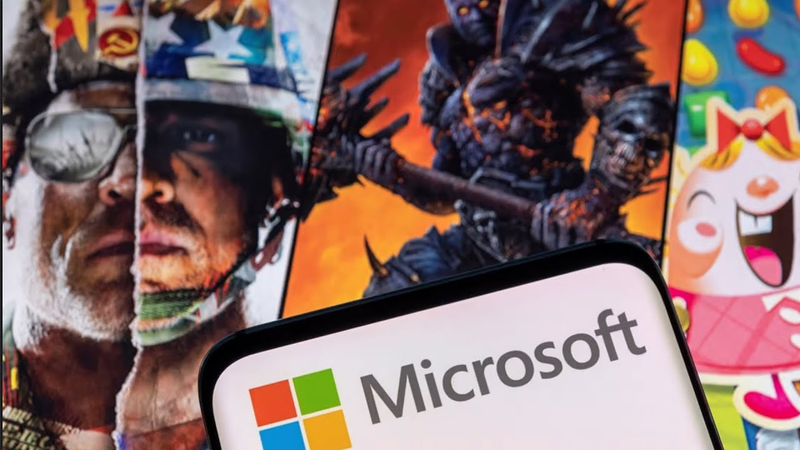
The gaming industry is currently undergoing a period of intense consolidation, characterized by multi-billion dollar acquisitions such as Microsoft’s purchase of Activision Blizzard and Sony’s acquisition of Bungie.
- Major industry consolidation, exemplified by Microsoft’s acquisition of Activision Blizzard and Sony’s purchase of Bungie, is driven by the need to secure intellectual property and expand capabilities in mobile and live-service gaming.
- Large gaming entities are prioritizing long-term ecosystem stability and subscription service growth over immediate financial returns to mitigate the impact of escalating development costs.
- Meta’s Reality Labs division has incurred massive financial losses, signaling a failure to achieve mass-market adoption for its metaverse strategy.

Capital Idea
The current wave of consolidation in the global video game industry, exemplified by Microsoft’s acquisition of Activision Blizzard, is unlikely to extend to the Japanese market.
- Microsoft is unlikely to acquire major Japanese game publishers like Capcom or Square Enix due to Japan's unique business culture and structural barriers to foreign investment.
- Japan ranked last out of 196 countries for foreign direct investment in 2019, trailing even North Korea.
- The 'keiretsu' business model, where Japanese firms maintain deep, cross-industry partnerships and mutual ownership, creates a protective environment that discourages outside acquisition.
Biggest Headlines of Last Year | Best of 2021 Part 3
The gaming industry in 2021 was defined by a tension between massive financial growth and significant structural instability.
- The Epic Games v. Apple legal proceedings revealed that Epic invested over $444 million into its PC store to challenge existing market structures.
- Financial data from the Epic v. Apple trial highlighted that console platforms like PlayStation and Xbox generated the vast majority of Fortnite revenue, dwarfing the earnings share from iOS.
- Activision Blizzard exemplified the industry's 2021 dichotomy, balancing robust financial performance from legacy and mobile franchises against severe internal cultural crises and talent attrition.

Tell Me More: Issue 92
The gaming industry experienced a period of intense consolidation and volatility in early 2022, characterized by high-profile acquisitions and shifting corporate strategies.
- Sony acquired Bungie for $3.6 billion to gain expertise in live-service game development, aiming to launch ten live-service titles by March 2026.
- Game industry M&A activity in January 2022 alone reached $85.4 billion, surpassing the total value of all deals announced in 2021.
- The FTC has signaled it will investigate Microsoft’s proposed acquisition of Activision Blizzard, indicating a more rigorous regulatory review process.
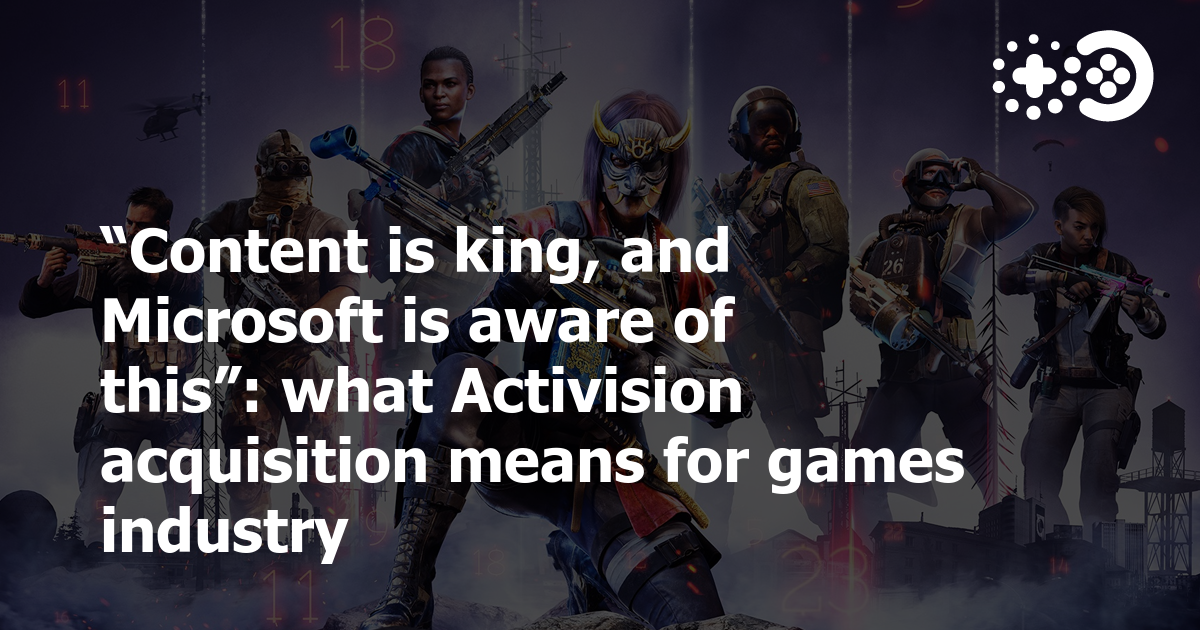
What the Activision Acquisition Means for the Games Industry
The $68.7 billion acquisition of Activision Blizzard by Microsoft represents a strategic pivot toward securing high-value intellectual property to dominate the emerging metaverse.
- Microsoft’s $68.7 billion acquisition of Activision Blizzard is a strategic move to secure high-quality intellectual property, such as Call of Duty and Candy Crush, to anchor its position in the emerging metaverse.
- While Activision titles will remain multi-platform in the short term due to existing contracts and development cycles, Microsoft intends to transition them into long-term Xbox exclusives to differentiate its brand and drive Game Pass subscriptions.
- The acquisition reflects a broader industry trend where consolidation accelerates ahead of new platform or technology shifts, as evidenced by Take-Two Interactive’s $12.7 billion purchase of Zynga occurring just weeks prior.

A Little Perspective
Microsoft’s recent financial results for the quarter ending December 31, 2021, provide critical context for the company’s aggressive acquisition of Activision Blizzard.
- Microsoft’s gaming revenue grew by only 8% in the quarter ending December 31, 2021, despite the full-quarter availability of the Xbox Series X and S consoles.
- Xbox hardware sales rose by just 4% year-on-year for the same quarter, a disappointing result given that the consoles were supply-constrained for most of the prior year's launch quarter.
- Microsoft’s $70 billion acquisition of Activision Blizzard is driven by a need to close a significant competitive gap, as Xbox continues to trail its rivals in both hardware market share and subscription scale.

Reasons to be Cheerful
The acquisition of Activision Blizzard by Microsoft for $68.7 billion represents a significant turning point for the industry, offering a potential path toward organizational reform and creative revitalization.
- Microsoft’s acquisition of Activision Blizzard for $68.7 billion will result in the immediate departure of CEO Bobby Kotick and a significant restructuring of the company's leadership and corporate culture.
- The acquisition provides an opportunity to move away from the 'hit factory' model that prioritized annual Call of Duty releases, potentially allowing support studios like Raven and Toys for Bob to pursue more creative projects.
- Blizzard is expected to shift away from strict milestone-driven development toward more patient, quality-focused production methods, similar to its historical approach during the development of titles like Overwatch.