The gaming industry is currently undergoing a significant transformation characterized by the convergence of traditional publishers, platform holders, and non-endemic corporate actors. This shift is driven by a decade of formidable financial growth, where major US publishers like Take-Two, Activision Blizzard, and Electronic Arts have seen share prices increase eight-fold, significantly outperforming the S&P 500. The primary thesis suggests that while this influx of capital and interest validates gaming’s mainstream status, it threatens to usher in an era of risk aversion and mediocrity as large conglomerates prioritize margin management over creative innovation.
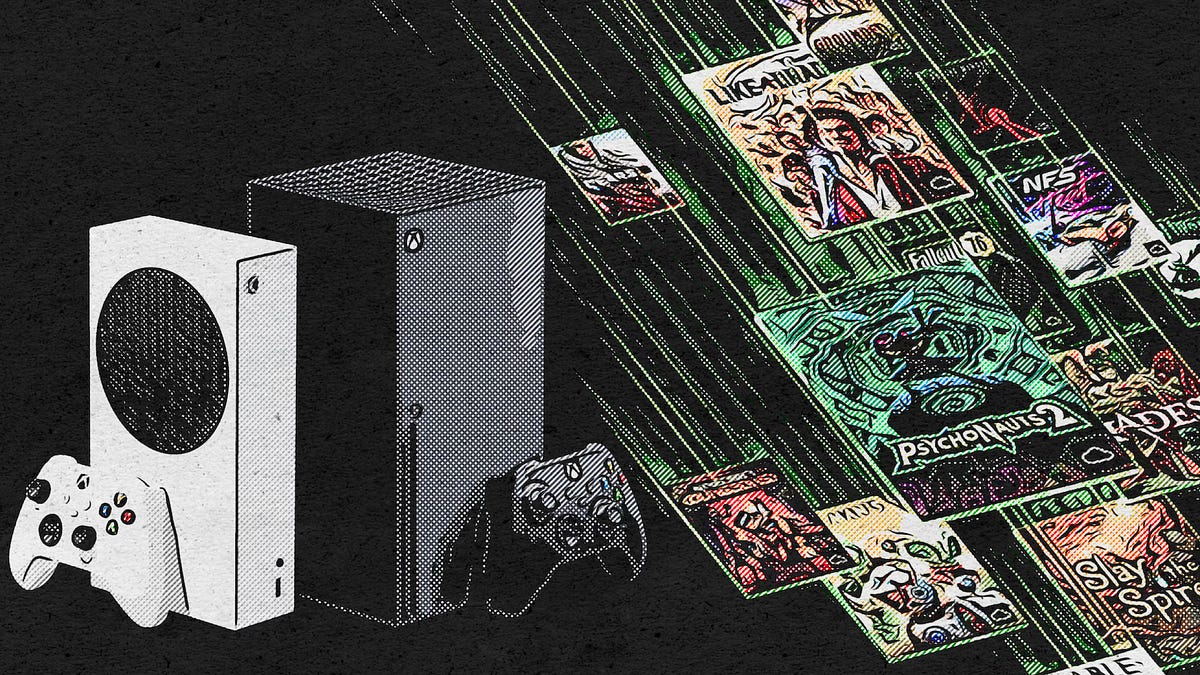
The landscape is being reshaped by three distinct groups. Established publishers are diversifying into mobile and transmedia, evidenced by Take-Two’s $13 billion acquisition of Zynga and various film adaptations. Simultaneously, platform holders like Microsoft and Apple are bulking up through massive acquisitions and service investments to insulate themselves from market volatility. Finally, non-endemic actors—including entertainment giants like Netflix, fashion labels, and blockchain startups—are entering the space to capture younger audiences and catalyze adoption for proprietary technologies.
Geographically, the analysis focuses on the US market and global tech giants, with brief forays into the hardware strategies of Valve and the paradoxical gaming culture of North Korea. The findings indicate that while market concentration remains relatively low due to the sheer volume of new entrants, the "dominant logic" of non-gaming parent companies may stifle the industry's traditional edge. The methodology relies on financial market data, recent M&A activity, and industry news to project a decade where the lines between platforms, publishers, and general entertainment ecosystems become increasingly blurred.