This analysis examines the Federal Trade Commission’s (FTC) legal challenge against Microsoft’s $69 billion acquisition of Activision Blizzard, concluding that the regulator is likely to lose the case due to a fundamental misunderstanding of the gaming industry. The assessment highlights how FTC litigators struggled with basic industry concepts, such as the distinction between first- and third-party publishing, while failing to prove a credible theory of harm. Furthermore, internal evidence from Sony suggested that even Microsoft’s primary competitor did not view the merger as a existential threat, undermining the FTC’s core arguments regarding anti-competitive behavior.
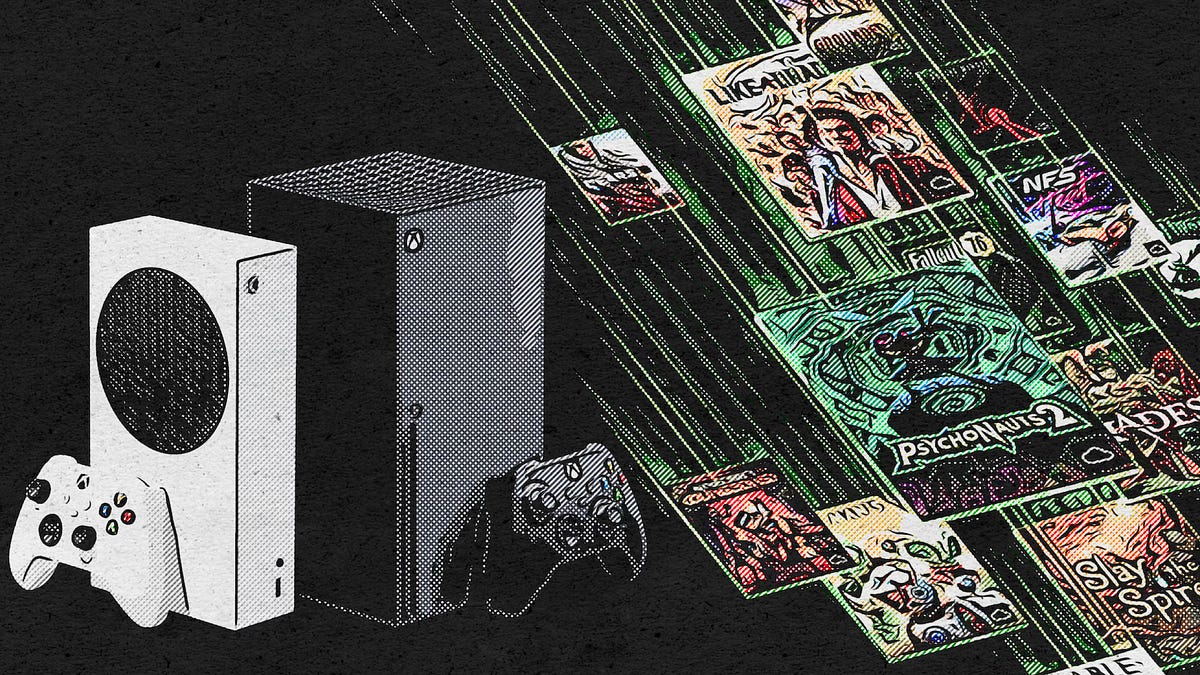
The scope of the analysis covers the United States regulatory environment during the 2023 trial period, with additional implications for the United Kingdom’s Competition & Markets Authority. It contrasts Microsoft’s strategic positioning—leveraging GamePass and mobile expansion—against historical precedents like AT&T’s acquisition of Time Warner, which failed to deliver promised consumer benefits. Data points cited include a long-term study of 268,350 M&A transactions showing that large deals often underperform the market, and Kellogg School of Management research indicating that employer concentration typically depresses wages unless mitigated by labor unions.
Ultimately, the findings suggest that while the FTC’s skepticism of "Big Tech" and its focus on labor rights are philosophically grounded, its aggressive, non-collaborative litigation strategy under Chair Lina Khan has led to a credibility crisis. The author concludes that a Microsoft victory is nearly certain, placing the onus on the tech giant to fulfill its pro-competitive promises while forcing the FTC to conduct a "post-mortem" on its regulatory methodology for digital platforms.