1 free read left. Create a free account for unlimited reading + AI research.
Create free accountArticle Sparkers
1 free read left. Create a free account for unlimited reading + AI research.
Create free accountArticleSparkers
Network latency, capped data tariffs, and inconsistent connection speeds are significant hurdles.
It's like trying to stream a movie with a slow internet connection; constant buffering makes it hard to enjoy.
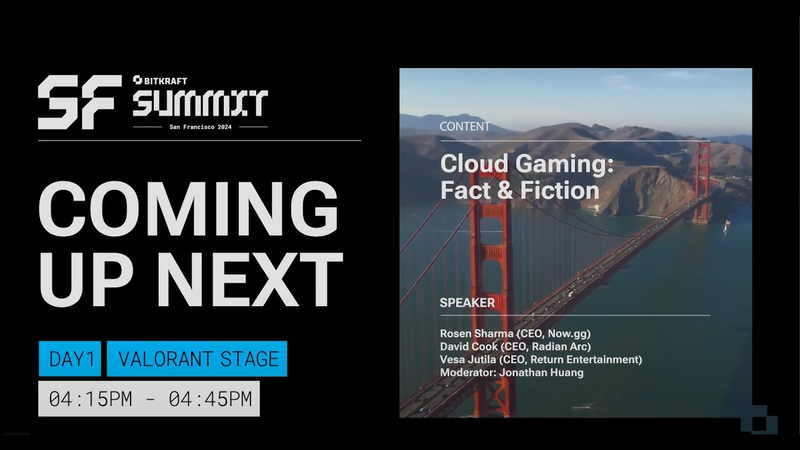
Cloud gaming is frequently positioned as the next major evolution in video game innovation, yet its long-term success remains contingent on consumer preference rather than technological capability. While industry giants are investing heavily in cloud infrastructure to support streaming services, the sector currently functions as a complement to, rather than a replacement for, traditional console and PC gaming. Despite the promise of accessibility and the mitigation of hardware storage constraints, cloud gaming faces significant hurdles, including network latency, data caps, and a persistent consumer preference for hardware ownership.
Market data underscores these challenges, with projections indicating that cloud gaming will account for only 6% of total consumer spending on video games by 2026, reaching a valuation of $12 billion. Although global internet infrastructure is expanding—with mobile speeds expected to rise significantly through 5G adoption and satellite initiatives like Starlink—technological improvements alone are unlikely to shift consumer behavior. The industry’s focus has shifted toward a trifecta of content, community, and cloud, as evidenced by Microsoft’s acquisition of Activision Blizzard and the evolution of subscription models like Game Pass.
Ultimately, the sector is defined by a tension between corporate infrastructure investment and the enduring demand for dedicated gaming hardware. Historical trends suggest that while new technologies often generate significant industry anticipation, they rarely displace established consumption habits unless they offer a superior value proposition. As long as gamers prioritize the ownership of physical or downloaded titles and dedicated consoles, cloud gaming will likely remain a secondary, albeit growing, segment of the broader entertainment market. The ultimate trajectory of the industry rests on whether future generations of players prioritize the convenience of streaming over the traditional model of local hardware ownership.
The games and companies this document names on the inner ring, other documents about them on the outer one. Select a cover to see it up close and open it in a new tab; drag to move, pinch or Ctrl + scroll to zoom.
Extra Credits · 2025