Activision
CompanyUnited States
Documents about Activision
GameMakers 2021 Drunk Awards Show
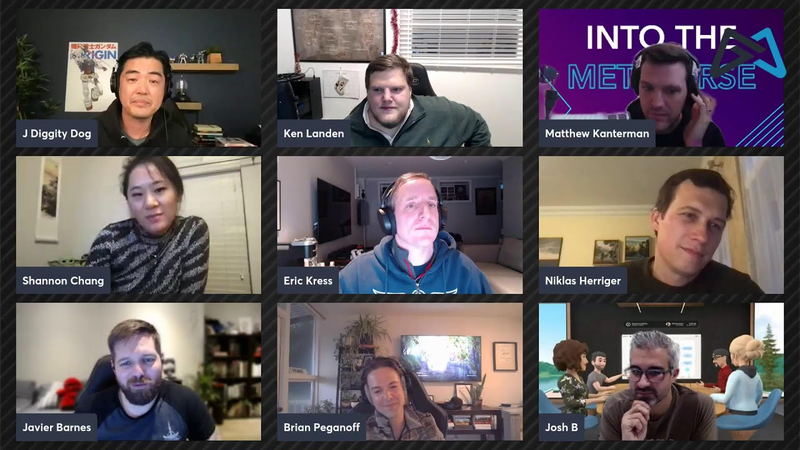
The year 2021 served as a transformative period for the global gaming industry, characterized by a stark divide between companies successfully navigating the metaverse and subscription-based models and those struggling with internal cultural crises and product execution. miHoYo emerged as a dominant force, with Genshin Impact…
- The legal battle between Apple and Epic Games emerged as the industry's most consequential event, signaling a long-term shift in the operational model of app store marketplaces.
- The deprecation of Apple’s IDFA forced a fundamental industry-wide pivot in user acquisition strategies, disrupting traditional mobile marketing models.
- miHoYo’s Genshin Impact established a new benchmark for revenue efficiency and global engagement, while Roblox solidified its metaverse leadership through strong stock performance and brand integration.
Balance Your Game’s Monetisation Mix for Greater Retention
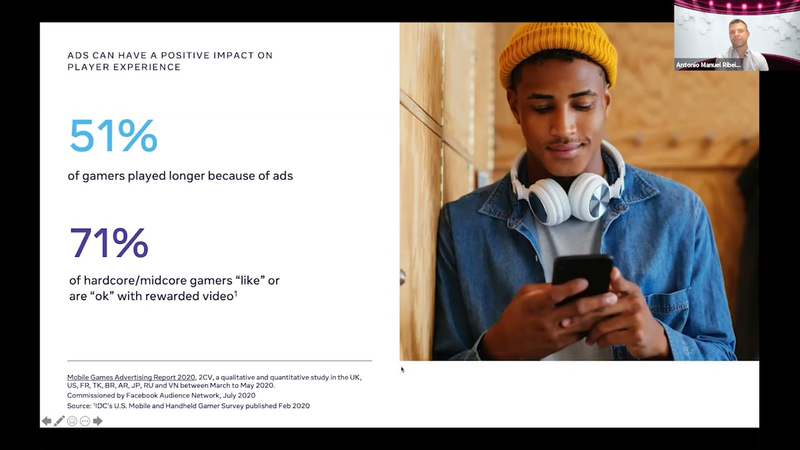
A hybrid monetization strategy that integrates in-app purchases with in-app advertising is essential for maximizing both player retention and long-term revenue.
- A hybrid monetization model combining in-app purchases (IAP) and in-app advertising is necessary because only approximately 5% of a typical player base engages with direct sales.
- Diversified monetization strategies are driving a 17% year-over-year growth in industry revenue.
- Incorporating opt-in rewarded video allows developers to monetize the remaining 95% of non-paying users without cannibalizing existing IAP revenue.

Blizzard Under Fire | Roundtable News
Activision Blizzard currently faces a critical juncture defined by severe legal challenges and shareholder pressure stemming from allegations of systemic sexual harassment, workplace discrimination, and a pervasive toxic culture.
- Activision Blizzard, Riot Games, and Ubisoft are facing a systemic cultural crisis characterized by widespread allegations of sexual harassment and workplace discrimination.
- The industry’s reliance on opaque, negotiation-based compensation structures has created significant workforce resentment and perceived pay inequity.
- To mitigate internal instability and talent loss, gaming companies are being urged to implement standardized, merit-based pay scales and transparent salary ranges.
TWIG 131 | Apex Legends Mobile, Fortnite Leaks and $9B Rev, Activision Q1 Results, JK Final Episode!
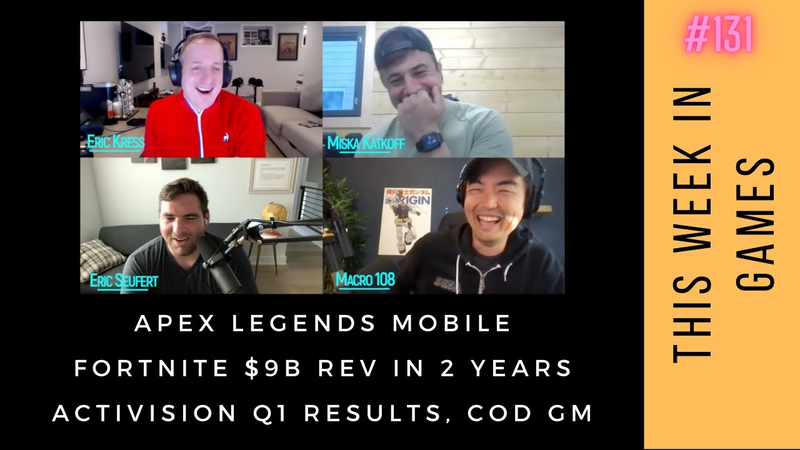
The gaming industry is currently navigating a period of significant structural and financial transition, characterized by aggressive investment strategies and shifting platform dynamics.
- Epic Games litigation revealed that Fortnite generated $9 billion in revenue between 2018 and 2019, with the PlayStation ecosystem accounting for 47% of that total.
- Mobile platforms continue to underperform in monetization and retention compared to consoles, casting doubt on the success of new mobile entries like Apex Legends Mobile.
- Apple’s IDFA opt-in prompts have seen a sluggish adoption rate of only 6–10%, creating ongoing challenges for mobile advertising measurement and monetization strategies.
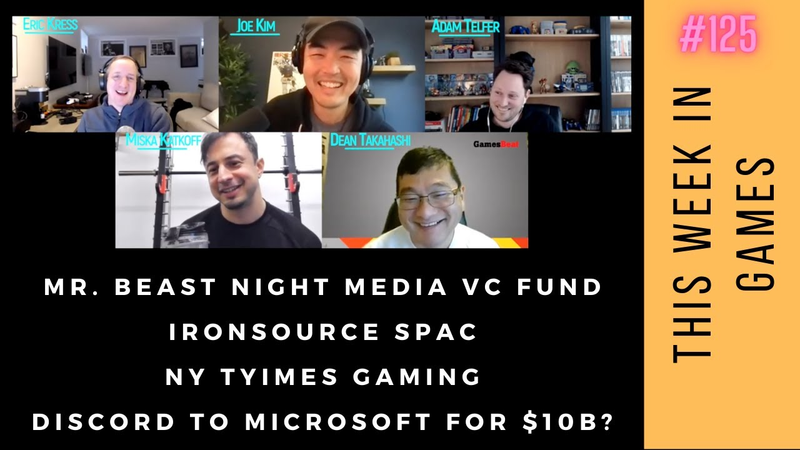
TWIG 125: Mr. Beast Night Media VC Fund, Ironsource SPAC, NY Times Gaming, Discord for $10B?
The gaming industry is currently defined by a rapid acceleration of consolidation, strategic shifts toward the creator economy, and a complex interplay between privacy regulations and valuation models.
- Tech giants are aggressively pursuing platform and IP consolidation, exemplified by ByteDance’s acquisition of Moonton and Microsoft’s potential $10 billion purchase of Discord.
- Discord faces significant investor skepticism regarding its long-term viability due to high burn rates and the absence of a clear, sustainable monetization strategy.
- Ad-tech firms like ironSource and AppLovin are rebranding as high-margin software platforms to maintain aggressive valuation multiples following the deprecation of IDFA and the implementation of App Tracking Transparency.
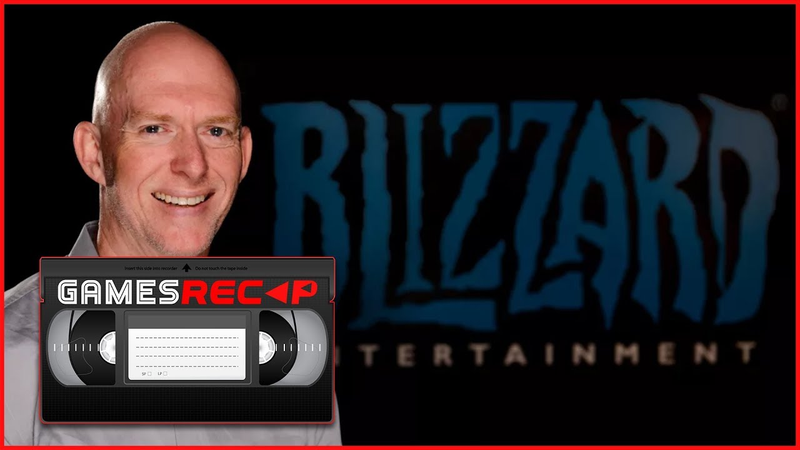
Frank Pearce Leaves Blizzard | Games ReCAP Episode 025
The departure of co-founder Frank Pearce marks the final exit of Blizzard Entertainment’s original leadership, signaling a definitive end to the company’s foundational era.
- The departure of co-founder Frank Pearce marks the final exit of Blizzard Entertainment’s original leadership, signaling the end of the company's foundational era.
- Blizzard’s post-merger integration with Activision has shifted the company toward aggressive monetization strategies, including microtransactions and a pivot to mobile-centric titles.
- Large-scale layoffs in marketing and community departments have damaged Blizzard’s reputation as a stable employer, raising concerns about the long-term impact on the Southern California game development ecosystem.

Call of Duty Kills Game Dev Work/Life Balance | Games ReCAP Episode 011
The annual release cycle of the Call of Duty franchise creates a systemic culture of burnout, characterized by prolonged periods of mandatory overtime and poor project management.
- The annual release cycle of the Call of Duty franchise forces development teams at studios like Treyarch into 18-month stretches of seven-day work weeks.
- Systemic reliance on mandatory overtime and poor project management has led to significant failures, such as the late-stage cancellation of the Black Ops 4 single-player campaign.
- High employee turnover caused by burnout results in a critical loss of institutional knowledge within major development studios.

The Business of a Video Game Concept Art Studio: Section Studios Tour
Section Studios, a Los Angeles-based art services firm, specializes in visual development, concept art, and pre-visualization for the video game and entertainment industries.
- Section Studios operates as a full-service production house providing visual development, concept art, and pre-visualization for major franchises including Riot Games' League of Legends, Activision's Call of Duty, and the God of War series.
- The studio is scaling its production capacity by shifting from a centralized Los Angeles model to a hybrid structure that utilizes satellite operations in the Philippines and Korea to improve cost-effectiveness.
- The firm manages a fluctuating headcount of 30 to 70 employees, allowing it to scale resources dynamically to meet the specific demands of large-scale game development and marketing projects.
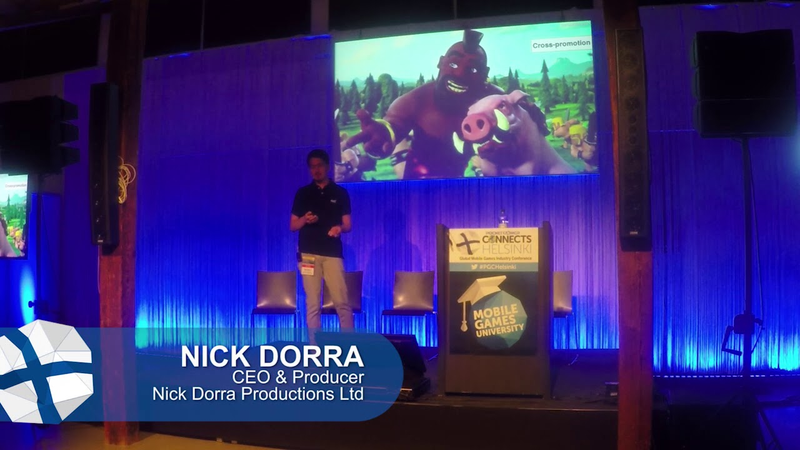
Emotional connections between your fans and your characters
Establishing emotional connections between game characters and players is a critical strategy for building brand loyalty, increasing player retention, and driving long-term commercial success.
- Building emotional connections between players and characters is a primary driver of brand loyalty, player retention, and long-term commercial success in a competitive market.
- Humanizing protagonists by introducing flaws is essential for character resonance, as flawless characters often fail to engage audiences.
- Successful narrative integration allows companies like Rovio, Supercell, and Activision to bridge gaps between game releases and expand into new geographic markets.
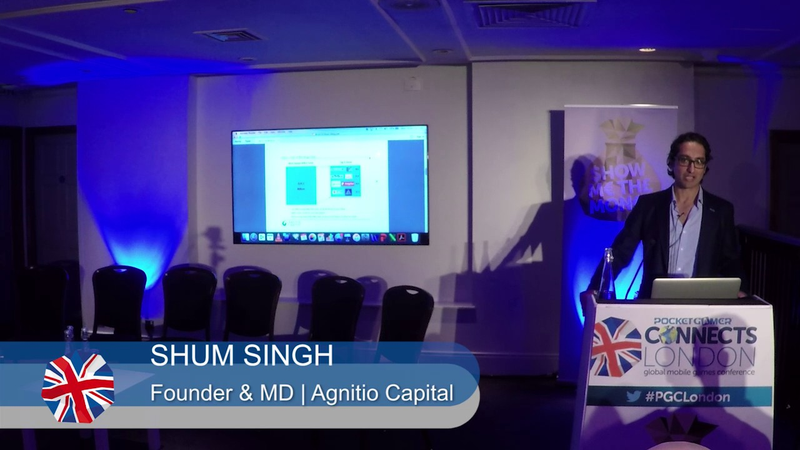
The current M&A market for games & predictions for 2017
The mergers and acquisitions landscape in the games industry experienced a record-breaking year in 2016, characterized by an unprecedented volume of mega-deals.
- The 2016 games industry M&A market reached a record $24.1 billion in disclosed deal value, nearly doubling the previous 2014 record of $12.5 billion.
- Four mega-deals, including Tencent’s acquisition of Supercell and Activision’s purchase of King, accounted for over 80% of the total 2016 market value.
- Market consolidation is being driven by a 'land grab' strategy where large publishers acquire studios to combat rising user acquisition costs and leverage live-ops capabilities.
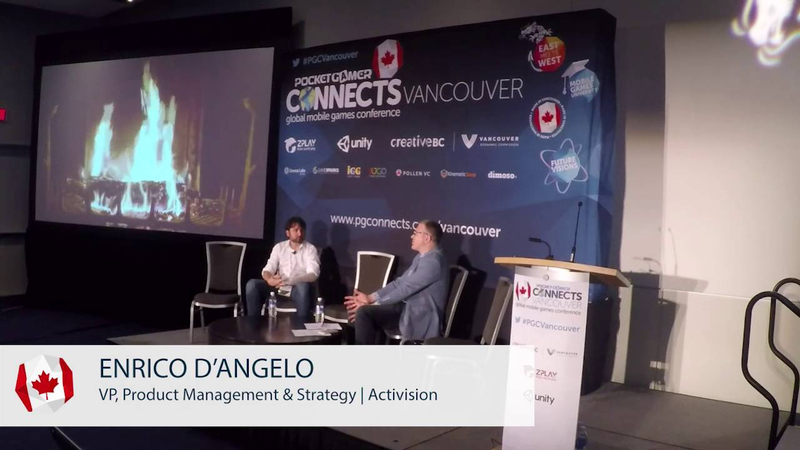
Why mobile gaming matters to Activision
Activision’s strategy for the mobile gaming market centers on leveraging its established triple-A franchises to engage existing communities across multiple platforms.
- Activision treats mobile as a primary, high-growth business segment that complements its console and PC operations rather than functioning as a secondary companion experience.
- The company’s mobile strategy centers on building titles from the ground up to suit platform-specific constraints and user preferences, explicitly avoiding simple ports of console content.
- Leveraging established triple-A franchises is a core tactic to mitigate the increasingly prohibitive costs of user acquisition in the mobile market.

LVP's Paul Heydon on investment, eSports, mobile MOBAs, and Europe's advantage
The mobile gaming investment landscape in 2016 is characterized by rapid growth, with mobile emerging as the fastest-expanding sector within the broader gaming industry.
- Europe is a net exporter of mobile gaming revenue, leveraging lower overhead costs and competitive salary structures compared to Silicon Valley to achieve superior capital efficiency and higher returns on investment.
- The mobile gaming sector is the fastest-expanding segment of the industry, driven by the successful monetization of mobile MOBAs like Clash Royale and the emergence of professional mobile eSports leagues for titles such as Vainglory.
- High-profile acquisitions, including the deals for Supercell and Activision-King, have validated the sector's profitability and are expected to fuel further reinvestment into game development.