User Acquisition reports and market data
Documents
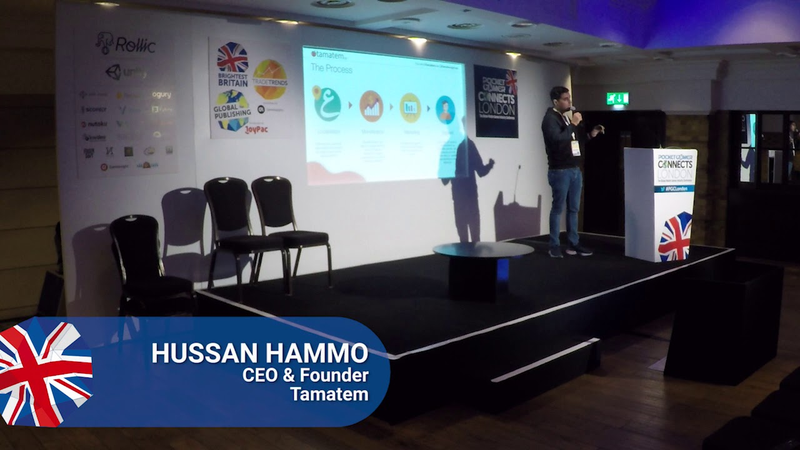
Mobile Gaming in the Arabic Speaking Market
The Arabic-speaking mobile gaming market represents a significant, high-growth opportunity characterized by a massive population of over 400 million speakers and a notable scarcity of localized content.
- The Arabic-speaking market offers high revenue potential, with Gulf nations like Saudi Arabia, Qatar, Kuwait, and Bahrain exhibiting an average revenue per paying user (ARPPU) that exceeds levels seen in China and the United States.
- Developers must prioritize in-app purchases over ad-based revenue, as in-app spending accounts for 80% of total revenue while ad payouts remain largely ineffective.
- While Android maintains the largest market share in the region, iOS devices generate the majority of total gaming revenue.
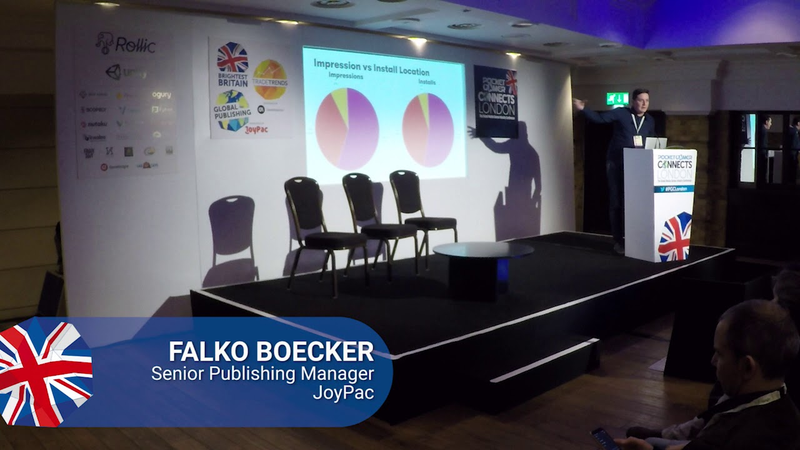
Superstar Session:Hitting Big Numbers:What Numbers Can & Cannot Tell You About Your Hypercasual Hits
Effective hypercasual game publishing relies on a disciplined approach to data analytics, moving beyond surface-level metrics to inform design and marketing decisions.
- Integrate tracking tools early in the development cycle to establish a robust historical dataset necessary for evaluating performance across diverse global regions.
- Use granular event tracking, such as tutorial drop-off rates, to identify specific friction points and refine game design rather than using data to justify pre-existing assumptions.
- Align monetization models with game structure by utilizing interstitial ads for level-based games and rewarded video integrations for endless titles with meta-game economies.

Game Discoverability Day: Free vs. Paid: Discoverability for Smaller Mobile Games
This analysis examines the discoverability and commercial viability of small-scale mobile games, contrasting the experiences of a solo developer navigating both paid and free-to-play (F2P) models.
- The mobile gaming market has shifted heavily toward free-to-play (F2P) models, relegating paid games to a niche status with significantly lower revenue ceilings.
- Paid games require consistent platform featuring to remain commercially viable, as they lack the long-term revenue potential of F2P titles.
- F2P games demand a complex, data-driven infrastructure including real-time stat tracking, ad integration, and sophisticated in-app purchase design.

UA Coffee: All About LTV (Life Time Value) and pROAS with Algolift
Predictive Lifetime Value and predictive Return on Ad Spend have emerged as critical metrics for mobile marketers navigating an increasingly competitive landscape defined by rising user acquisition costs.
- Mobile marketers are shifting from short-term metrics like Day 7 ROAS to long-term, user-level predictive modeling to improve bidding precision in auction-based environments.
- Machine learning-based projections for LTV and pROAS outperform traditional retention-curve models by ingesting historical data to account for temporal trends and anomalies.
- Predictive models should be utilized as directional tools for acquisition strategy rather than absolute predictors due to inherent market volatility and fluctuating costs.
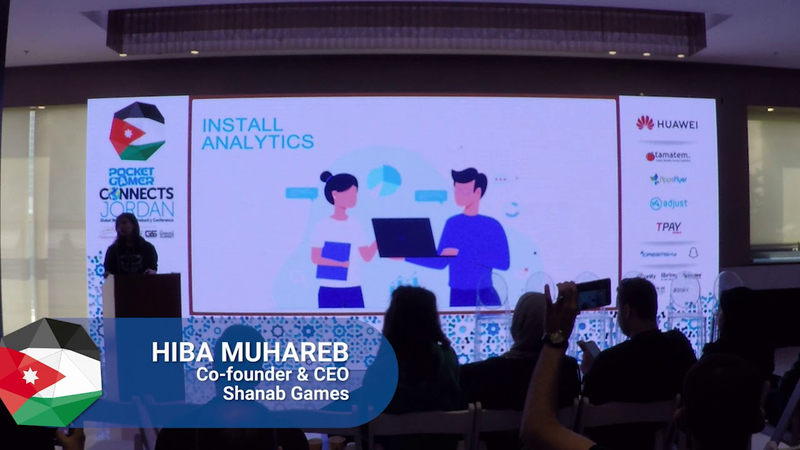
How to Sustain Organic Growth for Games in MENA
Organic growth serves as a critical indicator of a game’s long-term viability and market success, representing the ability to acquire users without paid marketing.
- Sustaining organic growth requires a multifaceted strategy integrating App Store Optimization (ASO), data-driven analytics, and proactive community engagement to reduce reliance on paid marketing.
- Developers should optimize technical assets, including icon naming conventions and screenshots, while utilizing keyword planners to align game visibility with current search trends.
- To maintain high store ratings, developers should provide dissatisfied users with private feedback channels to resolve issues before they manifest as negative public reviews.
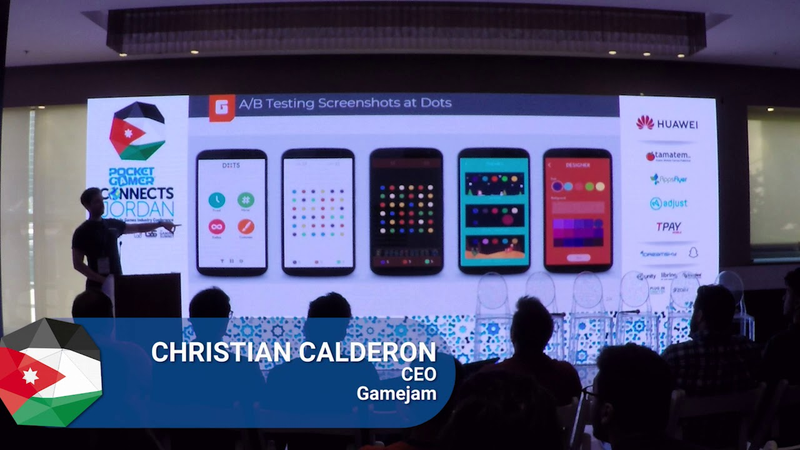
Growth in Hypercasual and Ad Monetisation
The hypercasual gaming sector has undergone a significant evolution, transitioning from premium pricing models (2007–2010) and freemium in-app purchase strategies (2012–2017) to an ad-driven monetization model.
- Manual waterfall setups for ad mediation consistently outperform automated or header-bidding configurations by fostering greater competition among ad networks.
- Maximizing ARPDAU requires setting specific price floors for ad impressions, as header bidding often results in lower CPMs when left to automated algorithms.
- Hypercasual growth is driven by balancing CPI and LTV, where CPI is optimized by improving CTR through creative testing and CVR through storefront asset refinement.

Community Driven Discoverability for Indies
Independent game developers face a challenging landscape defined by platform saturation and the increasing dominance of algorithmic curation.
- Driving external traffic to a store page is the primary lever for triggering algorithmic curation and visibility on platforms like Steam.
- Integrating social sharing features directly into gameplay, such as allowing players to export and share their creations, turns the game into a marketing tool that promotes itself organically.
- Catering to a specific niche or established community, such as the car enthusiast audience targeted by the game Automation, allows developers to tap into existing interest groups rather than building an audience from scratch.

Optimizing UA Budgets by D7 ROAS | UA Coffee Talk
The primary thesis of this discussion is that Day 7 Return on Ad Spend (D7 ROAS) is an insufficient and potentially misleading key performance indicator (KPI) when used in isolation to optimize user acquisition (UA) budgets.
- Relying exclusively on Day 7 (D7) ROAS for UA budget optimization is a strategic error that ignores long-term retention and varying payback windows across different user sources.
- Automated bidding models on platforms like Facebook and Google prioritize short-term ROAS, which can mask declining revenue curves that emerge after 60 days.
- A single, consolidated D7 ROAS target across all traffic sources leads to suboptimal budget allocation because it fails to account for the distinct monetization profiles of different channels, geographies, and platforms.

The Gamer's Brain, Part 2: UX of Onboarding and Player Engagement
Effective game design hinges on the application of cognitive science to manage the limited attentional and memory resources of the human brain.
- Free-to-play titles frequently lose 20 percent of their audience during the first hour of gameplay, making this window the most critical period for player retention.
- Human working memory is limited to processing approximately three items simultaneously, necessitating a design strategy that minimizes cognitive overload to prevent player churn.
- Onboarding should prioritize intuitive affordances and context-driven learning over dense, passive tutorials to allow players to master mechanics through practice rather than memorization.
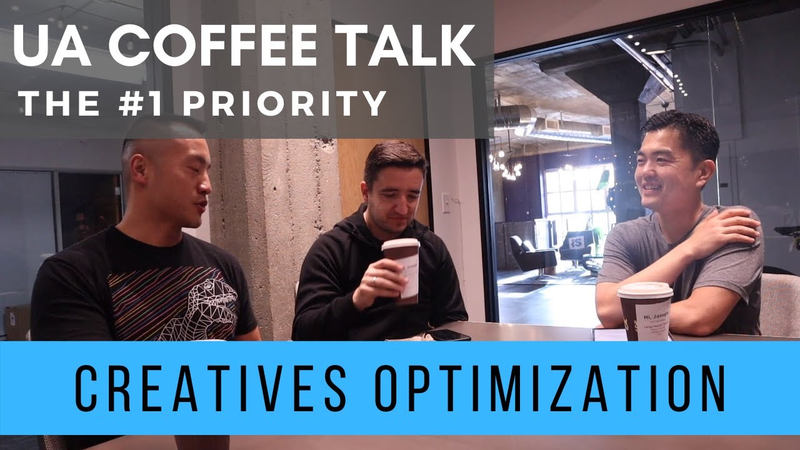
Mobile Marketing: How to Optimize UA Creatives | UA Coffee Talk
Mobile user acquisition has undergone a fundamental transformation, shifting away from granular audience targeting toward a reliance on creative assets as the primary driver of competitive advantage.
- Creative assets have replaced granular audience targeting as the primary driver of competitive advantage in mobile user acquisition due to the shift toward broad-targeting machine learning algorithms.
- Marketing and creative teams must adopt a collaborative, hypothesis-driven strategy that uses competitive intelligence to identify which specific game mechanics and themes resonate with target audiences.
- Success requires balancing front-end engagement metrics, such as click-through rates and installs per mille, with back-end performance indicators like retention and return on ad spend.

Game Discoverability Day: Paid Acquisition for Smartphone Games: A Scrappy, Practical Guide
Smartphone game developers can achieve sustainable growth by prioritizing Google Play as the primary platform for early-stage user acquisition.
- Prioritize Google Play for early-stage user acquisition to leverage organic reach, which can yield an organic-to-paid install ratio as high as 4:1.
- Execute aggressive paid acquisition during the first 30 days of release to capitalize on initial momentum and navigate platform-specific performance cycles.
- Use the open beta phase to optimize keyword density and marketing assets to secure Early Access featuring and improve conversion rates.
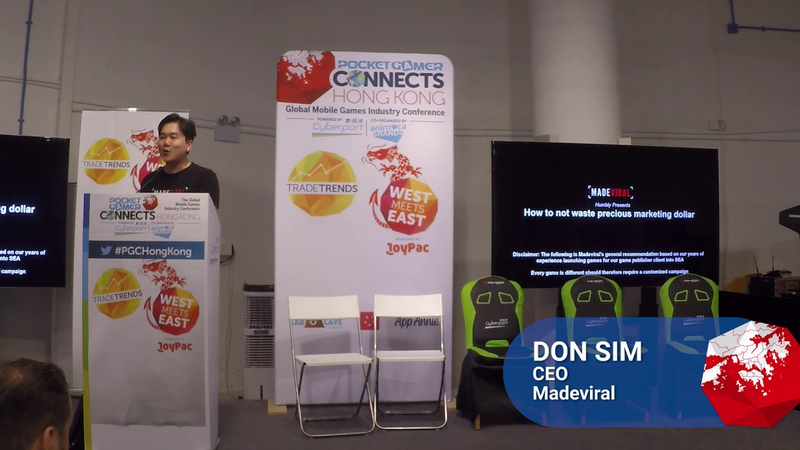
SEA Game Market Insights and How Not to Waste Your Precious Marketing Dollar
The Southeast Asian gaming market represents a significant growth opportunity, currently valued at approximately 3.3 billion USD with a projected year-over-year growth rate of 29.1 percent.
- The Southeast Asian gaming market is experiencing rapid expansion, with a 29.1 percent year-over-year growth rate and a projected valuation of 5.5 billion USD by 2022.
- Thailand, Vietnam, and Indonesia are the top revenue-generating countries in the region, though publishers must navigate a fragmented landscape defined by distinct languages and unique monetization behaviors like Vietnam's high volume of non-store transactions.
- Building a strong brand presence is a critical cost-saving strategy, as it can reduce user acquisition costs by up to five times compared to standard digital advertising by increasing consumer trust.