User Acquisition reports and market data
Documents
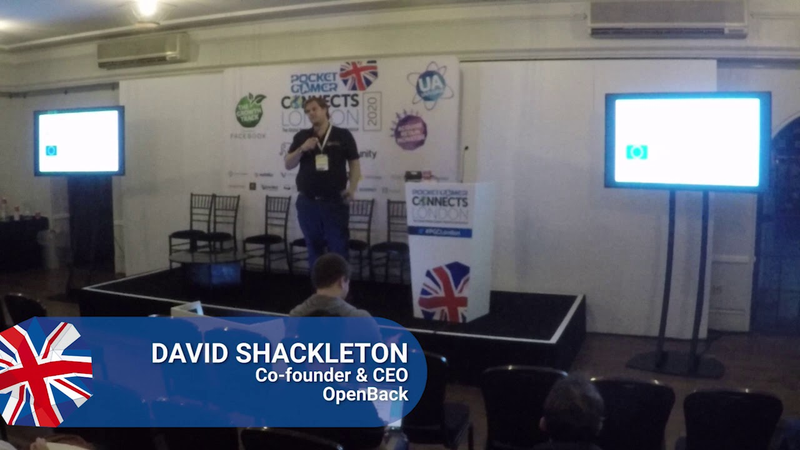
Privacy First! Mobile Engagement in the Fast Emerging New World
Mobile engagement strategies are currently undergoing a significant shift, moving away from traditional server-side push notifications toward on-device, edge-computing models.
- On-device edge computing solves data privacy compliance issues for GDPR, GDPR-K, and COPPA by keeping user data and unique identifiers on the device rather than transmitting them to the cloud.
- Push notifications should be treated as a core component of user experience, as 68% of user journeys for apps like Twitter begin with a notification.
- Moving notification logic to the device allows for real-time, context-aware delivery based on user behavior—such as device unlock patterns or charging status—rather than relying on server-side scheduling.
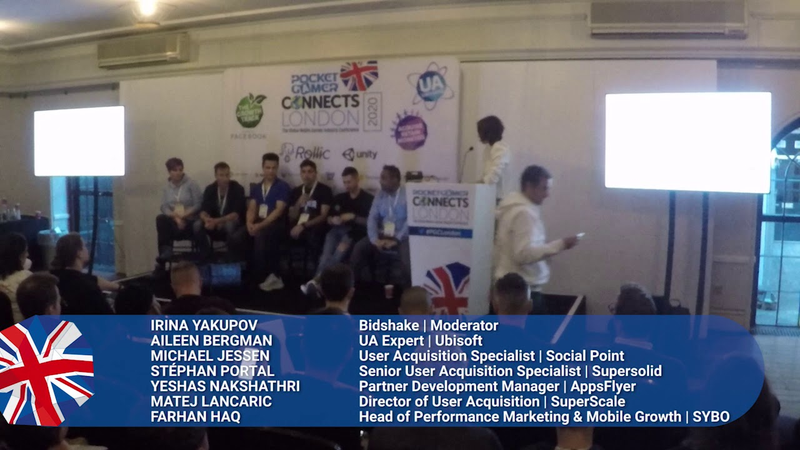
Panel: Leading Tactics in User Acquisition in 2020
Modern user acquisition strategies in the mobile gaming sector have shifted from manual, spreadsheet-heavy processes toward a sophisticated, data-driven discipline.
- User acquisition has transitioned from manual spreadsheet management to a data-driven discipline requiring automated reporting, predictive modeling, and robust data aggregation.
- Effective acquisition strategies now prioritize return on investment and impression-level performance metrics over simple cost-per-install data.
- Success relies on integrating App Store Optimization with granular creative tagging to deconstruct ad assets and identify specific drivers of conversion.
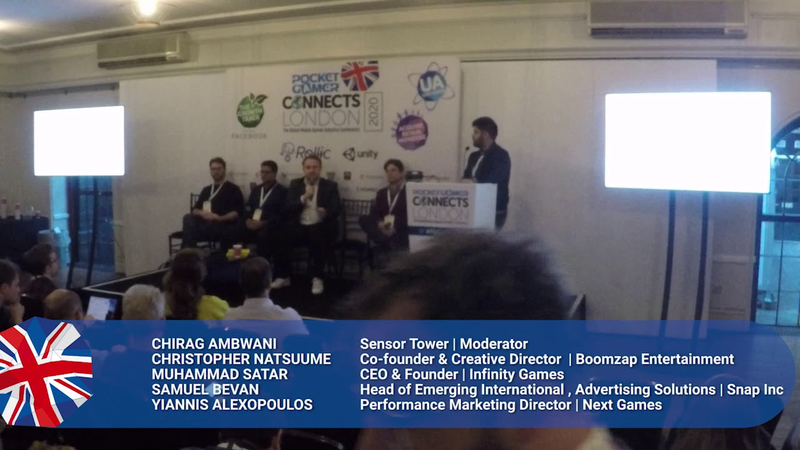
Panel: Tactics for Low CPI and High User Quality
Modern user acquisition strategies in the mobile gaming industry have shifted from prioritizing raw install volume to focusing on long-term Return on Ad Spend and high-quality user retention.
- User acquisition strategies have shifted from prioritizing raw install volume to focusing on long-term Return on Ad Spend (ROAS) and high-quality user retention.
- Creative assets must accurately reflect core gameplay to attract users likely to monetize, rather than relying on high-volume ads that generate low-intent clicks.
- Developers are reducing reliance on the Facebook and Google duopoly by diversifying into platforms like TikTok, Snapchat, and Reddit to achieve more precise targeting and lower costs per install.
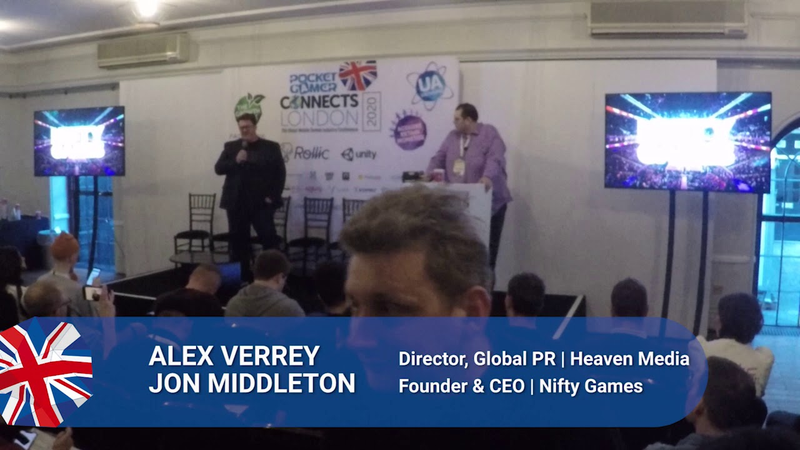
Fireside chat: Standing out as a New Mobile Publisher in a Crowded Marketplace
Nifty Games, a mobile-focused publisher, emphasizes a strategy of category-specific specialization to differentiate itself within the highly saturated mobile gaming market.
- Nifty Games differentiates itself in the crowded mobile market by focusing exclusively on quick-session, head-to-head sports games that leverage real-world sports events and communities for user acquisition.
- The company utilizes sports-based intellectual property to access pre-existing, passionate fan bases, which helps improve user acquisition rates, retention, and monetization compared to original, non-branded mobile IP.
- To mitigate risk and ensure a clear market position, the studio builds a slate of products around a consistent category focus rather than attempting to create disparate original IP titles.
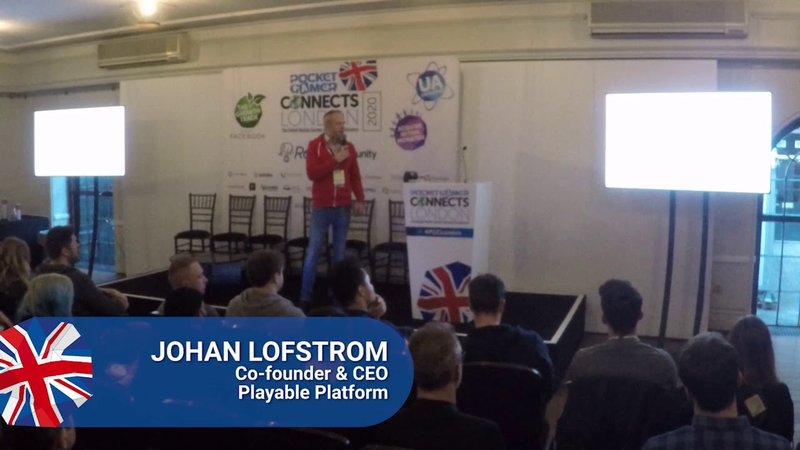
Extract Immense Value from Creative Optimisation
Creative optimization serves as a critical lever for user acquisition managers to improve campaign performance by increasing installs per mille (IPM).
- Creative optimization directly improves campaign performance by increasing installs per mille (IPM), which allows advertisers to win more network auctions or reduce costs while maintaining competitiveness.
- Automated, self-optimizing playable ads use machine learning to conduct real-time iterations of variables like animation speeds, color schemes, and end-cards without manual intervention.
- Shifting from manual A/B testing to automated systems enables rapid performance gains, with some campaigns achieving double-digit percentage increases in click-through rates and IPM within days.
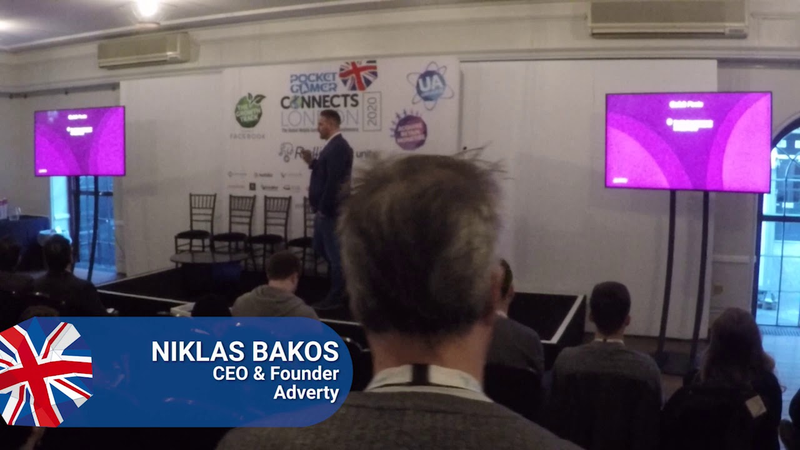
There's a New Ad Format in Town
The emergence of seamless in-game advertising represents a strategic shift in mobile and digital game monetization, moving away from intrusive, disruptive formats toward contextual, non-obstructive brand integration.
- Seamless in-game advertising allows for monetization of 100% of gameplay time by embedding non-intrusive ads directly into virtual environments like billboards.
- Testing across 40 million ad impressions in a AAA mobile title confirmed that this integration has no negative impact on user retention, daily active users, or app store ratings.
- There is a significant market disconnect where 70% of major brands' target audiences are reachable via gaming, yet only 5% of total ad spend is currently allocated to the channel.
One Country, One Language? How Custom Listing Pages can Change A/B Testing on Google Play
Custom listing pages on the Google Play Store offer a powerful, data-driven mechanism to refine conversion rate optimization (CRO) by decoupling language settings from geographic location.
- Developers should decouple language settings from geographic location, as users frequently consume content in languages that do not match their physical location.
- Relying on a single global store listing often fails to capture diverse international audiences, as evidenced by a mobile game case study where only 1% of the English-language user base was located in the United Kingdom, while the largest segment resided in India.
- Custom listing pages allow developers to tailor metadata and visual assets to specific regional preferences, preventing the dilution of A/B testing data caused by mixing disparate user behaviors.
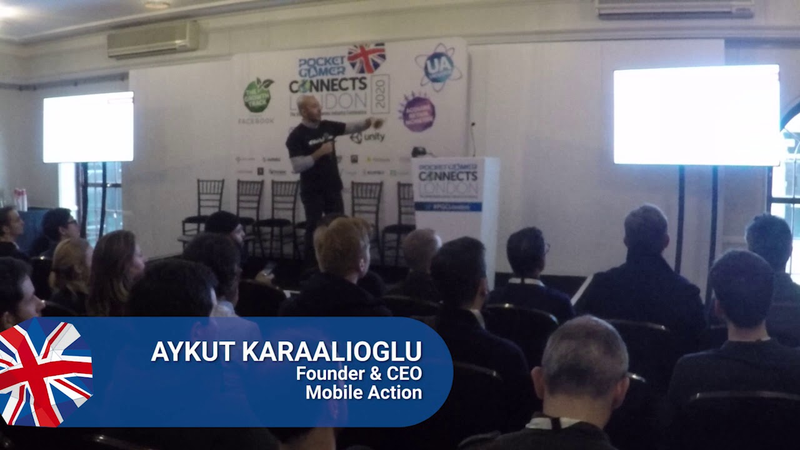
Hypercasual Games - A Complete Ad Strategy Analysis
The hypercasual gaming sector relies heavily on aggressive user acquisition and ad-based monetization to maintain visibility and achieve top-chart rankings.
- Hypercasual publishers must adopt a data-centric methodology, utilizing insights from over 5 million analyzed creatives to minimize trial-and-error in user acquisition.
- Top-tier publishers like Voodoo, Say Games, and Good Job maintain market dominance through rigorous A/B testing and competitive intelligence to optimize ad distribution.
- While video ads remain the primary format, playable ads are increasingly essential for driving conversions and differentiating titles in a crowded market.
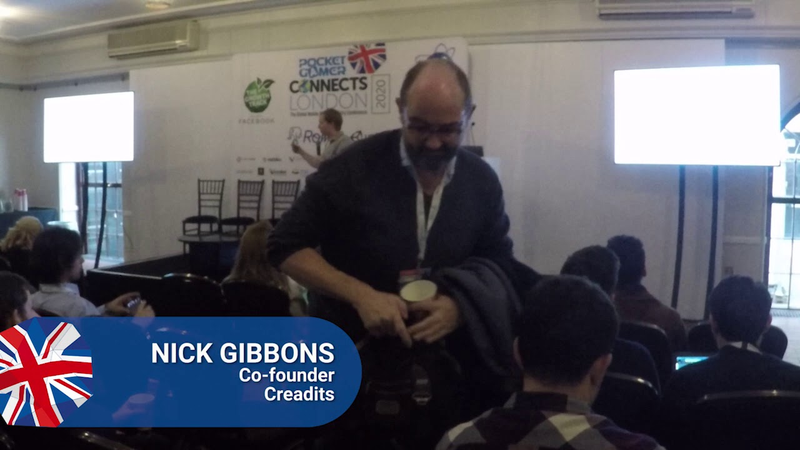
Creadits: Scaling Creative for User Acquisition
The primary objective of this presentation is to shift the focus of user acquisition strategies from mere creative optimization to creative maximization.
- Creative maximization must replace creative optimization to expand the total addressable market beyond core audiences and combat the performance degradation that occurs as mobile games scale.
- Modern ad platforms like Facebook and Google require high-volume creative assets to feed their automated backend segmentation algorithms, which struggle to find diverse user sub-segments when provided with limited content.
- Marketers should shift from basic look-alike modeling to mapping creative concepts directly to specific psychological drivers and gamer motivations.
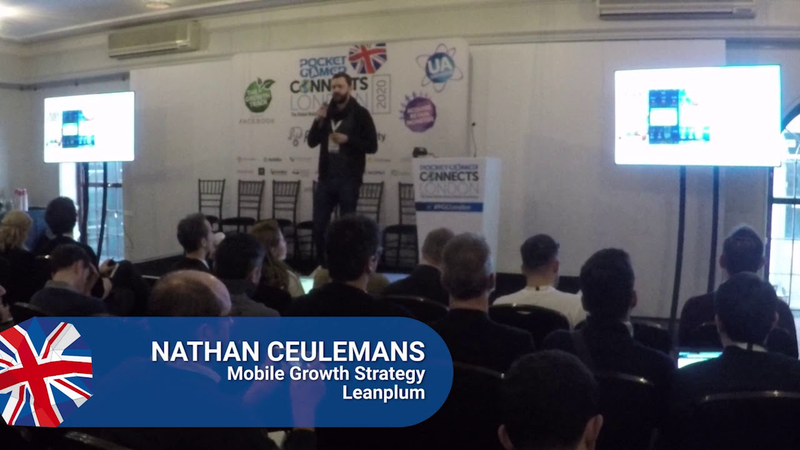
Speedrunning Mobile Growth - Three Tricks to Hack Retention & Revenue
Mobile game developers face significant challenges in user retention, with a majority of players abandoning apps by the first day.
- Integrate mobile measurement platforms, CRM tools, and customer data platforms into a single source of truth to accurately map user journeys and identify specific drop-off points.
- Delay push notification permission requests until after the user has experienced the app’s core value to improve upon the baseline 42% iOS opt-in rate.
- Utilize A/B testing on specific user segments for product changes like onboarding or avatar creation to validate improvements before executing a full-scale rollout.
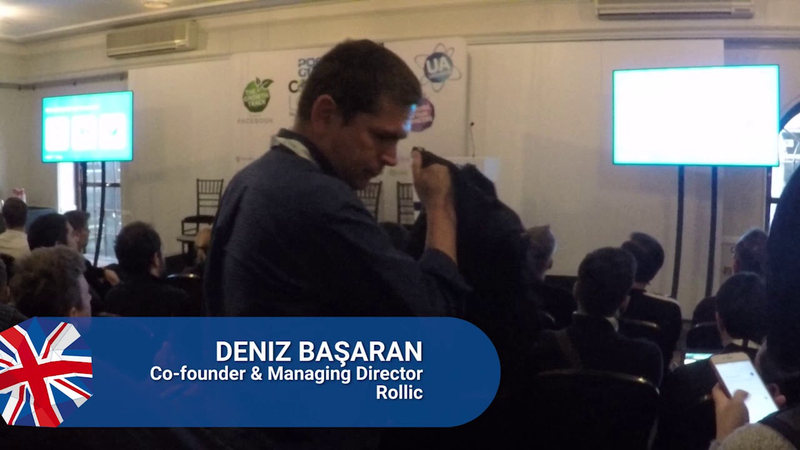
Building a Long-term Gaming App Business: Applying Lessons of the Past to Power Your Success
The mobile gaming industry has undergone a significant evolution since the inception of app stores, transitioning from a landscape defined by technical barriers and limited monetization options to a highly competitive, data-driven ecosystem.
- Success in modern mobile gaming relies on granular, impression-level revenue data, which enables real-time optimization of user acquisition and in-game economies at the individual user level.
- Hyper-casual developers maintain a competitive edge by testing hundreds of titles monthly to identify high-retention, low-cost acquisition opportunities.
- Operational efficiency is achieved through automated infrastructure, such as standardized waterfall setups and API-driven workflows, which minimize the human capital needed for daily tasks.

The Right Publishing Model for Ad Monetisation Games; Light Publishing
The publishing firm Avid.ly introduces a Light Publishing model designed to assist mobile game developers in navigating the complexities of global user acquisition and ad monetization.
- Avid.ly’s 'Light Publishing' model allows developers to retain full ownership of their brand and accounts while outsourcing technical infrastructure for user acquisition and ad monetization.
- By integrating user-level ad value data back into acquisition campaigns, partners can improve return on investment (ROI) by 10% to 40%.
- The model is built on the observation that a small percentage of users typically generate the majority of total ad revenue, necessitating granular optimization of ad logic and placement.