1 free read left. Create a free account for unlimited reading + AI research.
Create free account
Creadits: Scaling Creative for User Acquisition
Key insights
6 takeaways- 01Creative maximization must replace creative optimization to expand the total addressable market beyond core audiences and combat the performance degradation that occurs as mobile games scale.
- 02Creative production must function as an 'always-on' cycle of continuous testing and learning to overcome the diminishing returns caused by core audience saturation.
- 03Marketers should shift from basic look-alike modeling to mapping creative concepts directly to specific psychological drivers and gamer motivations.
- 04Successful user acquisition strategies treat creative as the primary targeting tool, deploying multiple distinct variants simultaneously to appeal to different player archetypes, such as casual versus core gamers.
- 05Testing diverse creative themes—such as mini-game mechanics versus narrative-driven storytelling—is essential to identifying which concepts resonate most effectively across different user segments.
- 06Modern ad platforms like Facebook and Google require high-volume creative assets to feed their automated backend segmentation algorithms, which struggle to find diverse user sub-segments when provided with limited content.
Ask AI about this video
Transcript
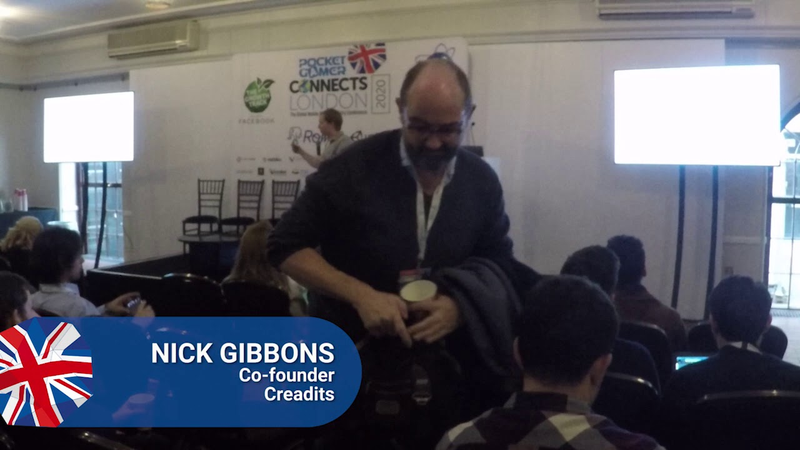
[Music] morning everybody I hope you having a good time or interesting time so far I am I'm gonna speak for probably about 10 12 minutes max about scaling user creative there's a lot more to talk about than that so if you want to come and chat to us in detail afterwards we just out the back here I I need to get I really need to get another photo done but I was a lot slimmer back then and I can't bring myself to I can't bring myself to update my photo with my you know my scare my scaled waistline but I was working I was working actually in the gaming team on with the gaming team
in Facebook in Singapore and left to start this company five or six years ago because all of my clients had creative issues ideation problems production problems localization problems you name it and over the years the amount of platforms the amount of placements the amount of formats the amount of competition the increase in media cost all of those kind of things is meant that it's become it's getting it's getting even more problematic today than it was back then the good news is that can be a competitive advantage for those who are nimble enough agile enough and think about the problem maybe slightly differently than others and I put in there my mom still doesn't understand what I do she when she tells her friends like what I do he says she says all Nick works on on the internet like I'm a like I'm a plumber or something you know just like tapping stuff cleaning the pipes making sure everything runs well so I guess you guys have a lot to to thank me for so I always like to frame the
problem like this we I speak to I speak to marketing teams creative teams pretty much every day all year round and I haven't come across one company who's told me that they're happy 100% happy with their creative process their creative team their creative pipeline there's always something that they think they can improve and there's always some weak spots or area where they feel like they're being disrupted and it goes for big business small this medium business they all have different issues small businesses tend to be a bit quicker less guidelines can be a little bit more loose play fast and loose with some of the rules but don't have all the resources the big companies have more resource but often have a slower more drawn-out ideation sign off brand guideline adherence so on and so forth and then you get to the creative paradox part quote unquote which is the better you do the more you spend the
quicker your creative performance degrades so you need to build even more so it kind of only gets harder the bigger you get the better more the more you scale so having some way having some system to be able to scale that effectively and efficiently is is as super super important and I'm sure most of you all of you already know this I'm preaching to the choir in many respects but what I wanted to talk about today was optimization creative optimization versus creative maximization or to subtly different things but most people today when I speak to them are talking about creative optimizations so more formats more platforms more placements trying to optimize click-through rate conversion rate to improve or increase the revenue from their audiences and this is not easy this is this is quite hard to do it's it's kind of like being on a hamster wheel you're always trying to build more you're always trying to test more you're always trying to echo
up 0.1 percent click-through rate from that placement or try to talk or figure out if you can tweak in this Instagram story's placement to yield a bit more of a better conversion rate so on and so forth but typically this is just improving the performance from your core audiences this is just eking out those extra that extra revenue from the people who you're already targeting who's already kind of attracted to the game or you know a prevent optimization value based optimization target Rojas those kind of optimization algorithms kind of going after the same audience so what we try to work with our clients on in addition to this because this is super important is audience audience based creative targeting and this kind of sounds simple but not many people are doing it and not many people are doing it effectively so this is what we're talking about we talk about creative maximization increasing
the audience's that you're create is being delivered to to increase the total revenue total ROI or the incremental ROI incremental rows will decrease because the outside of your core audiences but you can attract more users increase total revenue by thinking slightly differently about how the creative speaks to different audiences and I'll come on to a few examples in in a bit by what I mean though this Semmy snazzy slide shows like formats and platforms but all of the different audiences and the incremental and I've made these numbers up and I've made these audiences up but this is just for illustrative purposes so many times we become very very narrow focused or very very we have very very fixed ideas of what the creative should look like or what other people are doing or what's worked in the past and that's all very very valid and as I say that kind of speaks to the creative optimization part
of the graph but creative maximization building building new narratives new creative new storylines to attract new users in new ways and if if you haven't seen the best example of this for me yeah in it currently is I think it's paleri M raid shadow shadow legends they have if you go through and look at all of their creative if you go through and look at all of the themes that they're doing they have and I know this because I downloaded the game a couple of months back and I've been targeted for years and never done it and I downloaded it because there was a really clever 3d execution with one of the characters kind of half live-action half 3d and I was very intrigued as to what the game might be after seeing that ad but I've been targeted with upgrade type creative influence to lead creative statics events for months and months and never given a second thought so I think that's a really good example of the kind of angles that we're thinking about
working on with our clients here so the three key key points is audience insight and again this all sounds very simple but oftentimes we overlook it what we mean by creative concepts invariants and then the automated optimization which many of you will be way more qualified to speak about than than I am but it's an important part of the puzzle so audience insights it's the photo again I really do have to change it but most people or up till now especially when I was at Facebook we think about the audience in like this like look-alike 1% likes this game like this page etcetera etc but actually humans are a lot more complex and if you ask my wife should tell you I'm very I'm very complicated person so I have I have many different emotions and motivations that are much more broad than just I like games don't like games have played an
RPG have not played an RPG have spent money in a strategy game have not so if you start to think about that when it comes to your creative strategy you can start to speak to people and sell these products and games in different ways classic marketing communications style funnels we have our own framework we call it the 16 quadrant framework many other people have different frameworks but this is just the way that we plot an ID a different creative styles different rating seems different stories for different audiences and this is ok we weren't allowed to say the name of the the client but this client has a an RPG game and they wanted to reach out to more hardcore strategy led sort of gamers and they wanted to also upsell casual gamers who've never tried this game this type of game before to show them it might be interesting or might be something else that they could could look at so we did we had some research from a company called Quantic foundry in Japan that came away with some gamer
motivations for us to start building these narratives on and we found out that motivations from casual and core gamers differ quite a lot and if you see here the percentages are what they care most about in games then we split that into male and female casual users core users so you can see on the far right hand side males may be stereotypically liked action across both genres of both cartridges of game core user female core users or want are interested in the mastery how to how to improve how to dominate and and females casual and cool also like immersion so they like the storytelling they like the the depths of the narrative of the creative something that really entices them draws them in and here's a little bit more detail there so the company that Quantic founder if you've never looked at any of their work you should go and check it out because they they have a lot of a lot of interesting insights into why people play these games and why they
started to play these games most importantly so then if you look into this the two core audiences of you know the two Quixote's of core game as casual gamers then split them into demographics then split them by geographies and then start to look at the elements that each of those want to see in the ads we start to build up a a template for how we're going to start to build these creative how are we going to start an this is before we've actually thought about what platforms is going on is it going to be a video is it going to be a playable is it going to be static whatever so we're thinking about how we're going to attract the attention how we're going to show the gameplay or are we going to show the gameplay or in what style and then a motivation specific approach to attract that user or get that user to actually take the action that we want them to do and then this is our 16 quadrants so we had the the axes can be whatever whatever we decide is most key or for this for each title and each each campaign this could be market specific
could be KPI specific could be platform specific and we start to plot out the different ideas on here to test and learn and then each one of those that we find become successful becomes its own 16 quadrant and we sort of peel the onion back and keep going keep going down to maximize the performance of each of those stories that we find work best so creative concerts and add variants different people mean different things when they talk about this so I just thought I'd clear up what what we mean when we say it this is in our platform when the ideas are presented to the to the final customer we have the concept here is using the mini games or using some of the many tasks within the game to kind of break it down and make this RPG game seem a little less intimidating to those casual users who might be put off by you know in-depth tutorial and so many things to do and lots of copying text so we broke down three different mini games
using different characters and different angles to see which one would work so the concept was mini game we had idea one Datsun glory idea to match for beauty idea three knife shooter all of those went out to be tested and came back with the results and then we find out whether minigame as a concept worked at all and if it did was it any of those characters or any of those storylines and yes or no depending on what was what happened yes or no then we go on to the next the next stage and the reason all this is super important and again this is something that you guys will know that or anybody who's doing user acquisition or marketing on today's digital platforms will know better than I is this is the way campaigns used to be set up and this was taken from a great site mobile dev memo for any of those for any of you who have seen this already I definitely recommend you if you haven't seen it to go and to go and check it out but on the left hand side was the way it used to be set up when I was working at Facebook this is how we used to set campaigns up
you'd have one creative or a couple of creative and then you would manually create the segments that you were going to target in this case men with an iPhone in the u.s. interested in soccer football nowadays the platforms don't allow you to manually segment they do the segmentation automatically for you as you as you well know but they're making hundreds if not thousands of segments in on the backend that you can't necessarily see and testing all of those creative against those segments so if you only have one or two creative concepts or variants being tested against all those many sub segments you're really losing the effectiveness and the efficiency of their algorithm to be able to test as granularly and optimize as grandly as possible so ideal the ideal state should be something like this which allows you to coming back to my original premise of the talk expanding the audience and therefore expanding the revenue you have much more coverage and much more ability to find different sub segments of users with all
of these different concepts and variants and if anything this slide is slightly simplified because there's a number of there's three six nine twelve variants of one creative concept but you should really be having two concepts three concept four concepts and write the way that Google are setting up the new ad groups within the Google app campaigns to allow you to test all of these different themes different thematic ad groups and then yeah back into the portfolio testing learning crossing stuff off trying new ideas always on again the hamster wheel perhaps the wheel approach to creative so in summary that's me audience based creative is key for revenue maximization not revenue optimization to multiple concepts and variations of each concept help you to take advantage of the auction and without a specific volume a threshold volume you can't maximize the automatically created segments on platforms like Google Facebook and and snap today that's me
come we're outside shameless plug if you want to come and talk to us about how we do this or see some more examples then we just out the back I don't even know where to start a lot of that is a bunch of work so I'm assuming that you're here so that you can I can offload some of that work to you that's the idea personally because I wouldn't know creative if you you know hit me around the face with it but the team does most of the team particularly the the approach to having multiple variants of a creative and understanding how the ad platform is actually going to test those and apply those to an audience just seems like a black box to me it is it is but but they are and the only way you can control it is by the creative so the creative becomes the audience in effect they will for it will heat seek its way to the most most optimized audience and
that's where the volume comes and that's why you have to have the volume and that's why element has to be consistent any other questions to set interesting thanks for sharing these insights just a quick question or what a typical budget that you put behind each test of the concept or of each particular creative that's a good question and not one that I am really that best place to do because we don't do that we don't do the buying or the testing it can be as low as 50 we have clients in in Asia that will they'll cut something off at like $25 for spend I think that's probably a little bit premature but it really depends on the size of the audience that sorry I can't be more specific there was another one back here somewhere perfect could you pass that down for me please thank you my questions are be related to that
question though so when you're testing that many variants how could you get like statistical significance on which ones work because like what we saw is that the more we test it the more money you needed to put to make statistically significant you know in sites on which creatives work again so we don't really control that with and there's there's probably quite a few people in the room who be able to answer your way better than I it depends on budgets depends on size of audience but we for Google I think the best practice is run it for ten days but you can't necessarily control the budget at a an asset level so you kind of hamstrung in terms of in terms of that other questions I I'm gonna need at least a couple hours to digest everything that I've learned here so I may come back here with questions a little bit later so easy
please find you at booth g12 just out here will I push you on the way out shameless plug for your plug yeah okay thank you very much we appreciate it hey welcome thank you [Music]
Summary
The primary objective of this presentation is to shift the focus of user acquisition strategies from mere creative optimization to creative maximization. While optimization focuses on refining existing assets to improve metrics like click-through rates within core audiences, maximization aims to expand the total addressable market by developing diverse creative narratives that appeal to broader, segmented user groups. The central thesis is that as mobile gaming companies scale, creative performance naturally degrades, necessitating a systematic, high-volume approach to creative production to maintain growth and effectively leverage the automated targeting algorithms of modern advertising platforms.
The methodology emphasizes a data-driven framework that utilizes audience insights—such as gamer motivations and demographic preferences—to inform creative development. By moving beyond basic look-alike modeling and instead mapping creative concepts to specific psychological drivers, marketers can create distinct ad variants that resonate with different player archetypes, such as casual versus core gamers. This approach requires a structured testing process where multiple concepts and variants are deployed simultaneously. This volume is essential because modern ad platforms, such as Facebook and Google, utilize automated backend segmentation; providing a limited number of creative assets prevents these algorithms from effectively finding and converting diverse sub-segments of users.
Key findings indicate that the most successful campaigns treat creative as the primary tool for audience targeting. By testing various themes—such as mini-game mechanics or narrative-driven storytelling—marketers can identify which concepts perform best across different segments. The presentation concludes that creative production must be an "always-on" process, functioning as a continuous cycle of testing and learning. This strategy allows companies to remain agile, overcome the diminishing returns of core audience saturation, and ultimately drive higher total revenue through broader audience reach.















Comments