1 free read left. Create a free account for unlimited reading + AI research.
Create free account
Speedrunning Mobile Growth - Three Tricks to Hack Retention & Revenue
Key insights
6 takeaways- 01Integrate mobile measurement platforms, CRM tools, and customer data platforms into a single source of truth to accurately map user journeys and identify specific drop-off points.
- 02Avoid site-wide product changes that risk alienating the player base, opting instead for risk-mitigated, data-driven experimentation.
- 03Utilize A/B testing on specific user segments for product changes like onboarding or avatar creation to validate improvements before executing a full-scale rollout.
- 04Replace generic re-engagement reminders with tangible incentives such as premium currency or voucher codes to transform notifications into value-add communications.
- 05Shift from reactive strategies to proactive, incentive-based engagement to address the high volume of first-day user abandonment.
- 06Delay push notification permission requests until after the user has experienced the app’s core value to improve upon the baseline 42% iOS opt-in rate.
Ask AI about this video
Transcript
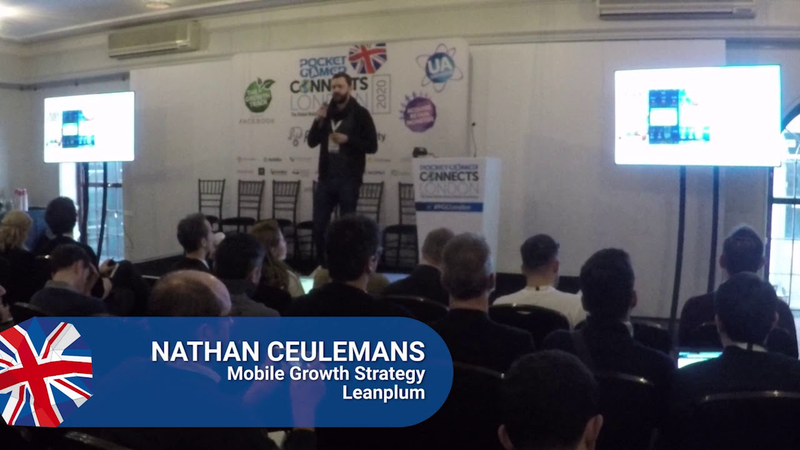
[Music] hi guys so I'm Nathan I work a lean plum what we do is really we focus on mobile growth for our clients and what that starts out with and this is really the part that I work on the most is kind of mapping the challenges that companies are having to reaching their retention especially so I wanted to start off that I've titled the speedrunning mobile growth but really there is no speed run to this and on top of that actual speed running is pretty difficult takes a lot of practice you may know that but either way I want you guys to be able to walk away from this session with three little tricks that you may be able to do today but you may also find that there's a couple of steps you need to have in place beforehand so
this is still the older version of my slides but either way it's not going to be fast nor easy and you may recognize the character here it's actually not the super easiest game but it is actually not going to be easy so I wanted to start off with a little paradigm that we call the leaky bucket now imagine that you have discovered that you have a bucket and it's got a leak how do you figure this out you see that it's leaky how do you identify where the leaks are how do you go about patching these leaves and finally how do you actually make your bucket better over time how do you ensure that you're using this bucket and getting the most out of it so this sounds pretty loose and vague but really it relates to the challenges all apps here having today so starting out with actually observing your bucket is really understanding where your data comes from where your collection of data is happening what different sources you're
using and how you're actually patching together one story from it to make it unified and reliable secondly if there's a hole in your bucket that means you have a drop-off in your retention how are you going to go about fixing it without relying on assumptions without just blindly trying a new product fix without trying a new marketing strategy that just is launched to everyone and finally if you've moved past just patching those buckets which is honestly just an ongoing process anyway but if you want to move that lets also focus on making it better let's focus on making your user acquisition efforts which we all know are pretty pricey stickier with ultimately better engagement and better ratings for your games so if we want to put it into actual real terms this is a model that's pretty common in marketing but really relates to the challenges that everyone's working including in product it's called the are so the pirate metrics sorry for the terrible
joke but really it just boils down into this is the kind of flow that every single user can expect to go through when they are encountering your app or your game ultimately down to hopefully reaching the phase of actually bringing in revenue but at every point in this funnel you'll identify some potential causes for drop-offs why are people not sticking around and paying money for my game and this can be for a variety of different reasons for instance why does someone not actually play your game after installing it they may not see the value of actually playing it they may it may have been recommended by someone else which means that your referral mechanism is working to some degree but your activation efforts are not and so the result of all of these drop-offs combining is that the majority of players actually abandon a mobile game by day one and this only gets worse over time now if we're going to focus on
what could be the causes of this one of the first is that you're working with a patchwork of different tools you may be working with limited tools you may be working with different tools saying different things and ultimately trying to put together the data collection and the actionability of that data is going to be an absolute hassle so if we're going to focus on solving this really I wanted to break this up into three main parts that each have a little bit of a trick that you can go away with today and try out the first is what like I said unifying that data and being able to build a reliable source of truth behind it secondly not just trying blindly not just changing up your game blindly but actually testing out against these drop offs that you found and thirdly and this is a really big one it's actually most
of what we do as a mobile engagement platform is engaging with your players rather than just hoping that they engage with your game so to take it back to this disjointed patchwork of solutions that are bringing in data we're to the point of your acquisition campaign saying that you're bringing in X many players every day your CRM saying the X many players actually start up your game every day down to your revenue revenue tracking showing that you know a completely different number of players are actually paying for it now if you have multiple different sources collecting the sort of information at every level you're going to want to be able to simplify to a single source of truth and integrate where you can and so what's most important here is being able to identify which of these which of these tools in each level can integrate and be that single source of true fat that point so for instance for
your acquisition campaigns you may want to look at your mobile market SR your mobile measurement platforms for your activation and retention campaigns you may want to look at your CRM is the single source of truth or even a customer data platform something like segment or in particle and down the line you may want to then rely on those sources of truths as also the the back end for collection I'm sorry collecting the data of how many people are paying for experiences how many ads are being seen so if we're going to focus on three main problems where we'll have three tricks the first one that I'd like to discuss with you about is push opt-ins now it's no secret that push notifications are seen as one of the most intrusive and annoying parts of game UX but in essence they remain a pretty essential part because it's one of the only ways that you can reach a player base outside of
them actually being in your app and so you essentially need to be able to focus on this or emails to be able to pull players back into the experience without the game actually doing so itself so if your percentage of opt-in rate is actually quite low then you've got a problem you don't have an available channel to reach your entire playerbase with so let's focus on lifting that up before your retention starts to fall apart so here's the first trick this is a pretty easy one it's called push pre permissions so everyone knows that if you have the default opt-in permissions the default ask for it will be presented right up front right when someone's just installed your game think about retooling that don't ask them right up front there they haven't seen the value of your game they don't understand why they should be trying it out and it might even hurt the fact that they need to still try the game they may already
be turned off from your game at that point what you want to do is wait until they've seen an experience or tried a level or received maybe even some premium currency at that point you may be a little bit more convinced that they're happy with your diamond they may want to try it out they may see the value for getting person notifications to remind them that maybe a competition is ongoing maybe their store is refreshed so at that point you can really positively impact your ability to reach people through push notifications afterwards if you've actually asked them for the rights to message them at a good moment now second problem is you found out that your bucket is leaky something's wrong you want to try a fix instead of just blindly trying changes introduce them to different parts that's that's a possibility here but either way
to take it back to the problem itself quietly introducing changes can really lead to some serious backlash especially on public forums where you can depend on this referral from the playerbase and that could be your lifeline to success so let's not damage that so this is what I was talking about this is that second trick instead of introducing changes of your game to the complete user base and split it up I split it up to a percentage of players split it up to certain segments that are lower risk or even segments that you are more confident about that you won't damage your total game reputation by just blindly introducing the fix so this is an example from IMVU one of our clients they found out that during onboarding when people were creating their avatar it wasn't necessarily given a sense of okay why am i doing this why what am I
expecting after this creation so they wanted to change it up and lift the retention over time so this was a test that they ran of testing different varieties of that avatar creation with a really well timed promotion of free currency right in the middle of that onboarding step and what that led to was actually that the average revenue per user doubled because users were getting a nice reminder of hey here's all the goodies that you can get after your after your avatar creation here's some premium currency that you can go and use to buy clothes or whatever so just timing this at the right moment sending it to the right segments and splitting out your tests to not just impact everyone blindly is already a pretty big step forward in being able to experiment much more quickly without introducing too much risk now here's a common problem as well and this is boiling back to that just
waiting for players to engage with your game rather than you engaging with them in turn this is most of the players as we go back to that a chart of retention dropping after day one they go through onboarding they may have tried the game one time and after that any sort of messaging that you're trying to do is really just hoping to reactivate them if you're even sending messaging at all so I've changed the the title of the slide and the in the newest version so I'll just explain it but really the third trick here is not just re engaging but it's reengage incentive give them something to come back free is something nobody's ever complained about so give someone maybe a little bit of premium currency a reminder that there's something ongoing a compelling event to draw them back instead of just saying hey we miss you so this is an example of
a company we work with via it's not in gaming but it is a mobility partner and what they did was really just send out a voucher code after seven days or 14 days of dormancy now this gets around that complaint of sending irrelevant and excessive push notifications and messaging in that you're really just packaging something quite nice for them it incentivizes them to come back and it doesn't necessarily impede your success because you're reaching out to players that are dormant anyhow so as the final kind of statement here mastering your bucket and fixing all those leaks doesn't have to be a risky thing doesn't have to be an effort that you shouldn't be making it definitely behooves to work on how you're engaging with your players work on how you're testing out product changes over time and addressing those
different channels that you're engaging players with before you focus on anything else and just as a little final statement so this is what lien plum also does for its clients we provide a platform that kind of integrates a whole number of different solutions including your MMPs including analytics platforms so that you have a better understanding of what's really going on within your app and how to engage with players and that's basically it for me Thank You Nathan fantastic guys we have questions for that hi do you have any benchmark of approval rates for push notification like opting in for push notification yeah actually if you'll go back to the slide itself
the figure is actually that at least on iOS only 42% of all app users opt in for push notifications and this is lifted significantly if you ask for that opt in at a point where you think that they're happier do you ever find that rewarding people who opt-in works well or do you find that they just opt in to get their award and then completely ignore everything you send honestly I think the former happens a lot more and yes what we've seen among our clients is that it definitely happens that if you have your opt-in that you're a reachable player if you reward players for that not just through you know relevant communication afterwards but actually giving them something for it then for sure their retention goes up multiple times I don't have the number on me but that's definitely the case fantastic couple
more questions for Nathan all right Nathan will you be around for some people can like absorb all this digested truck oh yeah I've got a question about you know an hour for now sure I'll be around please feel free to add me on LinkedIn or come hit me up and we can always talk [Applause] you [Music]
Summary
Mobile game developers face significant challenges in user retention, with a majority of players abandoning apps by the first day. To address these "leaky bucket" scenarios, developers must move beyond fragmented data collection and reactive strategies. The primary thesis is that sustainable growth requires a unified data strategy, risk-mitigated experimentation, and proactive, incentive-based player engagement.
The core methodology for improving retention involves three strategic interventions. First, developers should optimize push notification opt-in rates by delaying the permission request until the user has experienced the app’s value, rather than triggering the default prompt immediately upon installation. Data indicates that only 42% of iOS users opt in to push notifications by default, a figure that can be significantly improved through better timing. Second, developers must avoid blind, site-wide product changes that risk alienating the player base. Instead, they should utilize A/B testing on specific user segments to validate improvements—such as optimizing onboarding or avatar creation—before a full-scale rollout. This approach minimizes risk while allowing for data-driven iteration.
Finally, the strategy emphasizes moving from passive waiting to active re-engagement. Rather than sending generic reminders to dormant users, developers should provide tangible incentives, such as premium currency or voucher codes, to encourage return visits. This transforms communication from an intrusive annoyance into a value-add for the player. By integrating mobile measurement platforms, CRM tools, and customer data platforms into a single source of truth, developers can effectively map the user journey, identify specific points of drop-off, and implement these targeted retention tactics to improve long-term player engagement and revenue.




















Comments