1 free read left. Create a free account for unlimited reading + AI research.
Create free account
Hypercasual Games - A Complete Ad Strategy Analysis
Key insights
6 takeaways- 01Hypercasual publishers must adopt a data-centric methodology, utilizing insights from over 5 million analyzed creatives to minimize trial-and-error in user acquisition.
- 02Hypercasual publishers operate within a complex ecosystem where they act as both advertisers and ad networks, requiring deep analysis of competitor inventory and regional distribution.
- 03Top-tier publishers like Voodoo, Say Games, and Good Job maintain market dominance through rigorous A/B testing and competitive intelligence to optimize ad distribution.
- 04Successful creative strategies rely on high-impact visuals and simple UI, with performance optimized by monitoring historical campaign data, creative counts, and seasonal trends.
- 05While video ads remain the primary format, playable ads are increasingly essential for driving conversions and differentiating titles in a crowded market.
- 06Android platforms currently offer more robust environments for A/B testing and creative experimentation compared to iOS.
Ask AI about this video
Transcript
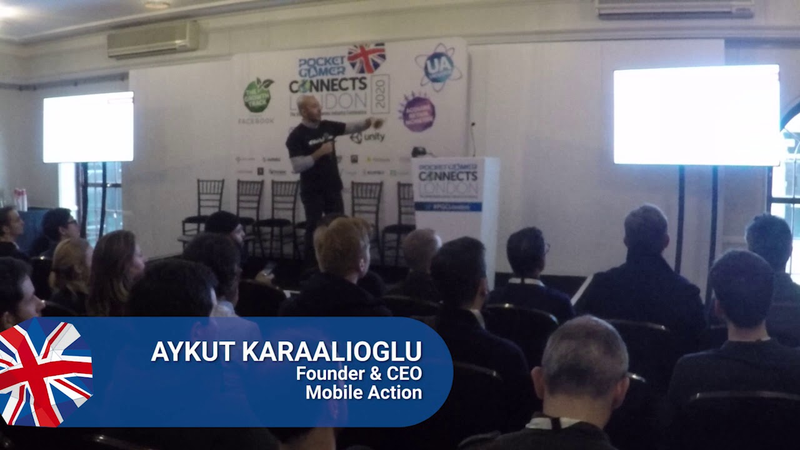
Oh, we have a full house. So, my name is Aykut and I came from San Francisco to meet you guys. Um yeah, I'm going to talk about the hyper-casual games. Before we start, um then this is a pretty much like the I have a five section. This is me and my I have a cool hair in that picture. I share with all of them today morning. So, um um the the company overall, um I want to chat what we do and how we come up to like, you know, why we're going to talk about the hyper-casual game because when we uh looking forward to like all the players in uh App Store in top charts in hyper-casual pretty much the dominant
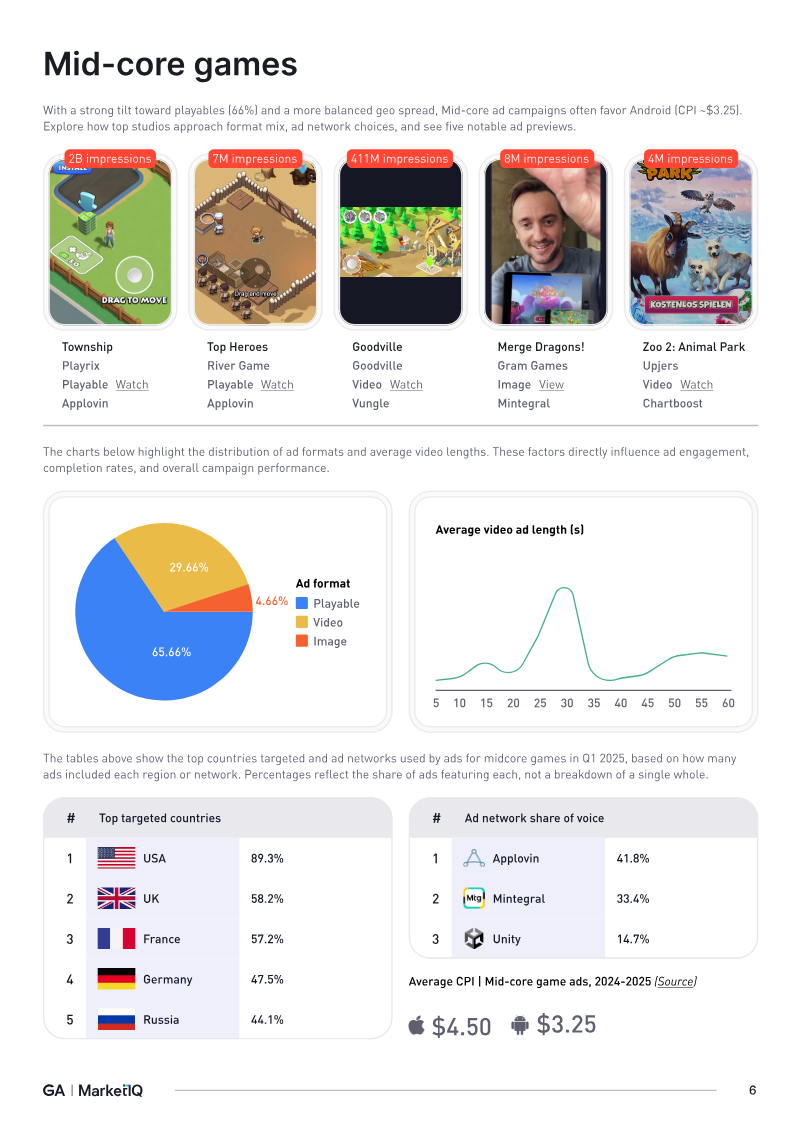
uh players uh pretty long time, but also in the mobile action itself, um we have various type of the clients and but most of most of the time, uh when we're seeing uh the hyper-casuals, um we have a pretty big data the coverage and around like a 5 million creatives and we adding like 100,000 unit playable and video and banner ads weekly. And most of the time like hyper-casuals, they're the top advertiser in the specific category. So, uh before we jump in here, uh I can talk a little bit about the the our technology. We do not just on only looking for the the hyper-casuals the top uh creative, we also have their top keywords, their ratings and reviews, which SDK they integrated, and what's the change of their app uh periodically. But today we want to focus uh top three
hyper casual players. And and then we just kind of like analyze what's their campaign look like. And this is our data coverage. So, I mean everybody probably they know what's what's happening in the hyper casual. The hyper casual their biggest revenue model is like just running ads and then monetize their app based on like their audience and more they hit the top charts, they have more visibility and then that makes like they can get more revenue. It's it's quite easy to build in hyper casual games, but if you want to be successful, you need to like have a great playbook and a lot of the big play publishers, they do a pretty good job. That's the reason they're very successful. And if you look at the um the game we analyze, we choose like top three publishers Voodoo, Say Games
and Good Job. It's over like 20 apps we look at it out of our 5 million creative data and almost 60,000 advertisers and we kind of found something interesting to share with you guys today. Um, as you can see, this is the average creative counts both iOS and and Android. It looks like average creative the counts are higher than App Store. And you can see active and then total. Why is interesting? Because I mean based on the their seasonality, you can able to see some of the app they they they spend money from specific ad network, but now they're not running, but what they run previously a couple months ago or some specific season, it might be helpful for you if you're launching a new game. You can able to see um average
active and total ratio. And it looks like Google Play is winning for this specific uh the publisher we chose because in Google Play you have more chance to do AB testing. And and and it's Android apps have more effective decorative usage. And this is also a very interesting data. And the ad publisher because I mean, not necessarily um one uh advertiser can be also the publisher, but the hyper-casual pretty much all the advertiser they're publisher, too. Their business model is just publishing the ads and they make the money. You can able to see Google Play has uh more publisher. And this is very interesting when you look at it like specific app, you can able to see their publisher, and then you can see where they're um distributing their their ads. Um sometimes, like if you really want to
own specific apps uh inventory, you can just directly reach out that uh publisher and and try to get that inventory. And this is very this one of the my favorite uh um the data to share. Now, you can see uh video, um image, and playable ads. Um this is top three uh creative we'll look at it. In App Store is like pretty much uh video is like uh the 60% and image is 28% at almost similar data, but App Store we see more playable. And and on Pipe, this the app we we choose from the Say Games, they have like more playable than the other the games we we chose. And then also the um the colors of from the Good Job Games, they have more uh video ad share. So, a specific app has a specific distribution, but knowing your
competitor's data and where they're running their ads, um and what's their the creative look like, that's can like save a lot of time for you. And this is the average total creative. Still, I mean we only like look at it uh around 5 million creative. Um yeah, they might I mean these guys might have some of the uh creative we kind of missed it, but overall the data we are sharing um and we want the people to more number oriented because they should see am I running too much ads for specific ad network or what is my average creative counts look like? Am I testing enough uh creative? You can able to understand these guys like I mean running um 200 plus creative overall. And if you compare like the Voodoo and the Good Job Games, pretty much um data's look like similar, but playable in Say Games is more than um the Voodoo
and Good Jobs. So, and either it they might have a internal team in doing it or they just might working like someone else. And a lot of people like right now asking me I could What do you think about uh specific region? Should we go for playable? Should we go to video? Should we go to ads? I say you should go both because pretty much um you don't know which ads is going to bring the um the more user. Still, and you're they're also the publisher, and they're making the all the revenue from the um running an ads in inside of their app. They're also testing it. Um yeah, this is like pretty much the breakdown. and Voodoo is like less creative. Uh I'm sorry, less uh at publisher. They're pretty much like uh choosing very strategically their um the publishers. And Good Job is almost in everywhere. All the app you you name it, they have an ad inside of it. Um
we look at the category ranking. That was I think December uh mid-December. And Voodoo is still has the best ranking. They have also like um pre- They're They They know what they're doing and they have a uh cross-promotion and everything. And you can see at December 16, Voodoo is like uh the category ranking, they were number uh fifth. I mean, yes, if you spend more money, uh you can just get more visibility and then it can also help to organic uplift. And the more user you you bought it on your um app, you have a better visibility. Um this is the category ranking. You can see like pretty much when the time they start when they launch the app and then all the peaks, you can't see that this category is in in other um the apps except hyper-casual because hyper-casual is like they come from somewhere from nowhere and then they just hit the top charts, they stay or they just like gone. Um I want to share like campaign
analysis because before we we here, we just kind of like share more uh the the benchmark data and then like comparing the top three. But you can see that's how we showing the um not just only the uh the creative breakdown, it's also the country breakdown. And then also what's their um ad network uh distribution. A- As you can see, this app is advertising and also publisher. And this is the run uh fun race. Let's go um They're using like very interesting uh title, epic fail race, just pushing the people more like, okay, just uh get them the sense of urgency and then download the app, and you can see that they're they're testing different title. Uh 2048, this is like the um another example, and I think we have a This is the video. I don't know are we going to hear the noise or not noise or
not, but this is pretty much are you to to 2048 2048 enough? It's challenging the players. You can see the country breakdown, too. I mean, it's it's what we say that is just just like copy your competitors' top creative. This is like very interesting example, Turbo Stars. I really like their um playable. I mean, I don't need to download app. I already see like what's happening. It's so clean, simple UI, and they use very effectively. And 3D effect makes it even more attractive. So, um just copy this what they did and then uh you run your ads if you're a hyper casual uh publisher. And takeaways, I think we have a um 5 minutes left. I mean, we always say that is like, you know, playables are now always it's a little bit takes time to build it up, and a lot of companies they don't have a um that much manpower to do it, but they
you should definitely take an advantage, and AB testing is I mean, it I don't need to say this is important. It's it's must. And and Android looks like, you know, ads more um option to do it, and you have more uh easy to way to figure out what's working and what's what's not working. And app publisher is this data is very interesting because if you know your competitors' top uh publishers, where their ad ads are seen. Uh it's it's good as advertiser perspective, also the publisher perspective. If you're a hyper-casual game and then you just want to make money it's just running ads. There's still in the way you can make money. For sure, uh you can able to see uh maybe you can win to that publisher and you can just build a relationship or you just go and chat and say, "You know what? This is like the um uh my my audience and do you want to do
you want to run your ads on my platform?" And titles and all the like um the breakdown, what's working, what's not working. We can also see like your competitors impression share. And that means like those guys they spend all their money and time to see the what's working instead of you try and test it, you can learn from your competitors. Uh that's all for me uh and I would do really want to um you guys to take an advantage. That's the reason why like we really wanted the everybody should be number oriented and data focused. We sell this one and you guys can use definitely the uh the promo code to get 30% off. But I really want to hear if you have any question, if you have anything to add it, please shoot me over. Any question? Please. What's the average Here you go. Here you go. Thank you. Um with a ad implementations, I'm I'm new to hyper-casual, not my
wheelhouse. What is the average revenue per user for one of the top games? I mean it's it's What's the benchmark? Uh we we we in our um breakdown we we have a the market numbers and benchmark. We don't show how much making they do. We only show like what's their the inventory, like where they running and then what's the ads they're inside. I get that. Yeah, so I mean I can't share that data because it's comp- each company has different numbers. Uh but I can say that this is definitely the on the revenue way the revenue they can generate it. So, they either can sell their inventory directly to the advertiser. And they sometimes they don't even do the like um typical industry numbers. They just deal with the that specifically that advertiser. Okay. And then second question uh chart you showed, you said they hit the top of the charts and that's that's uh for free-to-play downloads? I mean this this this is like pretty much top charts
during game category. So, I mean D- downloads, not revenue, is what I Yeah. This is downloads. Cool. Thanks. Thanks. Any other questions for Akoot? Hang on, I think I'll be right there. Oh. Thank you. Thanks. Just had a question about the your dashboard shows how your ads might com- compare to your competitors ads. And then you look at your competitor's ad there they're they're performing better. Uh what kind of things are you looking for to get sort of like an idea of why it's working? That's a great question. So, I'm pretty much is like we we're telling the companies like don't do the guesswork and just like uh look at your competitors or look at the you know the specific country or a specific ad network and you can see the top advertiser or publisher of that specific region. So, then then you can see what's what's the um trend line, what where the where the people's they're spending money's, and
what's the best practice look like, and your internal team or your UA team, they should just like um see that trend line and then they apply and they do the testing. But overall um yeah, millions of creatives already have been done those uh publisher and uh Uh, those advertiser and they have a like seasonality. Let's say if it is in the Christmas season 2019, it might be say that um, best exercise might be applicable in next year. You don't know, but if you have a historical data, at least you can see like what is the um, what what what is the market is like uh, best practice doing it. And for us is like we adding more ad networks. Now we have a TikTok, we adding Snapchat, we have a YouTube and the Instagram. We see so many like um, non uh, game companies using also the hypercasual's best practice because hypercasual has a good dynamic. It can be applicable for any
um, categories. Thank you. Uh, do we have any more questions? Time for one more. Uh, Seeing none, thank you very much for that. That was really good. I like that. Thank you. I'll be like all day in here and tomorrow in second floor. If you have any more question, please let me know. Well, it's really nice kind of breaking that down for how it works in hypercasual. Um, that that's really good data specific to to what we do. Thank you.
Summary
The hypercasual gaming sector relies heavily on aggressive user acquisition and ad-based monetization to maintain visibility and achieve top-chart rankings. Success in this category is driven by a data-centric approach to creative strategy, where publishers must balance video, image, and playable ad formats to maximize engagement. By analyzing over 5 million creatives and campaign metrics from major publishers like Voodoo, Say Games, and Good Job, it is evident that top-tier players utilize extensive A/B testing and competitive intelligence to refine their ad distribution across various networks.
Key findings indicate that Android platforms often provide more robust opportunities for A/B testing and effective creative usage compared to iOS. While video ads remain a dominant force, playable ads are increasingly vital for driving conversions, particularly for publishers looking to differentiate their titles. Furthermore, the data suggests that hypercasual publishers function as both advertisers and ad networks, creating a complex ecosystem where understanding a competitor’s publisher inventory and regional ad distribution is essential for optimizing one's own acquisition strategy.
The analysis emphasizes that rather than relying on guesswork, developers should leverage historical campaign data and competitor benchmarks to identify effective creative trends and seasonality. By monitoring metrics such as creative counts, ad network distribution, and regional performance, publishers can significantly reduce the time spent on trial-and-error. Ultimately, the industry trend favors a data-driven methodology where developers treat their UA efforts as a continuous testing cycle, adopting successful creative practices—such as clear, simple UI and high-impact visuals—to capture user attention in a highly competitive market.