Serious Games reports and market data
Documents
Using In-game Analytics to Explore Learning Dynamics of Information Literacy in a Social Media Simulator
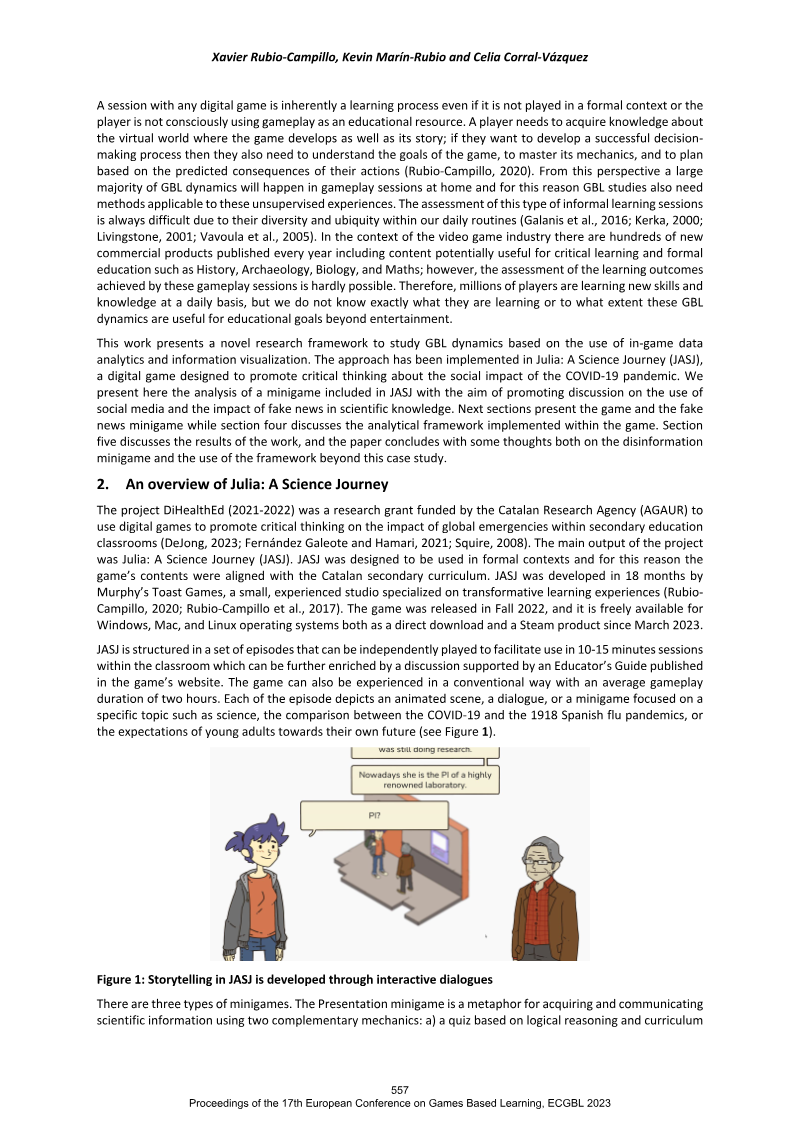
This study presents an in-game analytics framework for evaluating how players learn to identify fake news within Quacker, a social media simulator embedded in the educational video game Julia: A Science Journey.
- The study introduces an in-game analytics framework, built on Unity Analytics logging, to track how players reason through fake-news detection inside the Quacker social media simulator in the game Julia: A Science Journey, arguing that surveys and focus groups miss the non-linear learning dynamics of play.
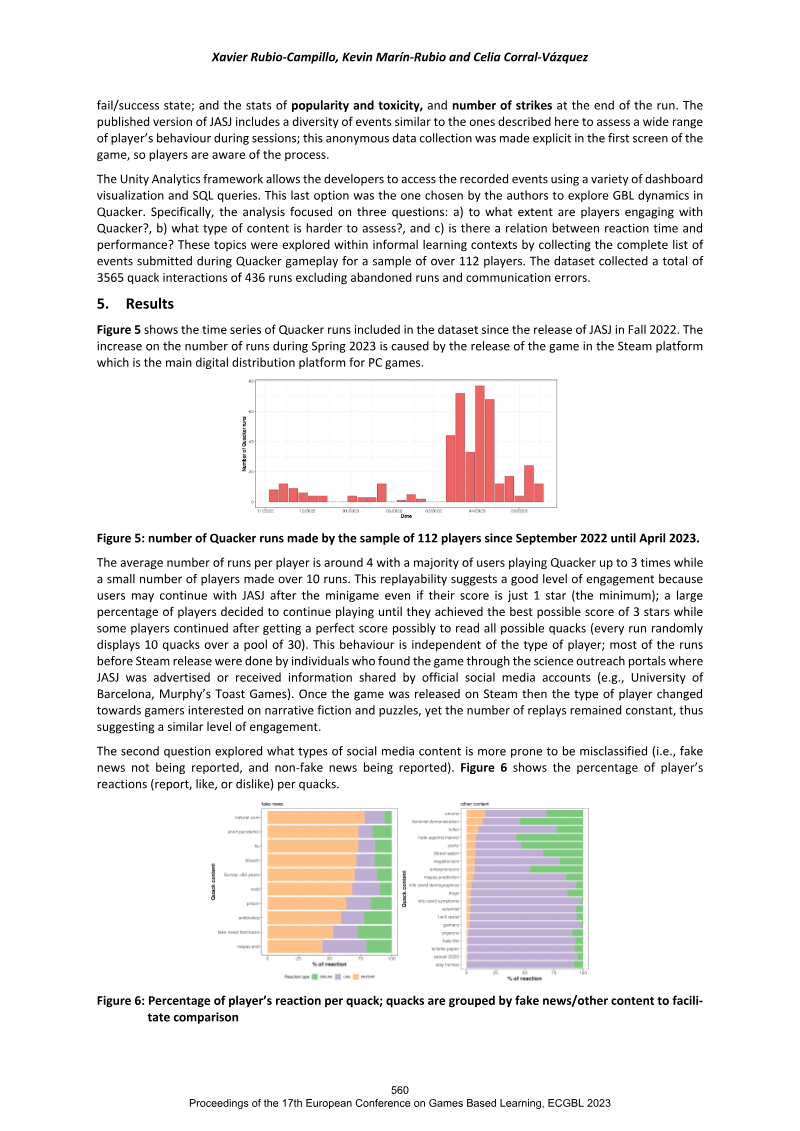
- Analysis of 3,565 quack interactions across 436 runs from over 112 players (September 2022 to April 2023) found sustained engagement, with an average of about four runs per player and many continuing to chase maximum scores after earning three stars.
- Players misclassified politically framed disinformation far more often than pseudoscientific or COVID-19-related falsehoods, with one politically framed quack judged factual by over half of players.
Mathematics and Sign Language Learning With a Tangible Game: An Inclusive Approach for DHH and Hearing Children
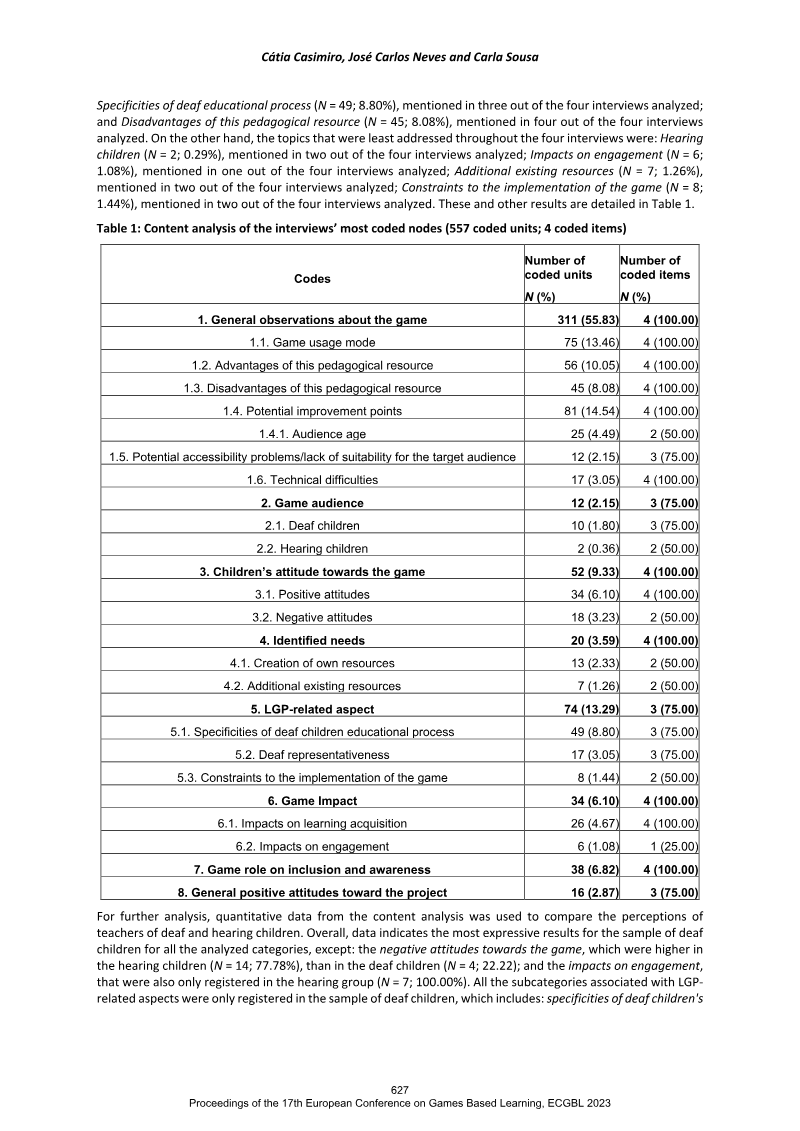
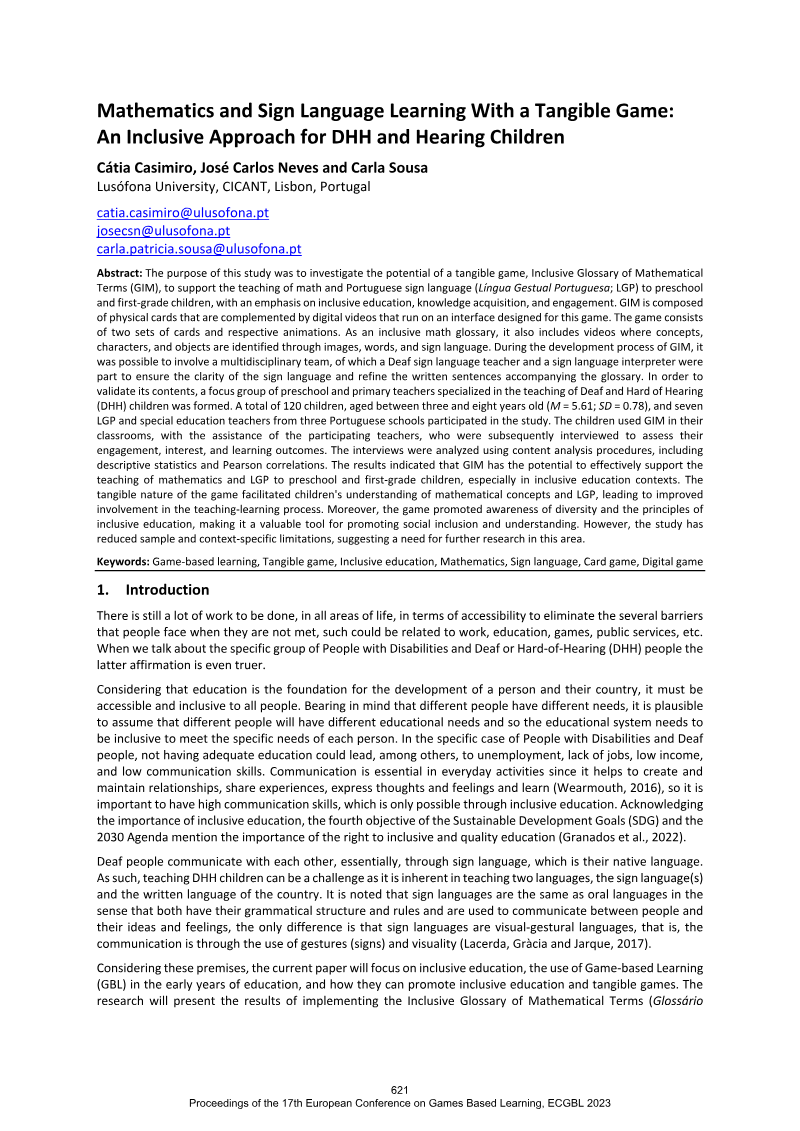
GIM is a tangible game designed to teach mathematics and Portuguese Sign Language (LGP) to preschool and first-grade children within an inclusive education framework, combining physical memory-style cards with digital sign language videos on a custom interface.
- GIM is a tangible game that combines physical memory-style cards with digital sign language videos to teach mathematics and Portuguese Sign Language (LGP) to preschool and first-grade children in inclusive settings.
- An empirical study tested GIM with 120 children (19 deaf or hard-of-hearing and 101 hearing) across three Portuguese schools from January to April 2022, over 54 sessions, with seven teachers interviewed afterward.
- The authors found stronger knowledge-acquisition effects among deaf and hard-of-hearing children, while awareness and inclusion effects were similar across both groups.
Assessing Creative Awareness and Literary Writing Games in the Norwegian Context
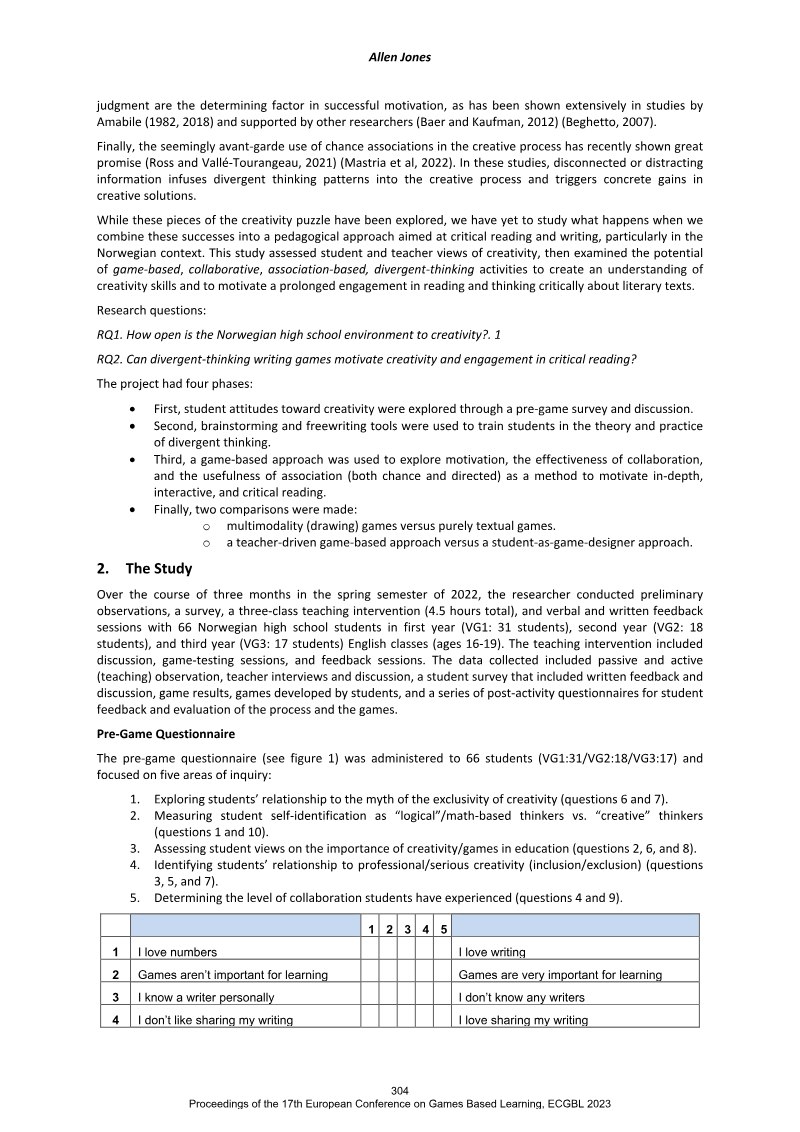
This study examines how Norwegian high school students in their first, second, and third years of English (ages 16 to 19, 66 students in total) view creativity and whether divergent-thinking writing games can motivate engagement with literary texts.
- Students were surprisingly open to creativity and games in education, yet strongly distrusted assessment and increasingly saw writing as a forced obligation as they advanced through their three years of English.
- Most students regarded themselves as outside the community of writers, and only about 1.5 percent knew a writer personally.
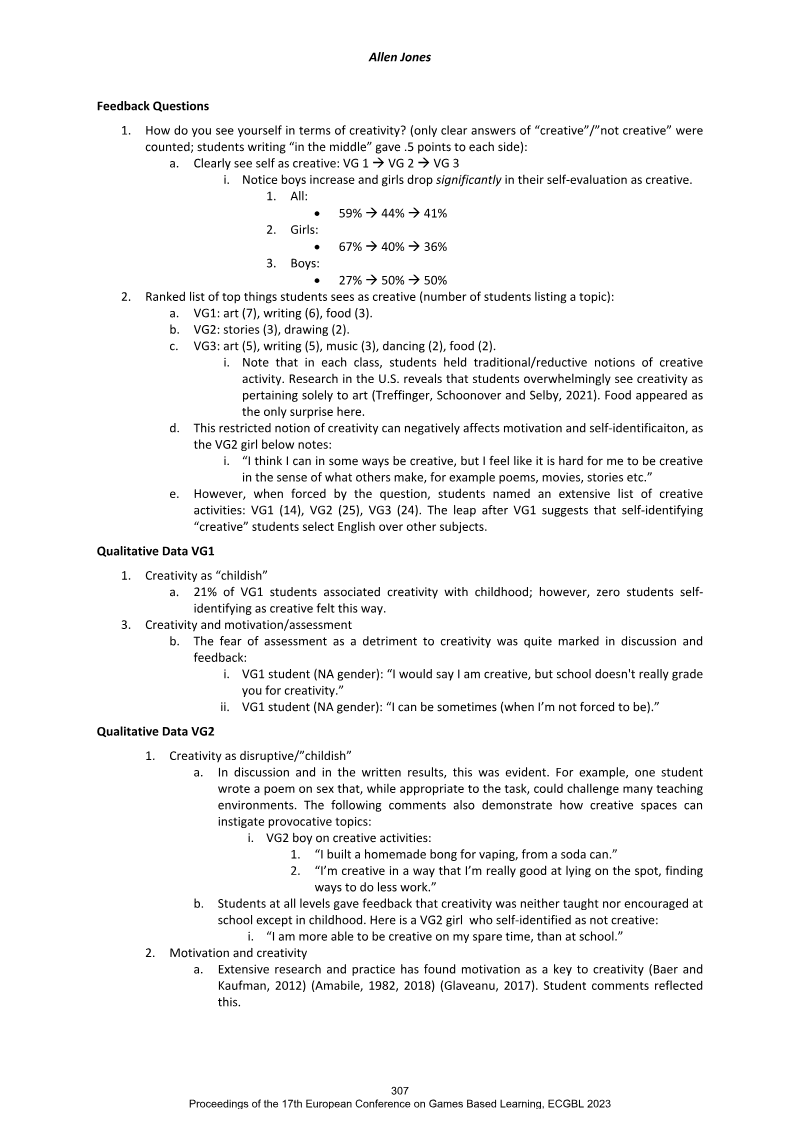
- Self-identification as creative diverged sharply by gender: girls' self-assessment dropped from 67 percent to 36 percent across the three years, while boys' rose from 27 percent to 50 percent.
Evaluating Playful Creative Problem Solving in Kyiv and Ukrainian Refugees in France
This study examines how wartime stress affects divergent thinking (DT) in playful creative problem solving, using a modular robotics task called CreaCube.
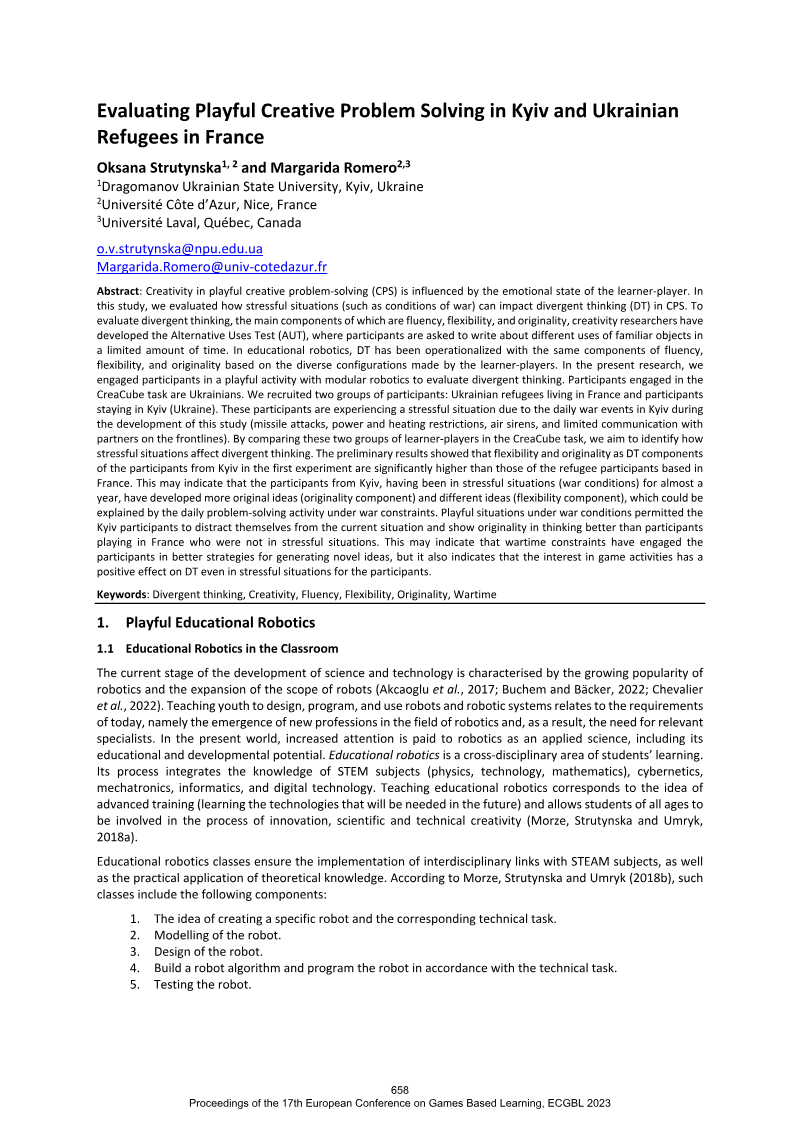
- Kyiv participants, living under daily missile attacks, power and heating restrictions, and air raid alerts, scored significantly higher on originality in their first CreaCube attempt than refugee families in Nice (mean 1.18 vs. 0.13; Welch's t-test, p = 0.013).
- Kyiv participants also scored higher on flexibility overall, while no significant differences emerged for fluency or for flexibility in the second attempt.
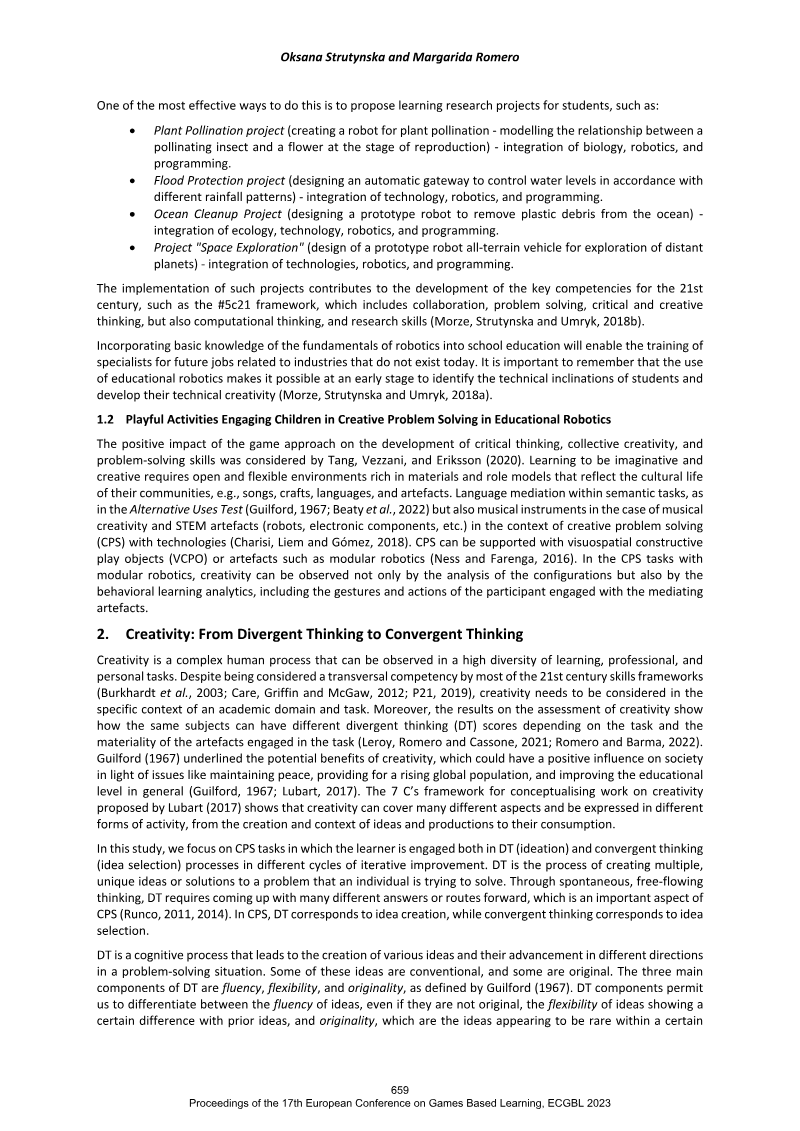
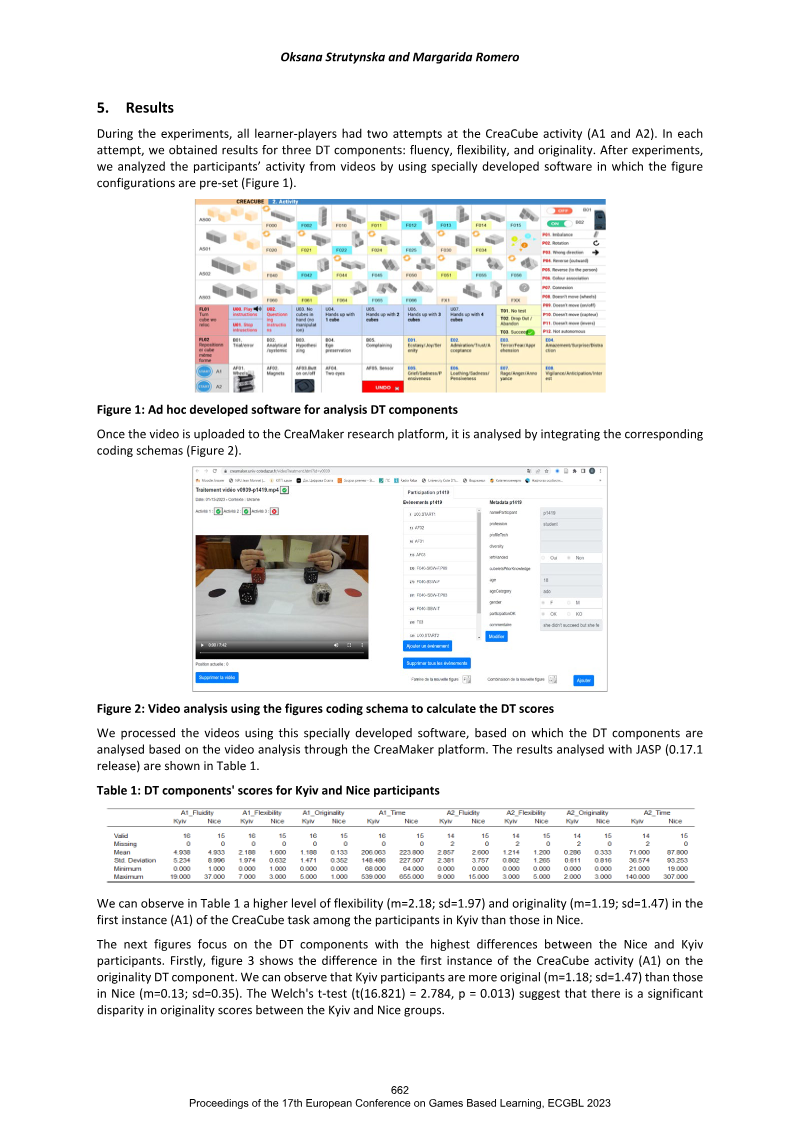
- Divergent thinking was measured through fluency, flexibility, and originality, scored from video analysis of participants' cube configurations, with originality defined as responses given by fewer than 5% of same-age participants.
Predictors of Flow Experience and Knowledge Acquisition in a STEM Game
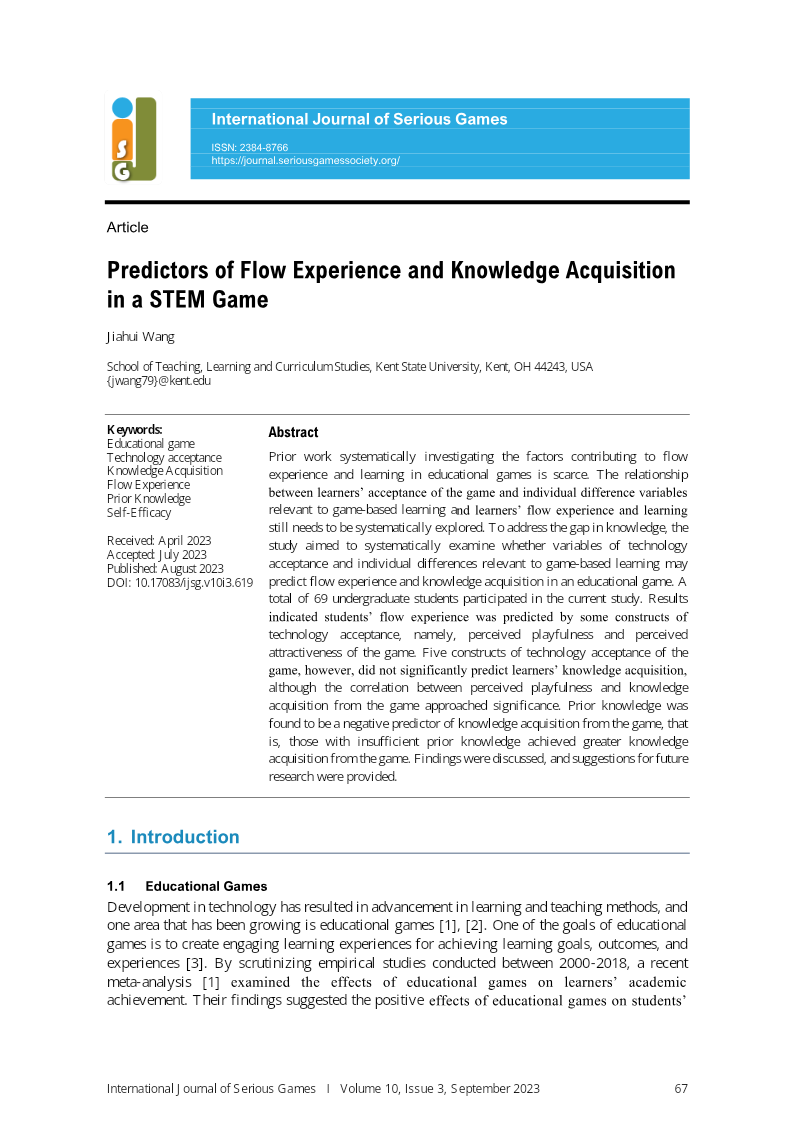
Educational gaming environments often struggle to bridge the gap between user engagement and measurable learning outcomes.
- Player engagement metrics like perceived playfulness and attractiveness do not reliably predict or correlate with actual knowledge acquisition in STEM games.
- Prior knowledge is a significant negative predictor of learning gains, meaning students with lower initial expertise derive the most benefit from educational games.
- The psychological state of flow, while effective for sustaining user interest, does not inherently guarantee the mastery of complex technical concepts.
ReWIND: A CBT-Based Serious Game to Improve Cognitive Emotion Regulation and Anxiety Disorder
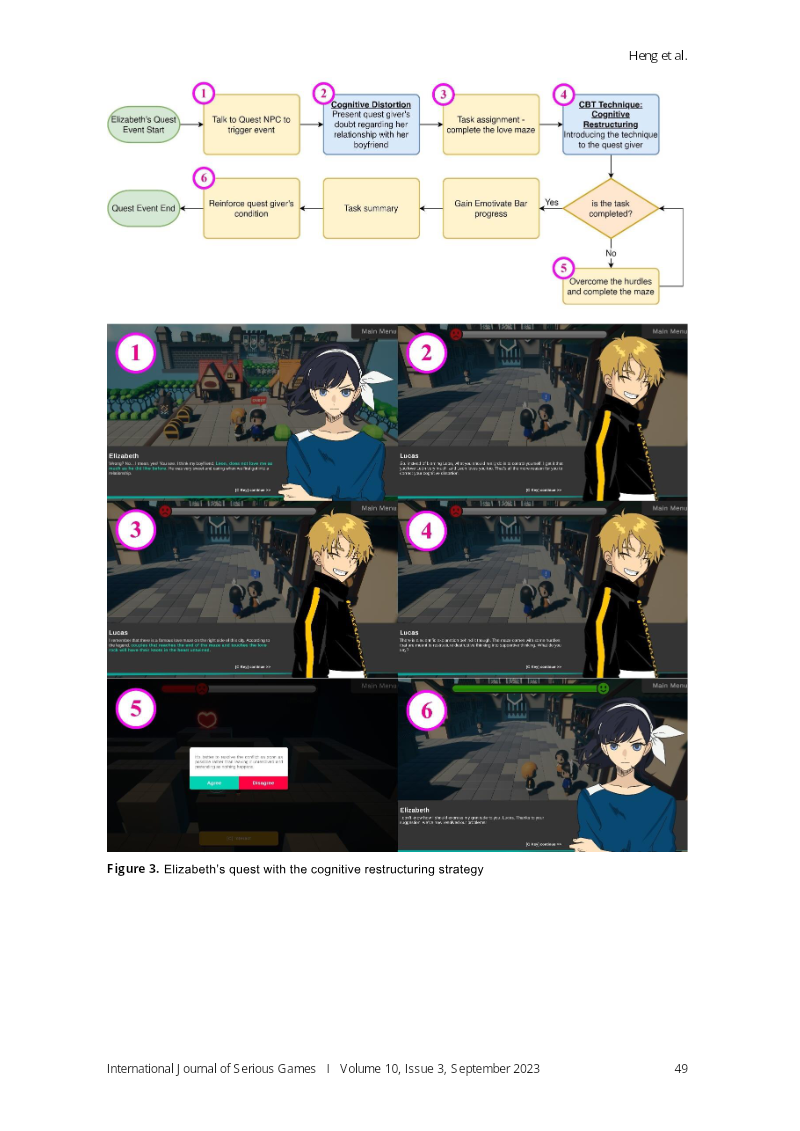
ReWIND functions as a 3D, story-driven role-playing game designed to mitigate anxiety disorders by embedding Cognitive Behavioral Therapy (CBT) principles directly into its narrative and mechanics.
- ReWIND is a 3D, story-driven RPG that integrates Ellis’ ABCDE model of Cognitive Behavioral Therapy to help adults identify and restructure maladaptive thought patterns.
- A randomized controlled trial of 40 university students showed that the game significantly outperforms static reading tasks in reducing both symptom severity and trait anxiety.
- Participants reported higher engagement and user satisfaction with the game compared to conventional psychoeducation materials, suggesting that interactive mechanics improve perceived control over emotional states.
Evaluation of an Industrial Case of Gamification in Software Quality Improvement
Large-scale software development organizations frequently struggle with inconsistent quality assurance practices, often characterized by end-of-year rushes or the cessation of improvement efforts once arbitrary targets are met.
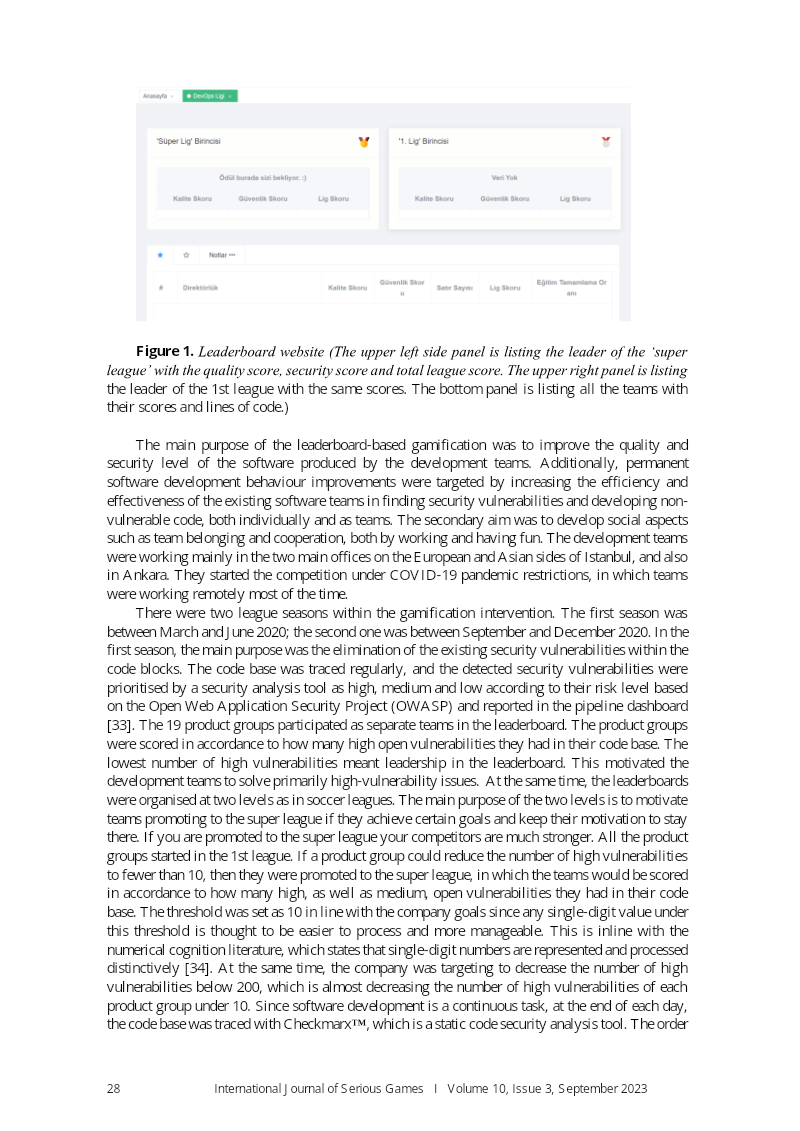
- Gamification of routine technical tasks, such as unit test coverage and vulnerability reduction, successfully transforms reactive maintenance into a sustained, competitive practice that improves overall code quality.
- A leaderboard-based intervention can effectively bridge communication gaps and enhance team cohesion in remote work environments by fostering a culture of shared technical rigor.
- Long-term program success is contingent on addressing socio-psychological friction, specifically developer concerns regarding perceived unfairness in scoring mechanisms and the setting of unattainable goals.
Serious Games and Experiential Learning: Options for Engineering Education
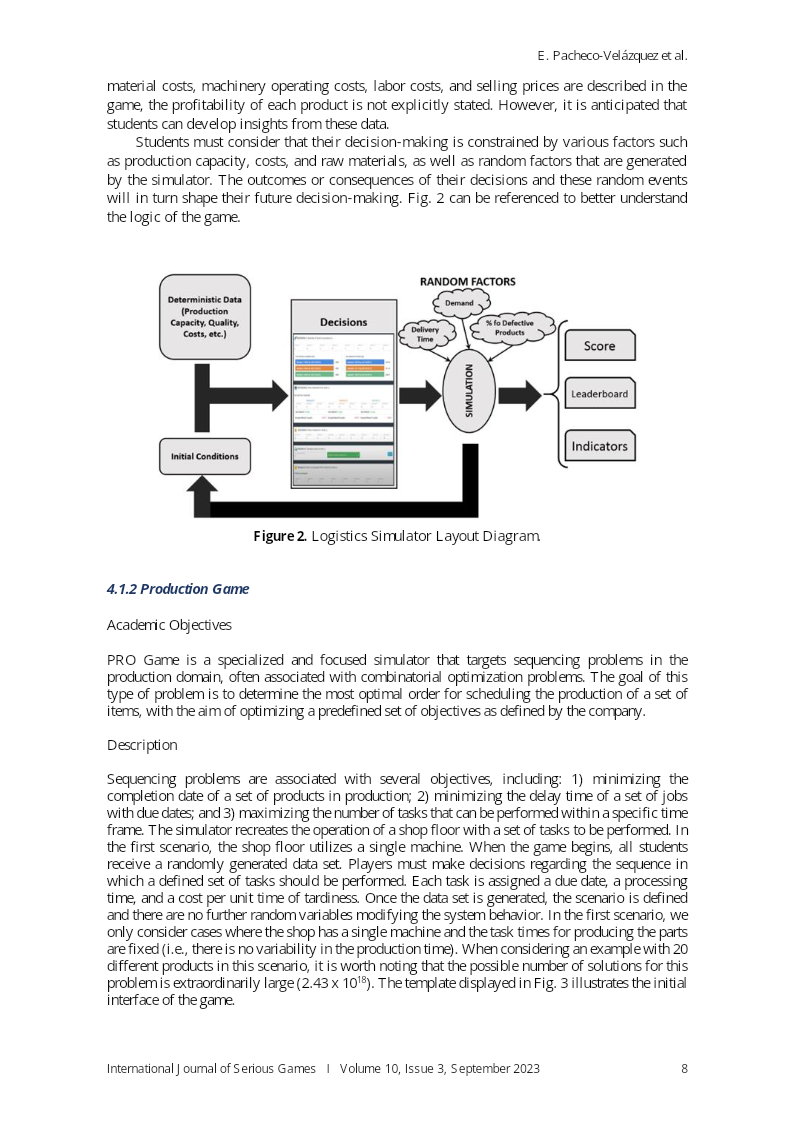
Serious games, specifically the Logistics Simulator and Production Game, serve as potent experiential learning tools within engineering education by bridging the gap between theoretical concepts and practical application.
- Serious games like the Logistics Simulator and Production Game effectively bridge the gap between theoretical engineering concepts and practical application by allowing students to practice in risk-free environments.
- The use of simulation tools significantly increases student motivation and engagement through iterative gameplay, immediate feedback, and clear goal structures.
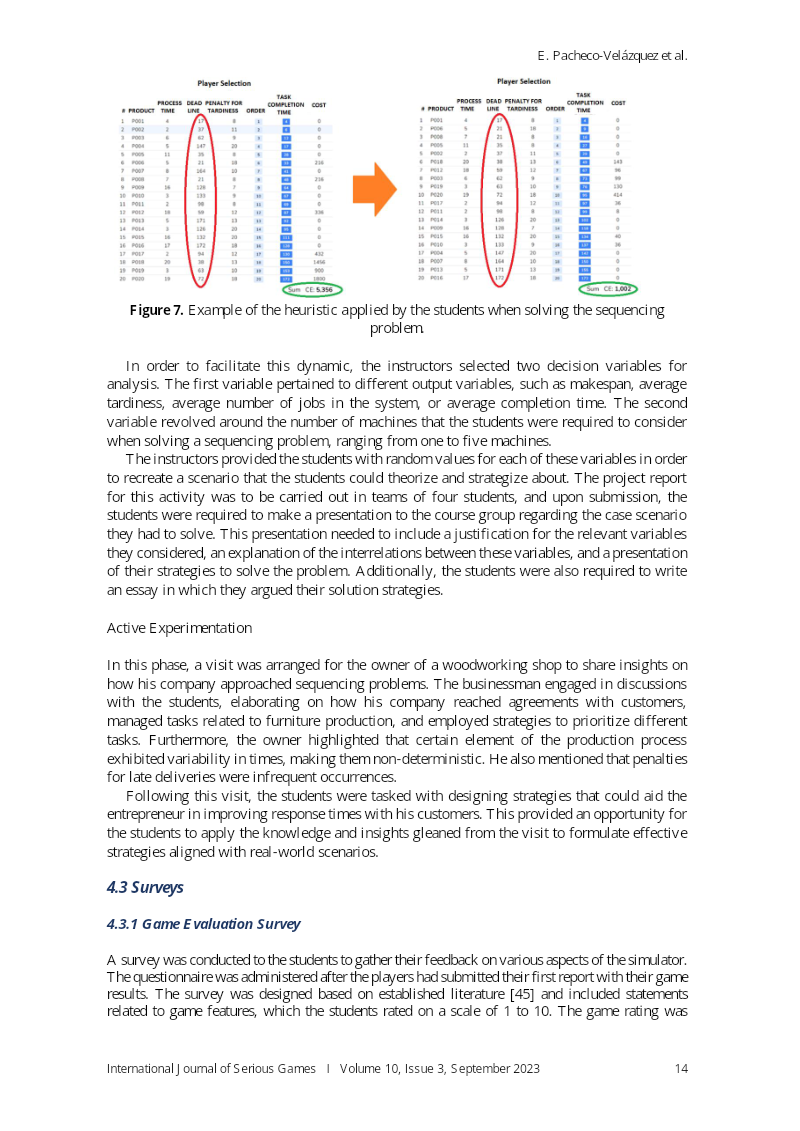
- Experiential learning via these simulators facilitates a shift in student decision-making from intuitive trial-and-error to the application of optimized heuristics.
Gaming the Past: Evaluation of Quest of Persia
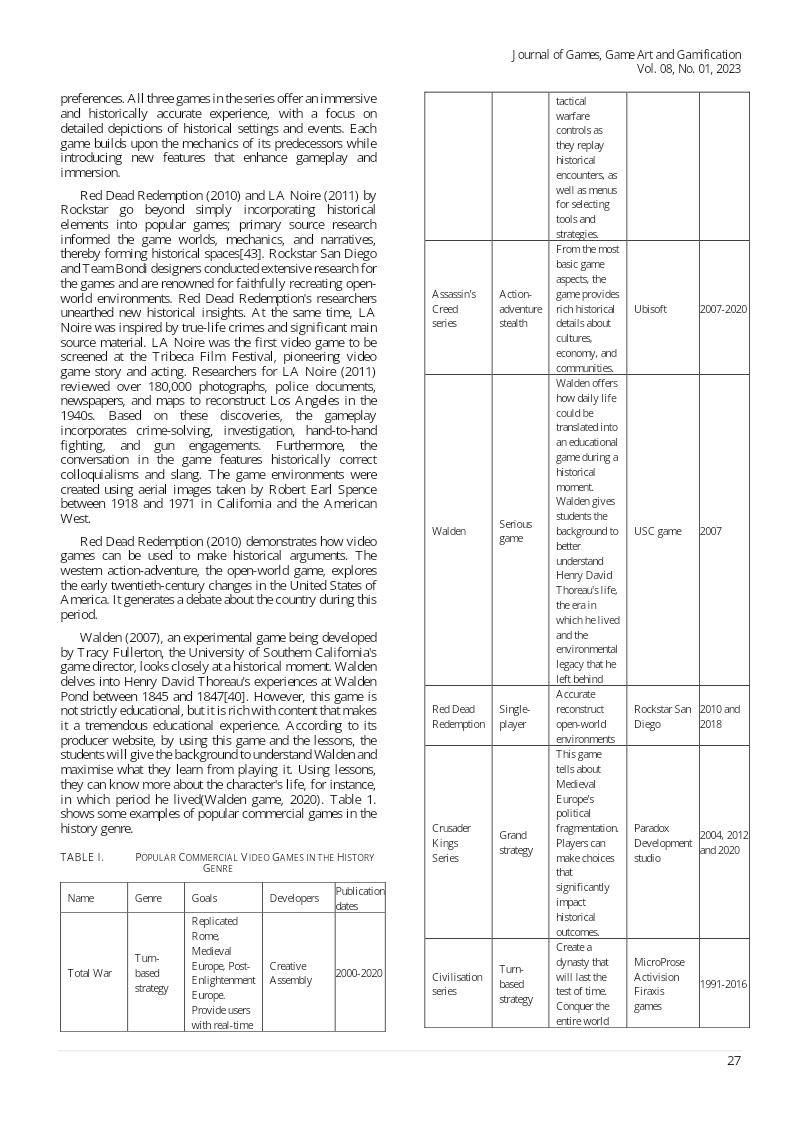
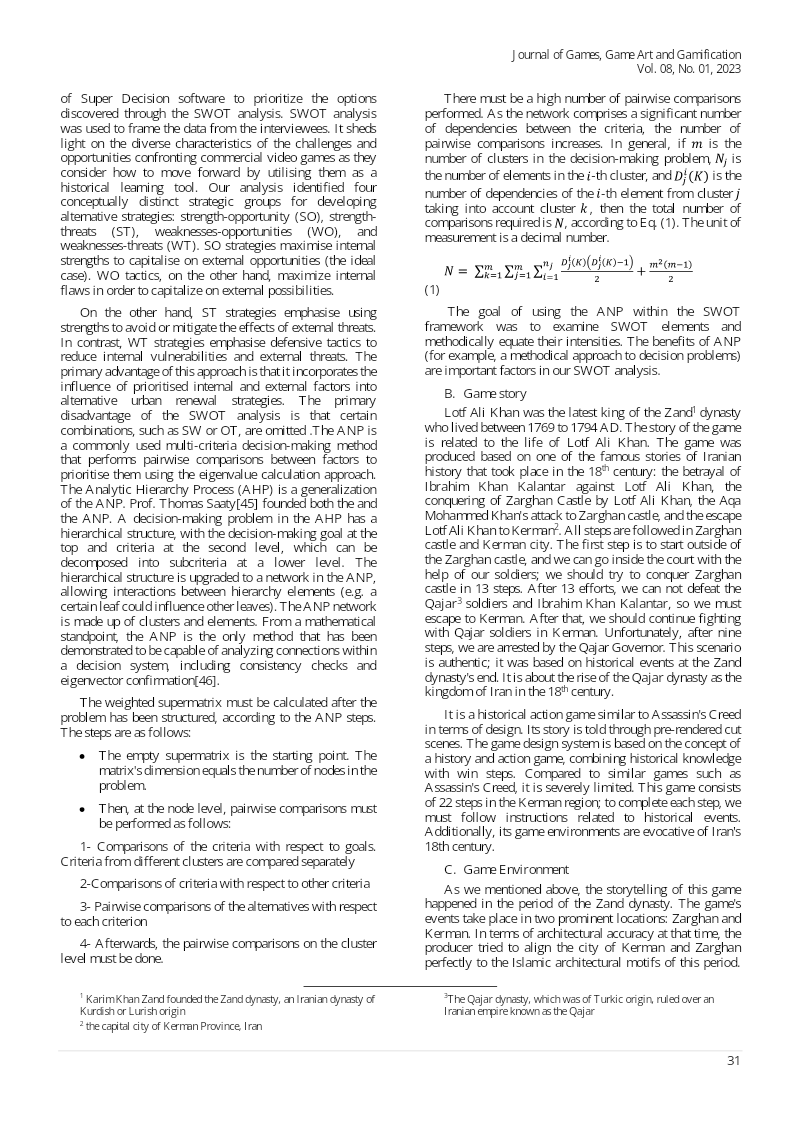
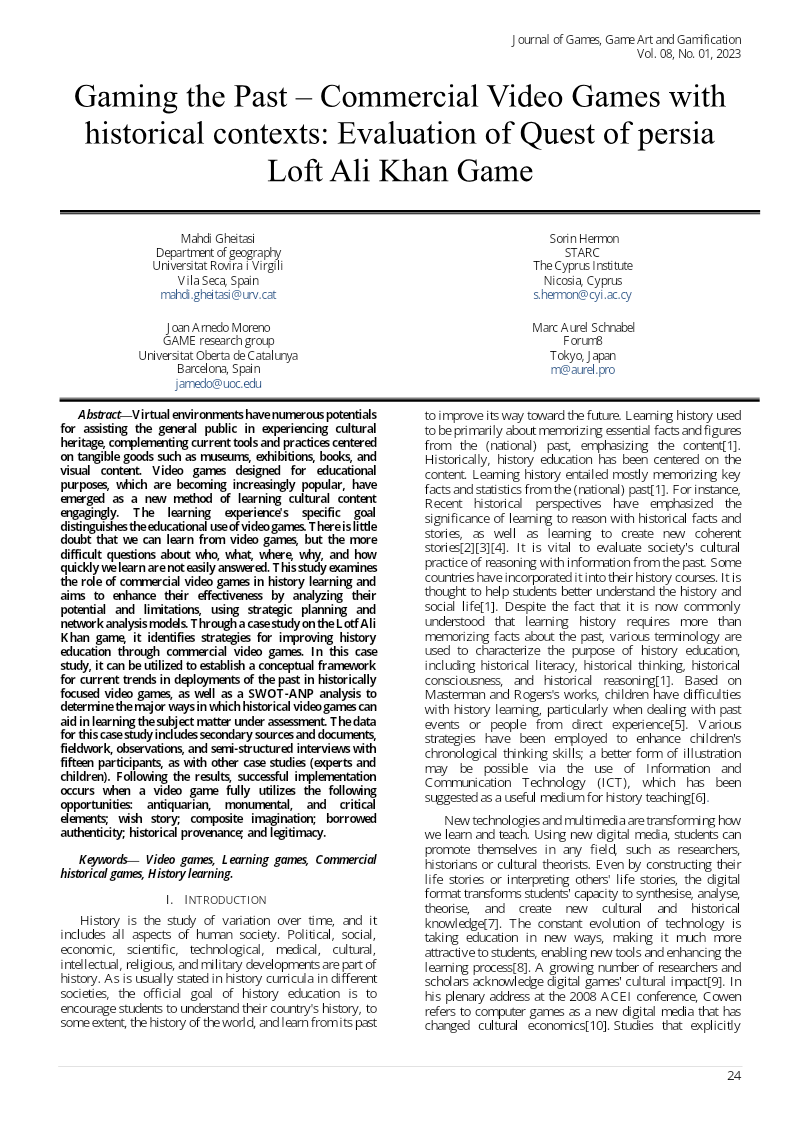
Commercial video games serve as potent instruments for historical education, shifting the pedagogical focus from rote memorization toward the development of historical reasoning and consciousness.
Educational Game Scenario Model Based on Imperative Game Goal Typology
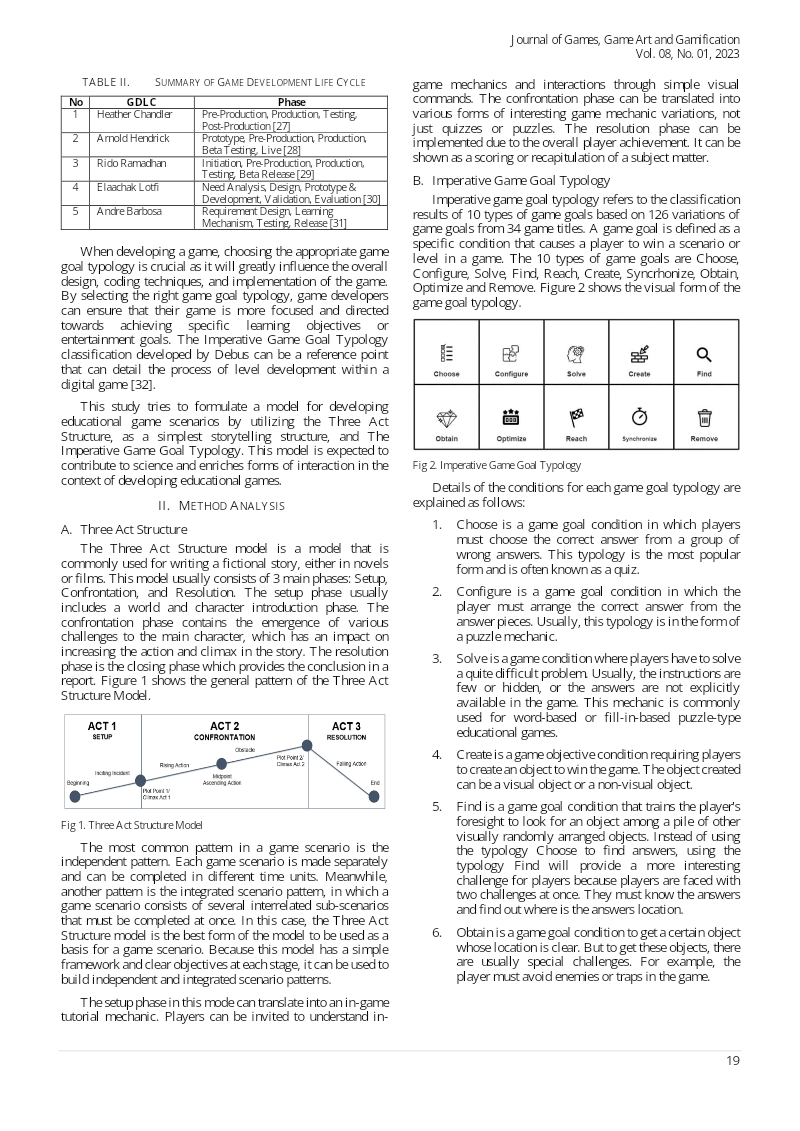
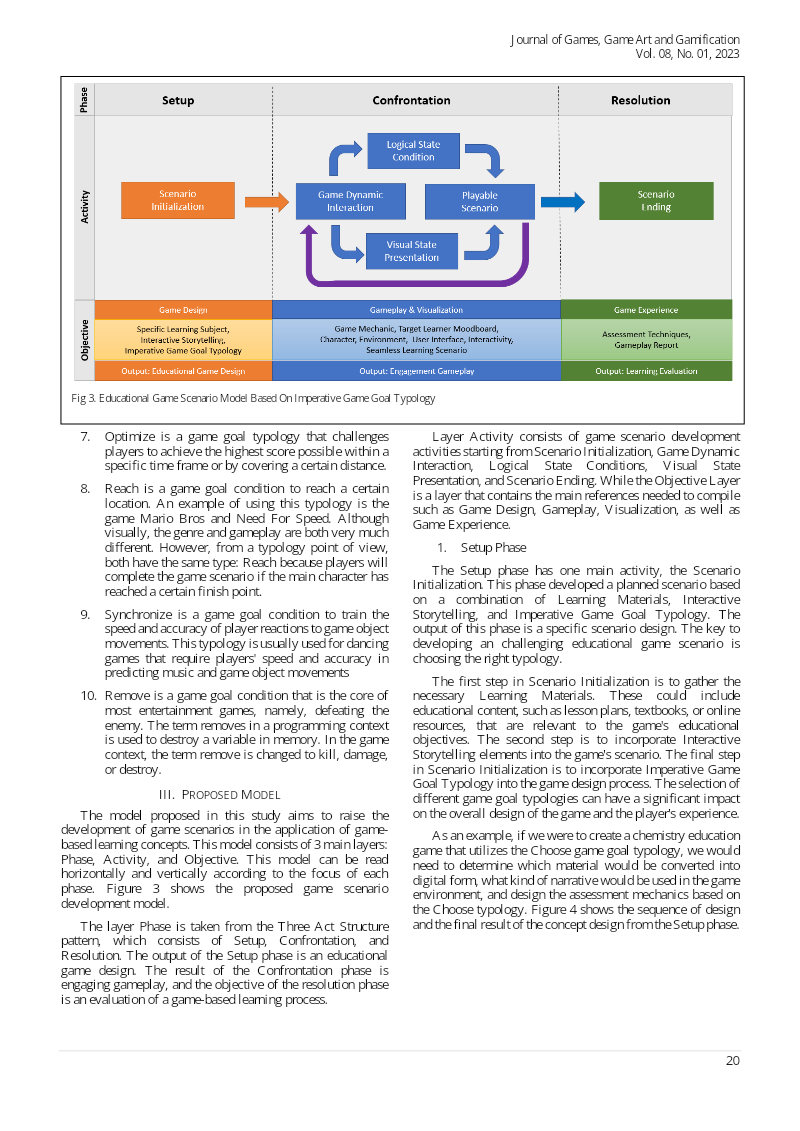
The educational game scenario model presented in this research addresses the common limitation in serious games where mechanics are often restricted to repetitive quizzes or simple puzzles.
- Integrating the Three-Act storytelling structure with a ten-part imperative goal typology allows developers to move beyond repetitive quizzes and simple puzzles in educational game design.
- The model utilizes ten specific goal-oriented mechanics—choosing, configuring, solving, finding, creating, obtaining, optimizing, reaching, synchronizing, and removing—to map learning materials to interactive gameplay.
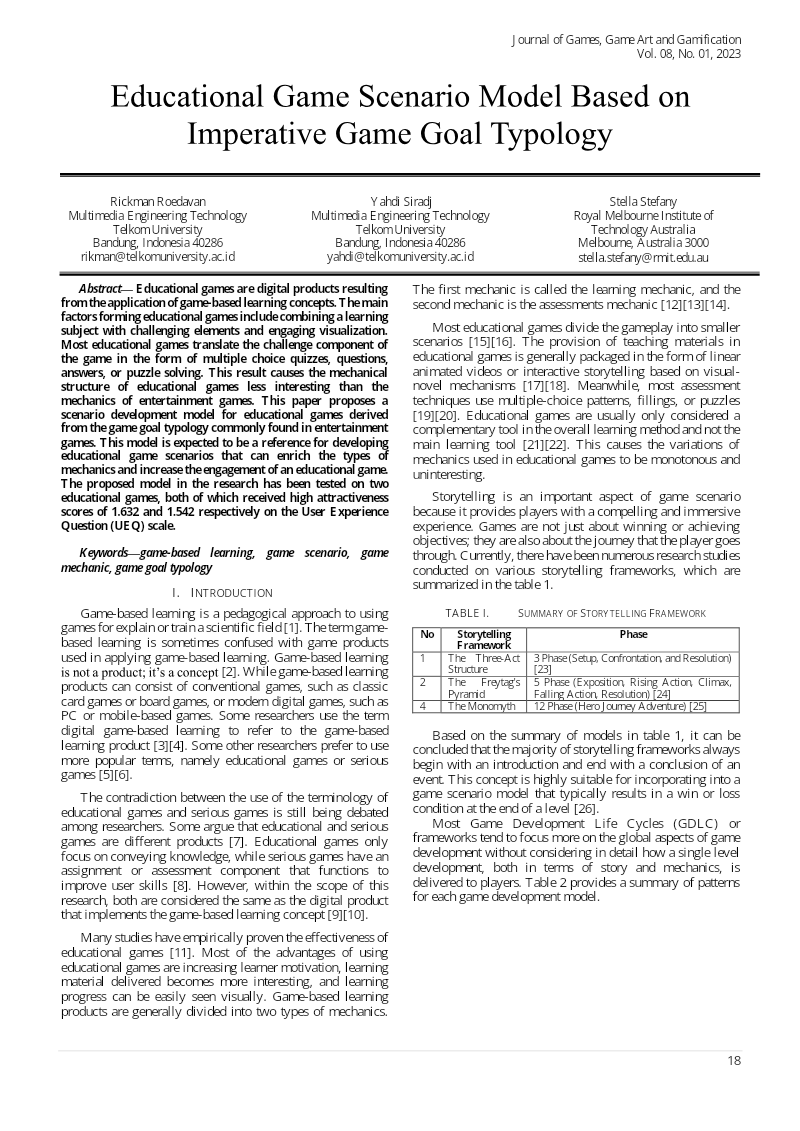
- Prototypes developed using this framework, 'Chemical Labs' and 'Kitchen Labs,' achieved high attractiveness scores of 1.632 and 1.542 respectively on the User Experience Questionnaire (UEQ) scale.
Gamification Using Visual Novel to Improve Chemistry Learning Motivation: Indonesia
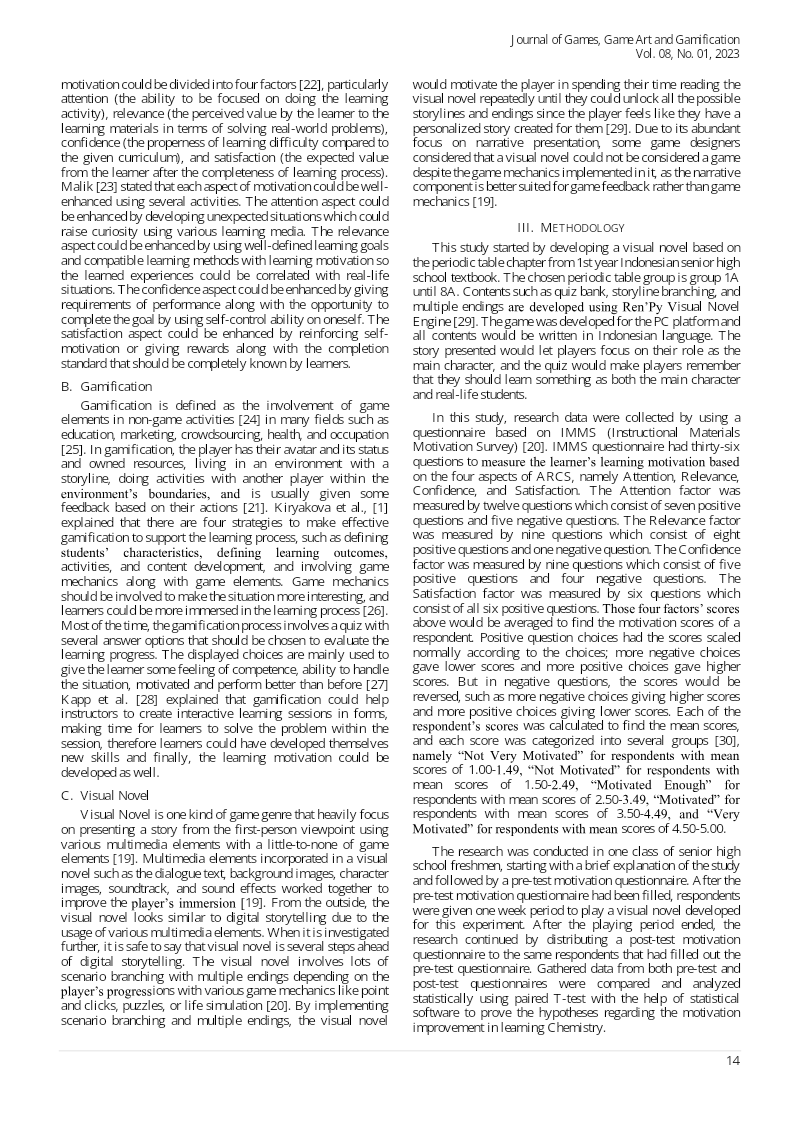
This study investigates the effectiveness of using visual novels as a gamification tool to enhance student motivation in learning chemistry, specifically focusing on the periodic table.
- Integrating visual novels into chemistry education resulted in a statistically significant 18.61% increase in student motivation.
- Student engagement levels across all four ARCS motivational factors (attention, relevance, confidence, and satisfaction) improved from 'Motivated Enough' to 'Motivated'.
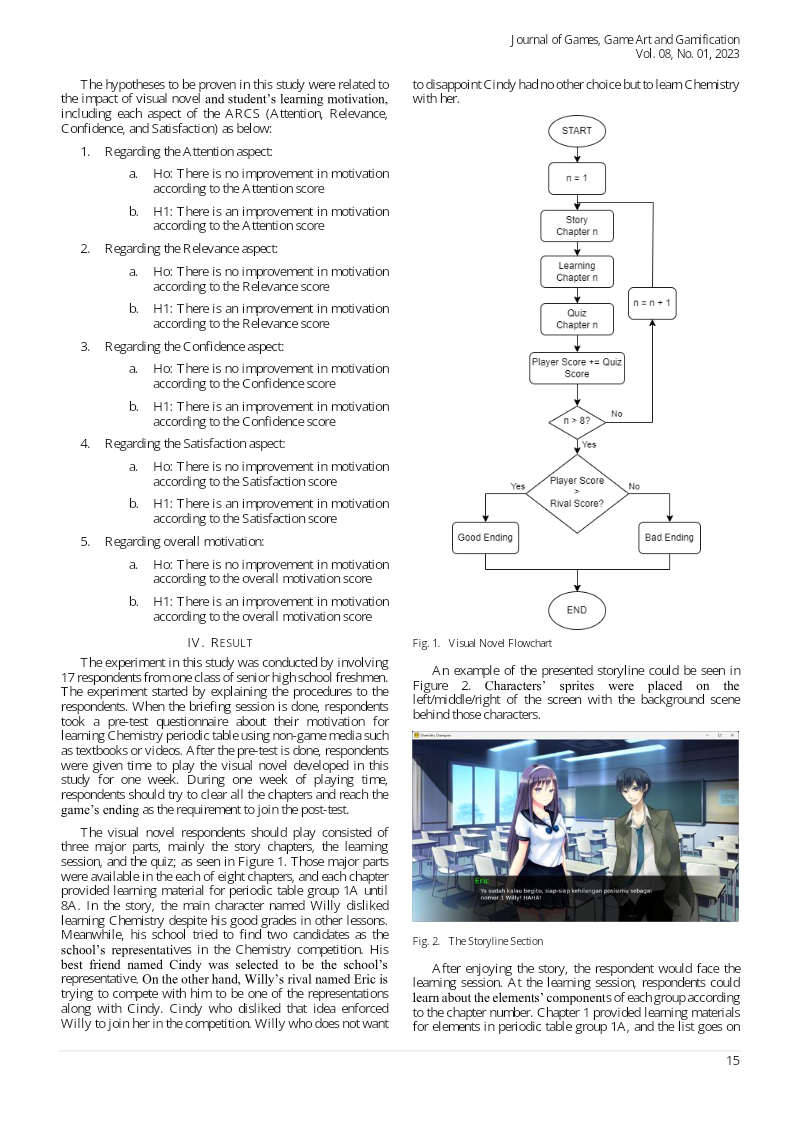
- The study utilized the Ren'Py engine to develop an eight-chapter interactive game covering periodic table groups 1A through 8A.
Lego-based Game as a Way to Improve Student's Physics Education
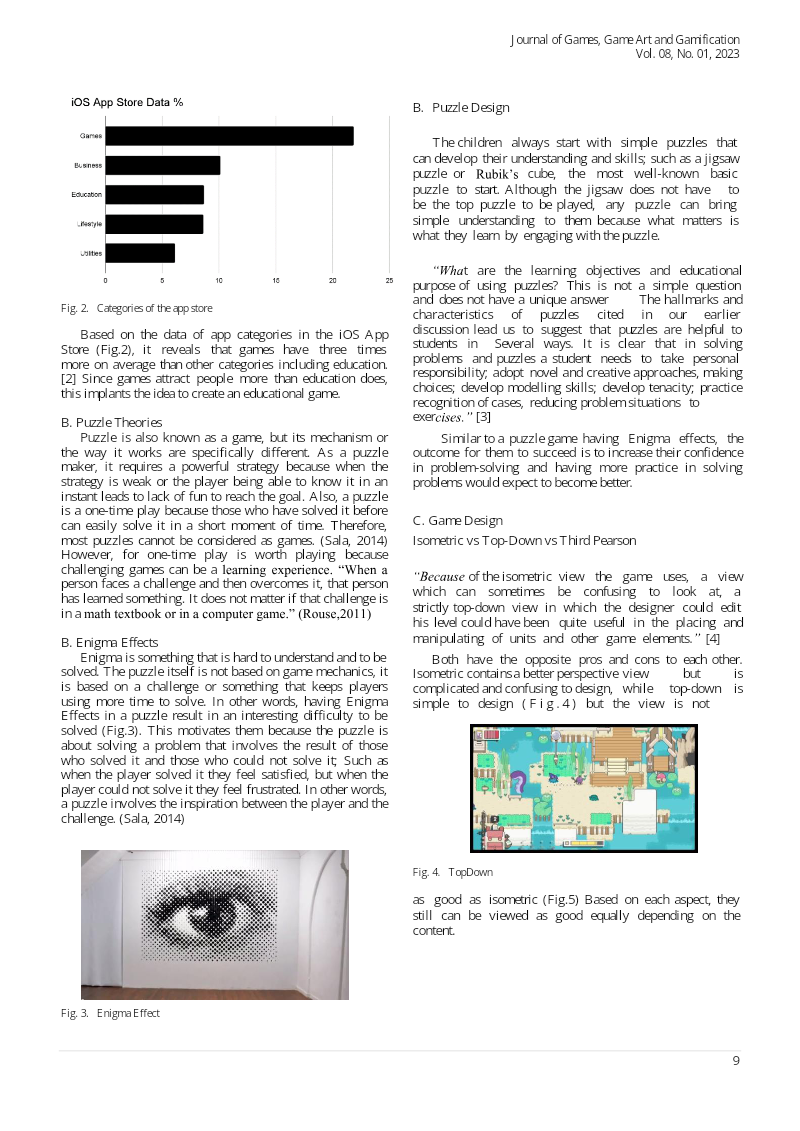
This study addresses the decline in student engagement and academic performance in physics, particularly during the remote learning challenges imposed by the global pandemic.
- Optimizing asset settings and scene mapping in Unity reduced initial game loading times by 50%, dropping them from 10–15 minutes to 5–7 minutes.
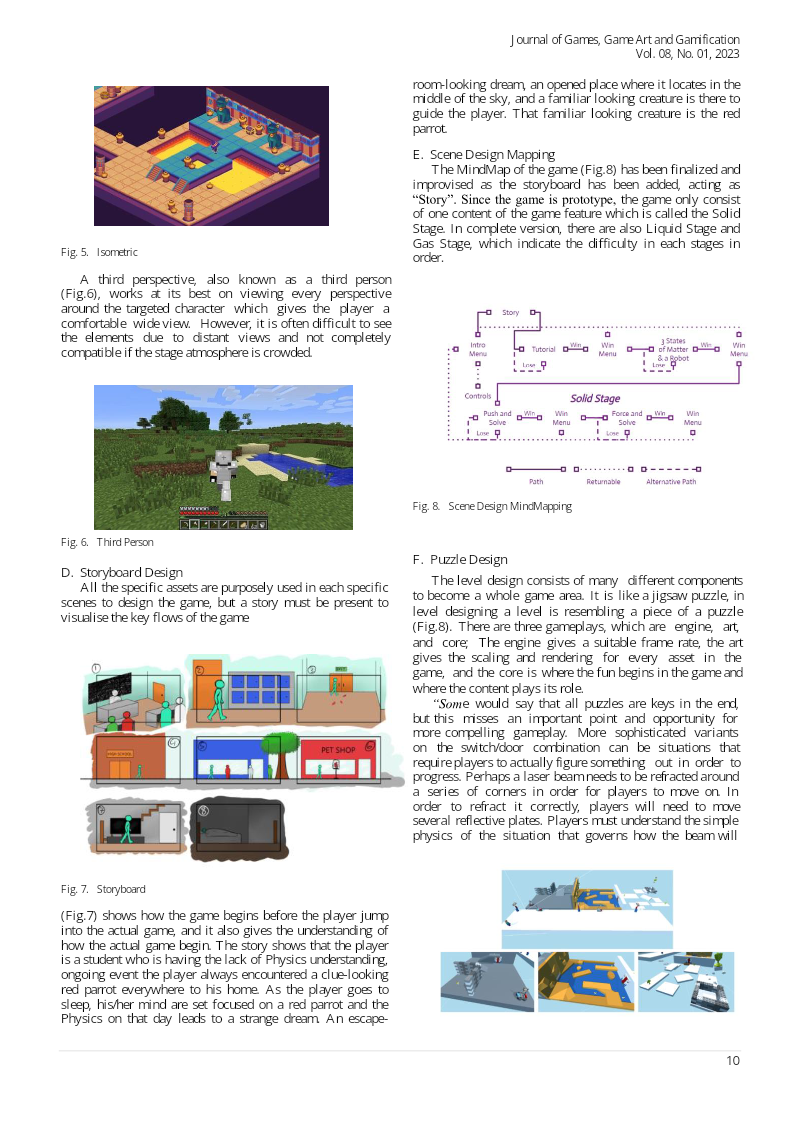
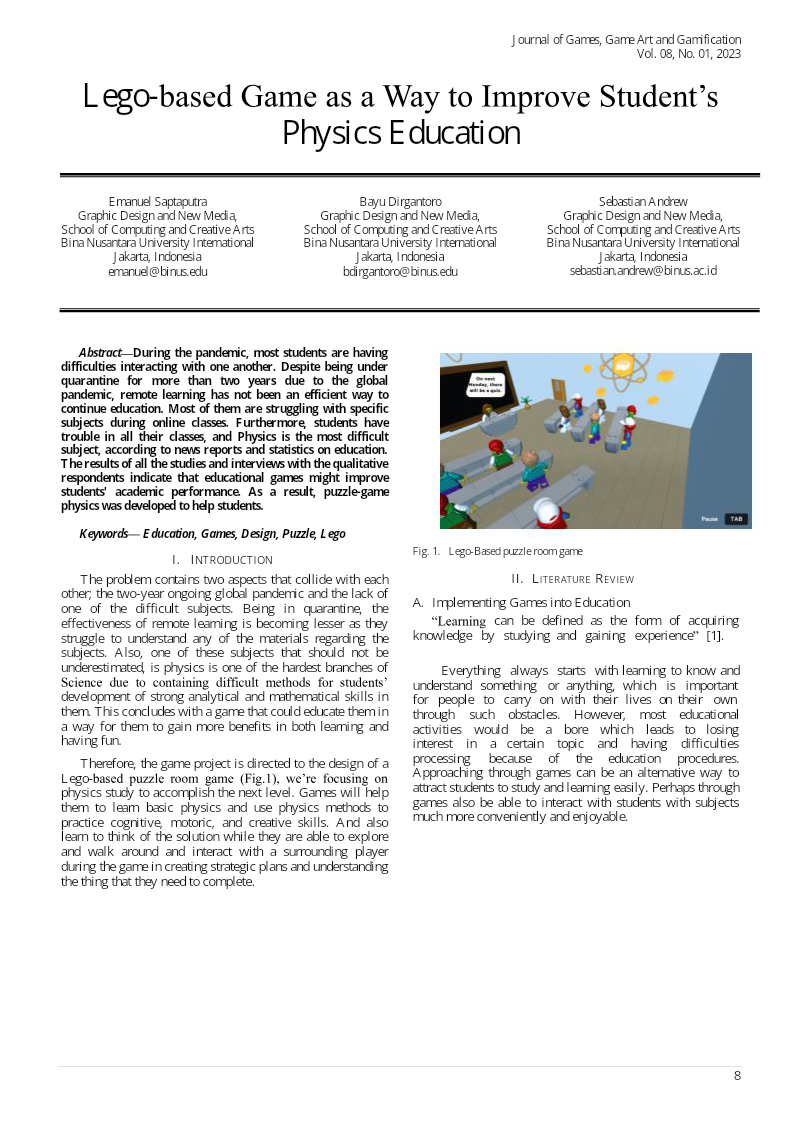
- The project utilized BrickLink Studio for asset creation and the Unity game engine to develop a narrative-driven environment focused on teaching physics through puzzle mechanics.
- Integrating puzzle-based game design into physics curricula serves as a viable pedagogical tool to improve student engagement, cognitive skills, and analytical problem-solving.