More on Game Design
View all
Report
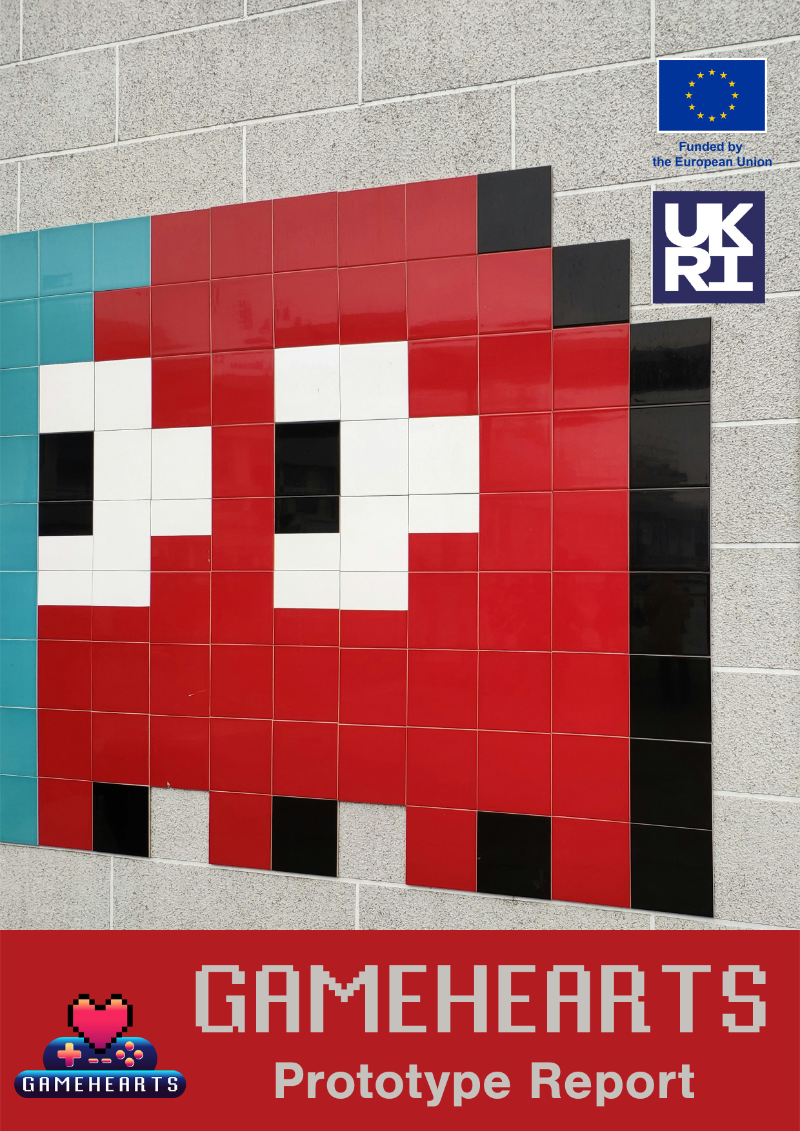
D5.3 Prototype Report: Games, Heritage, Arts, & Sport
GAMEHEARTS · 2025
Whitepaper
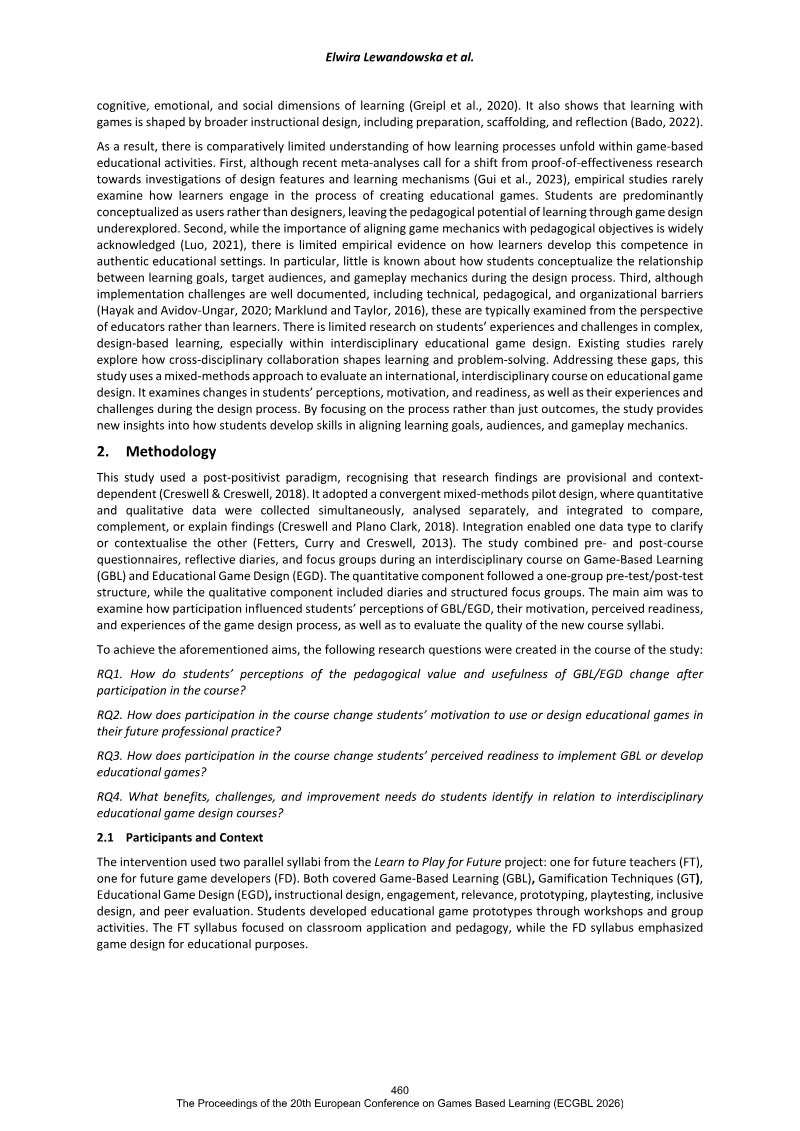
Designing Educational Games in Higher Education: A Convergent Mixed-methods Pilot Evaluation
European Conference on Games Based Learning (ECGBL) · 2026



Whitepaper
Challenges of Simulations and Serious Games Embedded in Emergency Preparedness Platforms
European Conference on Games Based Learning (ECGBL) · 2026
Whitepaper
A Qualitative Exploration of How Game Art Students Engage with Art Historical Material
Breda University of Applied Sciences · 2026
Whitepaper
Queer Resistance Through Sexual Role-play: Arousal and Community
DiGRA · 2026
Whitepaper
From Pixels to Planet: How Game Makers Strive for Planetary Impact Beyond the Magic Circle
DiGRA · 2026
Whitepaper
From Policy to Paradox: Diversity Washing, Policy Failures, and the Limits of Authentic Intersectional Pleasure in the European Video Game Industry
DiGRA · 2026

Report
Videogame for EDI
GAMEHEARTS · 2025
Whitepaper
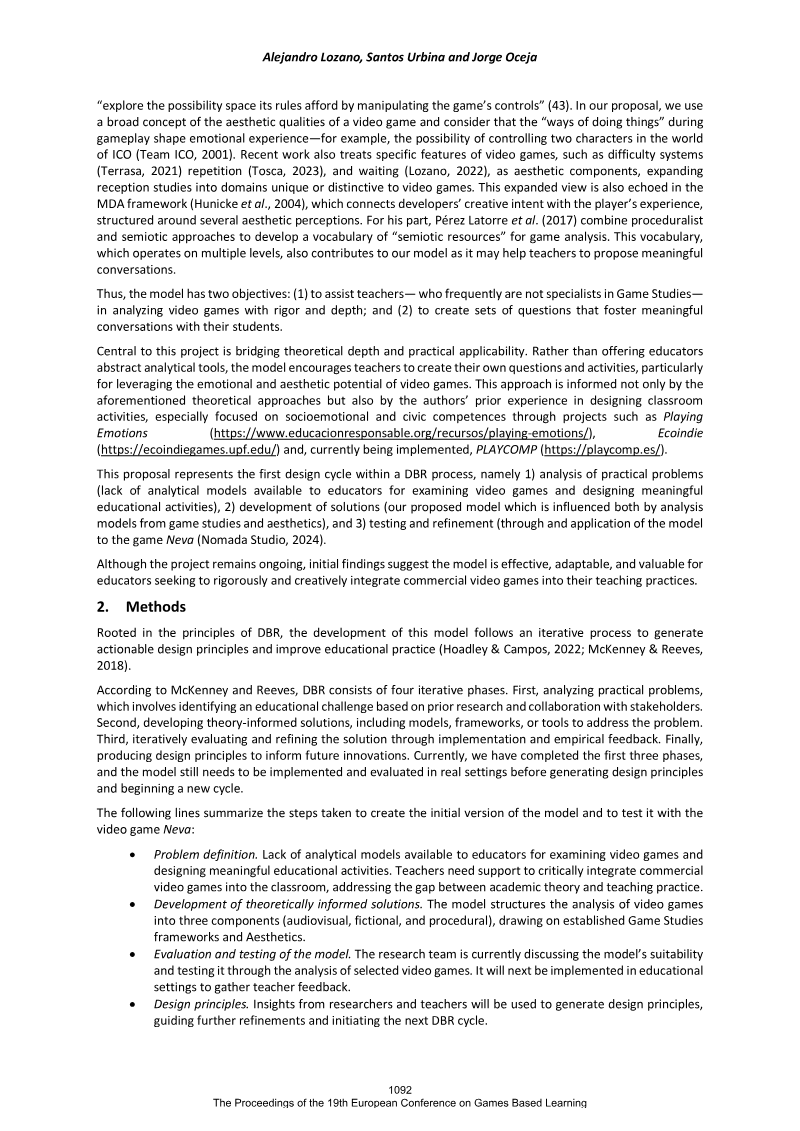
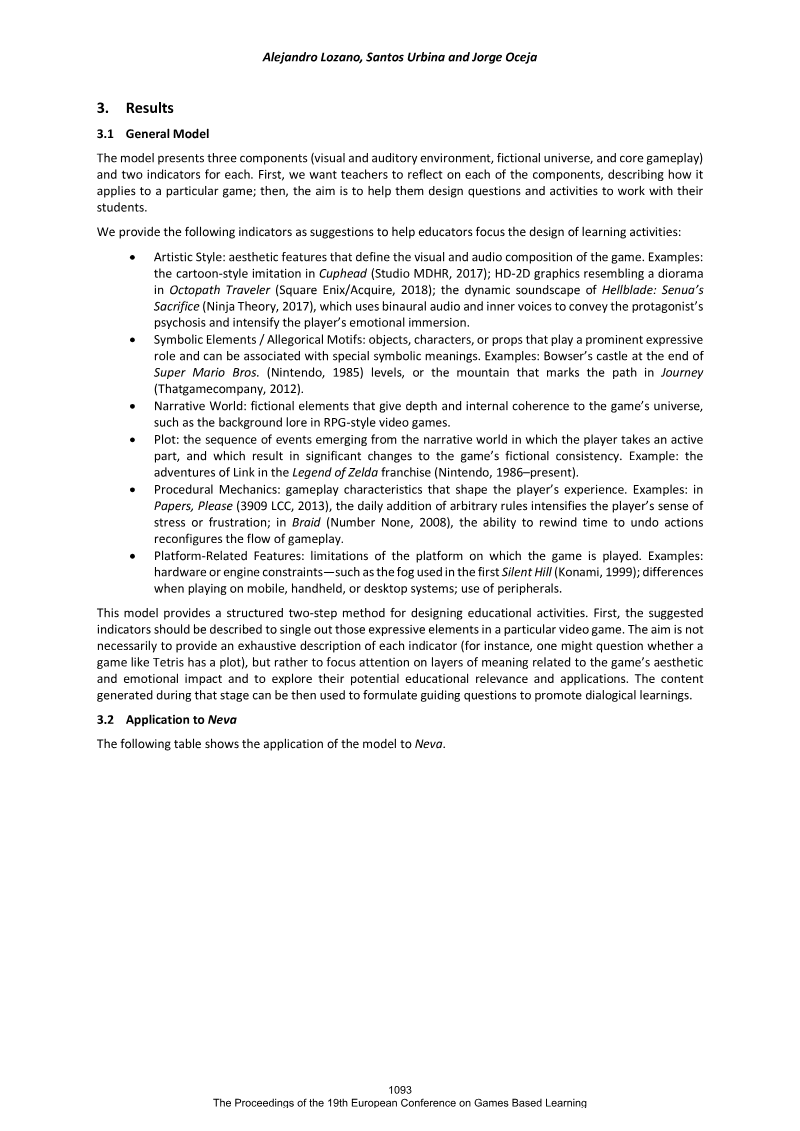
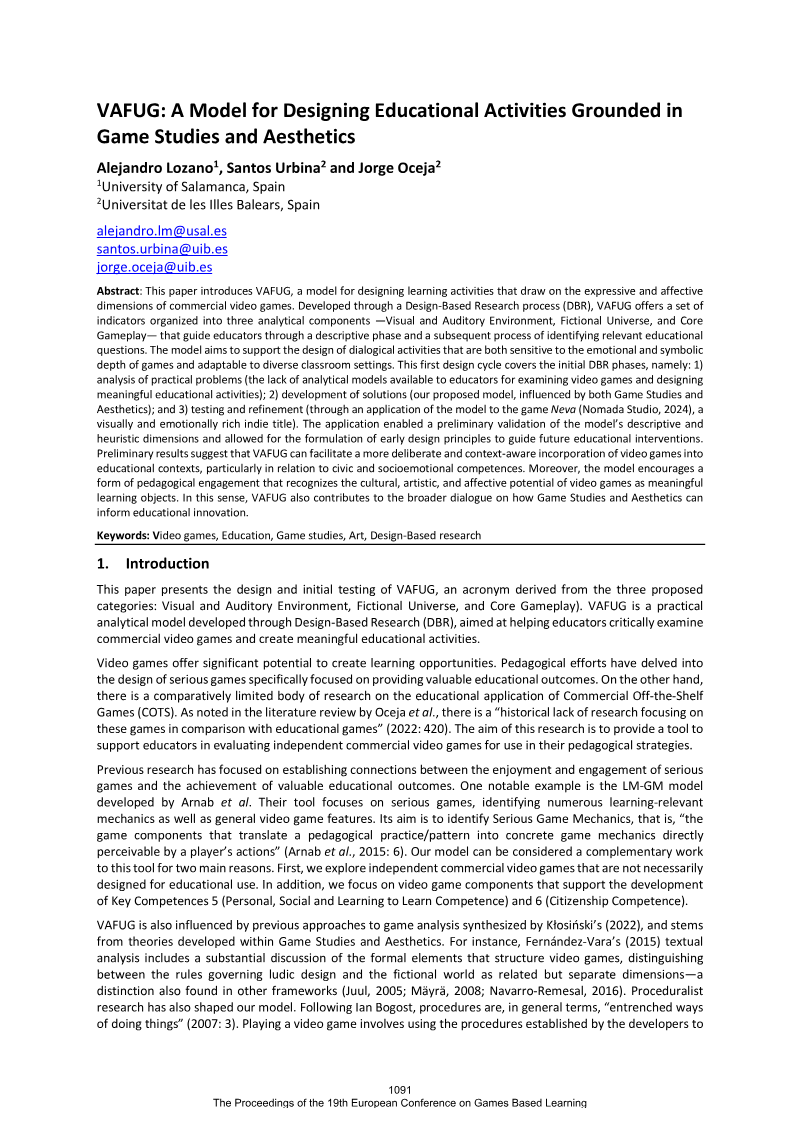
VAFUG: A Model for Designing Educational Activities Grounded in Game Studies and Aesthetics
European Conference on Games Based Learning (ECGBL) · 2025
Whitepaper
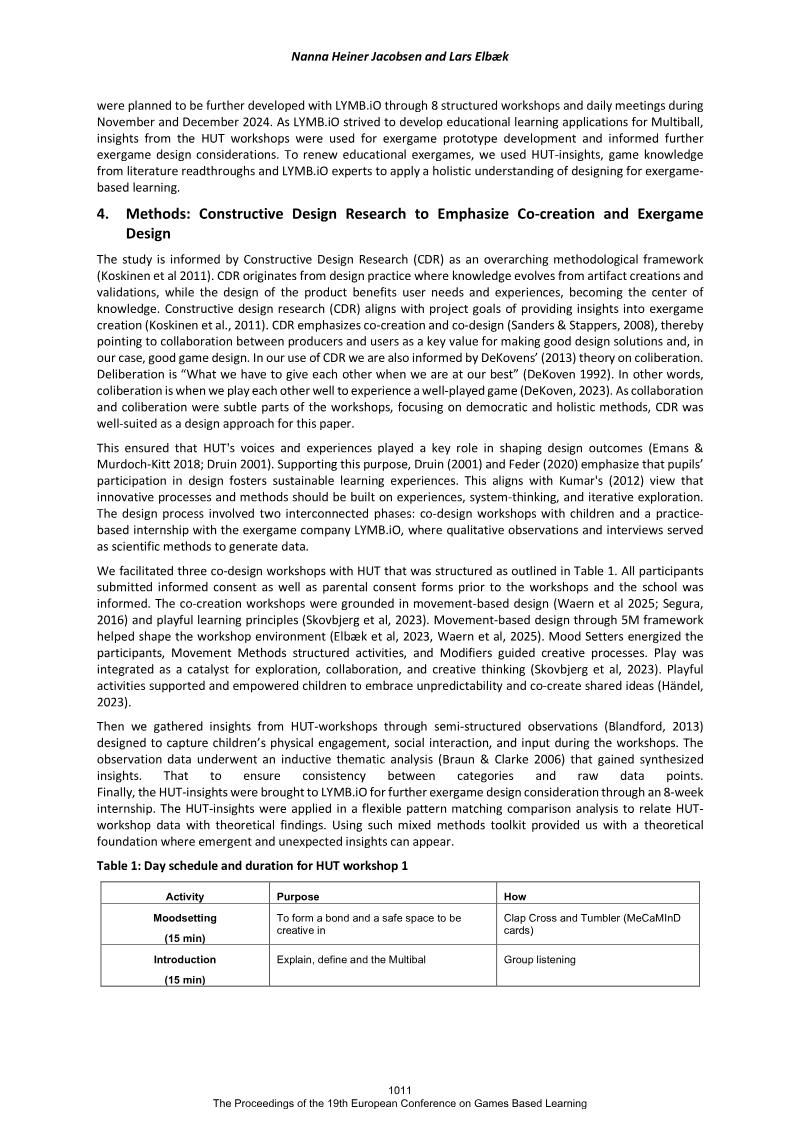
Enhancing Holistic Development Through Exergame-Based Learning
European Conference on Games Based Learning (ECGBL) · 2025
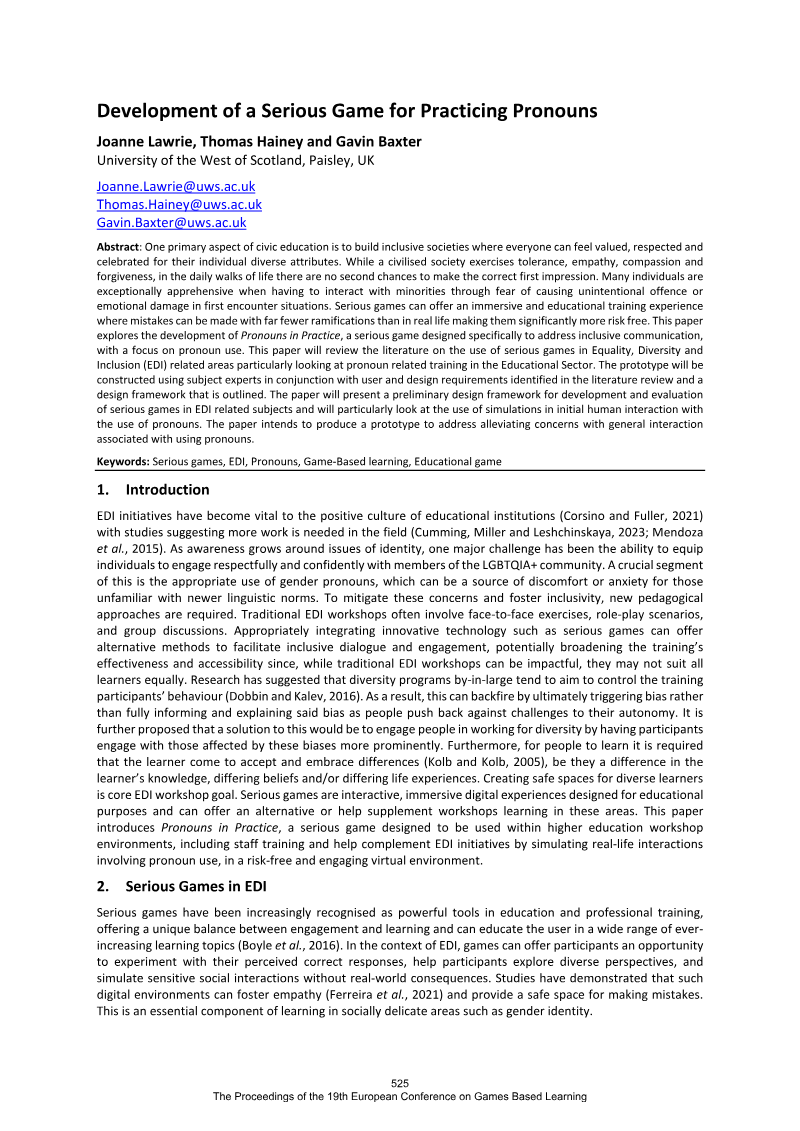
Whitepaper
Development of a Serious Game for Practicing Pronouns
European Conference on Games Based Learning (ECGBL) · 2025
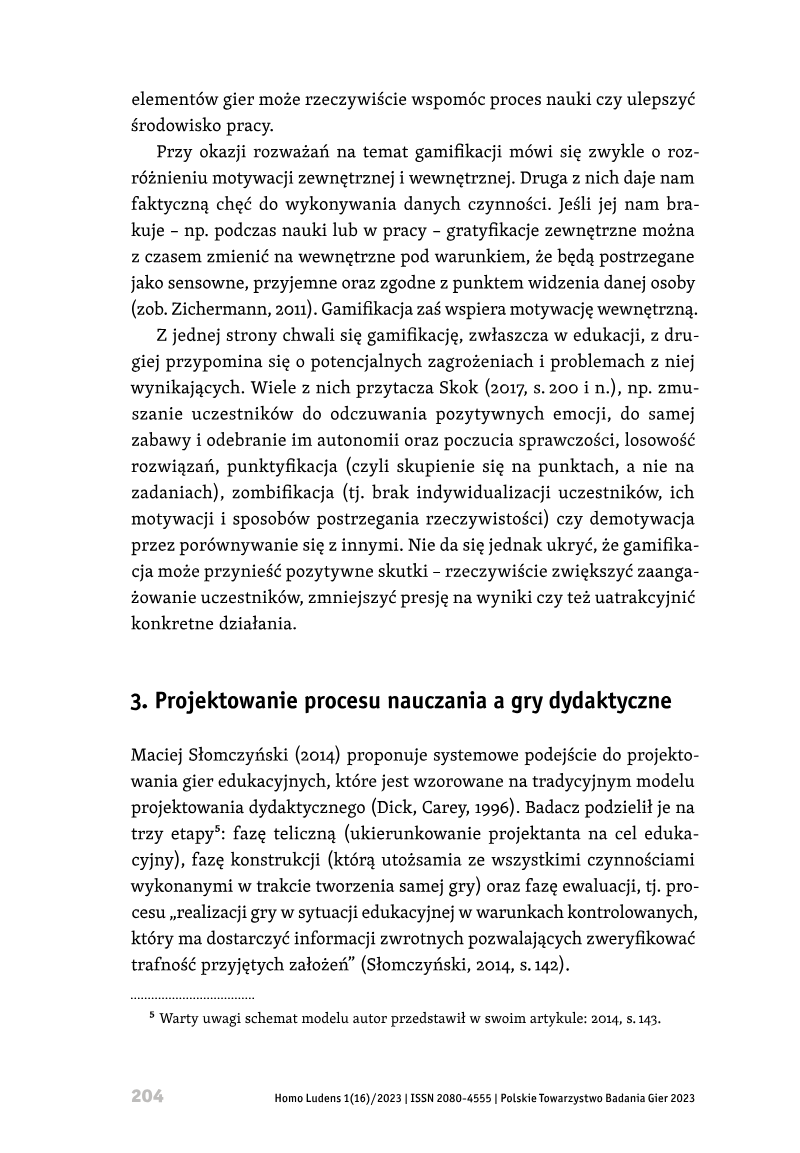
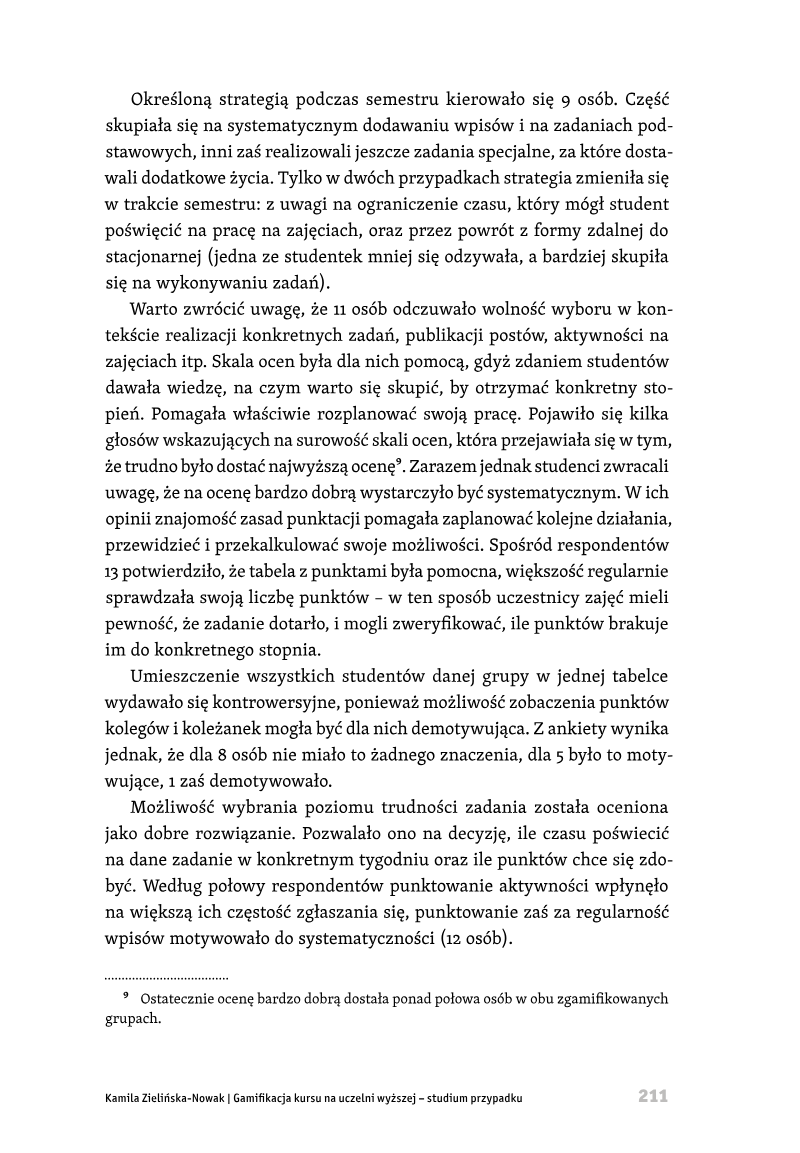
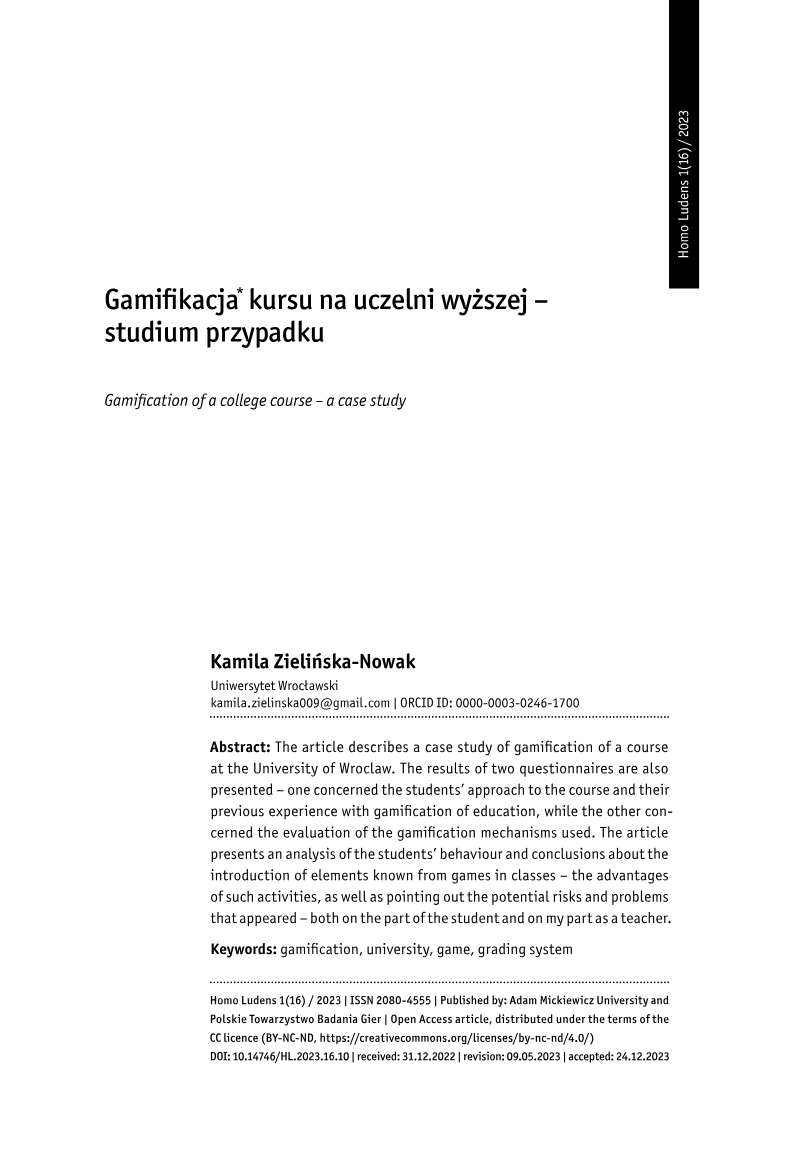
Whitepaper
Gamification of a College Course: A Case Study
Homo Ludens · 2024