Key insights
5 slides
The intervention
Gamification successfully transforms reactive maintenance into a sustained, competitive practice.
A leaderboard-based intervention incentivized continuous engagement in security and quality metrics. This improved overall code quality and technical rigor.
Like a fitness tracker encouraging daily steps, gamification encourages consistent quality efforts.
1 / 5
- 01Gamification of routine technical tasks, such as unit test coverage and vulnerability reduction, successfully transforms reactive maintenance into a sustained, competitive practice that improves overall code quality.See it on page 4
- 02A leaderboard-based intervention can effectively bridge communication gaps and enhance team cohesion in remote work environments by fostering a culture of shared technical rigor.See it on page 14
- 03Long-term program success is contingent on addressing socio-psychological friction, specifically developer concerns regarding perceived unfairness in scoring mechanisms and the setting of unattainable goals.See it on page 7
- 04Gamification initiatives risk failure if they are perceived as an additional workload burden rather than being seamlessly integrated into daily operational workflows.See it on page 14
- 05To prevent burnout and team friction, organizations must prioritize transparent feedback loops and ensure that competitive frameworks are calibrated with equitable, achievable objectives.See it on page 3
Ask AI about this report
Summary
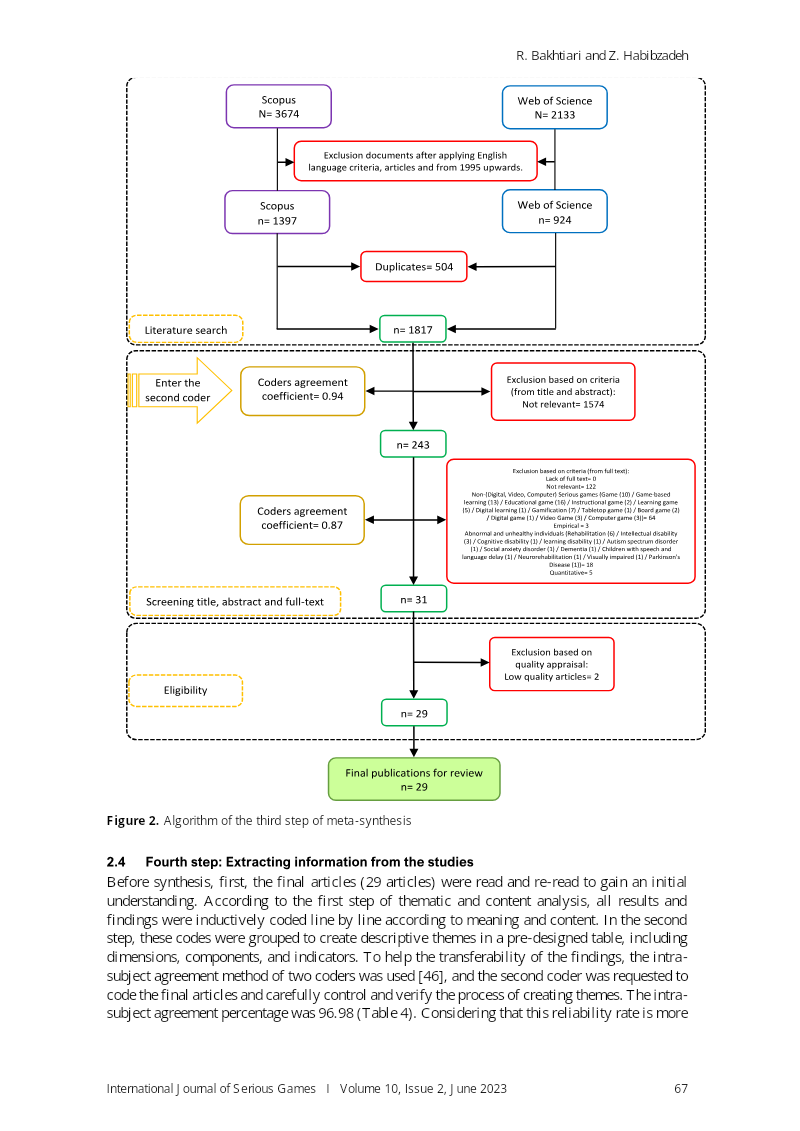
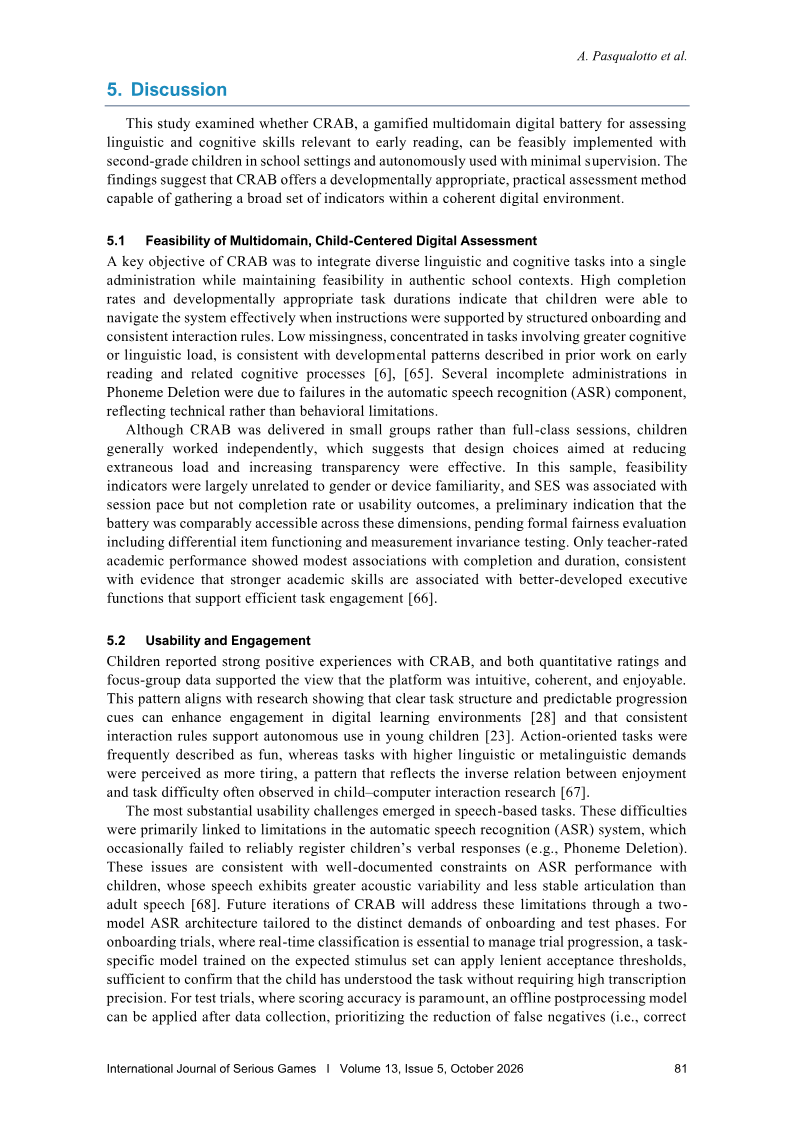
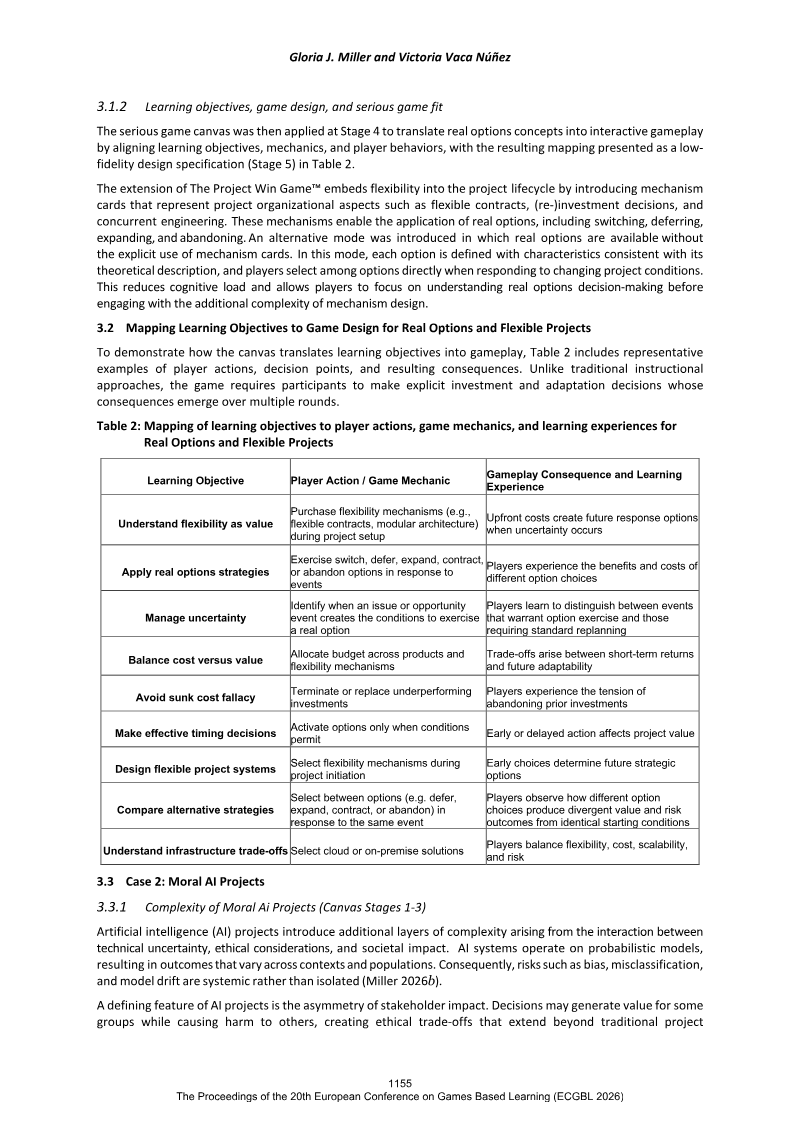
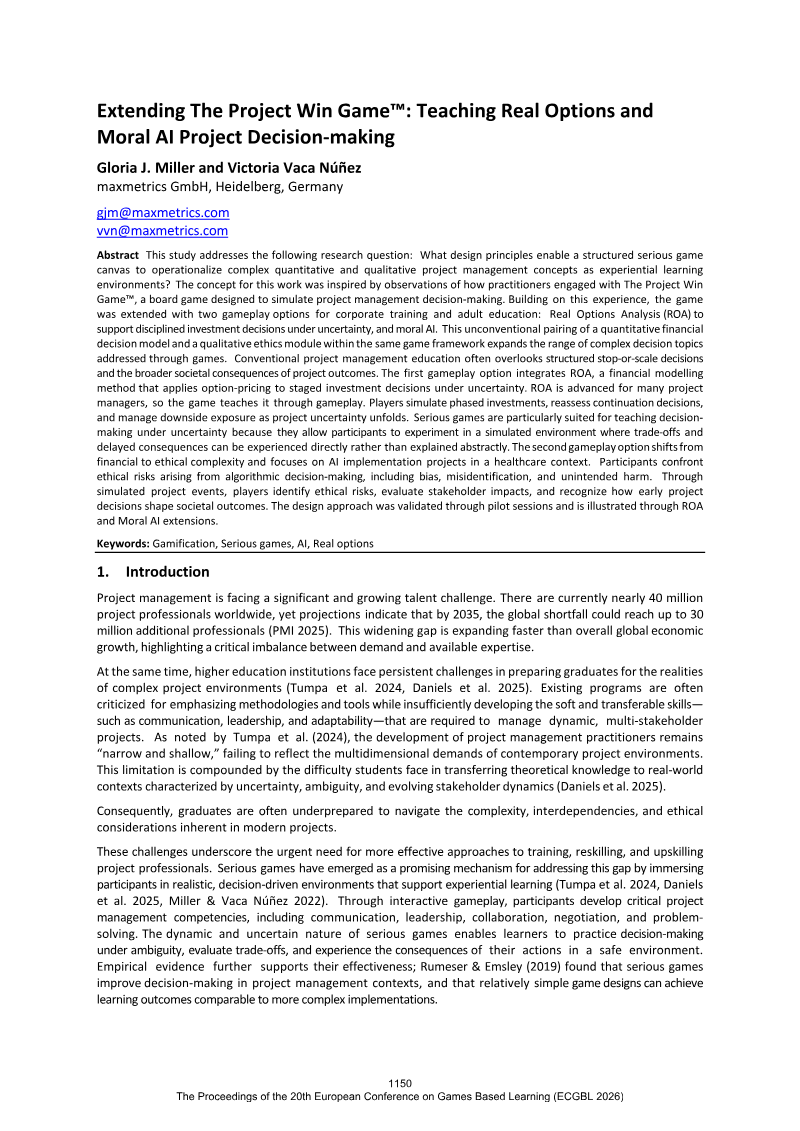
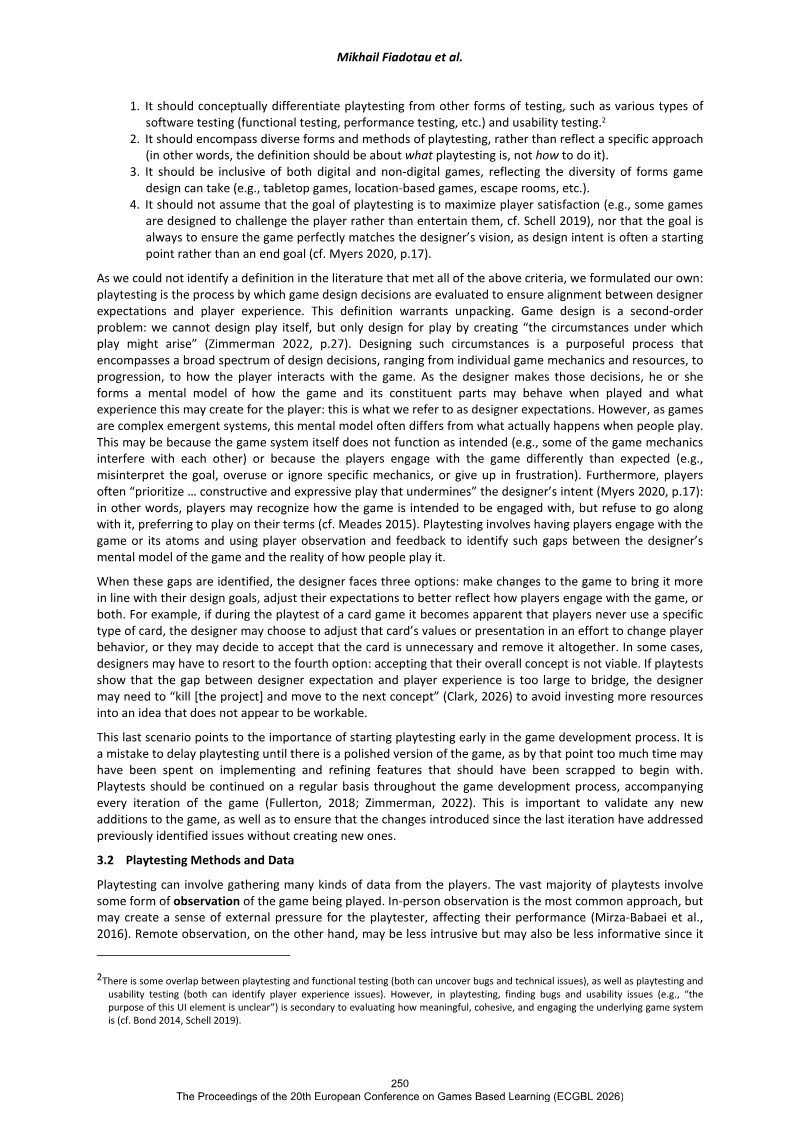
Large-scale software development organizations frequently struggle with inconsistent quality assurance practices, often characterized by end-of-year rushes or the cessation of improvement efforts once arbitrary targets are met. To mitigate these inefficiencies, a two-season, leaderboard-based gamification intervention was implemented within a major financial firm to incentivize continuous engagement in security and quality metrics, such as unit test coverage and vulnerability reduction. This initiative sought to transform technical maintenance from a reactive chore into a sustained, competitive, and collaborative practice.
Qualitative analysis reveals that the intervention successfully fostered a culture of heightened security awareness and improved technical rigor. Participants reported that the competitive structure encouraged better communication and team cohesion, effectively bridging gaps in remote work environments. By gamifying routine tasks, the organization observed measurable improvements in code quality and a more consistent application of best practices throughout the development lifecycle. These findings suggest that when properly structured, gamification can serve as a powerful tool for aligning individual developer behavior with broader organizational quality objectives.
However, the long-term sustainability of such programs remains contingent upon addressing significant socio-psychological friction. Developers identified critical challenges, including perceived unfairness in scoring mechanisms, the setting of unattainable goals, and the encroachment of gamified tasks upon standard workloads. The effectiveness of these systems is ultimately limited by the transparency of the feedback loop and the degree to which the intervention is integrated into daily operations rather than treated as an additional burden. For gamification to yield lasting benefits, organizations must prioritize equitable goal-setting and ensure that rewards are perceived as meaningful, thereby preventing the burnout and team friction that can arise from poorly calibrated competitive frameworks.