1 free read left. Create a free account for unlimited reading + AI research.
Create free accountWhitepaper Universitas Pelita Harapan
1 free read left. Create a free account for unlimited reading + AI research.
Create free accountWhitepaperUniversitas Pelita Harapan
This study investigates the effectiveness of using visual novels as a gamification tool to enhance student motivation in learning chemistry, specifically focusing on the periodic table. By integrating digital storytelling with interactive quiz elements, the research aims to address the common challenges students face in memorizing complex chemical data, such as atomic numbers and electron configurations. The study was conducted in Indonesia with a sample of 17 first-year senior high school students.
The methodology utilized the Instructional Materials Motivation Survey (IMMS) to measure student engagement across four key motivational factors: attention, relevance, confidence, and satisfaction. Participants completed a pre-test before engaging with a custom-developed visual novel over a one-week period, followed by a post-test. The game featured eight chapters corresponding to periodic table groups 1A through 8A, incorporating branching storylines and quiz-based mechanics developed via the Ren'Py engine. Data analysis was performed using a paired T-test to compare pre-test and post-test scores.
The findings indicate a statistically significant improvement in student motivation, with an overall increase of approximately 18.61%. All four ARCS motivational factors showed positive growth, with scores shifting from the "Motivated Enough" category to the "Motivated" category. The study concludes that the visual novel format effectively increases student engagement by providing a narrative-driven, interactive learning environment that encourages repeated interaction to unlock different story outcomes. Future research is expected to focus on incorporating adaptive gamification frameworks that personalize content based on individual student learning styles to further optimize educational outcomes.
Serious Games Society · 2026
International Journal of Serious Games · 2025
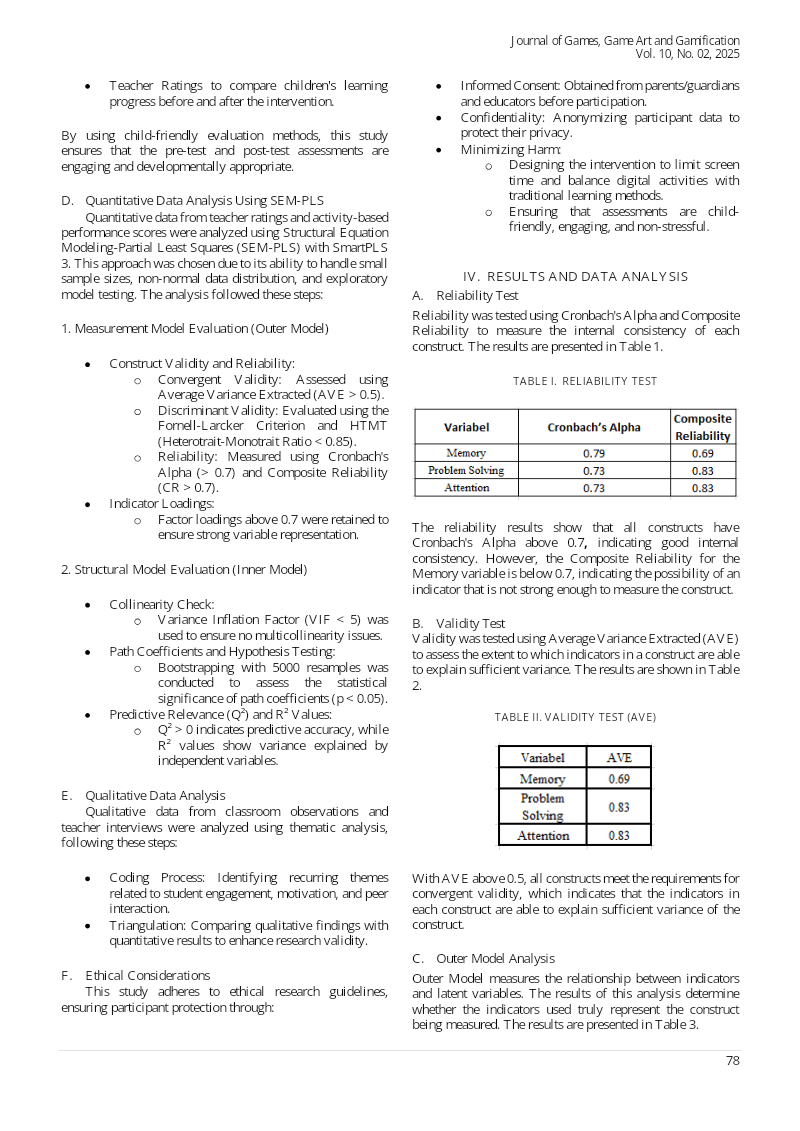
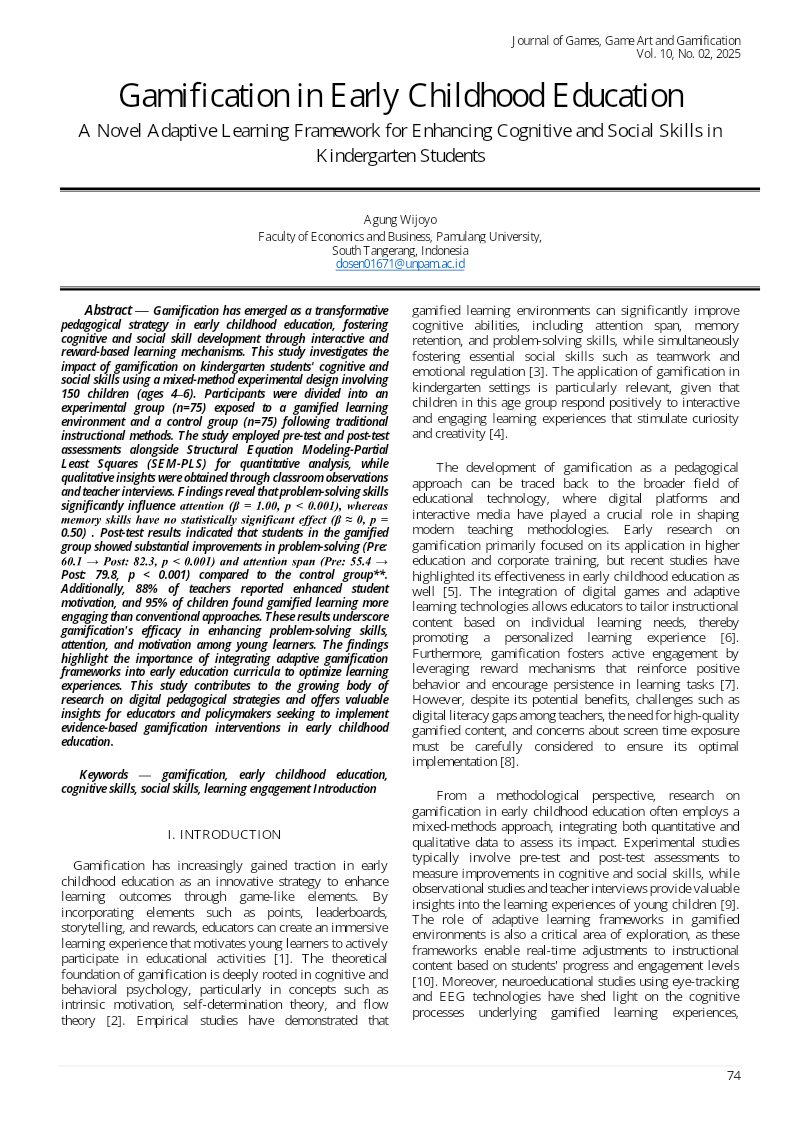
Pamulang University · 2025
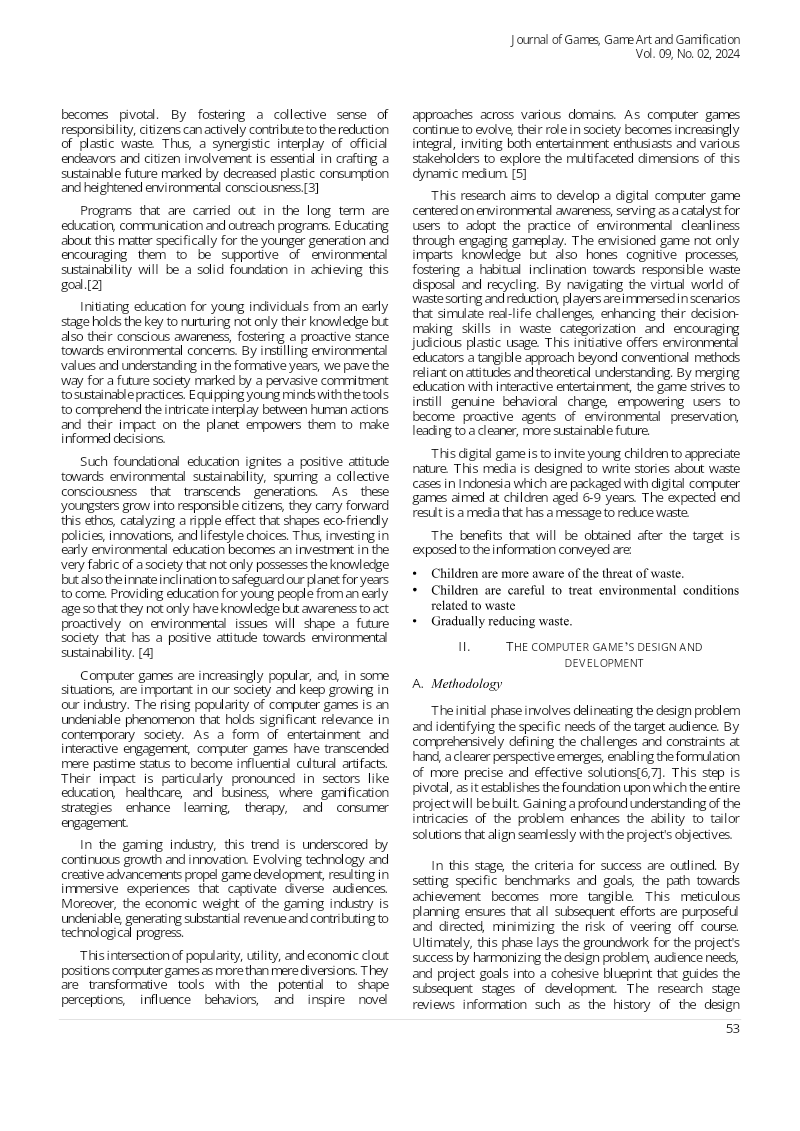
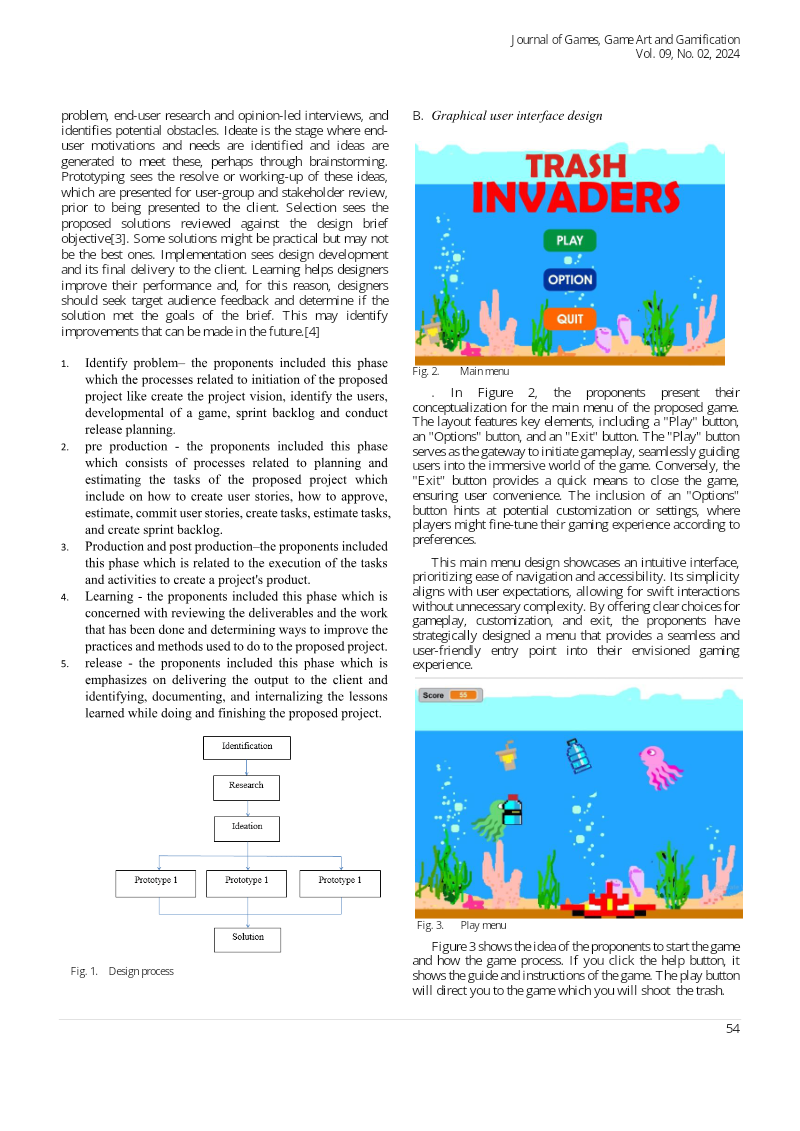
Journal of Games, Game Art, and Gamification · 2024
Serious Games Society · 2024
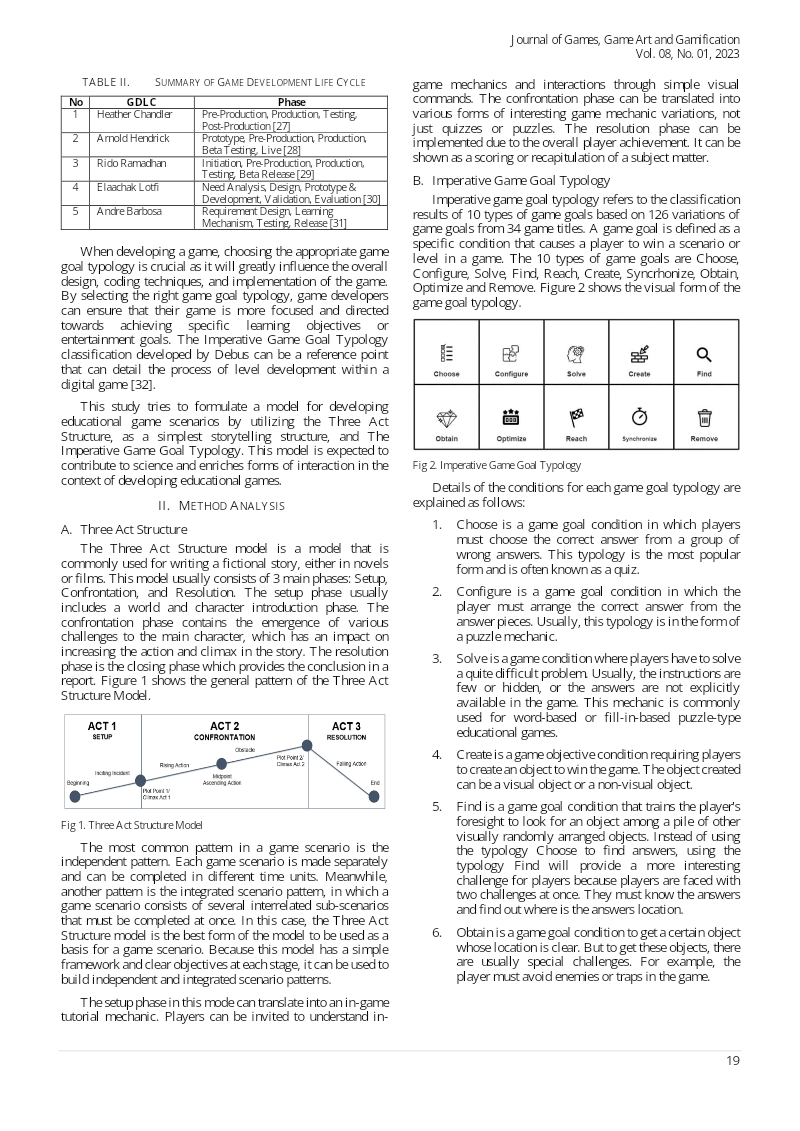
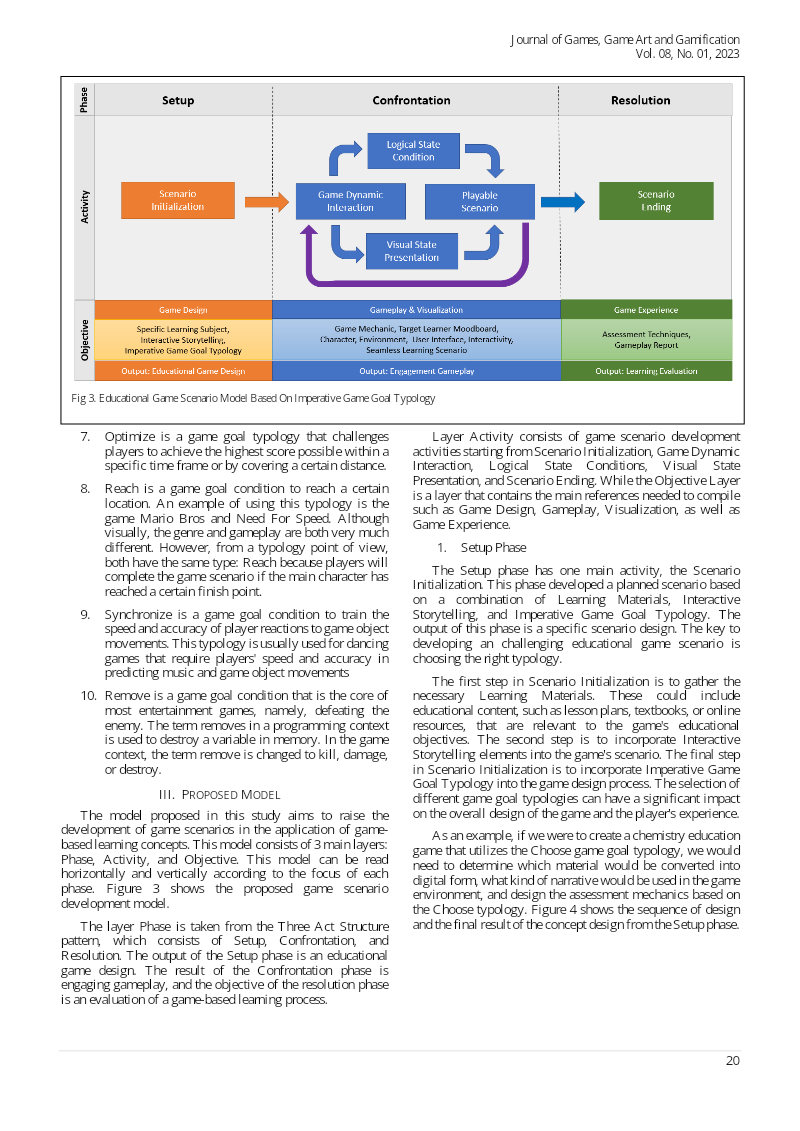
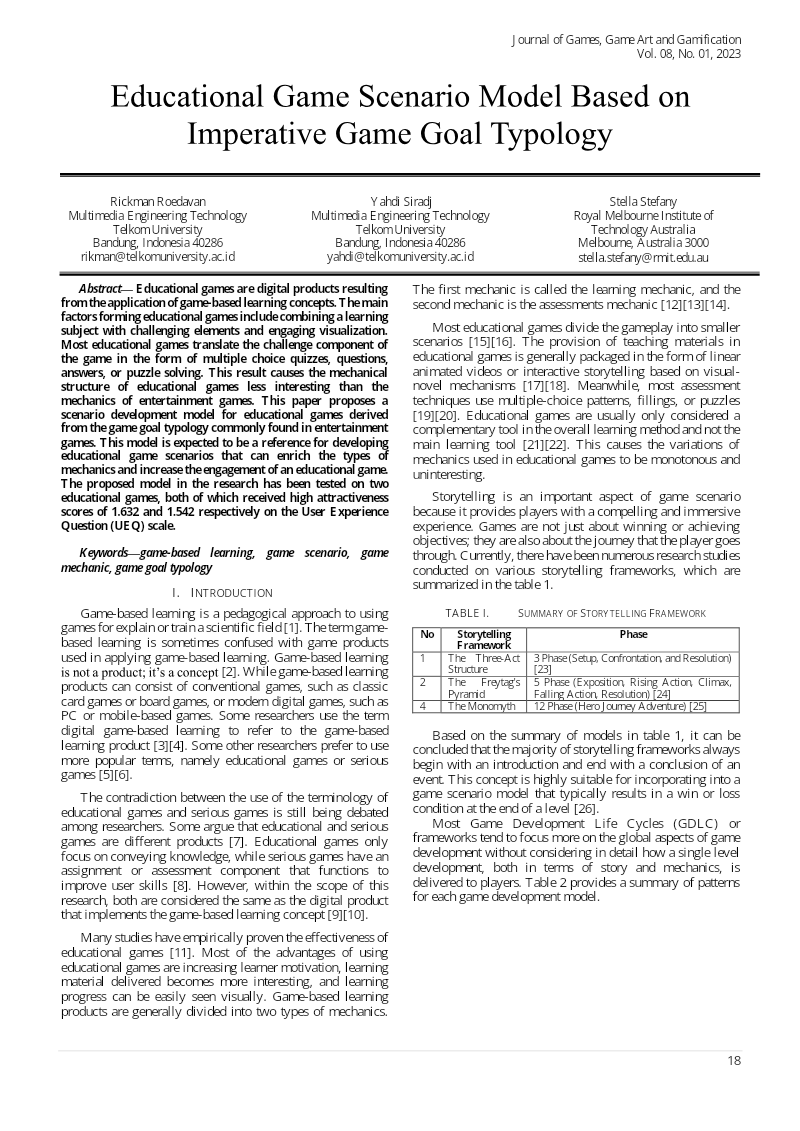
Journal of Games, Game Art, and Gamification · 2023
Institut Teknologi Bandung · 2023
Journal of Games, Game Art, and Gamification · 2023
Journal of Games, Game Art, and Gamification · 2021
Bina Nusantara University · 2021
Journal of Games, Game Art, and Gamification · 2021
STMIK STIKOM Indonesia · 2021